When it comes to car safety, what you can’t see matters just as much as what you can. While we focus on things like paint jobs and styling, one of the most important safety features is completely hidden behind your bumper cover.
Most drivers don’t think much about what’s hiding behind their bumper cover, but there’s a crucial safety component back there that could save your life. The bumper reinforcement is a metal beam that takes the brunt of collision forces and spreads them across your vehicle’s frame, protecting you, your engine, and your car’s structure when accidents happen.
What is a Bumper Reinforcement?
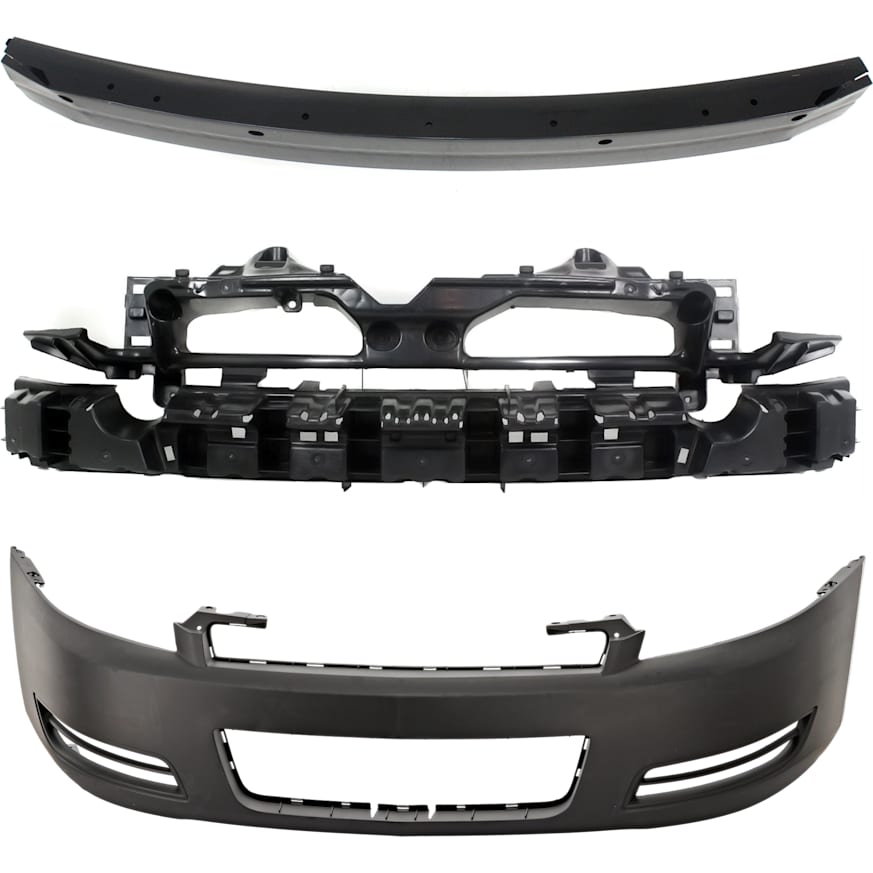
A bumper reinforcement is a rigid structural beam mounted behind the plastic bumper cover. It is made from high-strength steel, aluminum, or composite materials, depending on vehicle class and manufacturer. Its job is to absorb and distribute collision forces across the vehicle’s frame, protecting occupants and critical systems like the engine and fuel tank.

Think of a bumper reinforcement as part of your vehicle’s skeleton. While the plastic bumper cover you see is mostly about looks, the reinforcement is all business when it comes to keeping you safe.
Your car’s bumper system works like layers of protection, with each part playing a specific role. Modern vehicles have gotten pretty sophisticated about this – the reinforcement actually talks to your car’s airbag system, collision sensors, and stability controls to give you comprehensive protection if something goes wrong.
What’s Actually Under Your Bumper
Let’s break down what’s really going on under there:
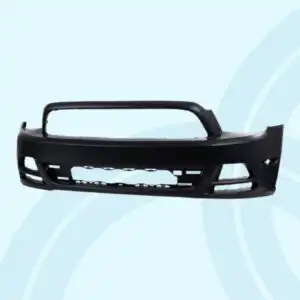
The bumper cover is the part you see, usually made from flexible plastic that can handle minor bumps while looking good. It’s more about appearance and aerodynamics than actual protection.
The bumper absorber is located right behind the cover. It’s an energy-absorbing layer made from special foam or engineered plastic. When you hit something, this compresses first to soak up some of the impact energy before it reaches the more critical parts.
The bumper reinforcement bar is a strong beam that handles the heavy lifting during crashes. It connects directly to your car’s frame through reinforced mounting points, making sure the impact force gets spread out across your entire chassis instead of concentrating in one spot.
The bumper brackets and hardware might seem minor, but they need to stay perfectly aligned and strong to do their job when it counts.
How Bumpers Actually Protect You
When your car hits something (or something hits your car), physics takes over in a very specific way. First, that energy absorber compresses in a controlled manner, which buys precious milliseconds for your seatbelt and airbags to kick in properly.
Next, the impact force moves to the reinforcement bar, which spreads that force across multiple connection points on your frame. This prevents all that energy from concentrating in one area, which could cause catastrophic damage to critical areas like where you’re sitting or your engine bay.
Engineers spend a lot of time getting this balance right – they need something strong enough to protect you but not so heavy or expensive that it’s impractical. The best designs even include “crumple zones” that fail in predictable ways during really severe impacts, maximizing your protection while keeping repair costs reasonable for minor crashes.
When You Need to Replace Your Bumper Reinforcement
Even minor parking lot mishaps can cause damage you can’t see that compromises your protection. A bent or twisted reinforcement bar can’t distribute forces properly anymore, which could spell disaster in a future accident.
Rust is another major concern, especially if you live somewhere that uses road salt or near the ocean, where salt air is constant. Corrosion weakens the connections and reduces how much load the component can handle over time.
All those little vibrations from driving, minor bumps, and temperature changes gradually weaken mounting points and connections. This kind of damage builds up slowly and can lead to sudden failure without warning.
Here’s something important: trying to fix a damaged reinforcement yourself rarely works. Welding damaged parts doesn’t restore their original strength, and you can’t reliably straighten bent components to meet safety specs. If there’s damage, professional replacement is really your only safe option.
Getting a Damaged Car Bumper Reinforcement Replaced
You need a professional inspection with proper equipment to determine if replacement is necessary. Trained technicians check mounting points, structural alignment, and material condition to spot potential safety issues that you might miss with just a visual inspection.
The process will vary depending on your vehicle’s exact year, make, and model. In most cases, this job is best left to the professionals. They will remove the bumper covers, disconnect electrical connections, and carefully remove damaged parts while protecting the surrounding components. The installation of a new bumper support requires precise alignment and specific torque settings to maintain structural integrity.
Quality replacement parts must meet the same standards as the original equipment. If you’re considering aftermarket parts, make sure to purchase from a trusted source like CarParts.com, so you can rest assured that the parts provide equivalent protection and work with your existing safety systems.
After installation, there’s verification work including alignment checks, sensor calibration, and testing of integrated safety systems to ensure everything works together properly.
How Much Does a Bumper Reinforcement Replacement Actually Cost?
Just the parts typically cost $150 to $600 for common vehicles, with luxury applications reaching $1,200 or higher. Labor adds another $200 to $500. Additional work like sensor calibration, painting, or replacing related components can tack on another $150 to $500.
The good news is that insurance often covers collision-related reinforcement damage, which can significantly reduce what you pay out of pocket. However, if the damage is from corrosion or normal wear, you’re typically on your own for the costs.
Keeping Your Bumper Reinforcement in Good Shape
Regular maintenance helps extend the life of your reinforcement and keeps it working at peak safety performance. During routine service, have technicians check mounting points, look for corrosion, and verify proper alignment before small issues become expensive emergency repairs.
If you live in harsh conditions, corrosion prevention is especially important. Protective coatings, regular washing to remove salt deposits, and quick repair of paint damage help preserve structural integrity. Coastal and winter weather areas should consider additional protection measures.
Careful driving and parking reduce the cumulative damage that could compromise your reinforcement’s effectiveness. Those minor parking accidents might seem like nothing, but repeated impacts can weaken components over time.
Be smart and get your vehicle checked by a mechanic after any collision, no matter how minor it seems. Hidden damage needs proper attention before it creates safety hazards.
Our Bottom Line
Your bumper reinforcement is a critical safety system that deserves serious attention. This hidden structural component provides your primary defense against collision forces, protecting you and expensive vehicle systems from impact damage.
Regular inspections, prompt replacement of damaged components, and following manufacturer specifications ensure optimal safety performance throughout your vehicle’s life.
Keep Reading: Related Posts



Any information provided on this Website is for informational purposes only and is not intended to replace consultation with a professional mechanic. The accuracy and timeliness of the information may change from the time of publication.