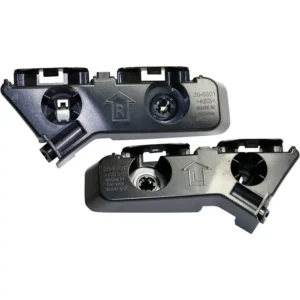
In automotive parts catalogs, a bumper filler is a physical, vehicle-specific panel that fills the space between the bumper and nearby body panels. It is not the moldable repair compound sometimes called flexible filler, bumper filler, or plastic repair adhesive. This article focuses on the replacement panel. Because the terminology is sometimes used incorrectly, a separate section near the end explains plastic repair compound and clearly identifies it as a different product.
Key Takeaways
- A bumper filler is a molded replacement panel that closes the visible space between a vehicle’s bumper and surrounding body panels.
- It is a solid, vehicle-specific component, not a moldable repair compound.
- Bumper filler panels are commonly made of plastic or metal, although some applications use fiberglass.
- Replace a filler panel when you see cracks, broken mounting points, widening gaps, or significant deterioration.
Flexible plastic repair compound is a separate product used during certain bumper-cover repairs.
What Bumper Filler Actually Does
A bumper filler panel covers the space between a vehicle’s bumper and its body panels. If the panel is dented, cracked, missing, or knocked out of position, it can leave an unsightly opening or make the bumper area look misaligned. The filler panel is the physical part occupying that space. It does not rebuild the damaged area like a paste or repair compound.
The panel can also help shield the area behind the bumper from dirt, water, and road debris. However, a bumper filler is generally a trim or body component rather than a structural part of the bumper system. Its primary roles are to complete the vehicle’s exterior appearance, cover gaps, and maintain the intended fit between nearby panels. Addressing a damaged filler panel early can prevent it from loosening further or separating from its mounting points.
Common Bumper Filler Panel Materials
This section discusses the materials used to manufacture physical bumper filler panels, not moldable repair compounds.
- Plastic is a common material for modern bumper filler panels. It is lightweight and can be molded to match the contours of a specific vehicle.
- Metal filler panels appear on some older vehicles, classic cars, trucks, and other applications with metal exterior components.
- Fiberglass is used in some aftermarket and specialty applications. It is lightweight and strong, but it can crack when subjected to significant flex or impact.
The correct material depends on the original component and the vehicle application. A replacement panel should match the intended fit, mounting points, dimensions, and finish of the original part.
Signs Your Bumper Filler Needs Replacing
A bumper filler panel does not last forever, and a damaged panel can undermine the appearance and fit it is supposed to provide. Watch for these signs:
- Visible cracks or breaks indicate that the filler panel is damaged and may no longer cover the space as intended.
- A loose panel that does not sit flush can indicate broken mounting tabs, clips, or fasteners. If the bumper cover has shifted or sags, its brackets or underlying supports may also need attention.
- Widening gaps can indicate a warped or displaced filler panel, damaged fasteners, a misaligned bumper cover, or another mounting problem.
- Discoloration or fading is often cosmetic, but brittleness, chalking, cracking, or deformation can indicate that the material has deteriorated.
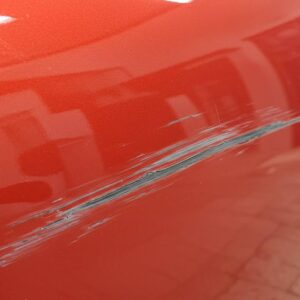
If you spot any of these signs, inspect the filler panel, fasteners, bumper cover, and nearby supports before deciding what to replace. For superficial bumper-cover damage that does not involve the filler panel, you might be able to remove scratches from your bumper.

Choosing the Right Bumper Filler Panel
First, confirm that the damaged component is actually a bumper filler panel. It should be a separate, solid panel positioned between the bumper and adjacent bodywork. Do not confuse it with the bumper cover, bumper reinforcement, energy absorber, valance, trim, or a moldable repair product.
Confirm compatibility with your vehicle’s exact year, make, model, body configuration, and installation location. A filler panel designed for the front bumper might not fit the rear, while the driver-side and passenger-side panels may have different shapes and mounting points.
Check the replacement panel’s material, dimensions, mounting provisions, and finish. Some panels arrive primed or painted, while others require preparation and refinishing before installation.
If the underlying support is damaged, determine whether you also need a new bumper bracket or bumper trim to complete the repair. For panel replacements, in-house options from Replacement brand parts offer OE-style fit without dealership pricing.
Frequently Asked Questions
No. A bumper filler panel is a solid, vehicle-specific exterior component. Regular body filler is a moldable repair material generally formulated for rigid surfaces such as metal. Flexible plastic repair compound is another separate product intended for compatible plastic repairs.
No. The bumper cover is the large exterior fascia that spans most of the front or rear of the vehicle. A bumper filler is usually a smaller panel that occupies a gap between the bumper and adjacent bodywork. Exact terminology and component placement vary by vehicle.
Some minor damage may be repairable, depending on the panel material, crack location, mounting points, and vehicle manufacturer’s repair guidance. Replacement is usually the better option when the panel is badly warped, missing material, extensively cracked, or broken around its mounting points.
A bumper filler panel is generally a trim or body component rather than the part responsible for absorbing collision energy. Crash protection primarily depends on components such as the reinforcement, energy absorber, brackets, and crush structures. Any collision damage should be inspected to determine whether these parts are also affected.
It depends on the product. Some panels arrive painted or finished, while others come primed or unpainted. Check the product description and compare the finish with the rest of the vehicle before installation.
Ready For a Proper Fix?
A proper repair begins with identifying the damaged component. If the vehicle’s solid bumper filler panel is damaged, choose a direct-fit replacement. If the bumper cover itself is repairable, identify the plastic and use an approved repair and refinishing system. Do not substitute moldable repair compound for a missing or damaged bumper filler panel.
Find compatible bumper filler panels at CarParts.com and restore the intended fit and appearance of your vehicle.
Keep Reading: Related Posts





Any information provided on this Website is for informational purposes only and is not intended to replace consultation with a professional mechanic. The accuracy and timeliness of the information may change from the time of publication.