Bumper filler is a moldable compound that fills gaps, cracks, scratches, and scuffs on a vehicle’s bumper and surrounding body panels, then hardens into a sandable surface you can shape, prime, and paint. It restores both the look and the structural continuity of damaged plastic or metal bumpers, closing the spaces between panels so that the repaired area blends seamlessly with the rest of your vehicle. Most modern products are flexible polyester or plastic-specific formulas built to bond with automotive plastics like bumpers, trims, and polypropylene components, while staying durable enough to handle road impacts.
Key Takeaways
- Bumper filler closes gaps, cracks, and scuffs, then hardens into a shapeable, paintable surface.
- It serves both cosmetic and protective roles, shielding panels from dirt, water, and corrosion.
- Common materials include plastic, metal, fiberglass, and flexible bumper-specific compounds.
- Replace it when you see cracks, loose panels, widening gaps, or discoloration.
- Proper prep and curing matter more than the product itself for a lasting repair.
What Bumper Filler Actually Does
A bumper filler panel covers the space between a vehicle’s bumper and its body panels. The filler rebuilds these areas if they’re dented, cracked, or knocked out of position. The point isn’t just appearance, though a clean, blended contour does make an older vehicle look cared for.
Filler also does protective work. Gaps between the bumper and body are prime entry points for dirt, water, and road debris. Left open, they invite rust, corrosion, and gradual structural decline. A solid filler repair seals these spaces and extends the life of the surrounding panels and supports alignment. A properly shaped and positioned filler helps keep the bumper sitting correctly, which matters for fit and for how the bumper performs in a minor impact. It’s also cost-effective. Ignoring a damaged section can lead to bigger, pricier problems down the line, so addressing it early saves money.
Common Materials
Not all filler is the same, and matching the material to the repair is half the job.
Plastic filler is a popular, affordable choice for modern vehicles. It’s lightweight and flexible, which suits the plastic bumpers most cars use today. Products like polyester-based plastic compounds are formulated to adhere well to common automotive plastics and stay elastic enough to flex without cracking.
Metal-based options are durable but heavier, and they show up more often on older or classic cars with metal bumpers.
Fiberglass is a lightweight alternative with good strength, though it’s more prone to cracking under flex than dedicated plastic formulas.
Flexible bumper-specific compounds use advanced plastic chemistry to deliver both durability and easy application. These are designed specifically for the demands of bumper repair, where the surface needs to move slightly without the repair failing.
If you’re working on a typical late-model car, a flexible plastic product is usually the safest match.
Signs Your Filler Needs Replacing
Filler doesn’t last forever, and a failing repair undermines everything it’s supposed to protect. Watch for these signs:
- Visible cracks or breaks mean the filler is no longer doing its job and the panel underneath is exposed.
- Loose panels that don’t sit flush point to a filler that has failed or pulled away. If the bumper cover itself has shifted or sags, the underlying support may need attention too.
- Widening gaps between the bumper and body suggest the filler has shrunk, cracked, or fallen out.
- Discoloration or fading often shows up after long sun and weather exposure, and while it’s partly cosmetic, it can signal that the material has aged and weakened.
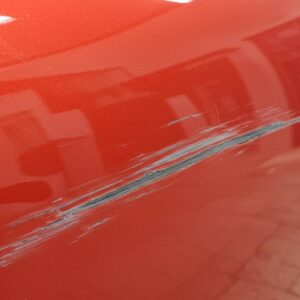
If you spot any of these, it’s worth inspecting the area closely and planning a fresh repair before water and debris work their way in. For surface damage that hasn’t reached the filler yet, you can often remove scratches from your bumper before they deepen.

How To Apply Bumper Body Filler
The process is straightforward, but prep determines the result.
Remove the panel. Take off the damaged section or expose the repair area for clean access. If a loose fascia is the problem, you may only need tofix the bumper clips rather than apply filler at all.
Clean the surface. Strip away dirt, rust, and old flaking material so that the filler has something solid to grab. A clean, dry, lightly abraded surface bonds far better than a dirty one.
Mix the filler. Most products are two-part systems that combine a base with a hardener. Follow the ratio on the packaging, since too little or too much hardener throws off curing.
Apply and shape. Spread the filler over the prepared area, working it into the contour, and build it slightly proud of the surrounding surface so that you have material to sand back.
Let it cure, then sand. Give it the full cure time, then sand it smooth and flush with the surrounding panel.
Once the filler is shaped and smooth, you can prime and paint to match. Quality plastic fillers are compatible with plastic primers and standard automotive paints, so the repaired area finishes consistently with the rest of your vehicle.
A practical caution: a bumper does real work absorbing impact in a collision, so a poor repair can leave the structure weaker than it looks. If the damage extends beyond surface scuffs into mounting points or structural sections, have a shop inspect it rather than relying on filler alone. Deep splits may call for a different approach entirely, so it helps to know how to fix a cracked bumper before you decide between filler and replacement.
Choosing The Right Product
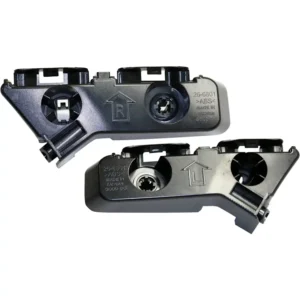
Three things matter most. Match the material to your bumper type, plastic-specific for flexible plastic bumpers and more durable formulas for metal. Confirm the fit and compatibility with your vehicle’s surface. And weigh ease of use, since easy-to-mix, easy-to-sand products make a big difference if you’re doing the work yourself. If the underlying support is damaged, consider whether you also need a new bumper bracket or a fresh strip of bumper trim to complete the repair. For panel replacements, in-house options from Replacement brand parts offer OE-style fit without dealership pricing.
Frequently Asked Questions
Not quite. Standard body filler is formulated for rigid metal and can crack on a flexing plastic bumper. Bumper-specific and flexible plastic fillers are built to move with the panel, which makes them the better choice for plastic bumpers.
You can for minor cracks and scuffs, as long as the surface is clean and properly prepped. For deeper structural cracks or damage near mounting points, reinforce or replace the section instead of relying on filler alone.
When the surface is prepped well, the right product is used, and curing is complete, a repair can hold up for years. Failures usually trace back to poor prep, the wrong material, or a rushed cure.
A proper repair restores both appearance and continuity. A weak repair, or filler used to mask structural damage, can leave the bumper less capable in an impact, which is why serious damage deserves a professional inspection.
Sand it smooth first, then prime. Most quality fillers accept plastic primers and standard automotive paints once they’re cured and sanded flush.
Ready For a Proper Fix?
A clean bumper repair comes down to matching the right filler to your vehicle, prepping the surface properly, and giving the material time to cure before you sand and paint. Get these three things right and you’ll restore both the look and the protection your bumper is meant to provide. Find the fillers, primers, and supplies you need at CarParts.com and tackle your repair with confidence.
Keep Reading: Related Posts





Any information provided on this Website is for informational purposes only and is not intended to replace consultation with a professional mechanic. The accuracy and timeliness of the information may change from the time of publication.