
A used UTV can save you 25% to 40% off new sticker price, but only if you inspect the frame, engine, brakes, fluids, driveline, and tires, verify service records, and put it through a real test drive before money changes hands. Skip any of those checks and you’re betting on someone else’s maintenance habits.
Key Takeaways
- Used UTVs typically run 25% to 40% below a comparable new build.
- Check the frame first because cracks and bent mounts kill the deal.
- Demand a cold start and a hot restart during the test ride.
- Service records and salt-belt history reveal more than odometer hours.
- A real trail loop catches what a static walkaround misses.
What Is a UTV?
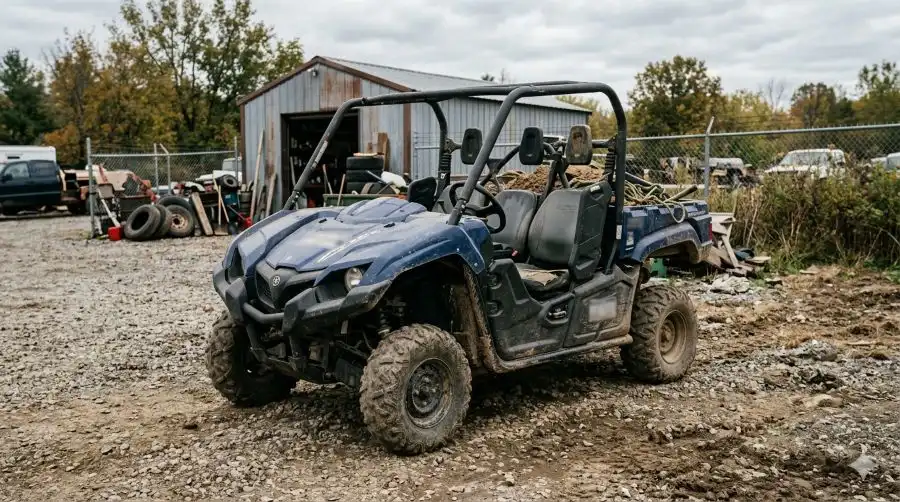
To define UTV: a Utility Task Vehicle, also called a side-by-side, is a four-wheeled off-road machine with bucket or bench seating, a steering wheel, foot pedals, and a roll cage. UTVs are split into three broad categories. Sport models are built for speed and aggressive trail riding. Utility models are built for hauling, plowing, and ranch work. Sport-utility hybrids try to do both with mixed results. Knowing which type fits your riding before you start shopping keeps you from overpaying for capability you’ll never use.
Do Your Homework
Build a must-have list before you look at a single ad. Decide whether you need two seats or four, sport suspension or utility racks, and which brand parts ecosystem you want to live in long-term. Scan local marketplaces, dealer used inventory, and rider forums to learn fair pricing for the model and year you’re targeting.
Service History and Ownership
Ask for service records the moment you make contact. A seller who tracked oil changes, valve adjustments, and belt replacements is usually a seller who rode responsibly. Ask how many owners the machine has had, where it was ridden, and whether it ever lived in a salt-belt state or near saltwater. Salt eats frames, brake lines, and electrical connectors in ways that aren’t obvious from a quick look.
Pricing Reality
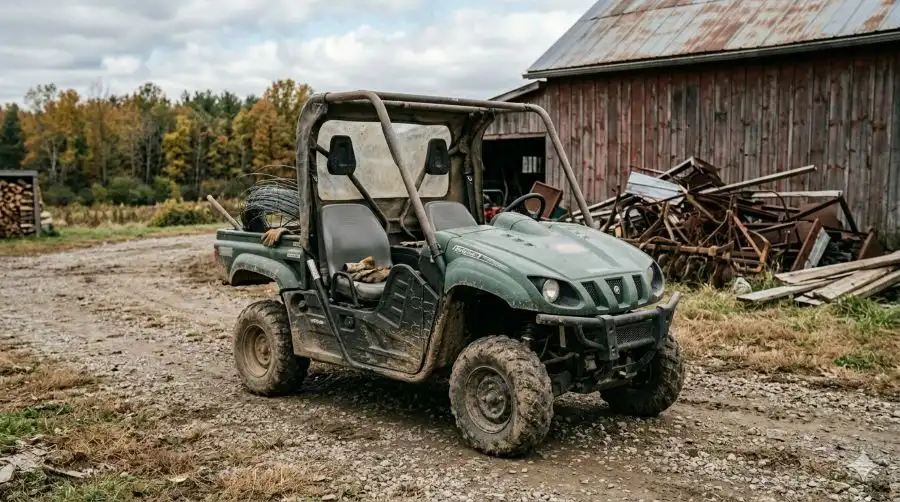
Used UTVs in solid shape often run 25% to 40% below a comparable new build, especially when the previous owner already added a winch, snorkel, lift kit, or upgraded tires. Quality bolt-ons stay with the machine and bump the value of what you’re buying.
The Walkaround Inspection
Inspect in daylight with a flashlight, a magnet, and a friend who knows machines if you don’t.
Frame and Welds
Start at the frame. Look for cracks at weld joints, dents under the floor pan, and bent suspension mounts. A magnet helps confirm whether questionable spots are factory steel or filler. Frame damage is rarely worth fixing on a used machine and should be a hard pass.
Engine
Listen for a clean idle on a cold start. Watch for blue smoke at startup, knocking under load, or surging at idle. Pull the dipstick: clean amber oil is a good sign, milky oil means coolant intrusion, and a burnt smell points to overheating history. For models with adjustable valves, ask when they were last checked.
Brakes
Squeeze the brake pedal cold. It should be firm, not spongy. Check pad thickness through the caliper window and look at rotor surfaces for deep grooves or heat discoloration. Soft brakes or worn pads are cheap to fix, but they’re a useful negotiating point.
Fluids and Filters
Check engine oil, coolant, brake fluid, and gear oil in the front and rear differentials. Dark, gritty diff fluid suggests deferred maintenance. Coolant should be clean and the right color for the model, not rust-tinted.
Driveline
Grab each tire at twelve and six o’clock and rock it. Play points to worn wheel bearings. Do the same at three and nine to check tie rods and ball joints. Crawl underneath and shake the driveshafts and CV axles. Clunking or noticeable slop means parts are wearing out.
Tires and Wheels
Check tread depth, sidewall cracks, and date codes. Tires older than five or six years harden even if the tread looks fine. Look at the wheels for bent lips and cracked spokes. Caked mud in odd places hints at how hard the machine was used.
Aftermarket Upgrades
Quality bolt-ons add value but cheap, poorly installed mods don’t. Check that wiring is loomed and routed properly, that lift kits use matched components, and that the previous owner didn’t drill through frame members for accessory mounts.

Test Drive UTVs Like You Mean It
A short loop in a parking lot doesn’t count. Real test drive UTVs work means putting the machine through what it’ll actually face under your ownership.
Cold Start, Hot Restart
Insist on starting the UTV cold. A pre-warmed machine can hide hard starts and rough idle. After your ride, shut it off, wait a few minutes, and restart it hot to catch fueling and ignition issues.
Steering and Suspension
The wheel should turn smoothly with no binding or clunking. Hit a few bumps and ruts at speed and listen for rattles, squeaks, or knocks. Bushings, ball joints, and shock bodies all show their age under load.
Power and Shifting
Run through every gear, including reverse. Shifts should be clean and the clutch shouldn’t slip on hard acceleration. For automatics with belts, listen for belt slap or burning smells. A failing belt signals that someone rode hard and didn’t replace it.
Brakes Under Load
Bring the machine up to real trail speed and brake firmly. It should pull straight and stop confidently. Pulling to one side points to a sticky caliper or uneven pad wear. Brakes, steering, and suspension issues aren’t optional fixes. If anything in these systems feels off, plan on a professional inspection before you ride hard or commit to the buy.
Watch for Deceptive Sellers
Most private sellers are honest, but some aren’t. Be wary of fresh paint hiding rust, pressure-washed engines covering leaks, and reset hour meters. If a seller refuses a pre-purchase mechanic inspection or pressures you to decide on the spot, walk away. Dealer used inventory often comes with a short warranty and a multi-point inspection, which is worth a slightly higher price for the peace of mind.
FAQ
Is it better to buy a new or used UTV?
Used wins on price if you find a well-maintained machine, often 25% to 40% below new. New wins on warranty coverage and known history. The right answer depends on your budget, your tolerance for surprise repairs, and your DIY skill level.
How many hours is too many for a used UTV?
Hours matter less than how those hours were spent. A trail-ridden UTV with 1,500 hours and full service records can outlast a 400-hour machine that lived hard at the dunes. Read the maintenance log before you fixate on the meter.
Should I buy a used UTV from a dealer or private seller?
Private sellers are cheaper but require more legwork on your end. Either path works if you do the inspection right.
What’s the riskiest thing to skip during inspection?
The frame and the engine. Cosmetic damage is cheap. But bent frames and tired engines aren’t, and they’re often the failures that end a UTV’s useful life.
Can I bring a mechanic to a private sale?
Yes, and you should if you aren’t confident inspecting by yourself. Most honest sellers welcome it. Sellers who refuse are telling you something useful.
Hit the Trail with Confidence
The right used UTV gets you riding for thousands less, but only if you inspect like the trail depends on it. Once you’ve found your machine, the next step is gearing it up to handle where you actually ride. Browse theJC Whitney Performance Hub for parts, accessories, and trail-ready upgrades that turn a solid used buy into a build that performs.
Keep Reading: Related Posts



Any information provided on this Website is for informational purposes only and is not intended to replace consultation with a professional mechanic. The accuracy and timeliness of the information may change from the time of publication.