If you’re trying to figure out where the four-wheel-drive actuator is located, the answer depends on your drivetrain design. On many trucks and SUVs, it sits either on the transfer case, on the front axle disconnect assembly, or both. Electrically engaged transfer cases will have a motor/actuator on the transfer case, and many trucks and SUVs will also have another actuator that locks the front axles to the front final drive.
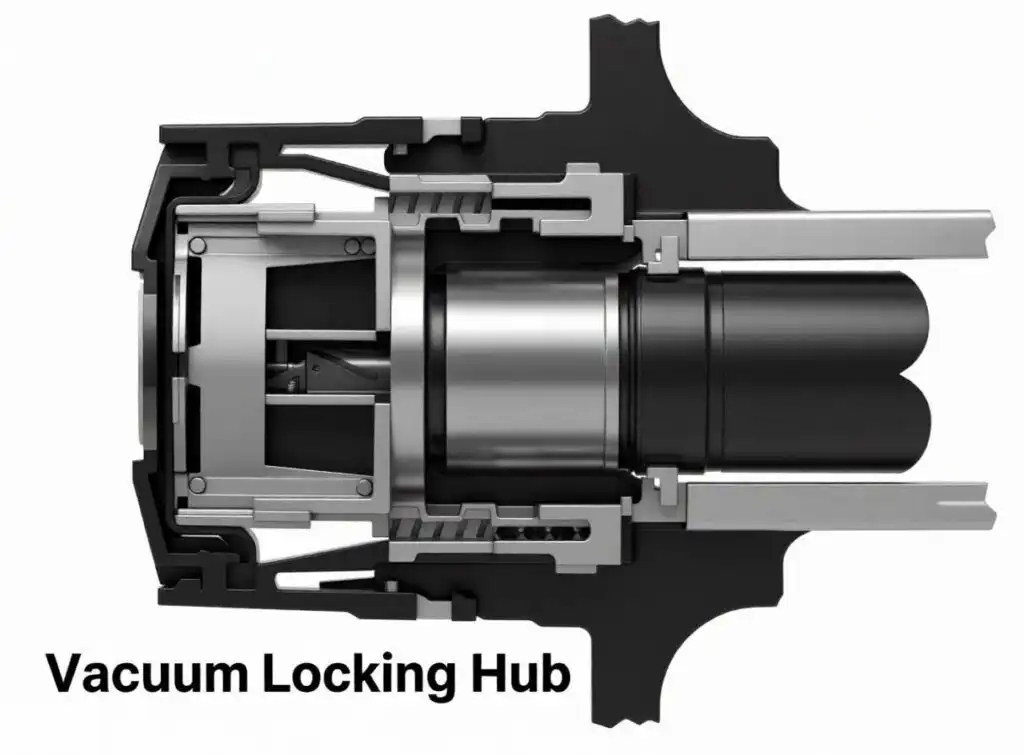
Some Ford setups use hub-based actuators at the front wheels instead of a single axle-mounted unit. Later models may have vacuum-operated hubs that default to hub lock when the vacuum part of the hub fails. Older units had manual locking hubs or mechanical automatic locking hubs.

Pro Tips are nuggets of information direct from ASE-certified automobile technicians working with CarParts.com, which may include unique, personal insights based on their years of experience working in the automotive industry. These can help you make more informed decisions about your car.
Pro Tip: Many Chevrolet models use a locking collar that slides to engage the drive axle splines with the axle leading out to the hub. There are multiple ways of doing this, depending on the platform and the generation of the vehicle.
The exact location changes with how the four-wheel drive system engages the front wheels, not just the brand.
That difference matters before you start diagnosing, before you order parts, and especially before you crawl under the vehicle with tools. A lot of buyers end up with the wrong part because they search for one generic name when the vehicle actually uses a transfer case shift motor, a front axle disconnect actuator, or a hub engagement system. Knowing which one your truck uses saves you time and a return shipping headache.
Where the 4WD Actuator Typically Sits
Most 4WD actuators fall into one of three layouts, and knowing which one applies to your truck narrows down both the diagnosis and the parts search before you spend any money.
Transfer Case Mounted Actuator
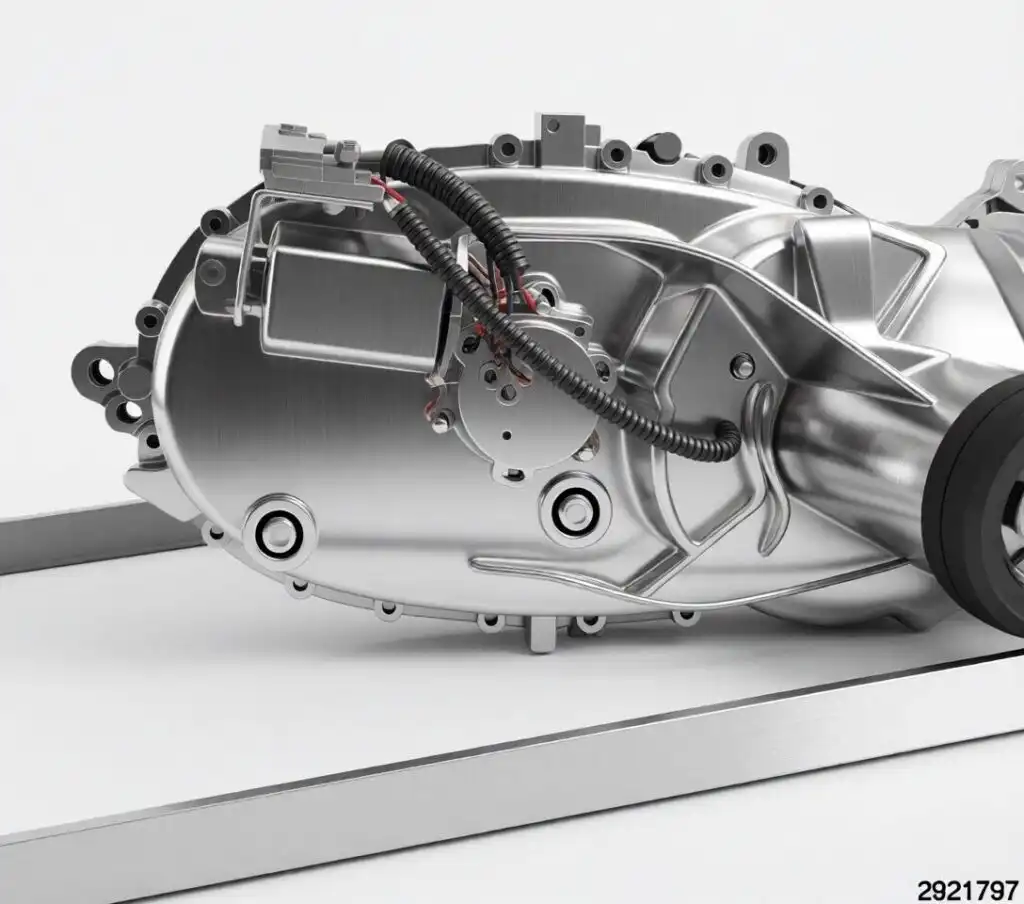
This type bolts directly to the transfer case and moves an internal shift mechanism to engage 2HI, 4HI, or 4LO. It is the most common layout on trucks with electronic shift systems.
Front Differential or Axle Disconnect Actuator
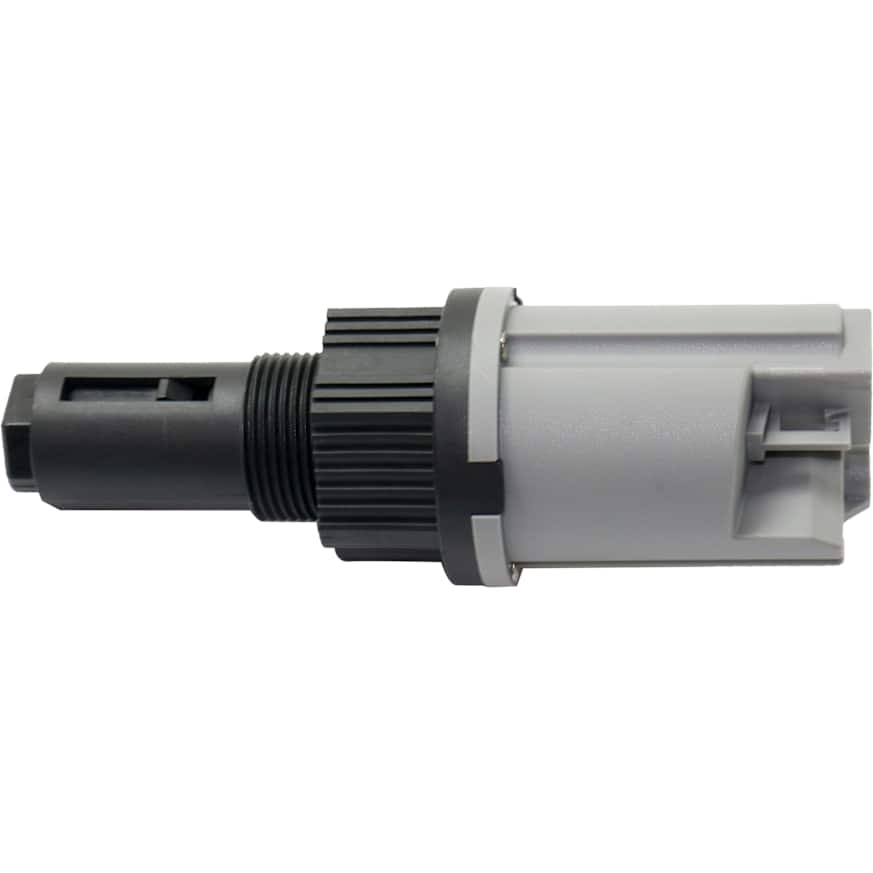
This actuator sits on the front axle housing and connects the passenger side axle or front differential. You will find it on many GM and Ram applications that use an axle disconnect rather than hub engagement.
Front Hub Actuator
Some Ford systems skip the axle-mounted unit entirely and place vacuum-operated hardware at each front hub. On these trucks, the hub itself engages or releases rather than a single motor handling the whole front axle.
Start by looking underneath the center of the vehicle at the transfer case if the truck uses an electronic shift system. If nothing there matches the replacement part photo, move to the front axle and inspect the differential housing or disconnect assembly. On Ford trucks with IWE hardware, check the front hubs and vacuum lines rather than hunting for an axle-mounted motor.
How to Identify the Right Part Before Buying
The goal is not to buy the cheapest actuator. The goal is to buy the correct one that restores engagement without creating a second repair job.
Before ordering anything, gather the vehicle year, make, model, engine, drivetrain, and shift type (floor lever or electronic dash switch). Also, check the transfer case model number on a tag and note whether the system uses vacuum, thermal, or electric actuation.
Pay close attention to the connector shape and pin count, the mounting bolt pattern, and whether the part includes a gasket, seal, or harness pigtail.
An actuator can look correct in a listing photo and still be wrong because the connector or transfer case calibration differs across trims and production years. Fitment tools and OEM part number cross-checks matter more than the listing title.
Common 4WD Actuator Locations by Drivetrain Design
A few patterns come up repeatedly across popular trucks and SUVs. Many older and mid-era GM 4×4 models use a front axle actuator near the front differential, while some GM applications also use a motor on the transfer case itself.
Newer Ram 4×4 trucks often use a front axle disconnect actuator tied to center axle disconnect hardware rather than a simple hub lock.
Ford F-150 and related models frequently use integrated wheel end hardware at the front hubs with vacuum lines and a separate control system, which changes both the diagnosis process and the parts you need.
Some Toyota and other independent front suspension layouts use an automatic disconnecting differential actuator mounted at the front differential assembly.
Keep in mind that a transfer case shift motor is also what some people mean when they say 4WD actuator, so the part name you search, and the actual component are not always the same thing.
Signs the Actuator Is Actually the Problem
Common failure symptoms include delayed engagement, refusal to shift into 4HI or 4LO, grinding or clicking from the front end, a stuck drive mode, or a service 4WD warning light.
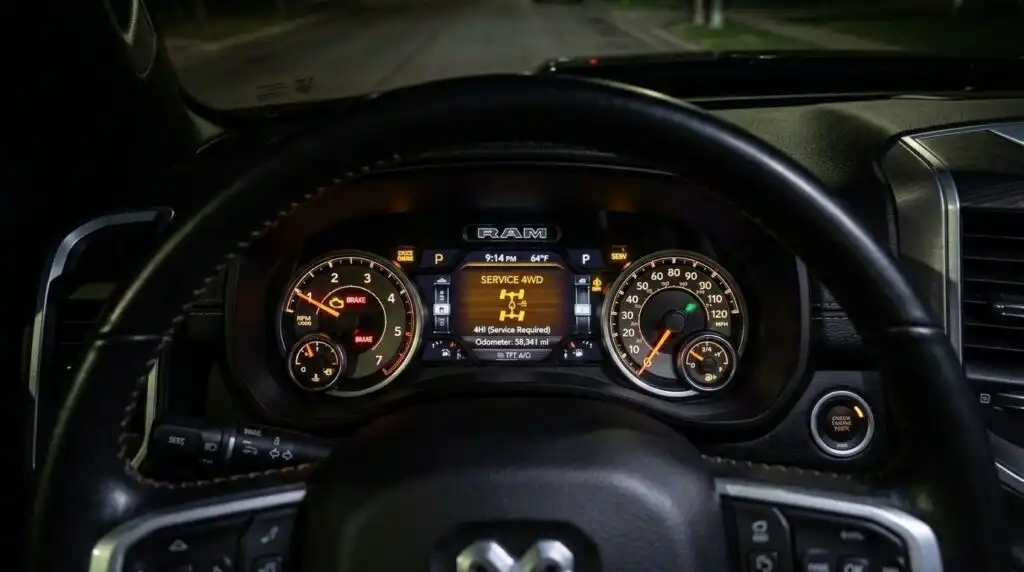
Those same symptoms can also point to wiring faults, vacuum leaks, damaged disconnect components, or internal transfer case problems. Do not assume the actuator is the culprit without checking the rest of the system first.
Replacement part prices for simpler axle actuators typically run around $30 to $120. More complex units and certain OEM-style applications can climb into the $150 to $400 range, with labor costs adding more if skid plates or tight packaging slow down access.
Installation Tips That Prevent Common Mistakes
A few simple checks before and during the job will save you from the most common errors that lead to returns, comebacks, and repeat repairs.
- Hold the new part next to the old one and compare the connector, shaft length, bolt pattern, and indexing marks before removing anything. That one step prevents most returns.
- Disconnect the battery if the service procedure calls for it, raise and support the vehicle safely, and remove only the shields or splash panels you actually need to move.
- Unplug the connector and inspect it for bent pins, seal damage, or oil contamination before installing the new part.
- Replace any included gaskets or seals and torque the fasteners to spec.
- While the area is open, inspect the harness and any vacuum lines nearby because a new actuator will not fix a split line or a rubbed-through wire.
- Test 2HI, 4HI, and 4LO after the job is done.
- Avoid forcing the shift mode repeatedly when the actuator will not engage because continued cycling can strip gears, overheat the motor, or leave the system stuck between modes.
When Does a 4WD Actuator Need Programming or Relearning?
Not every 4WD actuator requires programming. Many axle actuators and hub systems are plug-and-play once the mechanical and electrical issues are corrected. Programming or relearning is more likely when the actuator is part of a closed-loop servo system. The module needs to know the actuator’s home position, travel limits, and feedback characteristics.
Examples can include GM BW 44-44, BW 44-46, NVG246, and NP8 AutoTrac units; Ford BW 44-05 and BW 44-06 units; and some Jeep or Chrysler NV/NVG units with Hall-effect encoders.
On applications that require a relearn, the transfer case control module (TCCM) stores learned index positions for 2H, 4H, 4A, or 4L. A new motor or a motor installed out of alignment can require a reset or relearn so the module does not drive past mechanical stops.
Without calibration, symptoms can include a Service 4WD message, flashing mode lights, being stuck in 4LO or neutral, or harsh clunks from overshooting the detent.
Choosing the Right Replacement Actuator
Buyers generally choose from three tiers. Budget units work well for older daily drivers where price is the main concern. Mid-tier direct-fit units tend to offer the best value for most owners because they balance cost, fitment accuracy, and expected service life. OEM-branded or premium equivalents make the most sense for harder installs or vehicles that tow regularly, see heavy winter use, or spend time off-road.
When it is time to order, CarParts.com carries a broad range of replacement actuators, transfer case actuators, and front axle actuators with fitment tools that filter by your exact vehicle details, which makes it easier to confirm you are getting the right part before anything ships.
Keep Reading: Related Posts





Any information provided on this Website is for informational purposes only and is not intended to replace consultation with a professional mechanic. The accuracy and timeliness of the information may change from the time of publication.