Need car parts? Select your vehicle
Reading Time: < 1 minute

Summary

  • The fuel line typically runs from the fuel pump up to the fuel rail, depending on the vehicle. From there, another line connects to the engine.

  • Most fuel lines are made from materials like steel, nylon tubing, or fuel-resistant rubber.

  • Before removing your vehicle’s fuel line, it’s important to relieve pressure in the fuel system first. Most (if not all) modern vehicles use fuel injection, which can cause fuel to spray everywhere if the pressure isn’t relieved.

fuel line
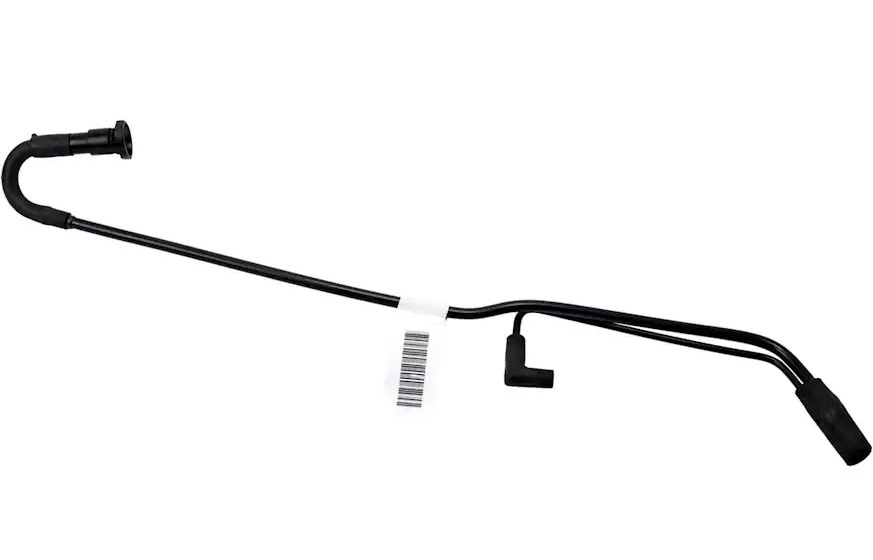
A replacement fuel line

The fuel line typically runs from the fuel pump up to the fuel rail, depending on the vehicle. From there, another line connects to the engine.

Most fuel lines are made from materials like steel, nylon tubing, or fuel-resistant rubber. Aside from supplying fuel to the throttle body, fuel pump, or carburetor, fuel return lines also return excess fuel and vapors to the fuel tank.

Tips On How to Access the Fuel Line

Before removing your vehicle’s fuel line, it’s important to relieve pressure in the fuel system first. Most (if not all) modern vehicles use fuel injection, which can cause fuel to spray everywhere if the pressure isn’t relieved.

, P0442 Code: Evaporative Emission Control System Leak Detected (Small Leak)

Pro Tips are nuggets of information direct from ASE-certified automobile technicians working with CarParts.com, which may include unique, personal insights based on their years of experience working in the automotive industry. These can help you make more informed decisions about your car.

Pro Tip: You also need to know how the fuel line disconnects or you may break something that is very expensive to replace, so be very, very careful.

To do this, pull the fuel pump fuse or relay while the engine is running. This will cause the engine to shut down after a few seconds and eventually depressurize the fuel system. 

Also, don’t forget to disconnect the battery’s negative terminal to avoid unwanted electric sparks while working.

About The Authors
Written By Automotive and Tech Writers

The CarParts.com Research Team is composed of experienced automotive and tech writers working with (ASE)-certified automobile technicians and automotive journalists to bring up-to-date, helpful information to car owners in the US. Guided by CarParts.com's thorough editorial process, our team strives to produce guides and resources DIYers and casual car owners can trust.

Reviewed By Technical Reviewer at CarParts.com

Richard McCuistian has worked for nearly 50 years in the automotive field as a professional technician, an instructor, and a freelance automotive writer for Motor Age, ACtion magazine, Power Stroke Registry, and others. Richard is ASE certified for more than 30 years in 10 categories, including L1 Advanced Engine Performance and Light Vehicle Diesel.

Any information provided on this Website is for informational purposes only and is not intended to replace consultation with a professional mechanic. The accuracy and timeliness of the information may change from the time of publication.

File Under : Engine , Auto Repair , DIY Tagged With :
CP Mobile App
Subscribe
Notify of
guest
0 Comments
Oldest
Newest Most Voted
Inline Feedbacks
View all comments
expand_more
CarParts.com Fix-It-Forum BE PART OF OUR COMMUNITY: Share your knowledge & help fellow drivers Join Now