A wheel bearing is the component that connects your vehicle’s wheel to the axle and lets it spin smoothly with minimal friction. When it starts to fail, it usually announces itself first through sound—most often a growling, humming, or rumbling noise that tracks with your wheel speed. So how do you know if a wheel bearing is bad? The clearest early clue is this noise, followed by symptoms like steering vibration and play. Ignoring it is risky: a severely damaged wheel bearing can loosen the wheel/tire assembly and cause you to lose control of your vehicle.

Quick Answer
- Definition: A wheel bearing connects the wheel to the axle and reduces friction so the wheel rotates smoothly.
- What it affects: Wheel rotation, steering feel, tire wear, braking behavior, and the ABS system.
- How serious it is: Serious. It’s unsafe to drive with a bad wheel bearing, and in extreme cases the wheel can come off entirely.
- Common symptoms: Growling/humming/rumbling (sometimes high-pitched) noise, steering vibration, play in the steering, uneven tire wear, side pull when braking, and an activated ABS light.
- What to do first: Turn off the radio and listen for a speed-dependent noise, note whether it changes when you steer, and have a mechanic inspect the wheel as soon as possible.
- Can you keep driving / is it safe: No. Replace faulty bearings right away.
- Typical cost: Roughly $10 to $660 for a replacement, depending on your vehicle’s year, make, and model (more for luxury cars).
What Does a Bad Wheel Bearing Sound Like?
Unusual noise from the wheel is often the first sign of a failing wheel bearing. The sound of a bad wheel bearing is commonly described as growling, humming, or rumbling, and in some cases it can be high-pitched.
Key traits of a failed wheel bearing noise:
- It’s typically in sync with the rotation of your vehicle’s tires.
- It often gets noticeably louder as your vehicle accelerates.
- It might change depending on which way you turn the steering wheel.
It’s easy to miss this symptom if you usually drive with loud music on, but the moment you turn the radio off, the noise tends to become obvious from behind the wheel. It helps to know how to identify wheel bearing noise and separate it from other sounds your car makes.
Note that these sounds don’t always mean the bearing is at fault. Cupped tires and other wheel hub issues can produce similar noises, which is why a grinding noise while driving is worth investigating rather than assuming the cause.
What Are the Other Symptoms of a Bad Wheel Bearing?
Beyond noise, here are the signs you might notice:
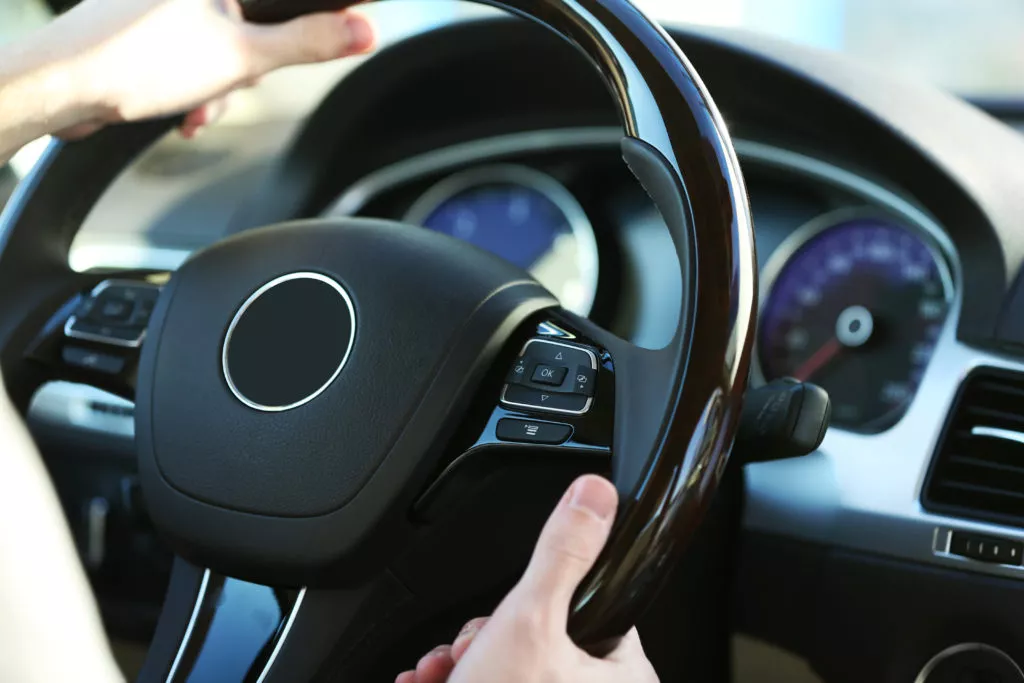
Steering Wheel Vibration
A failing wheel bearing can make the steering wheel feel rough and cause excessive vibration when accelerating or cornering. If you feel shaking specifically under braking, this might point to one of several reasons yourcar shakes when braking.
Play (Looseness) in the Steering
You might notice looseness or excessive play in the steering wheel, which often becomes more obvious on rough roads. Because steering issues can stem from more than one worn component, it’s best to have an auto repair shop diagnose it.
Uneven Tire Wear
Tires wear naturally over time, but uneven wear can also come from faulty wheel hub components, such as loose bearings causing misalignment. Since suspension problems can cause the same thing, let a mechanic rule out other parts.
Side Pull When Braking
A faulty wheel bearing can make your vehicle pull to one side when you brake. However, brake components can cause this too. For example, a defective caliper or a worn-out rotor might create similar behavior. If you don’t have the tools or knowledge to isolate the cause, have a mechanic troubleshoot it.
Activated ABS Warning Light
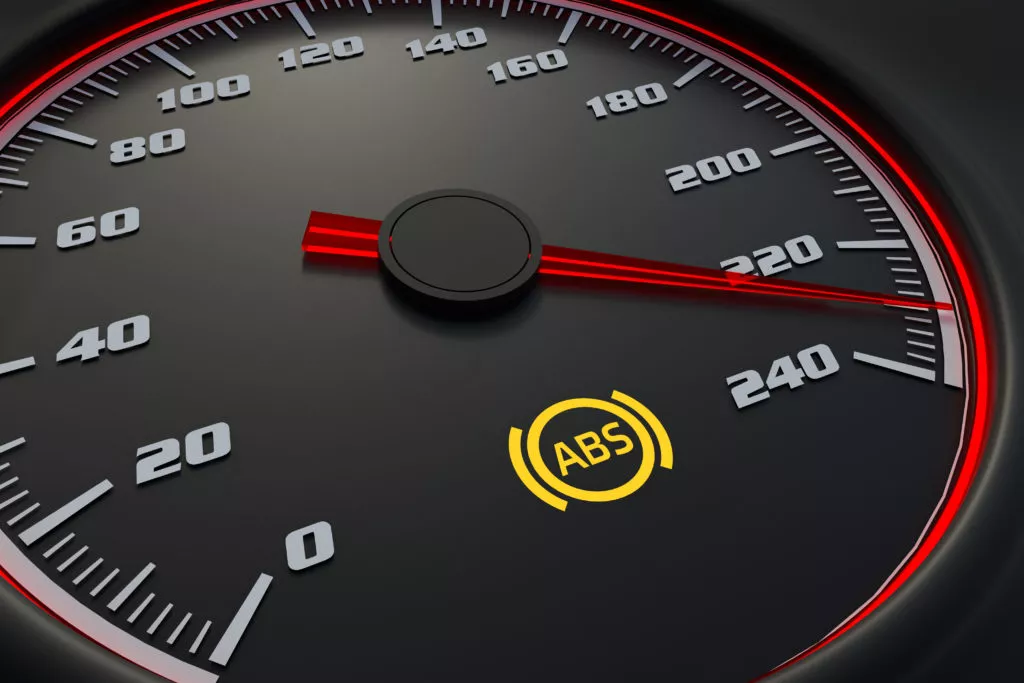
Your vehicle’s anti-lock braking system (ABS) light can turn on with a bad wheel bearing, because in some vehicles theABS sensor or encoder ring is built into the wheel hub assembly. Whatever the cause, don’t ignore a warning light. Get your vehicle checked promptly.
What Is a Wheel Bearing?
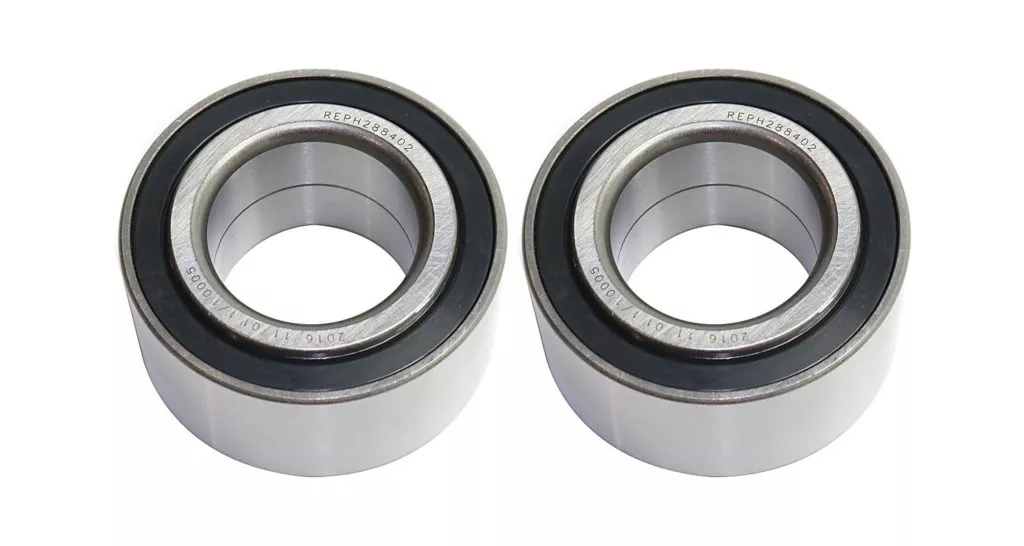
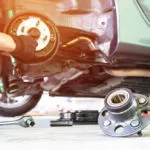
Wheel bearings connect the wheels to theaxle, making them a crucial part of the wheel hub assembly, and they minimize friction so the wheels rotate smoothly. They’re usually held together by a metal ring. Most modern vehicles use single wheel hub assemblies that integrate the hub and bearing, though in some vehicles these are two separate parts. The exact structure depends on your vehicle’s year, make, and model, which also influences how much awheel bearing replacement costs.

How Long Do Wheel Bearings Last?
In an ideal scenario, wheel bearings can last roughly 85,000 to 100,000 miles. That’s only an estimate, though, because bearing quality and your driving habits both affect their lifespan.
What Causes a Wheel Bearing to Fail?
Wheel bearings are durable but not invincible. Possible causes of wear and failure include the following:
- Road conditions: Driving over potholes and speed bumps, or repeatedly bumping tall curbs, can wear bearings faster. You can’t change the roads, but you can deliberately drive slowly over rough spots.
- Contamination: Bearings have a seal that guards against water, mud, and road salt. If contaminants get past the seal, they can foul the grease and damage the bearing.
- Oversized custom wheels and tires: OEM bearings are designed for specific loads. Bigger, wider, heavier tires can exceed this rating and cause faster wear, so account for load capacity and specifications when choosing custom wheels.


How Do You Confirm It’s the Wheel Bearing and Not the Tires?
Since bad-bearing noise and tire noise sound similar, two simple checks can help you tell them apart:
- Change road surfaces. If the noise changes across different surfaces, it’s likely the tires. If the sound stays the same, it’s more likely the wheel bearings.
- Temporarily overinflate the tires. If the wheels make the same sound while driving, the noise is likely coming from the bearings. Only add a small amount of air above the recommended pressure for this quick test, then return the tires to the pressure listed on the driver’s door jamb sticker. Overinflating well beyond spec is unsafe.
Have the vehicle checked by a mechanic as soon as you notice unusual wheel noise. Even if the bearing isn’t the culprit, it’s better to be cautious and confirm the wheels are in top condition.
Is It Safe to Drive With a Bad Wheel Bearing?
No. Driving with a bad wheel bearing is dangerous. Severely worn bearings can make the brake rotors wobble, reducing brake performance. The tire assembly can loosen, which can cause you to lose control, and in extreme cases the wheel might come off completely. Have a mechanic inspect your vehicle as soon as any of the symptoms above appear, and replace faulty bearings promptly, since a failing bearing can also lead to bad wheel hub symptoms.
How Much Does It Cost to Replace a Wheel Bearing?
Cost varies by your vehicle’s year, make, and model, but a wheel bearing replacement generally runs anywhere from $10 to $660. Luxury vehicles typically cost more because their parts tend to be more expensive.
FAQs
A failing wheel bearing usually makes a growling, humming, or rumbling sound, and sometimes a high-pitched one. The noise is typically in sync with tire rotation and often grows louder as you accelerate.
Listen for a speed-dependent noise with the radio off, and check whether it changes when you steer left or right. Also watch for steering vibration, play in the steering, uneven tire wear, side pull when braking, or an ABS light. Because these signs overlap with other problems, confirm with a mechanic.
Steering shifts your vehicle’s weight onto different wheels, so a bad bearing’s noise can get louder or quieter depending on the direction you turn. A noise that changes with steering is a common clue that a wheel bearing is involved.
Yes. Cupped tires and other wheel hub issues can sound similar. If the noise changes across road surfaces it’s likely the tires. If it stays constant, it’s more likely the bearing.
No. A bad bearing can reduce braking performance, loosen the wheel assembly, and cause loss of control, and in extreme cases the wheel can detach. Inspect and replace it right away.
Wheel bearings can last approximately 85,000 to 100,000 miles under ideal conditions. Bearing quality and driving habits can shorten this.
Rough road conditions (potholes, speed bumps, tall curbs) and contamination from water, mud, and road salt that gets past the seal are common culprits. Oversized custom wheels and tires can also overload OEM bearings and wear them faster.
Yes, in some cases. OEM bearings are rated for specific loads, so heavier or wider aftermarket tires can exceed that rating and shorten bearing life. Check your bearings’ load capacity before upgrading.
Yes. In some vehicles the ABS sensor or encoder ring is integrated into the wheel hub assembly, so a failing bearing can trigger the ABS warning light.
Expect roughly $10 to $660 depending on your vehicle’s year, make, and model. Luxury vehicles usually cost more.
When To Get Professional Help
Have a mechanic check your vehicle as soon as you notice any of these symptoms, such as unusual wheel noise, steering vibration or play, uneven tire wear, side pull when braking, or an ABS light. Many of these signs can be caused by more than one component, so professional diagnosis prevents you from replacing the wrong part. If a wheel bearing is making noise and you also feel wobble, looseness, or grinding at the wheel, treat it as urgent and avoid driving until it’s inspected, as these can indicate advanced failure.
Where To Get New Wheel Bearings for Your Vehicle
Driving with bad wheel bearings puts you and your passengers at risk, but quality replacements don’t have to be expensive. At CarParts.com you can choose from a wide selection of competitively priced wheel bearings from leading brands, all put through stringent quality control. Use our vehicle selector to narrow the catalog to compatible bearings, then filter by brand, price, and other preferences. Round-the-clock customer service is available by toll-free hotline if you have questions. Get your wheel bearing today.
Keep Reading: Related Posts



Any information provided on this Website is for informational purposes only and is not intended to replace consultation with a professional mechanic. The accuracy and timeliness of the information may change from the time of publication.