An EGR valve is one of the easiest parts to order wrong. Not because the part itself is complicated, but because the listing that looks right often isn’t, and the cart that looks complete usually isn’t either. Shoppers search by year, make, and model, find something that matches the thumbnail, and skip the rest. Then the part arrives with the wrong number of ports, a connector that doesn’t match, or a gasket that wasn’t included.
The better starting point is not “which EGR valve is cheapest?” It’s “what exactly needs to go in the cart for this job to be done once?”
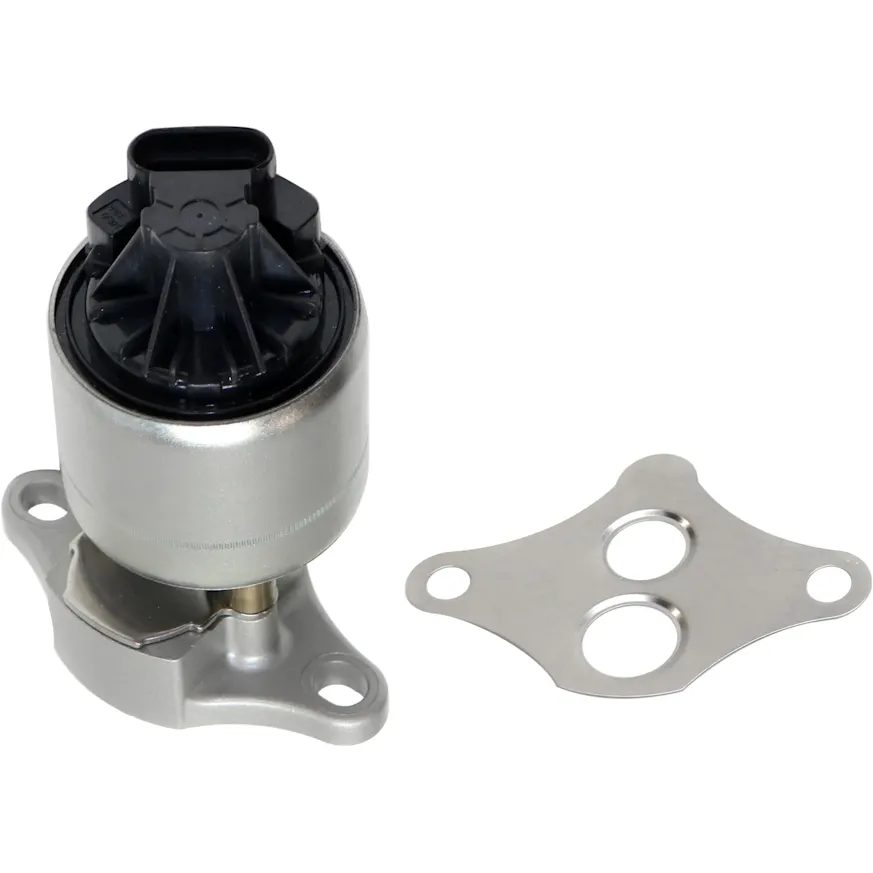
EGR valves are sold bare, with gaskets, as complete assemblies with tubes and fittings, and in configurations that vary by engine, emissions standard, and model year. Add the fact that many EGR replacements also expose corroded tubes, cracked gaskets, and carbon-packed passages, and you have a part category where an incomplete cart is almost the default outcome.
The Job in One Sentence
You are restoring metered exhaust gas recirculation to the intake to control combustion temperatures and meet emissions standards.
This sounds academic, but it matters at the counter. The EGR valve isn’t a standalone component. It’s part of a sealed circuit that, when the engine is warm and under load, meaning off idle and loaded, recirculates a metered amount of exhaust gas from the exhaust manifold through passages or tubes, into the intake manifold, and back into the combustion chambers. On some platforms and operating conditions, that amount can be about 5 percent of the intake charge.

Pro Tips are nuggets of information direct from ASE-certified automobile technicians working with CarParts.com, which may include unique, personal insights based on their years of experience working in the automotive industry. These can help you make more informed decisions about your car.
Pro Tip: The inert exhaust gas helps keep combustion chamber temperatures below the range where NOx forms, often cited around 2,500°F.
The valve is the metering device, and there is a feedback loop the ECM/PCM uses to measure EGR flow and activity, either by measuring EGR pintle position, oxygen sensor response during EGR flow, EGR temperature, or direct flow through the EGR passages, all depending on the platform. If the passages are clogged, the gaskets are blown, or the tube is cracked, a new valve alone won’t fix the code or pass the emissions test.
Most EGR valves are sold as bare units, meaning the valve body and its internal actuator or solenoid. Some EGR units will include the PFE sensor and vacuum actuator.
Some listings include a mounting gasket. Fewer include the tube assembly. Whether you need a bare valve, a valve with a gasket, or a complete assembly with a tube depends on what failed and the condition of the surrounding hardware.
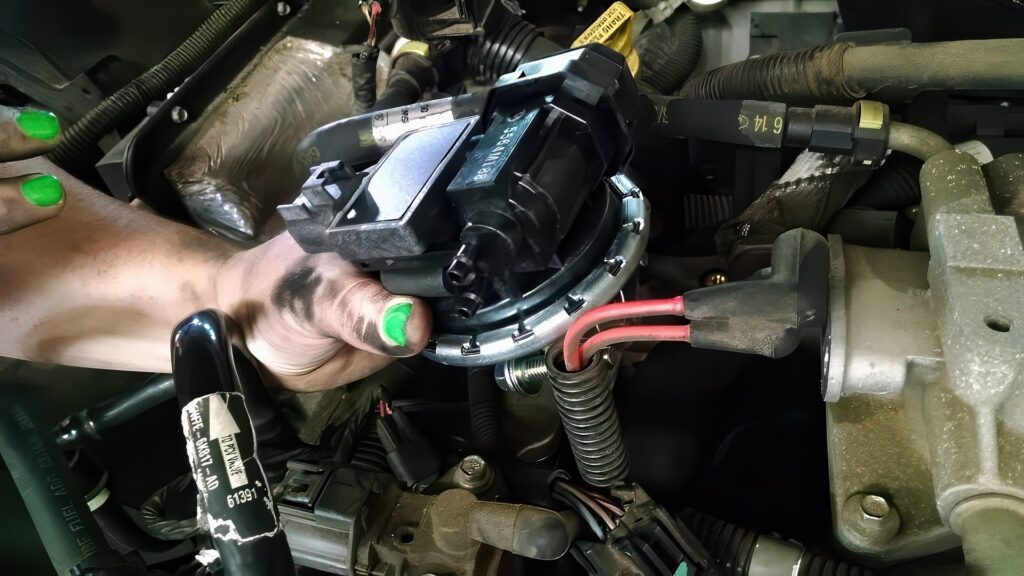
Choose Your Cart Size
1. Minimum Viable Repair
A straight swap of the EGR valve itself, with the gasket and any required hardware.
Choose it if:
- A diagnostic confirms that the valve is stuck open, stuck closed, or electrically failed
- The EGR tube and passages are clean and undamaged
- The mounting surface is flat and undamaged
- The vehicle has relatively low mileage or was recently serviced in this area
- You’re getting a P0401 code and diagnosis confirms the valve is the problem, not clogged passages. If the EGR passages are clogged, you may not need to replace the EGR valve. Clear the passages first and retest. This is more common than you might think.
Typical cart:
- EGR valve (confirm gasket inclusion or add separately)
- EGR valve gasket, if not included
- Throttle body cleaner or intake cleaner for carbon deposits around the port
2. Smart Same-Access Refresh
Replace the valve and address the most common related failure points while the area is already apart.
Choose it if:
- The EGR tube shows corrosion, scaling, or hairline cracks
- Carbon buildup is heavy in the EGR passages or around the valve port
- Your vehicle has moderate to high mileage
- You want to avoid pulling the intake again for a related failure in six months
Typical cart:
- EGR valve with gasket
- EGR tube or pipe, if applicable to the system
- EGR tube gaskets, exhaust-side and intake-side
- Intake manifold gasket set, if the intake must come off for access
- Throttle body cleaner
- New mounting bolts or studs if originals are corroded or stretched
3. High-Mileage / Do-It-Once Reset
A full refresh of the EGR circuit and adjacent sealing surfaces for a vehicle you plan to keep.
Choose it if:
- Your vehicle is above 120,000 miles
- Multiple EGR-related codes are present
- The EGR cooler, tube, and valve all show age
- You’re already pulling the intake manifold for access
- The vehicle must pass emissions testing in a strict state
Typical cart:
- EGR valve with gasket
- EGR tube or pipe with all associated gaskets
- EGR cooler (if equipped and showing signs of degradation or coolant weeping)
- Intake manifold gaskets
- Exhaust manifold-to-tube gasket
- New mounting hardware
- Coolant (if the EGR cooler is liquid-cooled)
- Throttle body cleaner and intake cleaner
- DPFE sensor or EGR pressure feedback sensor, if applicable and showing drift
What Is Commonly Ordered Together on This Job
Sealing Items
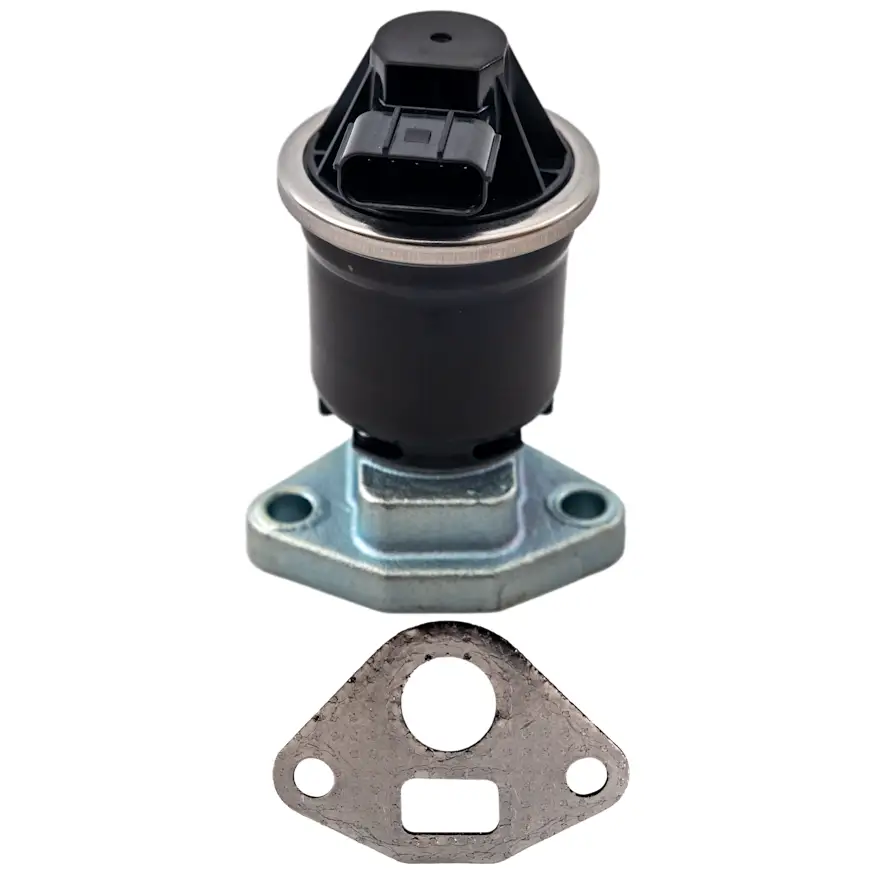
EGR valves seal against hot exhaust gas. The mounting gasket between the valve and its mounting surface is the most commonly missed item in the cart. Some valve listings include a gasket but many do not. If the listing says “gasket not included” or is silent on the matter, order one separately. If the system uses an EGR tube, that tube has its own gaskets at both ends, and these are almost always sold separately.
Hardware and Fasteners
Mounting bolts and studs in the EGR area live in an exhaust-gas environment. They corrode, seize, and snap. On high-mileage vehicles, plan for at least one broken stud. Having replacement bolts or a stud extraction plan ready prevents a parts-run mid-job.
Fluids and Consumables
Throttle body cleaner or dedicated intake cleaner is used to remove carbon from the EGR port, passages, and valve seat area. This is a standard part of the job, not optional detailing. If the EGR cooler is being replaced on a system that uses engine coolant for cooling, add the correct coolant type and volume for a partial refill and bleed.
Sensors and Electrical Items
Many EGR systems include a separate pressure feedback sensor, commonly called a DPFE or delta-pressure feedback sensor on Ford applications, or an EGR position sensor on others. If the diagnostic points to sensor drift or if the sensor is original on a high-mileage vehicle, replacing the EGR pressure feedback sensor while the area is accessible avoids a second visit to the same zone. Some EGR valves have an integrated sensor or solenoid. Confirm whether the replacement valve includes the same electrical provisions as the original. If the system uses a separate EGR vacuum solenoid, test it before adding parts to the cart.
EGR Tube or Pipe
On many V-configuration engines, the EGR tube runs from the exhaust crossover or exhaust manifold to the valve. These tubes corrode, crack at bends, and develop pinhole leaks that cause codes and rough running. If the tube is accessible during the valve replacement, inspect it. If it shows any scaling, discoloration, or flex at a joint, order the replacement tube and its gaskets.
Full Assembly vs. Bare Valve
Some listings offer a complete EGR assembly that includes the valve, tube, and associated gaskets as a single unit. Others sell only the bare valve body. Know which one you’re ordering. A bare valve for a system that needs the full assembly leaves you short. An assembly when you only need the valve costs more than necessary.

What People Forget Until Their Vehicle Is Already Apart
Most EGR-related surprises happen after the first bolt comes out. Run through this list before you order.
- Does the replacement valve include the mounting gasket, or do you need to order it separately?
- Does your vehicle’s system use an EGR tube, and have you checked its condition?
- Are the mounting bolts or studs in good enough shape to reuse, or will they snap on removal?
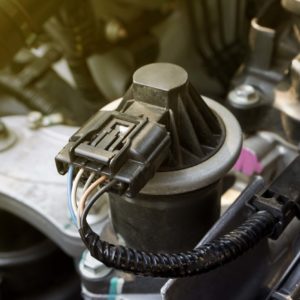
- Does the valve connector match your harness? Pin count, connector shape, and locking tab style vary by year and engine.
- Is there a separate EGR pressure feedback sensor or position sensor that should be tested or replaced at the same time?
- If the intake manifold must come off for access, do you have the intake gaskets on hand?
- Does the replacement valve have the same number and position of vacuum ports or solenoid connectors as the original?
- Have you confirmed whether your vehicle requires a CARB-compliant valve or a federal-emissions valve?
- Is coolant involved? Some EGR cooler replacements require a partial drain and refill.
- Do you have a way to clean the EGR passages in the intake manifold before installing the new valve?
When Replacing Only the EGR Valve Is False Economy
If the valve failed electrically or mechanically and the rest of the system is clean, tight, and undamaged, replacing only the valve is completely reasonable. Not every EGR job needs to be a full system overhaul.
But for vehicles with heavy carbon buildup, high mileage, or a history of EGR codes, replacing only the valve is often just the first chapter of a longer story. Carbon-packed passages restrict flow regardless of whether the valve opens correctly. A cracked or corroded EGR tube leaks exhaust gas and throws the same codes the new valve was supposed to fix. A drifting DPFE sensor sends bad feedback to the PCM even after the valve is brand new.
The labor overlap is the key issue. For many engines, accessing the EGR valve means removing intake components, heat shields, or wiring harnesses. If the tube, cooler, or sensor is going to fail in the next year, you’ll be right back in the same area doing the same disassembly. The cost of the additional parts is often a fraction of the cost of the repeated labor.
The honest question is: if I’m already in here, what else is on borrowed time? If the answer is nothing, a bare valve swap is fine. If the answer is “the tube looks rough and the sensor is original at 140,000 miles,” those items belong in the cart now.
The Fitment Splits That Break EGR Valve Orders
Engine Differences
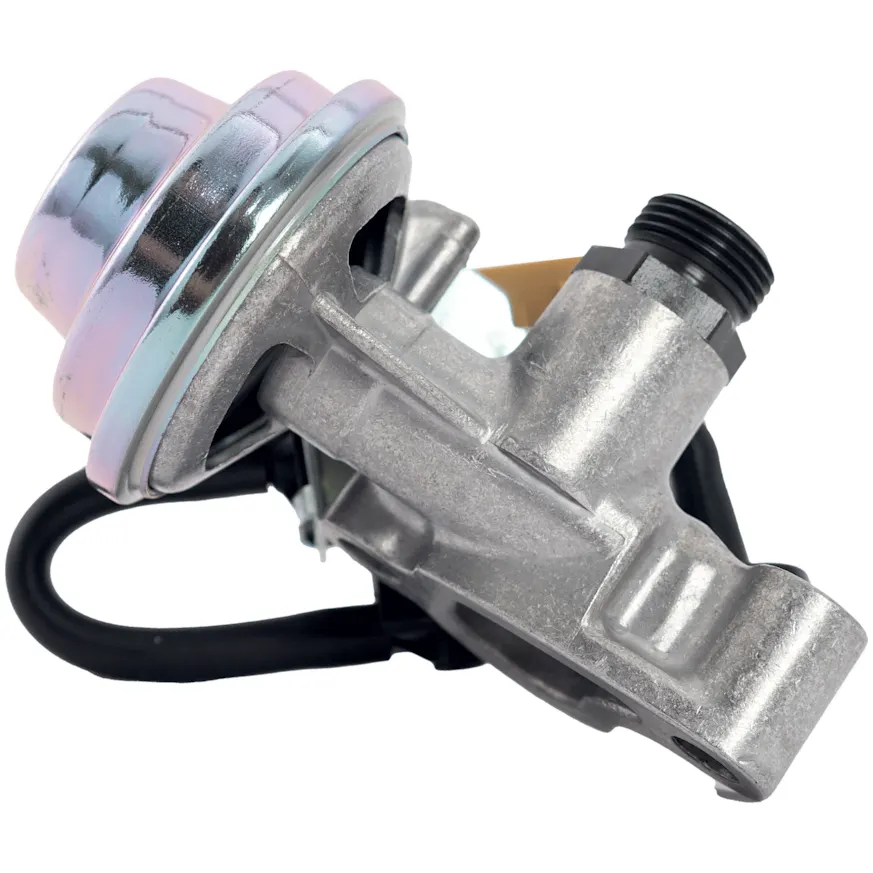
This is the most common source of wrong-part EGR orders. The same vehicle sold with two or three engine options will often use completely different EGR valve designs. Port count, mounting orientation, connector type, and actuator style can all change between the four-cylinder and the V6 in the same model year. Always confirm the exact engine, not just the vehicle.
Emissions Standard: Federal vs. CARB
Vehicles sold in California and states that follow California emissions standards may require a CARB-compliant EGR valve. Federal-spec and CARB-spec valves for the same engine can differ in flow calibration, sensor provisions, or internal porting. If your vehicle was originally sold in a CARB state or currently needs to pass testing in one, confirm which specification applies.
Connector and Port Count
EGR valves can use vacuum-operated actuators, single-solenoid electric actuators, or multi-pin electronic actuators depending on the engine management system. A valve with the right bolt pattern but the wrong connector type won’t work. Count the pins and compare the connector shape to the original before ordering.
Assembly vs. Bare Component
Some listings labeled “EGR valve” include only the valve body. Others include the valve, gasket, and tube as an assembly. For certain applications, the valve and tube are sold only as a combined unit and aren’t available separately. Confirm what the listing actually includes and whether your application requires the combined assembly.
Production-Date or Model-Year Split
Some EGR valve applications change midyear. A 2004 model built before a specific production date may use a different valve than one built after. If the listing notes a build-date split, check the tag on the driver’s door jamb or the eighth digit of the VIN.
Delivery-Day Inspection Checklist
Before tearing into your vehicle, unbox the new EGR valve and compare it to the original or to photos you took during diagnosis. Check for the following:
- Bolt-hole pattern and spacing match the original mounting surface
- Connector type, pin count, and locking-tab orientation match the vehicle harness
- Number and position of vacuum ports or fittings match the original valve
- Gasket is included if the listing specified it, or a separately ordered gasket matches the valve face
- Exhaust inlet and outlet openings match the size and position of the original
- Overall physical dimensions and shape are consistent with the original
- Mounting flange is flat, with no casting flash or shipping damage blocking the seal surface
- Any included tube or pipe matches the routing geometry of the original
- Packaging is undamaged and all listed components are present
Your One-Job Order Sheet for an EGR Valve
1. Confirm Your Vehicle
Lock in the year, make, model, engine, and emissions standard. On vehicles with multiple engine options, the engine is the most important variable. If the application has a known production-date split, confirm the build date.
2. Confirm the Repair Scope
Decide whether this is a bare valve swap, a valve-and-tube refresh, or a full EGR circuit reset. Base the decision on mileage, the condition of adjacent components, and whether the intake manifold is coming off anyway.
3. Confirm What the Listing Includes
Check whether the EGR valve listing includes the gasket, the tube, the sensor, or any mounting hardware. “EGR valve” can mean just the valve body or a complete assembly depending on the brand and listing.
4. Add the Consumables and Adjacent Items
Order the mounting gasket if not included. Add tube gaskets if the tube is being replaced. Add intake manifold gaskets if the manifold must be removed for access. Include throttle body or intake cleaner. Add coolant if the EGR cooler is part of the job.
5. Address Hardware and Sensors
If your vehicle has high mileage or the fasteners are in an exhaust-gas environment, have replacement bolts or studs available. If the DPFE or EGR pressure sensor is original and suspect, add it to the cart now.
6. Bench-Check Before Teardown
When the part arrives, compare it to the original. Match the bolt pattern, connector, port count, and physical dimensions before removing anything from the vehicle.
7. Choose the Right Ownership Logic
A bare valve swap is fine when the rest of the system is healthy. A same-access refresh is smart when the tube and gaskets are aging. A full reset makes sense when your vehicle is high-mileage and you’re already deep into the intake. Match the cart to the plan, not the other way around.
The Smart Way To Shop EGR Valves
The cheapest EGR valve in the search results isn’t always the wrong choice, but it’s always the wrong starting point. The right starting point is the job scope: what failed, what’s exposed, what’s on borrowed time, and what needs to be in the box when the parts arrive.
An EGR valve order that accounts for engine, emissions spec, connector type, gasket inclusion, and adjacent wear items is an order that finishes the job once. An order built around the lowest thumbnail price is an order that often comes back as a second order, a second teardown, or a code that won’t clear.
Shop by repair scope. Confirm every fitment variable. Inspect the part on delivery day. This is how a one-part search becomes a one-trip repair.
Keep Reading: Related Posts





Any information provided on this Website is for informational purposes only and is not intended to replace consultation with a professional mechanic. The accuracy and timeliness of the information may change from the time of publication.