If you own a 2011, 2012, 2013, or 2014 Chevrolet Impala, keeping up with oil changes is the single cheapest thing you can do to protect a very capable V6. The tricky part is that this four-year window isn’t a single car. It covers two engine generations, a mid-run switch to a direct-injection V6, and a 2014 model year that briefly sold two completely different Impalas at the same time. Get the oil type, viscosity, and capacity right for your specific engine and the rest of maintenance falls into place. This guide breaks it all down, then points you to the filters, fluids, and parts you need to do the job.
What Oil Does a 2011–2014 Chevy Impala Take?
| Model Year | Engine | Viscosity | Specification | Capacity (with filter) |
| 2011 | 3.5L V6 / 3.9L V6 | SAE 5W-30 | GM dexos1 | 4.0 qts (both engines) |
| 2012–2013; 2014 Impala Limited | 3.6L V6 (LFX) | SAE 5W-30 | GM dexos1 | 6.0 qts |
| 2014 redesigned Impala | 3.6L V6 (LFX) | SAE 5W-30 | GM dexos1 | 6.0 qts |
| 2014 redesigned Impala | 2.4L four-cylinder with eAssist | SAE 5W-30 | GM dexos1 | 5.0 qts |
| 2014 redesigned Impala | 2.5L four-cylinder | SAE 5W-20; SAE 0W-20 permitted as an alternative | GM dexos1 | 5.0 qts |
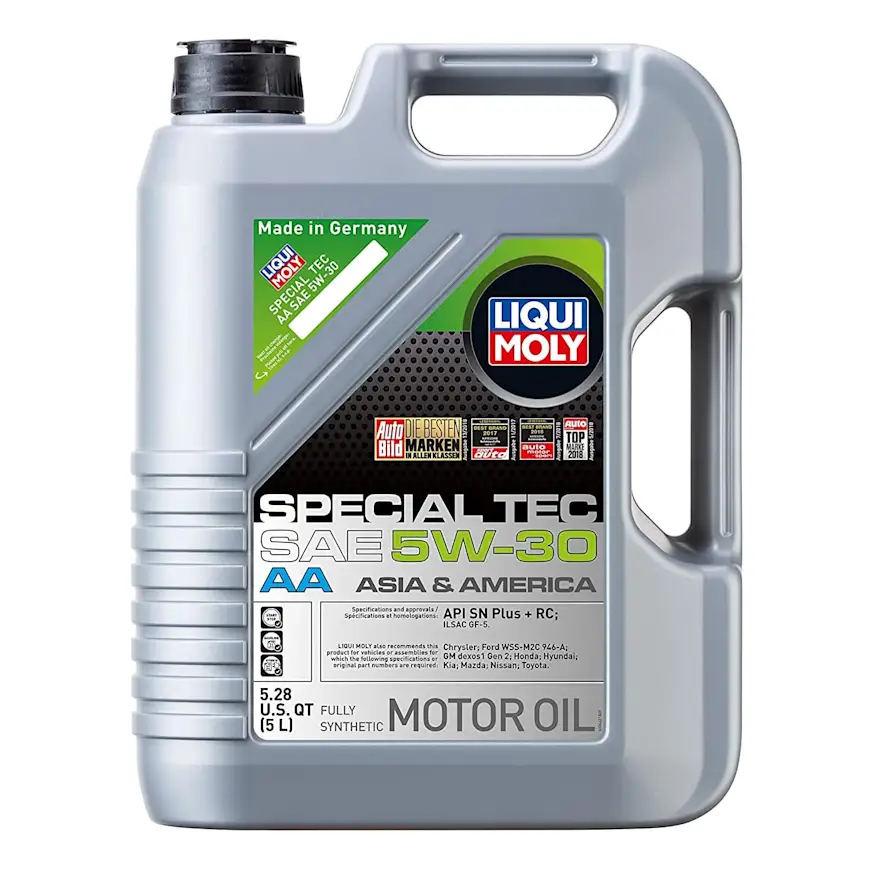
Chevrolet specifies SAE 5W-30 engine oil for the V6 engines and the 2014 2.4L eAssist engine. The redesigned 2014 Impala’s 2.5L four-cylinder calls for SAE 5W-20, with SAE 0W-20 permitted as an alternative. The 5W rating keeps the oil thin enough to flow at cold startup, while the 30 rating keeps it protective once the engine reaches operating temperature, which makes 5W-30 a safe all-season choice in most American climates. But make sure you aren’t fooled by the label on the oil container. Be very careful to get the right oil for your engine.
Specification is just as important as viscosity. These engines call for oil that meets the GM dexos1 standard. Current dexos1 Gen 3 oils are backward compatible; choose the viscosity specified for your engine. Don’t think all synthetic oils are created equal. They aren’t. Look for the dexos certification mark on the bottle
From the 2011 model year forward, full synthetic oil in the viscosity specified for your engine is the smart default because it resists heat, sludge, and breakdown far better than conventional oil, and it is a near-requirement for the direct-injected 3.6L V6 found in 2012 and newer cars. If your Impala has crossed roughly 75,000 miles, a high-mileage formulation in the specified viscosity adds seal conditioners that help older engines hold oil pressure and reduce weeping.

Oil Capacity by Year and Engine
This is where the details matter, because oil capacity changed with the engine. Always confirm your engine by its VIN or owner’s manual before you buy oil, but here’s the practical breakdown:
- 2011 Chevrolet Impala: The 2011 car used the older port-injected V6 family: a 3.5L V6 and a 3.9L flex-fuel V6, both paired with a 4-speed automatic. Each holds roughly 4 quarts of 5W-30 with a filter change. So when shoppers ask about oil for a 2011 Impala or how many quarts a 2011 Impala takes, about 4 quarts is the answer for these engines.
- 2012 and 2013 Chevrolet Impala: For 2012, Chevrolet dropped both older V6s and made the 3.6L LFX V6 standard across the lineup, matched to a 6-speed automatic. This direct-injection engine holds 6 quarts of 5W-30 full synthetic with a filter change. This covers the most common questions of all, including oil for a 2012 Chevy Impala and what oil a 2012 Impala takes: 6 quarts ofdexos1 5W-30 synthetic. The 2013 Impala with the same 3.6L is identical.
- 2014 Chevrolet Impala (redesigned tenth generation): The all-new 2014 Impala offered three powertrains. The 3.6L V6 again holds 6 quarts. The 2.5L four-cylinder holds about 5 quarts. The 2.4L four-cylinder with eAssist mild-hybrid assist also holds about 5 quarts. The 3.6L and 2.4L use dexos1 5W-30; the 2.5L uses dexos1 5W-20, with 0W-20 permitted as an alternative.
The 2014 “Two Impalas” Question
Here’s the detail that trips up thousands of owners and parts shoppers. For 2014, Chevrolet sold the fully redesigned Impala to the public while continuing to build the previous-generation body as the “Impala Limited,” largely for rental and fleet buyers. They look different, they ride on different platforms, but both wear a 2014 badge.
If your 2014 car is the older-looking Impala Limited, it uses the 3.6L LFX V6 and takes 6 quarts of 5W-30 synthetic, just like a 2012 or 2013 model. If it is the newer, larger redesigned Impala, match your capacity to the 2.5L, 2.4L, or 3.6L engine as listed above. When in doubt, decode the eighth digit of your VIN to confirm the engine, then buy oil and a filter to match. Guessing between the two is the most common reason a 2014 Impala gets the wrong amount of oil.
How Often Should You Change the Oil?
For 2011 to 2014 Impalas, follow the GM Oil Life System and change the oil and filter at least every 12 months. When CHANGE ENGINE OIL SOON appears, change them as soon as possible, within the next 600 miles. Severe-service driving, meaning lots of short trips, towing, extreme cold, or dusty conditions, shortens this interval, and many owners of the direct-injected 3.6L choose to change closer to every 5,000 miles for peace of mind.
Your Impala also does the math for you through the GM Oil Life System, which watches engine conditions and displays a CHANGE ENGINE OIL SOON message when it is time. After every oil change you must reset it, or it will keep counting from the wrong point. On most 2011–2014 cars you can reset it two ways: turn the ignition to ON without starting the engine, then fully press the accelerator pedal three times within five seconds. Alternatively, scroll the Driver Information Center to OIL LIFE REMAINING and hold the check or reset button until it returns to 100 percent. Either way, verify the message is gone when you restart.

Pro Tips are nuggets of information direct from ASE-certified automobile technicians working with CarParts.com, which may include unique, personal insights based on their years of experience working in the automotive industry. These can help you make more informed decisions about your car.
Pro Tip: Keep track of your mileage and the date of your last oil change. The system estimates oil life; it doesn't directly test oil condition or replace regular oil-level checks. Follow the owner's manual recommendations and account for the way the car is driven.
Choosing the Right Oil Filter (and Where to Get Deals)
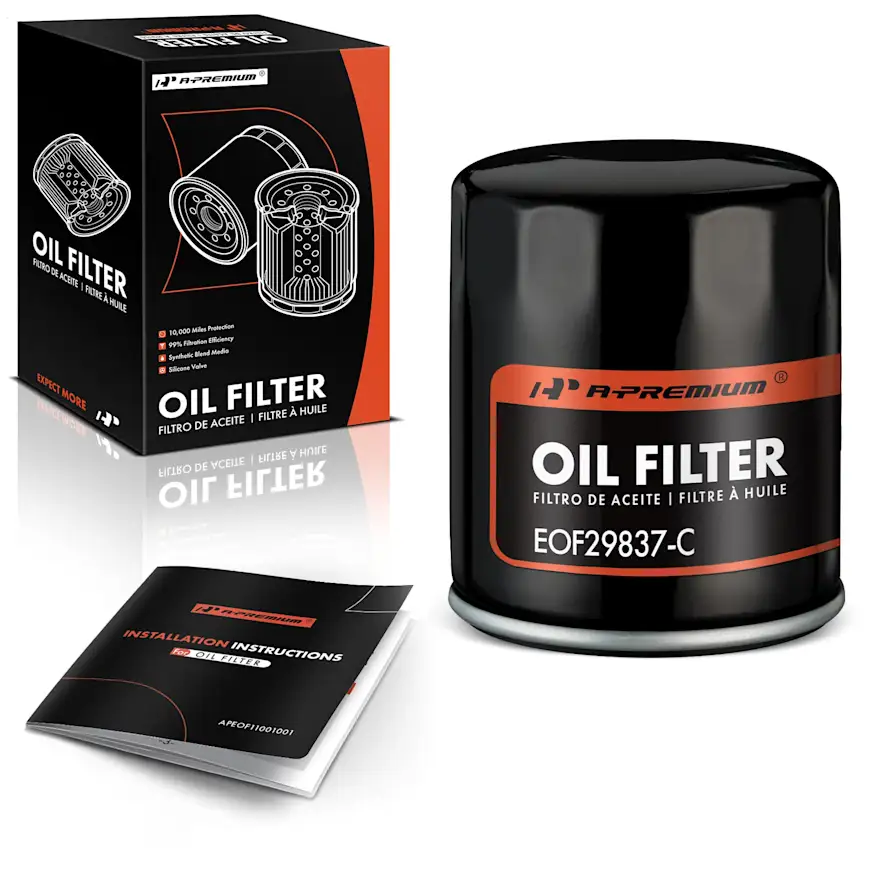
A quality oil change is only as good as the filter. The 3.6L LFX and the four-cylinder engines use specific spin-on or cartridge filters, so match the filter to your Impala’s exact engine rather than the model year alone. Buying a filter and the correct quantity of oil in the specified viscosity together, sometimes sold as an oil change kit, saves a trip and usually saves money.
Shoppers frequently ask where to find the best deals on oil filters for a 2011 Impala, or the right filter for a 2012 or 2013 Impala. CarParts.com is built for this: enter your car’s year, make, model, and engine, and our catalog shows only the filters that fit, with clear pricing and fast shipping. It’s a reliable, reputable source for oil filters, air filters, cabin filters, and the full oil-change supporting cast, with real fitment data instead of guesswork.
Beyond Oil: Rounding Out Impala Maintenance
Oil is the headline, but a healthy 2011–2014 Impala needs a broader maintenance rhythm. Rotate the tires and inspect the brakes at each oil change. Replace the engine air filter and cabin air filter on schedule so that the engine breathes and the cabin stays fresh. Check the coolant, transmission fluid, and brake fluid at the manufacturer’s intervals, and plan for spark plugs and a serpentine belt as the miles climb. For the direct-injection 3.6L, inspect the PCV system, including its metering orifice and hoses, when diagnosing oil consumption rather than assuming a conventional PCV valve needs routine replacement. Every one of these parts is available for your exact Impala through CarParts.com, so you can bundle a full maintenance refresh in a single order.
Pro Tips are nuggets of information direct from ASE-certified automobile technicians working with CarParts.com, which may include unique, personal insights based on their years of experience working in the automotive industry. These can help you make more informed decisions about your car.
Pro Tip: It's also wise to avoid repeatedly starting the engine and shutting it off before it reaches operating temperature. Frequent short trips can promote moisture buildup and sludge, which can ultimately damage even the best engine. After starting, drive gently as the engine warms up rather than idling until it is fully warm.
Trade-Offs and Things To Watch
No car is perfect, and honesty helps you plan. The 2011 Impala’s 3.5L and 3.9L engines are simple and durable, but the 4-speed automatic feels dated next to the 6-speed that arrived in 2012. The 2012–2014 3.6L LFX V6 is powerful and efficient, yet like most direct-injection engines it can develop intake valve deposits over the long haul, and some owners report higher-than-expected oil consumption. This is exactly why disciplined oil changes with the correct dexos1 synthetic, plus occasional PCV attention, matter so much for these cars. The upside: parts are plentiful and affordable, and routine maintenance keeps these Impalas running well past 150,000 miles.
Keep Your Impala Running Strong with CarParts.com
Whether you drive a 2011, 2012, 2013, or 2014 Chevrolet Impala, the right oil filter, air filter, PCV valve, and maintenance parts are just a few clicks away here at CarParts.com, matched precisely to your car’s year and engine. Shop with confidence knowing you’re buying from a trusted, reputable retailer that backs its car parts with clear fitment, honest pricing, and fast shipping. Enter your Impala’s details today, grab your 5W-30 filter and oil-change essentials, and give your engine the reliable maintenance it deserves.
Keep Reading: Related Posts







Any information provided on this Website is for informational purposes only and is not intended to replace consultation with a professional mechanic. The accuracy and timeliness of the information may change from the time of publication.