You may already know you need an air inject check valve. The harder part is picking the version that fits your engine and repair.
Two listings can share that name and still be built for different jobs. One bolts straight to your manifold, while another uses different port sizes.
A quick fitment check now saves you a return later. So think of this as a confidence pass before you order.
Quick Answer: How Do You Choose the Right Air Inject Check Valve?
Start by confirming your year, make, model, engine, and emissions setup. Then decide whether you need a bare valve, a pair, or a kit.
Match the inlet and outlet sizes and the connector against your old part. Some V6 and V8 engines use two valves, so check the count. Pick a brand last, once fitment and version are settled.
Start With the Vehicle, Not the Product Image
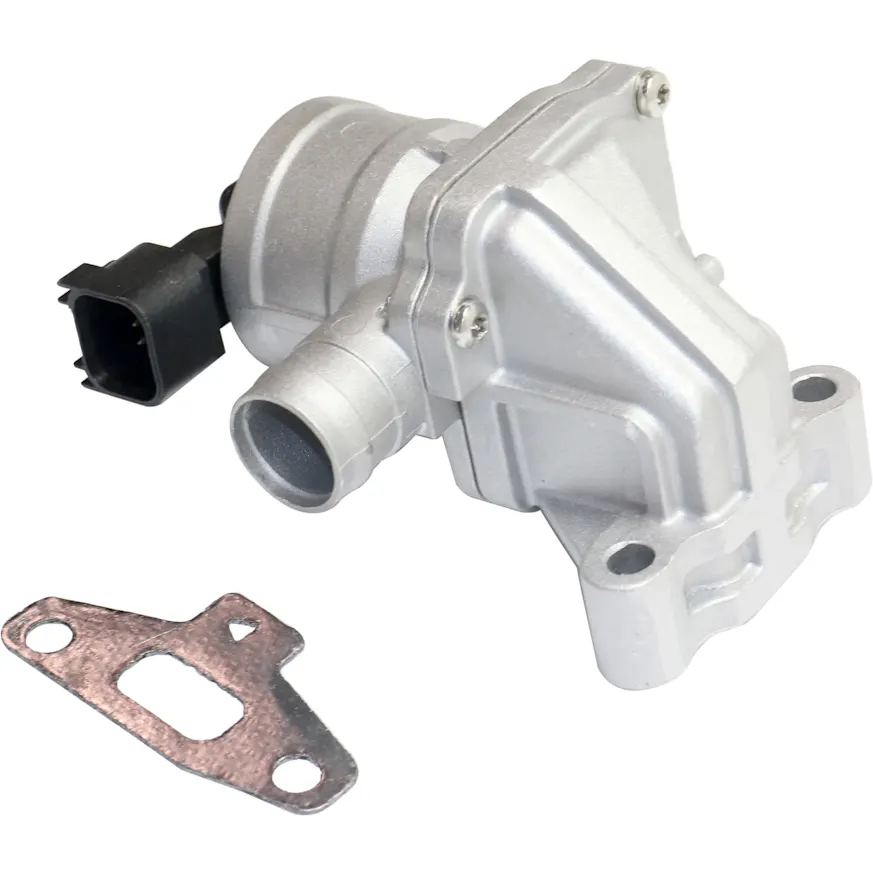
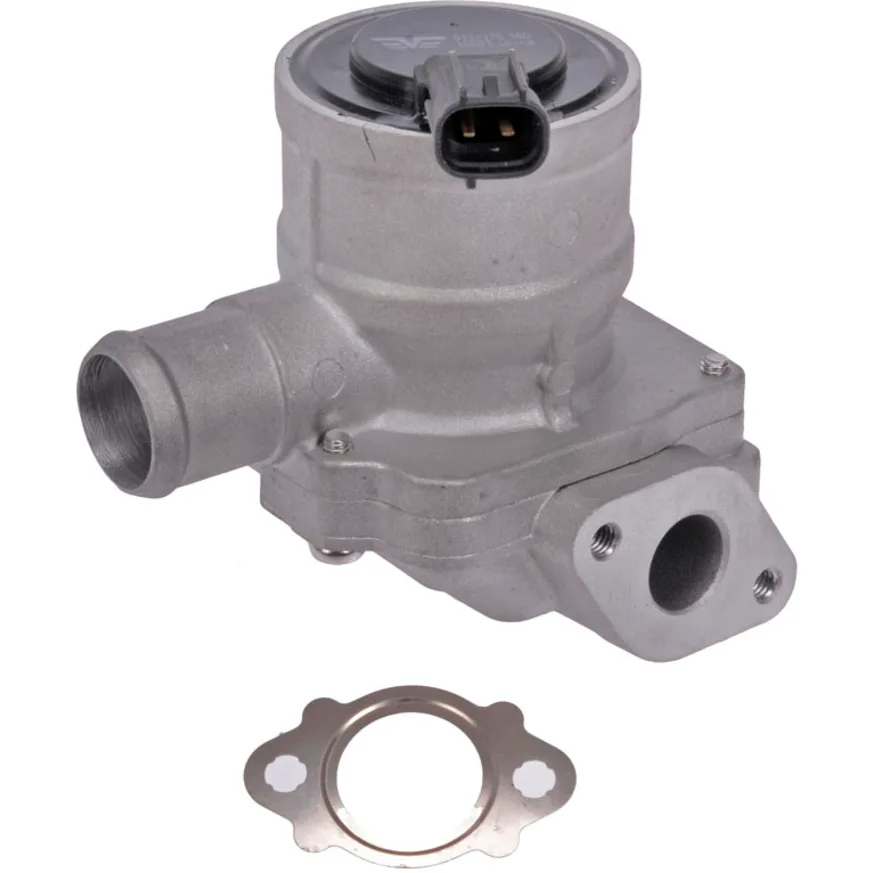
These valves often look nearly identical in photos. The real differences hide in the ports, mounting, and connector, so start with your vehicle.
Have your year, make, model, engine size, and cylinder count ready. A 4.7L V8 valve won’t match a 2.5L four, so those details matter.
Your emissions package matters too, since a California or PZEV setup can change the part. On V-type engines, the secondary air injection system may even use a different valve per bank.
The fastest way to sort all this out is a vehicle-specific parts search. It narrows the results to valves that actually fit your car.
Identify the Version Your Repair Actually Needs
Two valves can share the same name and still solve different problems. Sort out which type you need before you compare prices. Here are the main version differences to weigh.
- Single valve or set of two, since many V6 and V8 engines run a pair
- No. 1 versus No. 2, because some V8 banks use different valves
- Bare valve or a kit that adds retainers, bolts, and a gasket
- Valve style, such as solenoid, spring-loaded, or wafer designs
- Combination or shut-off types tied to a stuck switching valve and other functions
Reading the listing type closely is the surest way to match the right one. This single step prevents most wrong-part orders.

Compare the Details That Make the Part Fit
A product image is a helpful starting point, but it rarely shows port size or connector shape. Those details decide fitment, so pull your old valve and compare a few things.
Match the ports and connector
Check the inlet and outlet sizes first, often listed in fractions like 7/8 inch. Then compare the hose neck angle and how the ports point.
If your valve is electronic, confirm the connector shape and pin count. A mismatch here is easy to miss in a thumbnail.
Confirm the mounting and part numbers
Look at the bolt pattern, mounting tabs, and bracket position next. These decide whether the valve seats cleanly on your engine.
Then check the interchange or OE numbers under the specifications. A matching number is one of the strongest fitment signals you’ll find.
Check What Comes in the Box
A listing can fit your vehicle and still miss something your repair needs. Fitment and contents are two separate checks, so read the details.
Confirm whether a gasket or O-ring is included, since a fresh exhaust manifold gasket helps seal an emissions part. Check for mounting bolts and retainers too, because some kits add them and some don’t.
Make sure the quantity matches the job, so you don’t buy one valve when you need a pair. If a gasket isn’t included, just add one to finish the install cleanly.
Replacing the secondary air pump at the same time? Swap the check valve too, since a fresh valve protects the new pump.
Compare Brands After You Confirm Fitment
Brand matters, but it works best as a later filter. A quality valve still has to match your engine and ports first.
You’ll see plenty of solid aftermarket names here, including Dorman, Standard, AC Delco, and Pierburg. These brands offer quality replacements, from bare valves to kits with hardware included.
Aftermarket options also let you match your budget without giving up reliable fit. So the better question is which brand offers the correct version for your vehicle.
Choose the Right Ownership Lane
The right air inject check valve isn’t always the priciest one. It’s the one that matches how long you plan to keep the car. Here’s how to think about the three common lanes.
Basic replacement
This lane fits an older or higher-mileage car you may move on from soon. A functional valve that clears the code does the job well.
Daily-driver replacement
For a car you’re keeping, choose a well-reviewed valve with the correct connector. A version with the gasket included saves you a second trip.
Full refresh
If the pump already failed or you’re at high mileage, go further. A fresh valve protects the catalytic converter and keeps the oxygen sensor reading correctly, so replace both valves on a V engine.
Make the Final Add-to-Cart Check
Before you add the valve to your cart, run one last pass. Confirm the vehicle fitment, engine size, and emissions package all line up.
Double-check that you picked the right single, pair, or kit for the job. Compare the inlet and outlet sizes and the connector against your old valve.
Then confirm your gasket and hardware needs, set the quantity, and read the return terms. With those boxes checked, you’re ready to buy with confidence.
Your Best Starting Point
Work in order and the right listing tends to stand out. Start with fitment, narrow by version, then confirm what’s in the box.
Filtering by your year, make, and model on CarParts.com keeps the results to valves built for your engine. From there, compare the specs to your old part and lean on trusted replacement brands as a final filter.
Add only what the repair actually needs, whether that’s a single valve or a full kit. When you’re ready, a correctly matched air inject check valve gets you a smooth install and a cleared code.
The best order isn’t the one that looks close enough or carries a familiar name. It’s the one that matches your vehicle, your repair, and the details you can verify.
Keep Reading: Related Posts




Any information provided on this Website is for informational purposes only and is not intended to replace consultation with a professional mechanic. The accuracy and timeliness of the information may change from the time of publication.