You already know the part you need, but knowing the name isn’t enough to pick the right listing. Two clutch master cylinders can look identical in a thumbnail and still differ in bore size, reservoir setup, and port orientation. Getting the wrong one means a return, a delay, and doing this all over again.
The category runs deeper than most people expect. Listings cover bare cylinders, reservoir-included assemblies, and complete kits, and the fitment variables go beyond year, make, and model. Engine size, transmission type, and even production date can push you toward a completely different listing.
Quick Answer: How Do You Choose the Right Clutch Master Cylinder?
Confirm your vehicle’s year, make, model, engine size, and transmission type before anything else. Submodel and drivetrain matter here too, so don’t skip them. Then check whether the listing is a bare cylinder, a cylinder with reservoir, or a full kit, and verify the bore size and port configuration match your vehicle’s requirements. Once fitment and listing version are locked in, use brand as a secondary filter, not the first decision you make.
Start With the Vehicle, Not the Product Image
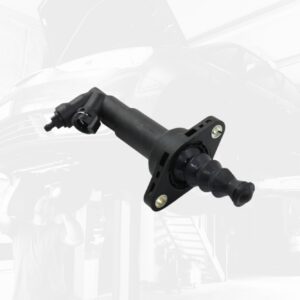
A clutch master cylinder image can look like a perfect match and still be spec’d for a different engine family or production run. Your year, make, and model get you in the right neighborhood, but engine size and configuration can split the field within the same model line. Transmission submodel, drivetrain type, and sometimes even the vehicle’s build date affect which listing actually fits. When a listing offers a vehicle fitment check, use it before assuming the photo is close enough.
VIN or engine code lookups are worth the extra step when fitment tools return multiple options for your vehicle. Mid-cycle production changes happen more often than most shoppers expect, and they can affect hydraulic system specs within the same model year.
Identify the Version Your Repair Actually Needs
This is where most ordering mistakes happen. The listings look similar, the names match, and it’s easy to assume they’re interchangeable, but they’re not.
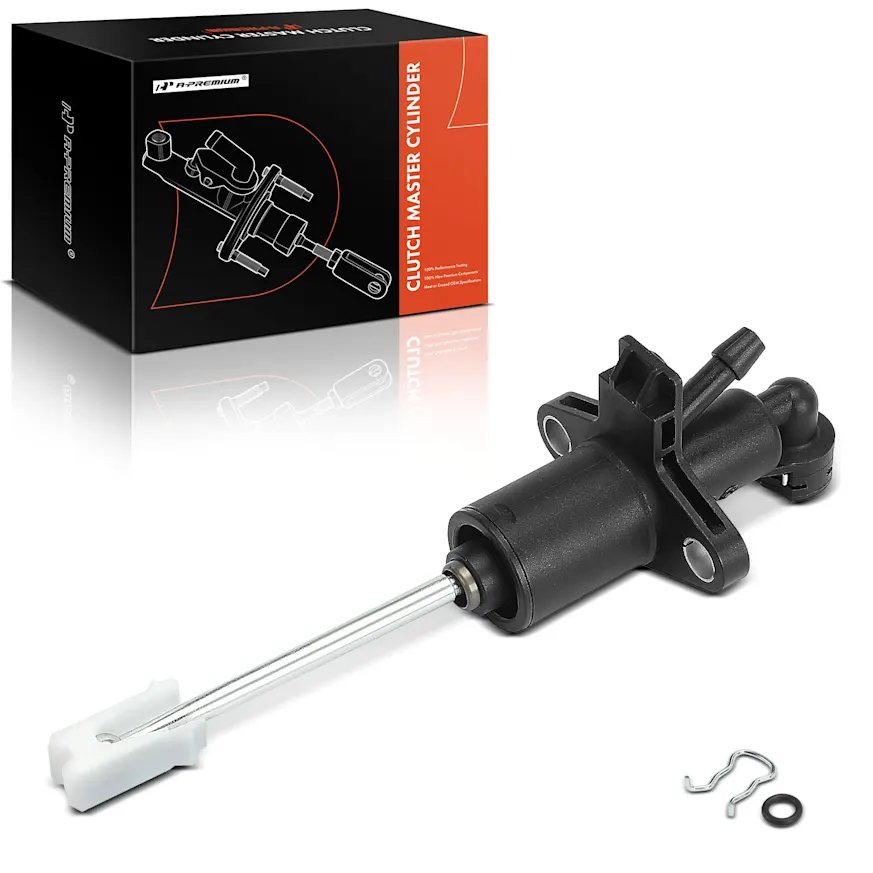
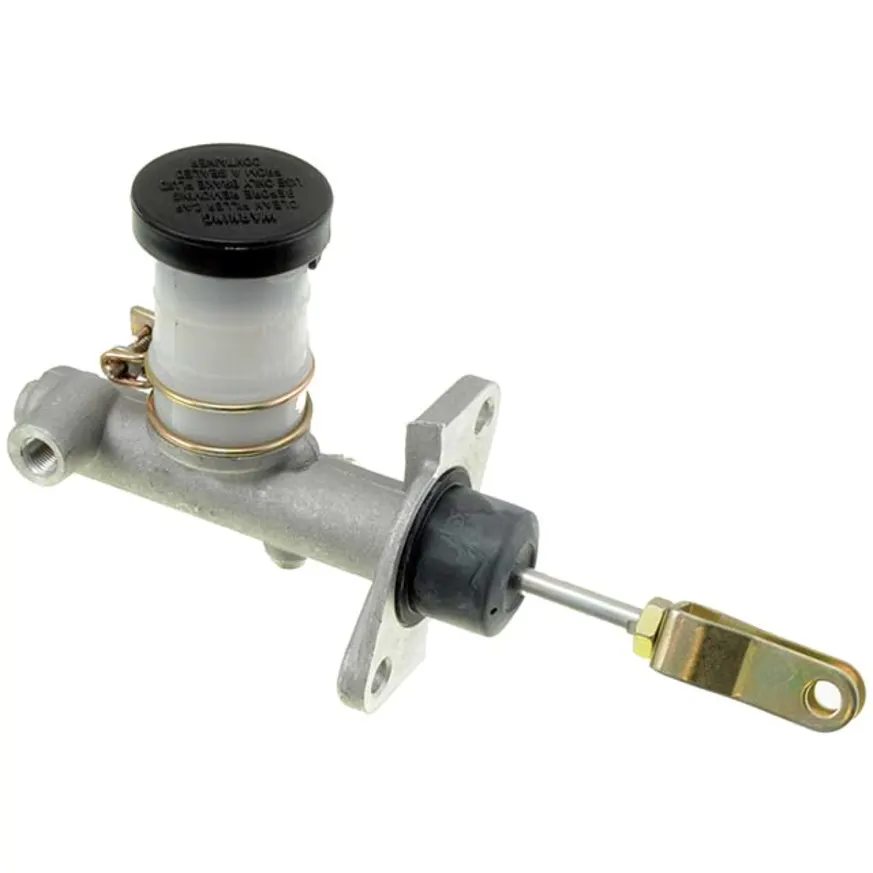
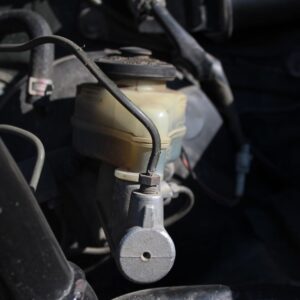
The biggest split in this category is reservoir configuration. Some listings include the fluid reservoir attached to the cylinder body, and others ship the bare cylinder only. If your original part has an integrated or body-mounted reservoir, ordering the bare cylinder version means sourcing a reservoir separately. Check this before you add anything to cart.
Bore size is another detail that separates listings. It directly affects hydraulic pressure output and pedal feel, and some listings call it out in the product title. If you know your original bore size, match it. Kit listings are a separate decision entirely. They often include the slave cylinder, hydraulic line, or both, which makes sense for a full hydraulic refresh but adds cost if only the master cylinder has failed.

Compare the Details That Make the Part Fit
The product image is a useful starting point, but it’s not a spec sheet. The details that confirm compatibility live in the listing description or specs tab. When comparing against your original part, focus on bore size, port orientation, and fitting type, since the hydraulic line connects at a specific angle and a misaligned port creates real routing problems. Inlet and outlet diameter, reservoir mounting style, and the mounting bracket’s tab placement and bolt pattern all need to match your application.
Push rod length and attachment style determine how the cylinder connects to the clutch pedal, and overall cylinder length matters in tight engine bays. If the original part is out of the vehicle, this comparison is quick. If it’s still installed, the listing’s spec sheet and your vehicle data are the tools to use.
Check What Comes in the Box
A listing can fit your vehicle perfectly and still be missing something your repair needs. The reservoir cap is a classic example, sometimes included, sometimes not, even when the reservoir itself ships with the part. Mounting hardware and clips aren’t always included in bare-cylinder listings, and the push rod or clevis pin is usually not included at all.
Hydraulic lines and banjo fittings almost never ship with a standard listing unless it’s labeled as a master and slave cylinder assembly. Dust boots and seals vary by listing tier. If a component you need isn’t in the box, plan to source it separately. That’s normal in this category, just make sure you know what’s missing before the package arrives.
Compare Brands After You Confirm Fitment
Brand matters, but it shouldn’t be the first filter. The part has to match your vehicle’s application, bore size, reservoir configuration, and port layout before adding it to your cart. Picking a familiar brand before confirming fitment is one of the most reliable ways to end up wasting time on a return.
Once fitment and version are confirmed, the brand becomes a reasonable confidence check. Different brands offer different configurations, kit contents, and price points, and some specialize in specific vehicle families. The real question isn’t which brand is best in this category. It’s which brand offers the right configuration for your specific vehicle and repair.
Choose the Right Ownership Lane
The right clutch master cylinder isn’t always the most complete one. It’s the one that fits what your repair actually requires.
If the failure is isolated to the master cylinder and the rest of the hydraulic clutch system is in solid shape, a correctly spec’d bare cylinder covers the job. There’s no reason to pay for a reservoir or hardware you don’t need. For most daily drivers, a mid-range direct-fit replacement that replicates the original’s dimensions and port orientation is the right call. On high-mileage vehicles or a full system refresh, a kit that includes the slave cylinder or hydraulic line reduces the chance of repeating the job in a few months.
If you’re planning a complete clutch job at the same time, it’s worth reviewing the full clutch order checklist before deciding how deep to go on the hydraulic side.
Make the Final Add-to-Cart Check
Before adding the clutch master cylinder to cart, confirm the listing matches the vehicle, the hydraulic system configuration, and the details you can verify from the original part or vehicle data.
- Year, make, model, and engine confirmed
- Transmission type and submodel confirmed
- Bore size matches the original or specified application
- Reservoir configuration verified
- Port orientation and fitting type match the hydraulic line routing
- Mounting bracket style matches the firewall or pedal assembly
- Included components checked against what the repair actually needs
- Brand selected after fitment and version are confirmed, not before
Your Best Starting Point
Use the vehicle selector first. It cuts the field down to listings confirmed for your application, which makes comparing bore size, reservoir configuration, and version differences much more manageable. From there, confirm the listing version matches the repair, verify bore size and port layout against your original or vehicle specs, and check what’s actually included before treating the listing as complete. Brand is the last check, not the first. Once fitment and version are right, the brand options that remain are all reasonable choices, and the differences come down to configuration, kit contents, and price.
Keep Reading: Related Posts



Any information provided on this Website is for informational purposes only and is not intended to replace consultation with a professional mechanic. The accuracy and timeliness of the information may change from the time of publication.