A clutch replacement is one of those jobs where the cheapest-looking cart is rarely the correct one. Shoppers open a listing, see a pressure plate and disc bundled together, and assume that’s the order done. Then the transmission comes out, the old parts hit the bench, and something is missing. Maybe it’s the pilot bearing. Maybe the release bearing wasn’t included. It could also be that the flywheel is blued, and nobody ordered a replacement or a resurface. Now the car sits on jack stands while parts ship.
Clutch work creates wrong-order risk because the clutch isn’t a single component. It’s a wear system. The pressure plate, disc, release bearing, pilot bearing, and flywheel all live and die together, and the transmission has to come out to reach any of them. The shopper’s real question isn’t “which clutch is cheapest.” It’s “what exactly needs to go in the cart so this job finishes once.”
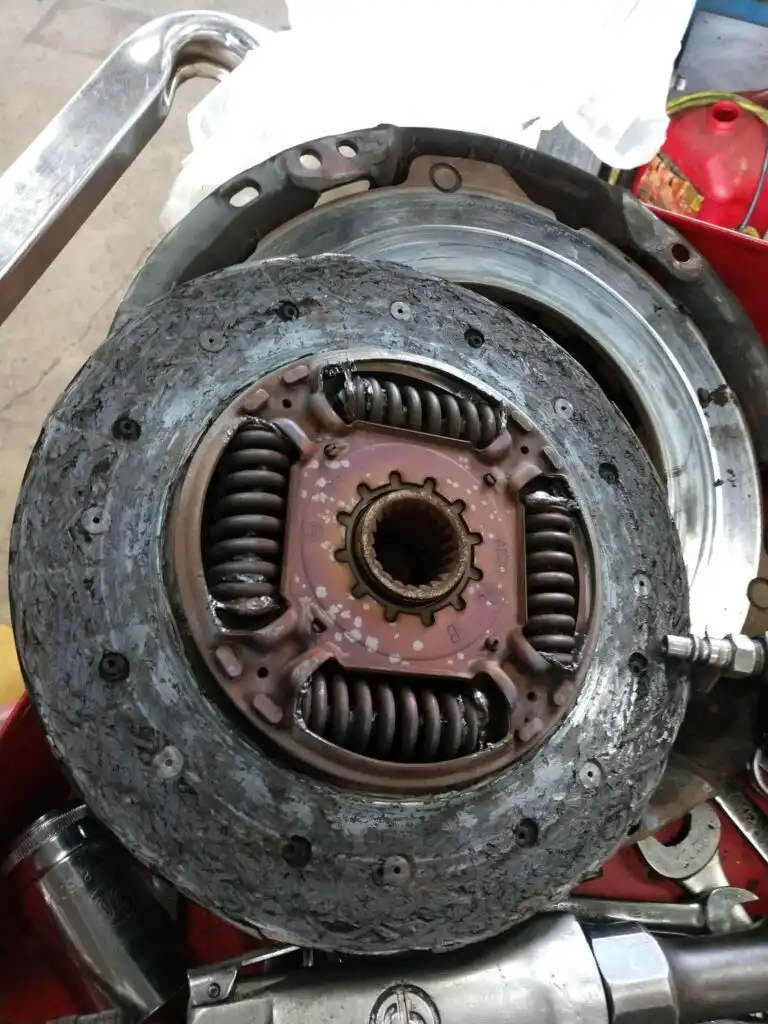
The Job in One Sentence
The job is to restore clean engagement between the engine and transmission by replacing every wear part in the bellhousing area while access is open.
A clutch doesn’t fail in isolation. The friction disc wears, the pressure plate loses clamping force, the release bearing gets noisy, and the pilot bearing seizes. Any one of these can be the trigger for the repair, but all of them sit behind the same transmission that has to come out.
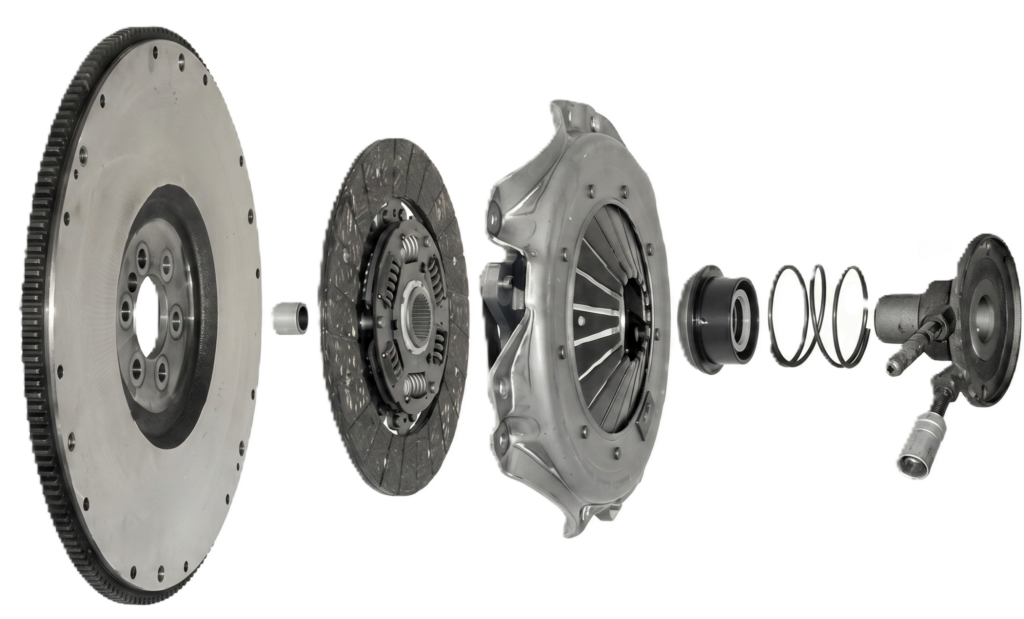
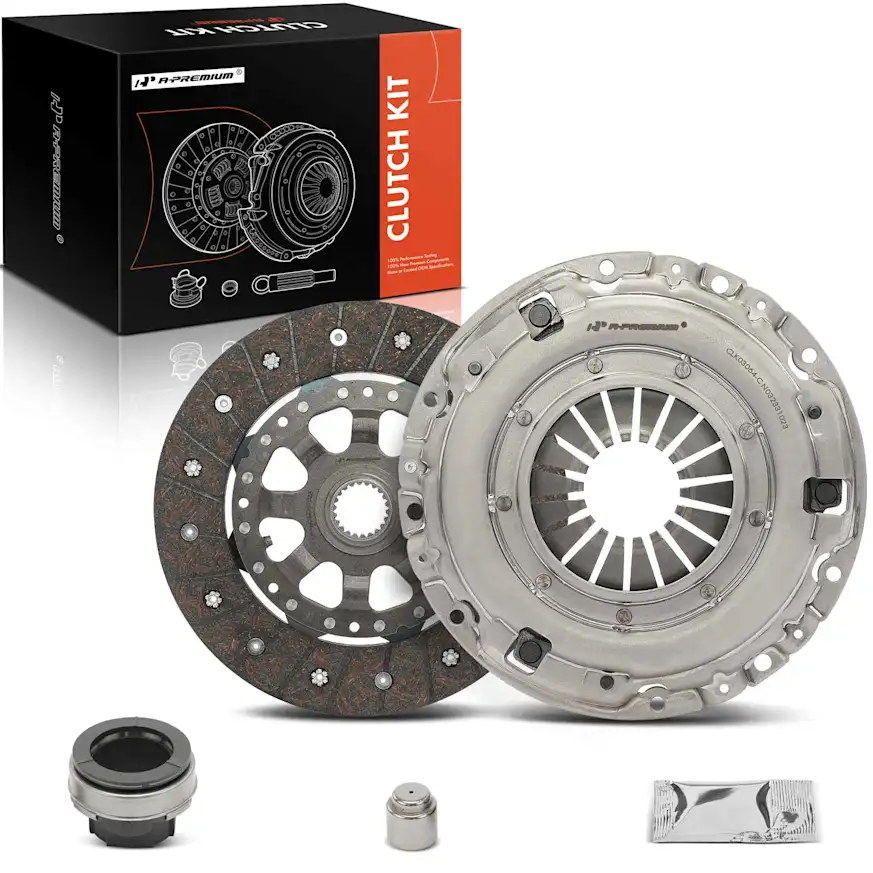
Clutch kits exist because the industry figured out long ago that replacing only the failed piece is usually false economy. Most kits include a pressure plate, friction disc, release bearing, pilot bearing or bushing, and an alignment tool. Some include a flywheel. Many do not. Reading the listing title and the included-components section matters more here than almost any other clutch assembly category.
Choose Your Cart Size
Three realistic carts cover most clutch jobs. Pick the one that matches the vehicle’s age, mileage, and how long the owner plans to keep it.
1. Minimum Viable Repair
The clutch just started slipping or chattering, the vehicle is lower mileage, and the flywheel surface still looks clean. Choose it if:
- The vehicle has under roughly 80,000 miles on the original clutch
- The flywheel has no visible hot spots, cracks, or heavy scoring
- The owner plans to keep the car for another few years, not another decade
Typical cart:
- OE replacement clutch kit with pressure plate, disc, release bearing, pilot bearing, alignment tool
- Transmission fluid for refill if any spills during removal
2. Smart Same-Access Refresh
The transmission is already coming out, so it makes no sense to reuse parts that are halfway through their life. Choose it if:
- The clutch is original and mileage is moderate to high
- The rear main seal shows any dampness
- The shifter has felt vague or the throwout bearing has been whining
Typical cart:
- Complete clutch kit
- Rear main seal
- • Transmission input shaft seal if the seal area shows dampness or if the platform is known for leaks. This is not always necessary, but it is worth considering while the transmission is out.
- Flywheel resurfacing or a new flywheel if the surface shows heat damage
- Transmission fluid
- Clutch hydraulic line or slave cylinder on vehicles known for those failures or on applications where the slave cylinder is part of a complete clutch service package
3. High-Mileage Do-It-Once Reset
Older truck, daily driver past 150,000 miles, or a vehicle the owner intends to keep long term. Choose it if:
- Mileage is high and service history is unknown
- The flywheel is a dual-mass design and has lived a full life
- The vehicle will tow, haul, or see hard use going forward
Typical cart:
- Clutch kit with flywheel included, or a separate new flywheel
- Full hydraulic refresh with master cylinder and slave cylinder where applicable
- Rear main and transmission input seals
- Shifter bushings if the platform is known for wear
- Transmission mount if it shows cracking
- Fresh transmission fluid
What Is Commonly Ordered Together on This Job
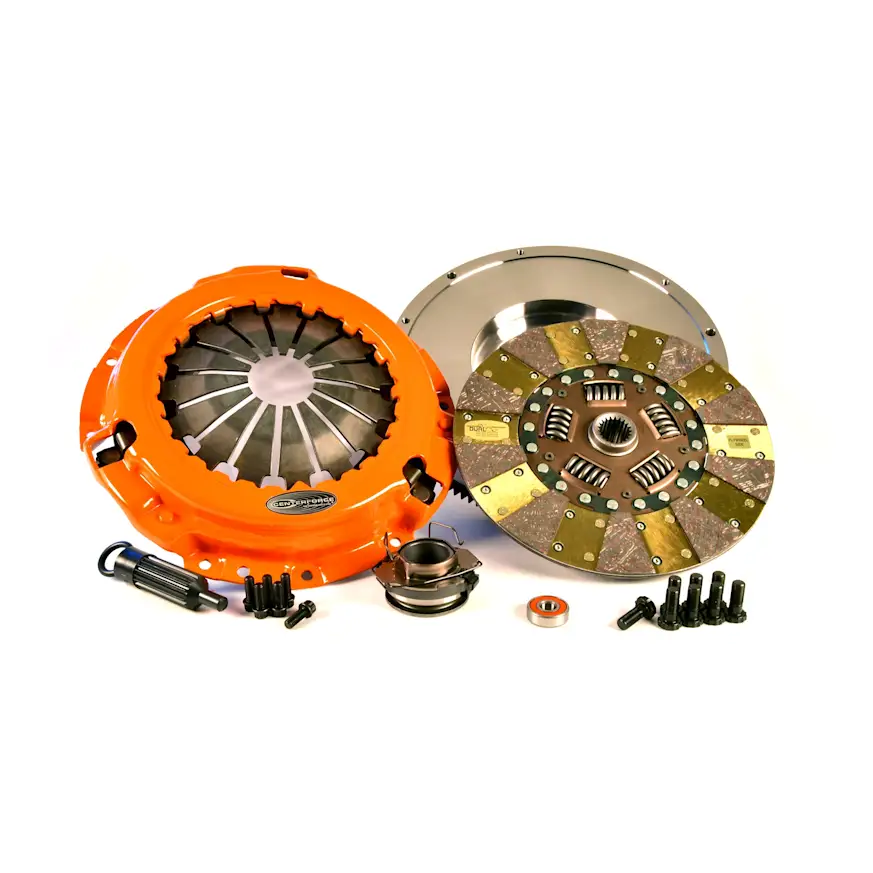
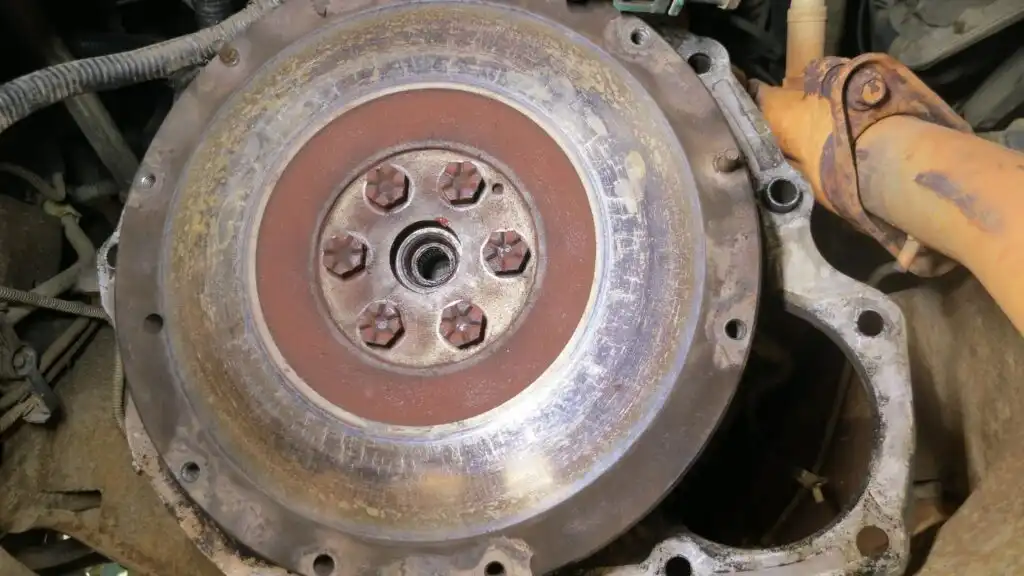
Flywheel decisions. This is the big one. Many clutch kits ship without a flywheel. If the existing flywheel is glazed, heat-checked, or warped, it has to be resurfaced or replaced before the new clutch touches it. Dual-mass flywheels cannot be resurfaced and must be replaced when worn. Confirm whether the kit includes a flywheel before checkout.
Hydraulic components. Clutch master cylinders, slave cylinders, and the line between them are wear items on any vehicle with a hydraulic clutch. If the pedal has felt soft or the engagement point has moved, the hydraulics are due. Some vehicles use a concentric slave cylinder that sits inside the bellhousing, which means replacing it later is another transmission pull.
Seals and fluids. Rear main seal, transmission input shaft seal, transmission fluid, and sometimes axle seals on transverse applications. These cost little and are trivial to install with the transmission already out.
Hardware and small parts. Pressure plate bolts are often torque-to-yield and should not be reused on certain platforms. Pilot bearings sometimes require a puller, which is a worthwhile add if the old one looks seized.
Transmission mounts and shifter bushings. If a mount is cracked or a shifter feels sloppy, fixing it now avoids another labor cycle later.
What People Forget Until the Vehicle Is Already Apart
Clutch jobs strand people for small reasons. Check this list before clicking buy.
- Does the kit include a pilot bearing or bushing, and does it match what the crank or flywheel actually uses? This is usually a needle-type bearing. If it has lost its needles, only the empty shell may remain, which can be challenging to remove. The image below shows one practical way to handle a damaged bearing shell, but a proper puller is still the cleaner tool choice.
- Is the release bearing included, and is it the correct style for the pressure plate fingers?
- Does the flywheel need replacing or resurfacing, and is that scheduled?
- Are the pressure plate bolts reusable or single-use on this engine?
- Is the clutch fork or release arm showing wear that’s visible only with the transmission out? This does not apply to vehicles that use a concentric hydraulic slave cylinder instead of an external clutch fork.
- Is the rear main seal going to be replaced while it’s accessible?
- Does the application use a hydraulic throwout bearing inside the bellhousing that should be replaced as a matter of course?
- Is the transmission fluid on hand for refill? Do not ignore manual transmission leaks because low fluid can lead to expensive internal damage.
- Does the vehicle use a dual-mass flywheel that cannot be resurfaced?
When Replacing Only the Clutch Is False Economy
Skipping the flywheel to save money is the classic mistake. A glazed or heat-checked flywheel will shorten the life of the new disc immediately and often causes chatter that sends the transmission right back out. The labor to pull the transmission is the expensive part of this job. The flywheel, rear main seal, and pilot bearing are cheap compared to doing the labor twice.
That said, the minimalist cart is reasonable on lower-mileage vehicles with a clean flywheel and a clutch that failed young for a specific reason, like a leaking rear main that contaminated the disc. In that case, fix the cause, replace the clutch, and move on.
The rule of thumb: if a part lives behind the transmission, is cheap, and is more than halfway through its service life, replace it now.

The Fitment Splits That Break Clutch Orders
Clutch kits have more ways to go wrong than almost any other aftermarket category. The splits that catch shoppers off guard:
Engine
Different engines in the same model year use different clutches. A V6 and a four-cylinder almost never share a clutch.
Transmission
Five-speed, six-speed, and different transmission suppliers within the same vehicle can require different input shaft splines and different disc diameters.
Spline count and disc diameter
This is where “looks close enough” fails. The disc has to match the transmission input shaft exactly.
Flywheel type
Single-mass versus dual-mass changes what the pressure plate and kit need to do.
Included components
Kits vary in whether they include a flywheel, an alignment tool, a release bearing, a pilot bearing, or hydraulic components. Two kits for the same vehicle can have very different contents at very different prices.
Performance versus OE
Stage 1, Stage 2, and heavy-duty kits have different pedal feel and clamping pressure. A stock daily driver usually wants OE replacement, not a race-grade pressure plate.
Production date or VIN split
Some vehicles changed clutch specifications mid-year. Ordering by year and model alone is not always enough.
When in doubt, match the part number on the old pressure plate or disc, or verify against the vehicle’s production date. If you’re not sure whether the symptoms you’ve been chasing point to the clutch at all, review the common bad clutch symptoms before ordering parts.
Delivery-Day Inspection Checklist
Before the transmission comes out, compare the new parts to the old ones on the bench.
- Disc diameter matches the old disc
- Spline count and spline size match the transmission input shaft
- Pressure plate bolt pattern matches the flywheel
- Release bearing fits the pressure plate fingers and the clutch fork
- Pilot bearing outer diameter matches the crankshaft or flywheel bore
- Flywheel, if included, has the correct ring gear tooth count for the starter
- Alignment tool fits the disc and pilot bearing
- No shipping damage to the pressure plate diaphragm or disc surface
- All hardware listed on the packaging is actually in the box
Your One-Job Order Sheet for a Clutch
- Confirm the vehicle year, make, model, engine, transmission, and production date where applicable.
- Confirm the repair scope. Minimum viable, same-access refresh, or do-it-once reset.
- Confirm what the listing includes. Pressure plate, disc, release bearing, pilot bearing, alignment tool, flywheel yes or no.
- Add the adjacent items. Flywheel or resurfacing, rear main seal, transmission input seal, hydraulic components, transmission fluid.
- Bench-check the old part logic. Compare diameter, spline count, bolt pattern, and included-parts list before teardown.
- Choose the right ownership logic. Match the clutch grade to how the vehicle will actually be used, not to the most aggressive option on the shelf.
The Smart Way to Shop Clutches
The cheap-looking clutch order is the one that shows up as a pressure plate, a disc, and nothing else. The correct order accounts for every wear part behind the transmission, plus the seals and fluids that cost almost nothing but save a second labor cycle.
Shop by repair scope, not by thumbnail. A kit that includes a release bearing and pilot bearing for one vehicle might not include them for another, and two listings at the same price can contain very different parts. Read the included-components line every time.
The best clutch order is the one that finishes the job once. Match the cart to the vehicle, the mileage, and the plan for the car, and the transmission only has to come out one time.
Keep Reading: Related Posts



Any information provided on this Website is for informational purposes only and is not intended to replace consultation with a professional mechanic. The accuracy and timeliness of the information may change from the time of publication.