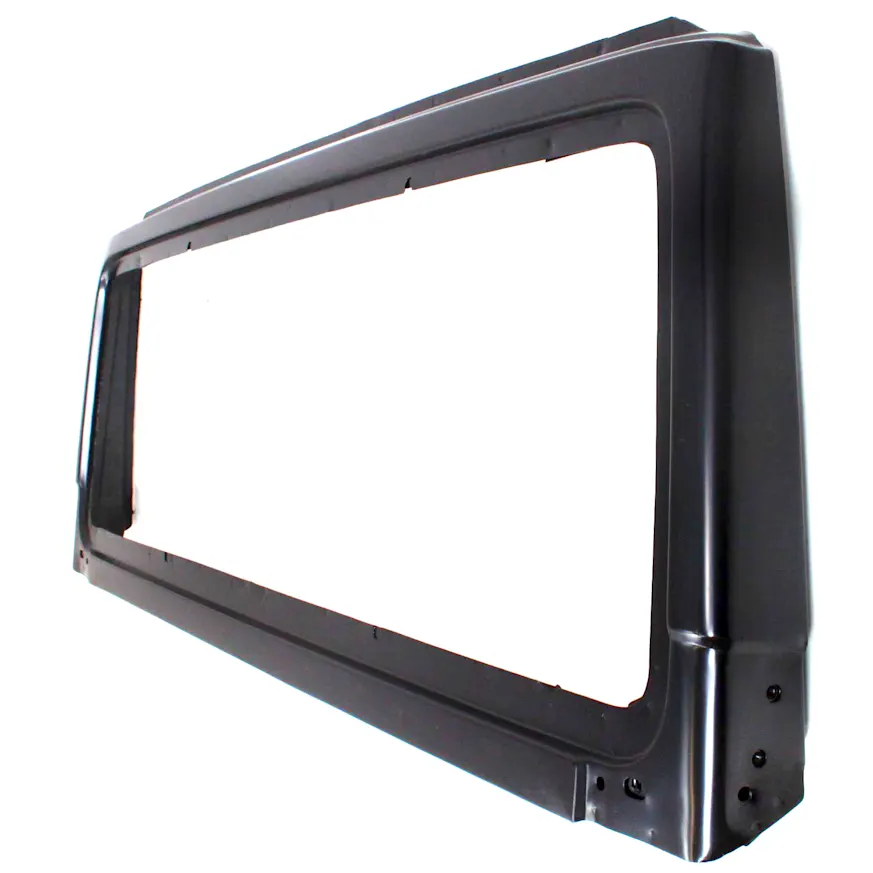
Rust and collision damage bring a lot of shoppers to the windshield frame category, and most of them already know what they need. The part that gives them trouble is figuring out which listing on the screen is the right one. A windshield frame that fits a Jeep Wrangler isn’t the same listing as one built for a classic Ford pickup, and even within the same vehicle line, the correct frame can vary by body style, model year, and whether you’re replacing the full perimeter or just a section.
The category includes complete frames, individual sections like the lower rail or corner piece, and kit options that bundle more than one component. Two listings can look nearly identical in the thumbnail and still solve different ordering problems. The goal of this article is to help you confirm which version actually belongs on your vehicle before you click “Add to Cart.”
Quick Answer: How Do You Choose the Right Windshield Frame?
To choose the right windshield frame, start by confirming your vehicle’s year, make, model, and body style. Then check whether the listing covers the full frame assembly or a specific section, such as the lower rail, and verify whether it’s sold as a single piece or as part of a kit. Compare the listing’s mounting style and position details against your original frame, and check what’s included before ordering. Use brand as a confidence filter once fitment and configuration are settled.
Start With the Vehicle, Not the Product Image
Start with the vehicle, not the thumbnail. Windshield frames are highly application-specific, and the visual similarity between listings can be misleading. A frame that looks close in the photo may have a different mounting geometry, a different flange profile, or different welding tabs that won’t line up with your body structure.
Pull together these vehicle details before searching:
- Year, make, and model
- Body style (two-door, four-door, convertible, pickup cab style)
- Trim level or submodel, if applicable
- Whether the vehicle has a factory soft top, hard top, or fixed roof
That last point matters more than it might seem. On vehicles like the Jeep Wrangler, the windshield frame design is tied to the top configuration. Getting the body style wrong is one of the most common reasons a windshield frame doesn’t fit, even when it looked correct online.
Identify the Version Your Repair Actually Needs
Two windshield frames can share the same name and still solve different ordering problems. The category breaks down into a few distinct types, and knowing which one applies changes the search entirely.
Complete Frame Assembly vs. Section Only
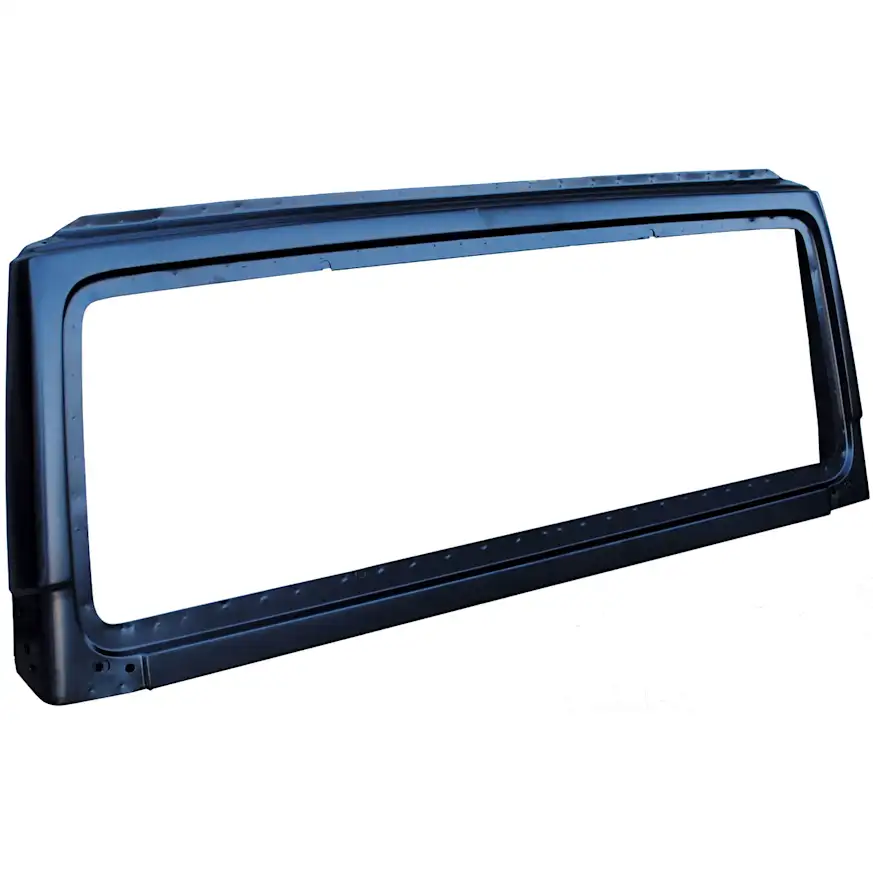
A full windshield frame replaces the entire surround. Individual sections, like a lower windshield frame rail or a corner piece, are sold separately for repairs where only part of the frame is damaged or rusted. Ordering a full frame when you only need the lower section means paying for parts you won’t install, and vice versa. If the surrounding sheet metal is also compromised, body repair panels address that damage separately and may need to be part of the same order.
Kit vs. Single Component
Some listings bundle multiple frame sections or include hardware and related clips. A kit listing will clearly state what’s inside, but it’s worth reading the product description rather than assuming the kit covers everything the repair needs. Single-component listings are more common in this category.
Front Position vs. Lower or Corner Sections
Listing filters sometimes break the category into position options, such as front or lower. If the damage is localized, check the position filter to make sure the listing matches the specific section you’re replacing. A full-perimeter listing won’t necessarily be labeled by position the same way a section replacement is.
Compare the Details That Make the Part Fit
Use the product image as a starting point, not as the whole match. Physical details that don’t show clearly in photos are often the difference between a frame that bolts up correctly and one that requires modification or gets returned.
Compare these details against your original frame or vehicle specifications before ordering:
- Mounting tabs and weld points
- Flange shape and sealing surface profile
- Corner geometry and curvature
- Attachment hardware provisions or pre-drilled holes
- Any provisions for seal seats or channels, since weatherstripping replacement is often part of the same job

Steel construction is standard across this category, so material differences are less of a concern here than geometry. What separates a good fit from a poor one is how well the replacement matches the original’s mounting profile. If you can compare the listing’s dimensions or part number against the factory part number, that’s worth doing before ordering.
Check What Comes in the Box
A listing can be correct for your vehicle and still be incomplete for your repair. Windshield frames are generally sold as bare steel components without additional hardware, but kit listings may include more than one section or come with mounting clips. If the damage extends into surrounding sheet metal, replacing damaged body panels becomes a separate consideration that may affect the total scope of the order.
Before adding to cart, verify whether the listing includes:
- Hardware or mounting clips
- Weatherstripping or windshield seals (most listings don’t include these)
- Multiple sections bundled together
- A single section only
Weatherstripping is almost never included with an aftermarket windshield frame. If the original seal is damaged or if you’re resealing during the repair, that’ll need to be added to the order separately. Knowing how to reseal a rusted windshield frame before you order helps you build the right cart the first time. Don’t assume the listing covers it unless the product description says so explicitly.
Compare Brands After You Confirm Fitment
Brand matters, but it should not be the first filter. A Crown, Key Parts, Replacement, Omix, or ReplaceXL windshield frame still has to match the vehicle, position, and listing type before it belongs in the cart. Getting the configuration right first makes the brand comparison more useful.
Different brands may offer different coverage across vehicle applications. Some brands focus on specific platforms or model lines, which means the brand that covers your vehicle may be determined more by application availability than by preference. Don’t ask which windshield frame brand is best until you know which configuration actually fits your vehicle.
Once fitment is confirmed, compare brands on the details that matter to you: listing completeness, available configurations, and any included components. Read the product notes for each listing rather than relying on the brand name alone to indicate what’s inside the box.
Choose the Right Ownership Lane
Bare Section Replacement
This lane fits a targeted repair where only part of the frame is damaged. A lower rail or corner section is less expensive than a full assembly and makes sense when the rest of the frame is still structurally sound. Don’t overpay for a full frame when a section replacement is what the job actually needs.
Full Frame Assembly
A complete windshield frame replacement makes sense when rust or collision damage has compromised the full perimeter. This is the more thorough option and typically the right call for a vehicle you’re restoring or planning to keep long term. Make sure the listing covers the full assembly before ordering.
Kit Option
If the repair involves multiple sections or if hardware is a concern, a kit listing may provide better value and reduce the chance of a separate order for missing components. Confirm what the kit includes before ordering. The right windshield frame is not always the most expensive one. It’s the one that matches the scope of the repair and how long you need it to hold.
Make the Final Add-to-Cart Check
Before you add the windshield frame to the cart, make sure the listing matches the vehicle, the frame position or scope, and the details you can verify from the original part. Run through this checklist:
- Year, make, model, and body style confirmed
- Full assembly or section type confirmed
- Position (front, lower, corner) matches the repair area
- Kit vs. single component verified
- Mounting tabs, flange profile, and geometry compared against the original
- Included components checked (hardware, clips, seals)
- Add windshield weatherstrip seals to the order separately if the listing doesn’t include them
- Brand confirmed after fitment and configuration are resolved
Your Best Starting Point
Start by entering your vehicle’s year, make, model, and body style using the vehicle selector or search filters. That step alone will eliminate most of the listings that won’t fit and make the remaining options much easier to compare.
From there, narrow by whether you need a full assembly, a specific section, or a kit. Compare the physical details in the listing description against your original frame. Repairing a rusted windshield frame is a related but separate task, so if the metal is only surface-corroded rather than structurally compromised, that may be a better starting point than a full replacement. Check what’s included, then use brand and price to finalize the choice once fitment is settled.
The right windshield frame order isn’t the one that looks close enough or has a recognizable name. It’s the one that matches the vehicle, repair scope, included components, and mounting details needed to get the job done without a return trip. Use the vehicle selector on the windshield frames page to narrow the field before you commit to a listing.
Keep Reading: Related Posts





Any information provided on this Website is for informational purposes only and is not intended to replace consultation with a professional mechanic. The accuracy and timeliness of the information may change from the time of publication.