An EVAP system leak means your car’s evaporative emission control system has found a break somewhere between the fuel tank and the engine, so fuel vapor can escape. It turns on the check engine light, but it rarely changes how the car drives. A common cause is a loose or worn gas cap. Other causes include a stuck purge valve, a failed vent valve, a cracked hose or a damaged charcoal canister.
What Is an EVAP System Leak?
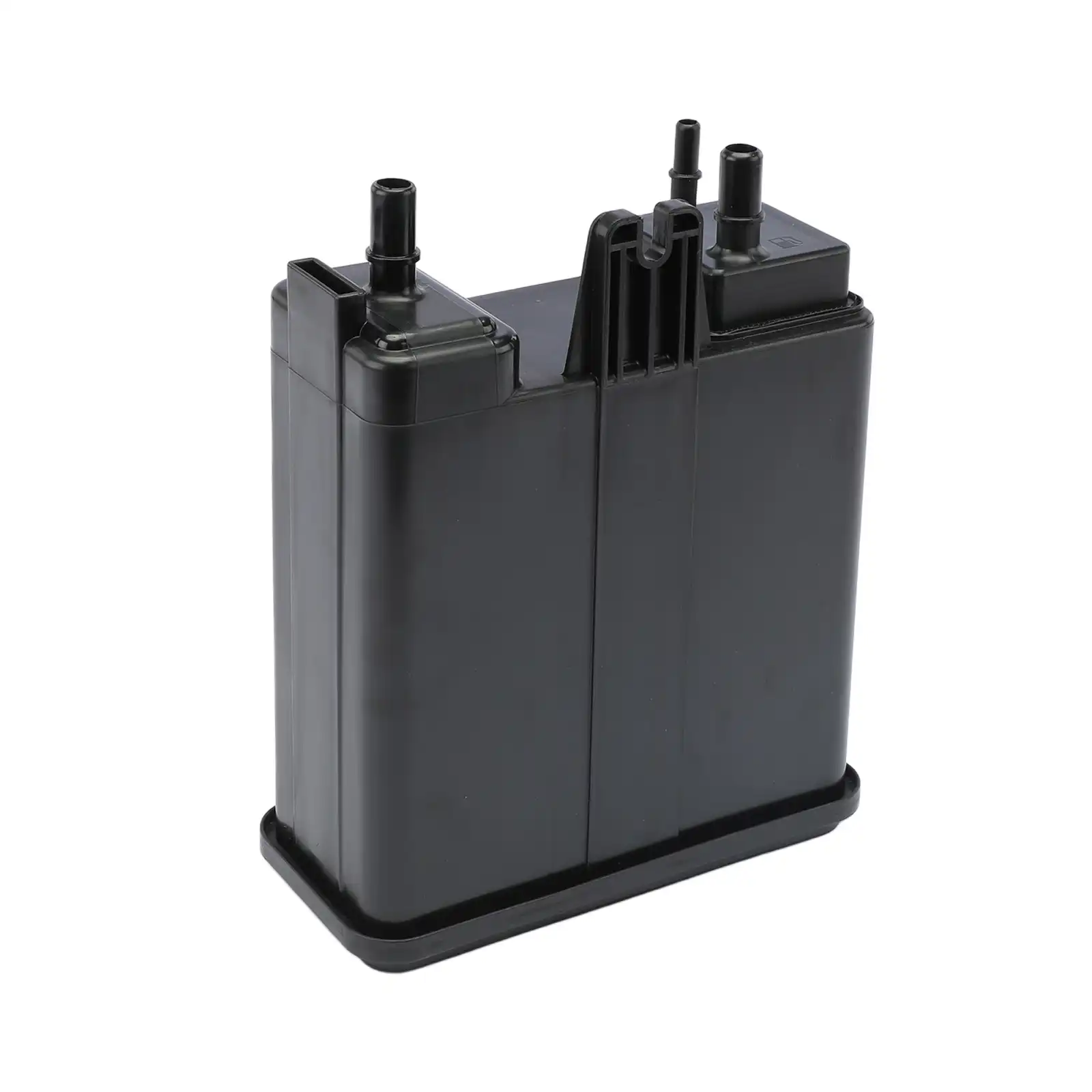
The EVAP system keeps gasoline vapor from venting into the air. Vapor from the fuel tank is stored in a charcoal canister. When the engine is running, a purge valve opens and lets the engine burn that vapor. A vent valve lets fresh air into the canister and closes when the computer tests the system for leaks.
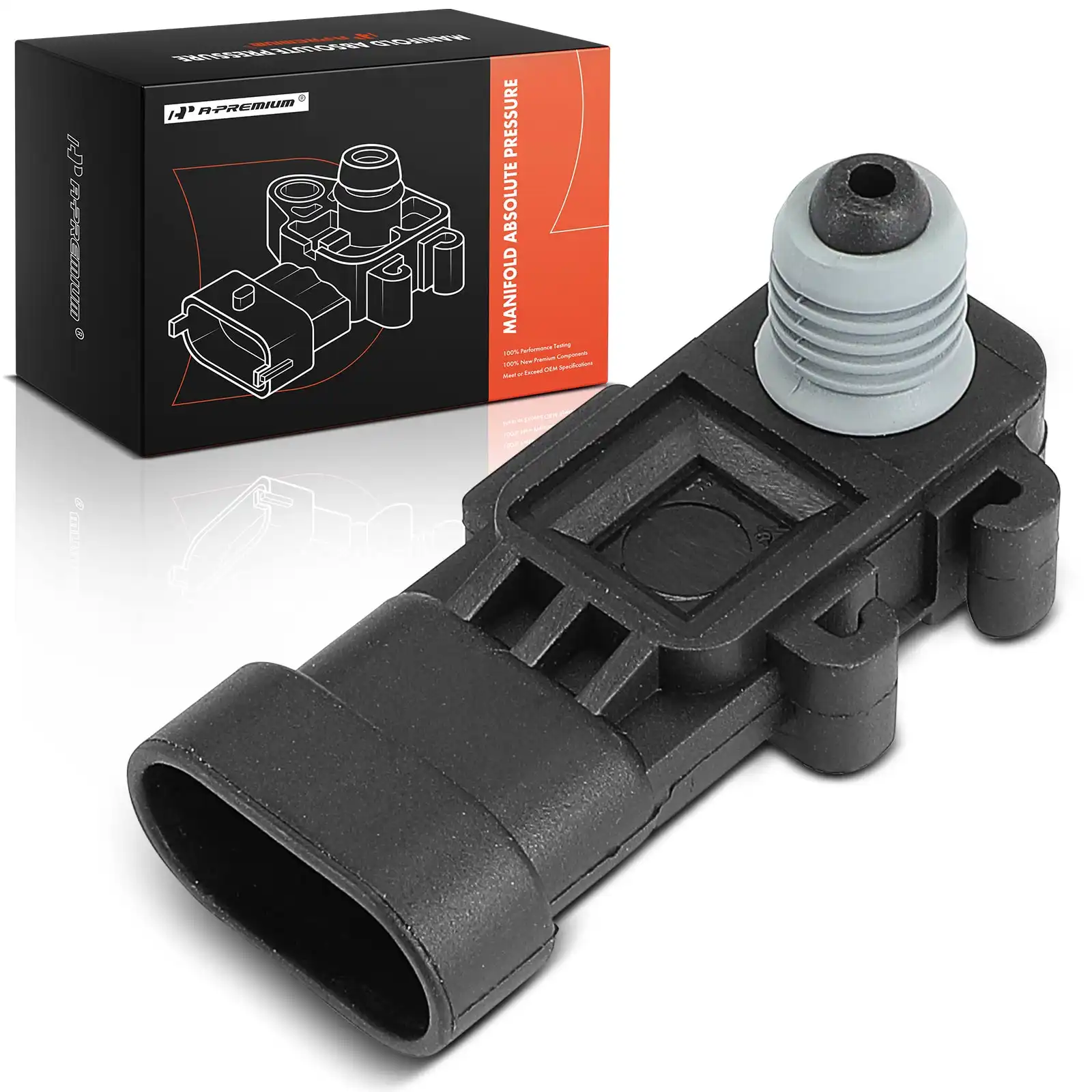
To run that test, the computer seals the system and watches pressure or vacuum through the fuel tank pressure sensor. If the system cannot hold pressure, it logs a leak code and turns on the check engine light. For a deeper look at each part, see our EVAP system basics.
How Small a Leak Can the System Detect?
Very small. Federal emissions rules require the onboard system to detect a leak with an effective diameter of 0.020 inch. Vehicles with fuel tanks over 25 gallons can be approved for a larger threshold of up to 0.040 inch. That is why a cap that is not fully tightened, or a seal that has hardened with age, can set a code.
The test only runs under certain conditions, which is why a code may take days to come back after a repair. Enable conditions vary by automaker. In one common design described by Brake & Front End, the engine must sit off for at least six hours, the fuel tank must be 15% to 85% full (narrower for the smallest-leak test), and the outside temperature must be moderate.
What Do the EVAP Leak Codes Mean?
| Code | Meaning | Where to start |
|---|---|---|
| P0455 | Large leak detected | Gas cap missing or loose, disconnected or cracked hose, vent valve stuck open |
| P0442 | Small leak detected | Gas cap seal, small hose cracks, filler neck |
| P0456 | Very small leak detected | Gas cap seal, pinhole leaks, canister or valve seals |
| P0441 | Incorrect purge flow | Purge valve stuck open or closed, blocked lines |
| P0446 | Vent control circuit fault | Vent valve, wiring, debris in the vent line |
What Causes an EVAP Leak?
These are the usual suspects, ordered roughly from cheapest and most common to most expensive:
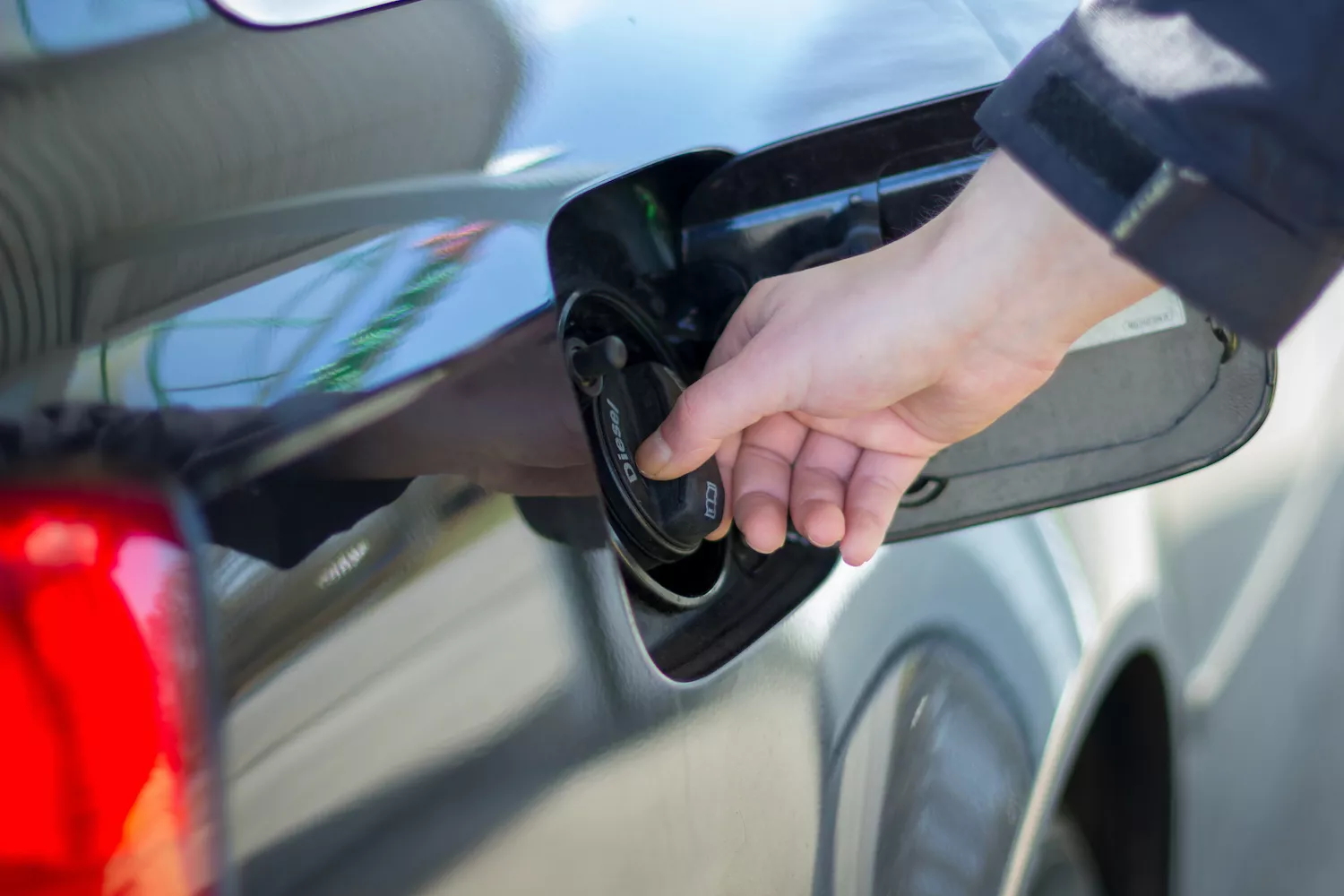
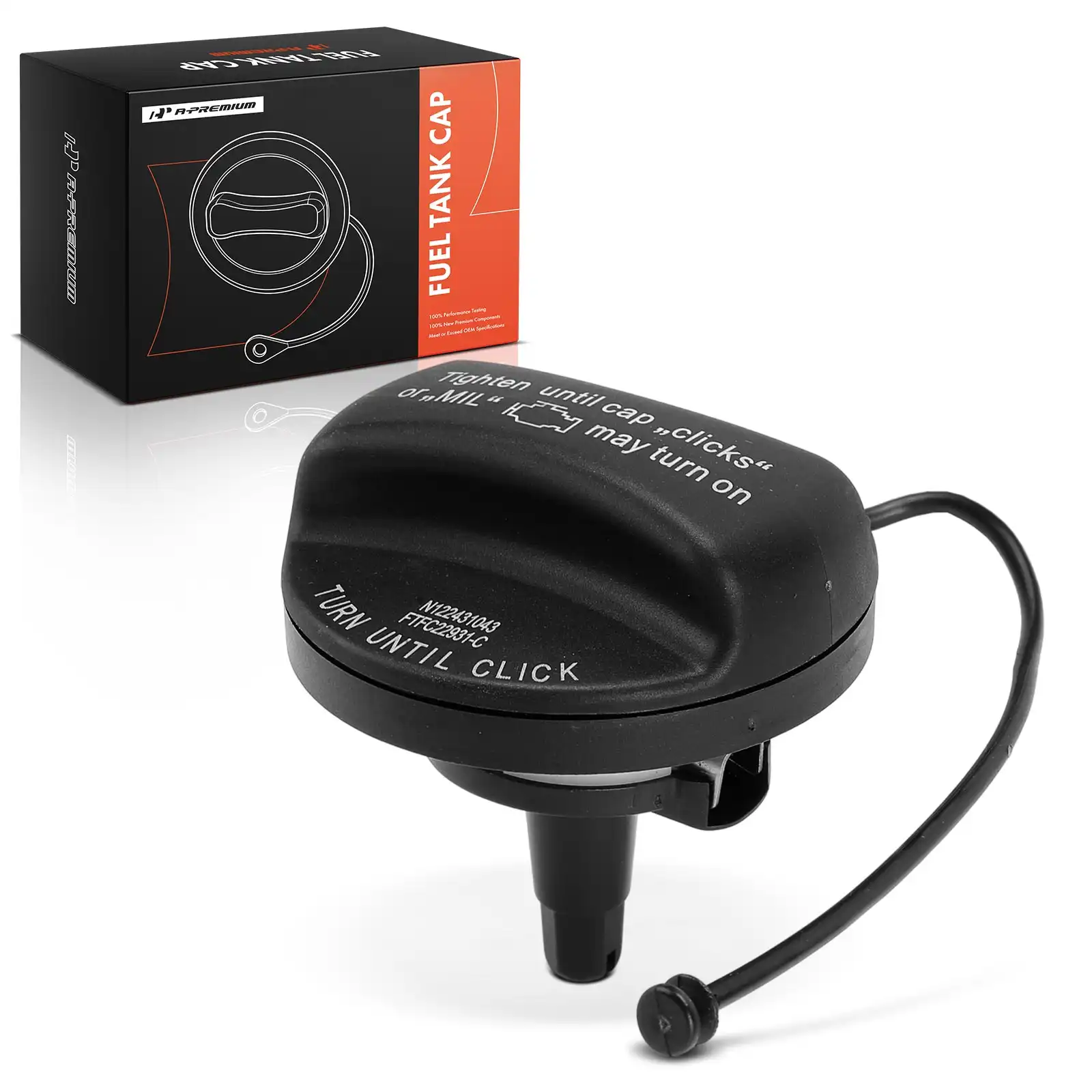
- Gas cap. Not clicked tight, a cracked seal, or the wrong cap. Learn whether a loose gas cap can trigger the check engine light and the signs of a bad gas cap.
- Hoses and lines. Rubber vapor lines crack, and plastic lines can split or get pinched during other repairs.
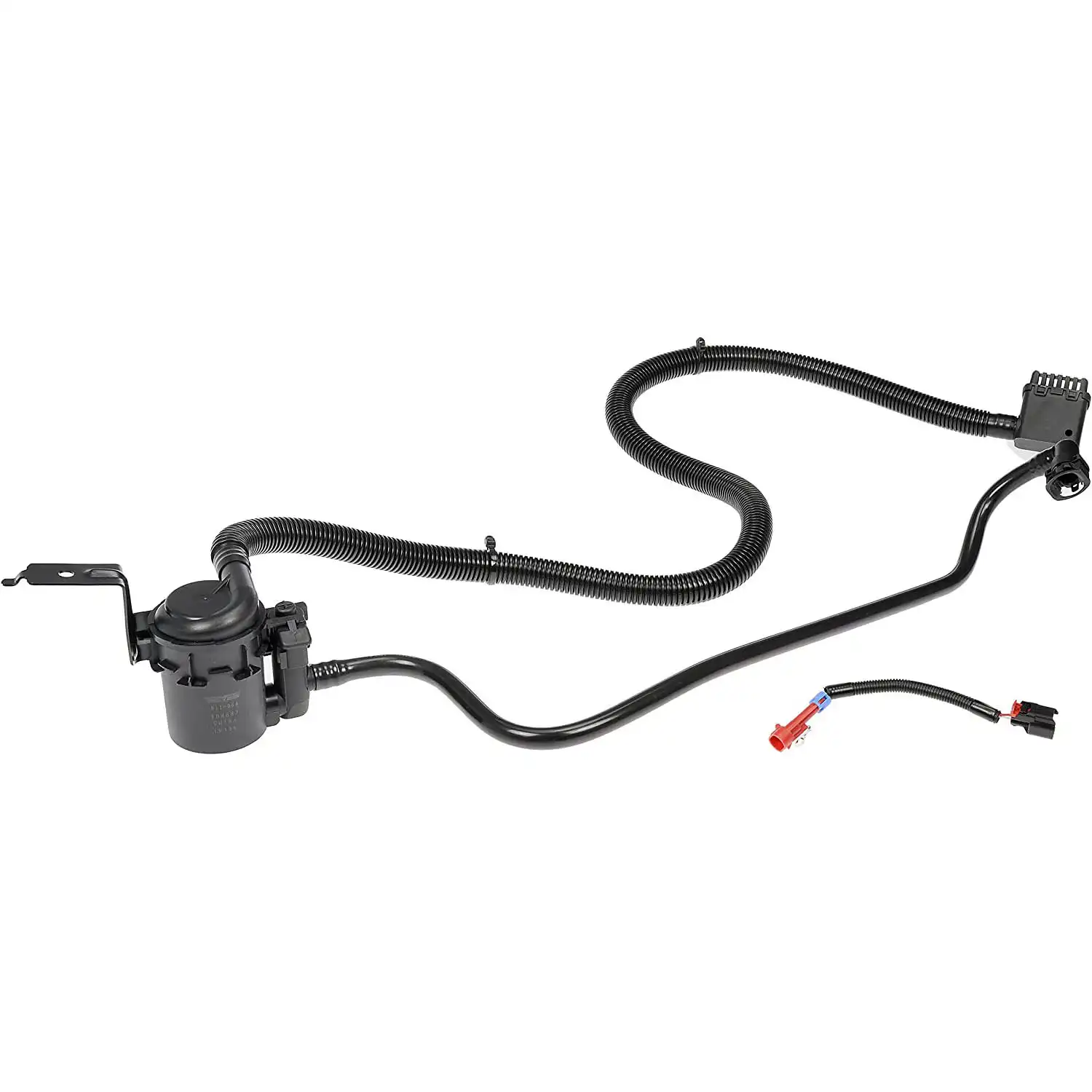
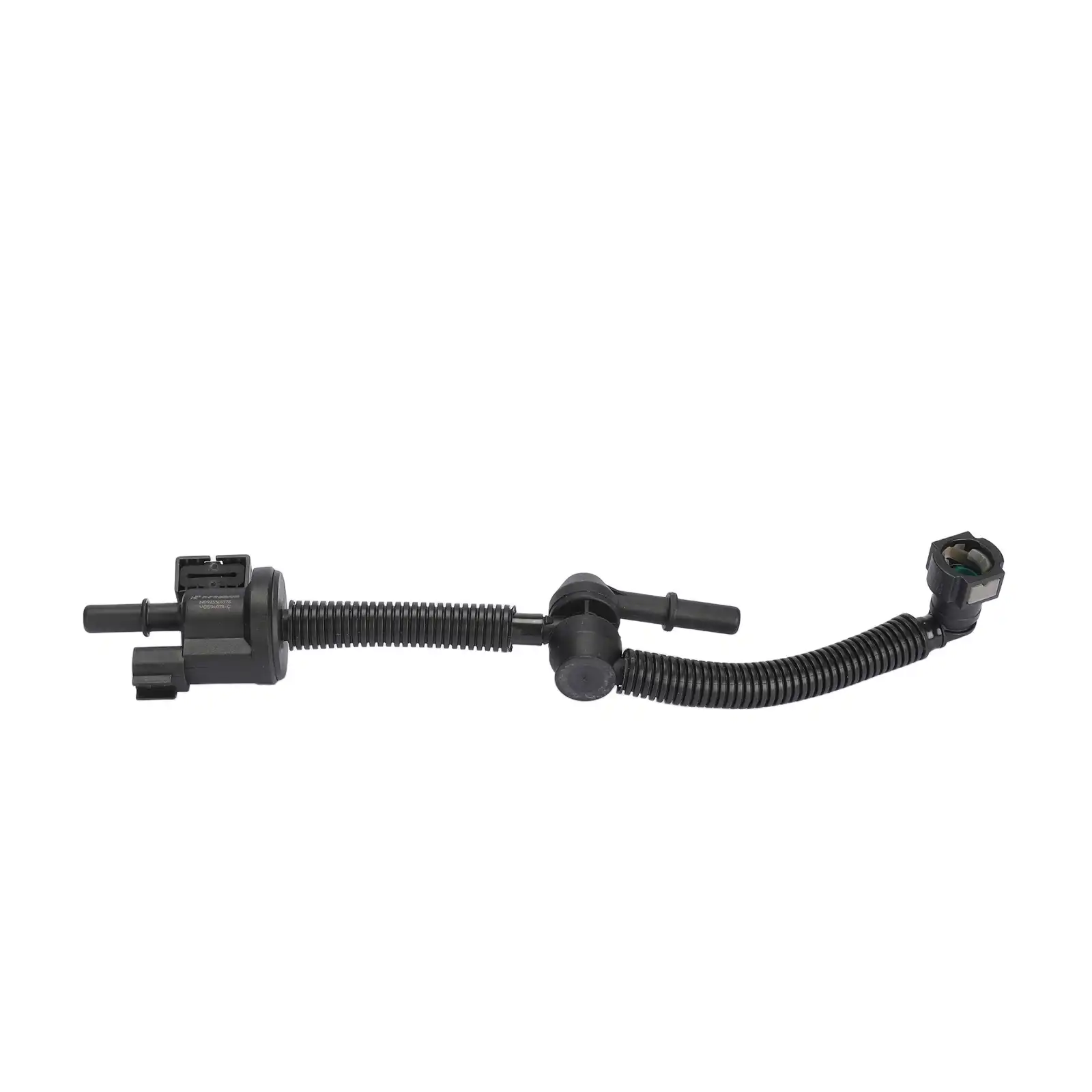
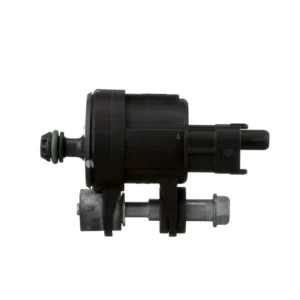
- Purge valve. A valve stuck open can set an EVAP code (often a purge-flow code like P0441) and cause a rough idle and hard starting right after a fill-up. See canister purge valve symptoms and where the purge valve is located.
- Vent valve. The vapor canister vent valve sits near the canister, often under the car, and can stick or fill with debris. Here is where the vent solenoid is located.
- Filler neck. The fuel filler neck and its seal at the tank can rust or crack, especially in road-salt states.
- Charcoal canister. The vapor canister can crack or become saturated with liquid fuel, a known risk of topping off the tank. Read what a vapor canister does.

How Do You Find an EVAP Leak?
Work from the simplest checks to the most involved. Start with the free and cheap checks before paying for diagnosis.
- Read the code. A scan tool tells you whether the system sees a large leak, a small leak or a valve fault. That narrows the search.
- Check the gas cap. Remove it, inspect the seal for cracks, and tighten it until it clicks. If the seal is hard or torn, replace the cap.
- Clear the code and drive. The monitor needs to run again under the right conditions, which can take several days of normal driving. If the light stays off, you are done. Clearing codes also resets the readiness monitors, so wait until they show ready before an emissions inspection.
- Inspect what you can see. Look at the hoses near the engine and purge valve, the filler neck, and the canister and vent valve under the car for cracks, loose connectors and rust.
- Test the valves. A scan tool that can command the purge and vent valves lets you check whether each one opens and closes.
- Smoke test. A shop pumps visible smoke into the sealed system and looks for where it escapes. This is the most reliable way to find small leaks. DIY EVAP smoke machines are available if you work on cars often.
Is It Safe to Drive With an EVAP Leak?
Usually, yes, for a short time. Most EVAP leaks are small and do not affect how the engine runs. There are still good reasons to fix it soon:
- Your car will likely fail an emissions inspection while the check engine light is on.
- A lit check engine light can hide a new, more serious problem, because you will not notice a second warning.
- Escaping vapor is lost fuel and added pollution.
Warning: If you smell raw gasoline, especially inside the car or around the tank, have it checked right away. A strong fuel smell can point to a liquid fuel leak, which is a fire risk.
How Much Does It Cost to Fix an EVAP Leak?
The cost depends on which part failed. RepairPal’s national shop estimates (updated September 3, 2026) for the most common EVAP repairs:
| Repair | Estimated shop cost (RepairPal) | Parts share |
|---|---|---|
| Gas cap replacement | $138 to $150 | About $114 |
| Purge valve replacement | $210 to $251 | $146 to $156 |
| Fuel evaporative (charcoal) canister replacement | $558 to $643 | $427 to $450 |
Diagnostic and smoke test fees are usually charged separately from the repair.
Doing the work yourself removes the labor charge. Gas caps, purge valves and many vent valves are simple bolt-on or clip-on parts. Canisters and filler necks often sit near the tank and can take more time.
FAQs
Sometimes. If the cause was a loose gas cap, the light can turn off on its own after the system passes its self-test on several drives. If the leak is a cracked hose or failed valve, the code will come back.
A leak by itself will not damage the engine. A purge valve stuck open can cause rough running and hard starts after refueling, so it is worth fixing promptly.
It can take several days of normal driving, because the leak test only runs under specific conditions like fuel level and temperature. You can also clear the code with a scan tool after the repair.
It can. According to AAA, excess fuel can flood the charcoal canister, which is designed for vapor, not liquid gasoline. A saturated canister can lead to a check engine light and a repair that was avoidable.
Both are EVAP leak codes. P0455 means a large leak, often a missing cap or disconnected hose. P0456 means a very small leak, which is harder to find and often needs a smoke test.
Keep Reading: Related Posts




Any information provided on this Website is for informational purposes only and is not intended to replace consultation with a professional mechanic. The accuracy and timeliness of the information may change from the time of publication.