You might already know that your vehicle needs a vapor canister purge solenoid. What’s harder is picking the listing that actually matches your ride’s engine, connector, and mounting setup instead of one that just looks close enough in the thumbnail.
These solenoids look nearly identical across makes and model years. Housing shape, vacuum connector count, and mounting position can vary even within listings for the same vehicle, and a title that mentions your ride’s year and model doesn’t automatically mean every detail lines up with the part in your engine right now.
This isn’t a guide to diagnosing a bad purge solenoid or walking through the swap. It’s a pre-order check to help you confirm you’re choosing the right listing before you commit to a purchase.
How Do You Choose the Right Vapor Canister Purge Solenoid?
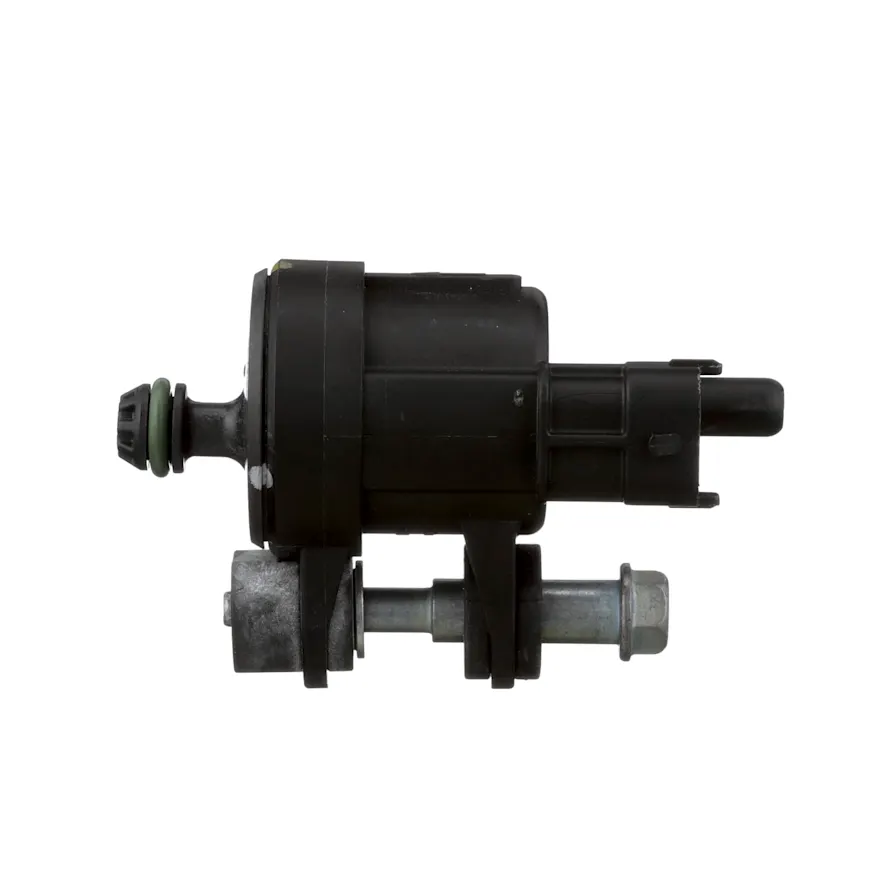
Start by confirming your vehicle’s year, make, model, and engine, since purge solenoids often differ by powertrain even within the same model line. Then check the listing for vacuum connector count and diameter, housing material, and whether it comes with or without a wiring harness, since these details separate a correct match from one that merely resembles your old part. Compare the listing’s specifications against your existing solenoid where possible, especially the connector layout and mounting location. Confirm quantity and warranty terms before you check out, and treat brand as a final confidence check rather than your first decision point.
Start With the Vehicle, Not the Product Image
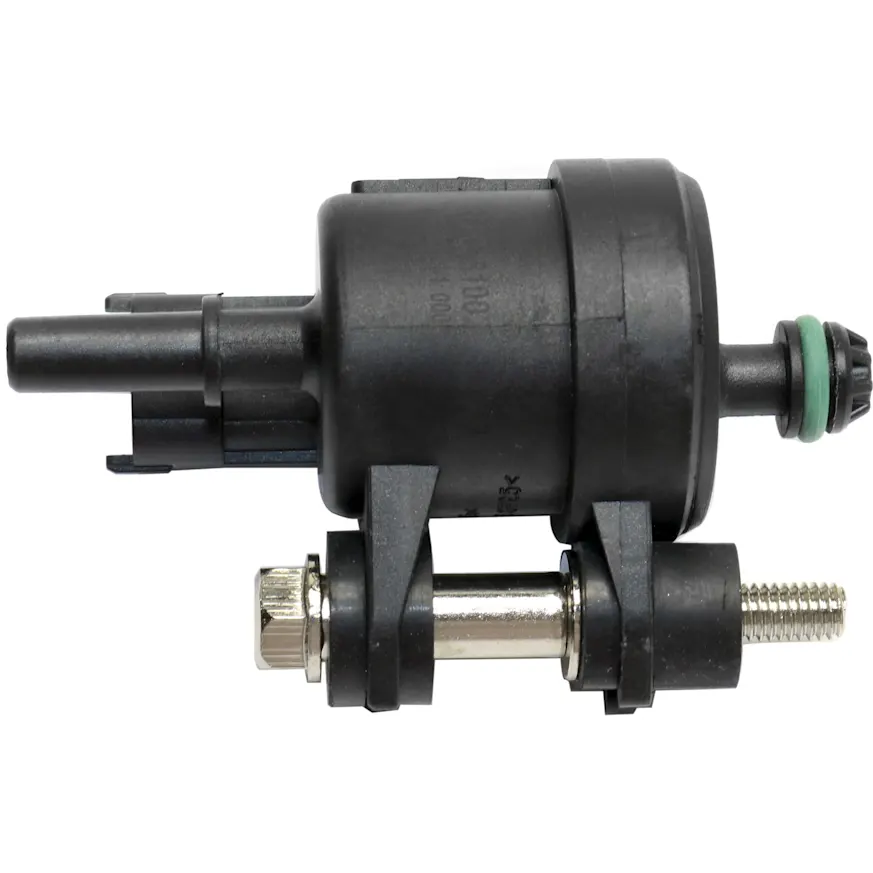
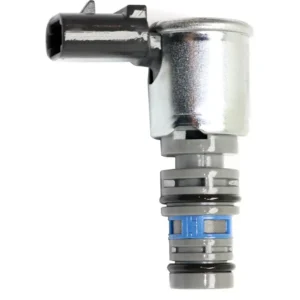
Start with the vehicle, not the thumbnail. Purge solenoids can look similar in photos while differing in vacuum port placement, connector count, or mounting bracket design, and none of this shows clearly in a small product image.
Before narrowing down listings, confirm the following:
- Year, make, and model
- Engine size and configuration
- Emissions package, since some regions or model years use different evaporative emission control system (EVAP) hardware
- Mounting location, since some solenoids mount near the intake manifold while others mount elsewhere in the engine bay
If your vehicle has more than one engine option for its model year, don’t assume the listing defaults to the right one. Confirming the engine size prevents ordering a solenoid built for a different EVAP system layout.
Identify the Version Your Repair Actually Needs
A purge solenoid listing can share the same part name as another and still serve a different application. The version differences that matter most for this part are usually about connection and construction, not overall shape.
- With harness vs. without harness: Some listings include the wiring pigtail attached to the solenoid, while others are sold as the solenoid body only, without the harness. Ordering the wrong version means either paying for a harness you don’t need or discovering too late that you still need to source one.
- Number of vacuum connectors: Some solenoids have a single vacuum connector, while others have two, depending on how the EVAP lines route on your engine.
- Housing material: Listings vary between metal-and-plastic construction and other housing builds, which can affect mounting hardware and bracket fit.
- Series and application scope: Some manufacturers group listings under a named series built for OE-style fitment for specific platforms, while other listings are broader replacement parts. The series name doesn’t replace checking your vehicle’s fitment details.
Two purge solenoids can look almost identical and still solve different ordering problems depending on harness inclusion and connector count.

Compare the Details That Make the Part Fit
Use the product image as a starting point, not as the whole match. A photo can confirm general shape but won’t always show connector count clearly or the exact vacuum port diameter.
Before adding a listing to cart, compare it against your existing solenoid on these points:
- Number of vacuum connectors and their diameter
- Whether the harness or pigtail is attached or sold separately
- Overall housing length and mounting tab position
- Housing material and mounting hardware style
- Mounting location relative to the intake manifold or EVAP canister line
If you still have access to the old part, holding it next to the listing’s specifications is the most reliable way to confirm a match before ordering.
Check What Comes in the Box
Fitment and completeness are two separate questions. A listing can be the correct solenoid for your vehicle and still leave you needing to source a small additional item separately.
Purge solenoid listings commonly include or exclude the following:
- The solenoid body itself
- A wiring harness or pigtail connector, which some listings include and others sell as “without harness”
- Mounting hardware or a bracket
- A rubber grommet or seal at the mounting point
Some listings are labeled “Sold Individually,” which confirms quantity rather than kit contents, so don’t assume a harness or bracket is included just because the listing photo shows one attached. Checking this detail before checkout can save you a second order for a connector that turns out to be sold separately.
Compare Brands After You Confirm Fitment
You can confirm a bad purge valve in about 20 minutes with basic tools.
Brand matters, but it shouldn’t be the first filter. A purge solenoid from Dorman, AC Delco, Standard, Gates, GPD, A-Premium, or a house-brand replacement listing still has to match your vehicle’s connector count, housing type, and mounting location before it belongs in the cart.
Use brand as a confidence filter after the fitment details are settled, not as your starting point. Depending on the listing, different manufacturers can package the solenoid with or without a harness, use different housing materials, or group it under a specific OE-style series for certain platforms. Warranty terms also vary by brand and listing, from limited-mileage coverage to longer manufacturer warranties, so it’s worth reading before you decide between similarly priced options.
The better question isn’t “Which purge solenoid brand is best?” It’s “Which brand offers the correct connector count, harness configuration, and mounting fit for this vehicle?” Fitment and version details answer that question long before brand name does.
Choose the Right Ownership Lane
The right purge solenoid isn’t always the most expensive one. It’s the one that matches how you plan to use the vehicle and how long you need the repair to hold.
- Basic Functional Replacement: Fits drivers who want to resolve a failed solenoid or a related EVAP code without paying for extras they don’t need. A correctly matched solenoid body, with or without harness depending on what your vehicle already has, is usually enough here.
- Daily-Driver OE-Style Replacement: Fits drivers who want a solenoid built to match factory connector count and mounting specs closely, minimizing the chance of needing a harness adapter or bracket modification.
- Long-Term or High-Mileage Vehicle Choice: Fits owners planning to keep their vehicle for years or who’ve already replaced EVAP components before. A listing with a longer warranty term and complete harness can reduce the chance of needing a second small purchase later.
Don’t overpay for features you don’t need, and don’t underbuy by skipping the connector and harness check just to save a few dollars. The wrong harness configuration costs more in return shipping than the price difference between listings.
Make the Final Add-to-Cart Check
Before you add the vapor canister purge solenoid to cart, make sure the listing matches your vehicle, connector count, harness configuration, and the details you can verify from the original part.
- Vehicle year, make, model, and engine confirmed
- Number of vacuum connectors and diameter confirmed
- With-harness or without-harness version confirmed
- Housing material and mounting style confirmed
- Mounting location matches your engine’s setup
- Old part compared against listing specs where possible
- Quantity confirmed
- Warranty terms reviewed
- Brand chosen only after fitment and version are settled
- Product notes and application fitment read in full
Your Best Starting Point
Start with your vehicle’s year, make, model, and engine to narrow the field. From there, focus on vacuum connector count and harness inclusion rather than shape alone, since that’s where most purge solenoid listings actually differ. Confirm what’s included before checkout, especially whether the harness is attached, and use brand as a secondary confidence filter once everything else checks out.
The best purge solenoid order isn’t the one that looks close enough in a photo or carries a familiar brand name. It’s the one that matches your vehicle’s connector configuration, mounting location, and included components down to the details you can verify before you check out.
Keep Reading: Related Posts




Any information provided on this Website is for informational purposes only and is not intended to replace consultation with a professional mechanic. The accuracy and timeliness of the information may change from the time of publication.