A rough idle that smooths out at higher RPM. A hard restart right after you fill the tank. A check engine light flashing P0455 or P0456.
On both the Ford Fusion and Ford Edge, these often point to one part: the vapor canister purge valve. Sourcing it the smart way keeps a small fix from turning into a big bill. Here’s how to do that.
What a Bad Purge Valve Does on Your Fusion and Edge
The purge valve, or vapor canister purge solenoid, sits between the charcoal canister and intake manifold. It feeds stored fuel vapors into the engine, so they burn instead of escaping. When it sticks open or closed, the EVAP system stops sealing. That’s when the symptoms below show up.
- Check engine light with code P0441, P0443, P0455, P0456, P1450, or P0496
- Rough idle that smooths out as RPM climbs
- Hard starting right after refueling
- A faint fuel smell near the vehicle
- Weaker fuel economy and a failed emissions test
A stuck-open valve floods the intake with raw vapor and runs the engine rich. A stuck-closed one blocks the EVAP monitor and sets a small leak code.
A badly stuck valve can even trigger a large leak code. Either way, the repair starts at the same part.
Here’s the part worth taking seriously. On some model years, a stuck valve lets vacuum pull on the plastic fuel tank. Left alone, that can deform the tank and turn a sub-$50 job into a $1,500 fuel-system repair.
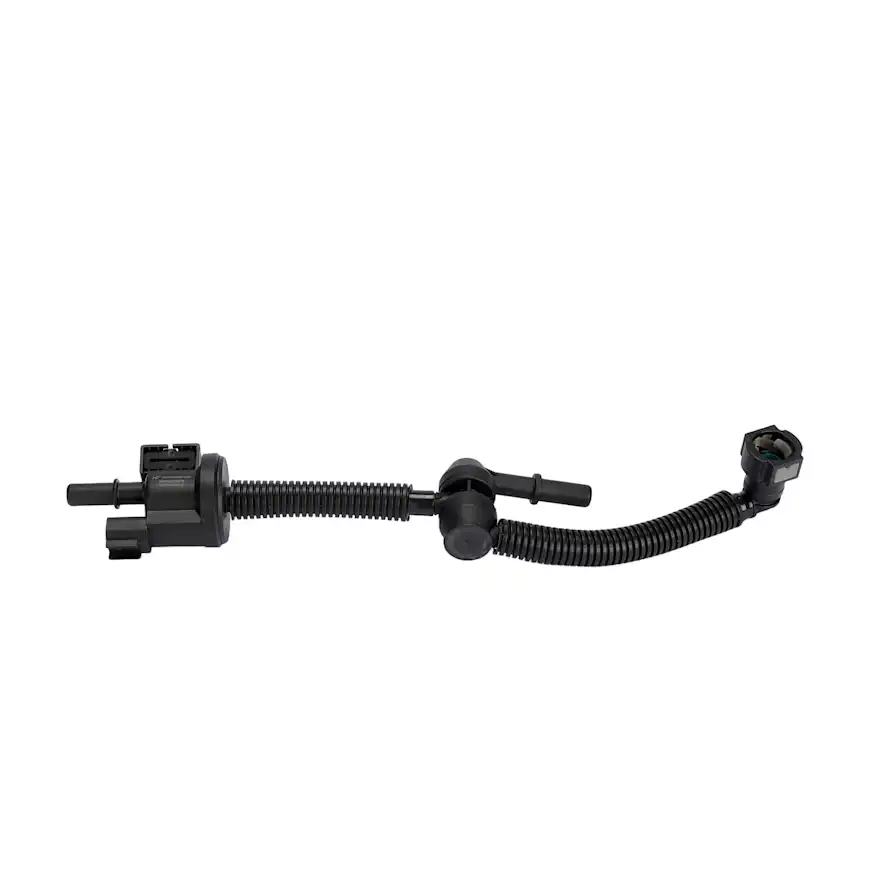
Where Can I Find Affordable Ford Edge Purge Valves?
You’ve got three ways to buy, and the right one depends on what you value. Let’s walk through each so you can pick with confidence.
Aftermarket Direct-Fit Valves
These are the best value for most owners, and they perform like the factory part. A canister purge solenoid usually runs $25 to $50, versus $50 to $80 for OEM. Check the Ford Edge purge valve listings by year to confirm fit before you order.
OEM and Used Options
An OEM Motorcraft valve suits owners who want the exact factory match. Used and salvage valves cost the least up front, so they work if budget rules the day.
Fusion owners follow the same path. Browse the Ford Fusion purge valve range to match your engine and year. Solid aftermarket valves for this platform start around $24. Just match the part number to your exact engine, since a 2.0L EcoBoost, a V6, and a hybrid each take a different valve.
Should You Rule Out the Fuel Filler Neck First?
Yes, and it costs you nothing. Both the Fusion and Edge use a capless fuel filler system, and debris at the seal mimics a bad purge valve.
Clean the capless neck with the emergency funnel and some compressed air first. If the code clears, you just saved a part swap.
If the code comes back, the valve is your likely culprit. A truly bad valve keeps setting codes no matter how clean the inlet gets. So run this free check before you spend a dime.
Is There a Ford Purge Valve Recall to Know About?
Ford issued Safety Recall 18S32 for about 1.5 million 2012 to 2018 Focus models with 2.0L engines. A stuck-open valve on those cars could deform the fuel tank and cause a stall.
The Fusion, Edge, and Escape weren’t part of that safety recall. Ford handled the same failure pattern through service bulletins and satisfaction programs instead. That includes TSB 19-2207 for the Fusion Hybrid, C-Max, and MKZ Hybrid.
So check your VIN against open Ford campaigns, since coverage varies by model and engine. Until any repair is done, Ford suggests keeping the tank at least half full to cut stall risk.

How Do You Replace a Fusion or Edge Purge Valve?
On most model years, the valve sits on top of or beside the engine. A confident DIYer wraps this up in 20 to 30 minutes, and shop labor adds $150 to $320.
Follow these steps to do it yourself.
- Disconnect the negative battery terminal and pull the engine cover if fitted.
- Find the valve between the charcoal canister and intake manifold, then unplug the connector.
- Release the EVAP hose fittings and note the clip orientation for reassembly.
- Remove the bracket bolts or studs and lift out the old valve.
- Fit the new valve, reconnect the hoses and connector, then reattach the battery.
- Clear the codes and drive a full EVAP monitor cycle to confirm the fix.
Want to confirm the failure before ordering? With the engine idling, pull the hose off the solenoid and cover the port with a finger. Any suction means the valve is stuck open.
If the code points to the purge control circuit instead of flow, check the connector and wiring first. A fuel tank pressure sensor or gas cap fault can read the same way, so test the valve before swapping those.
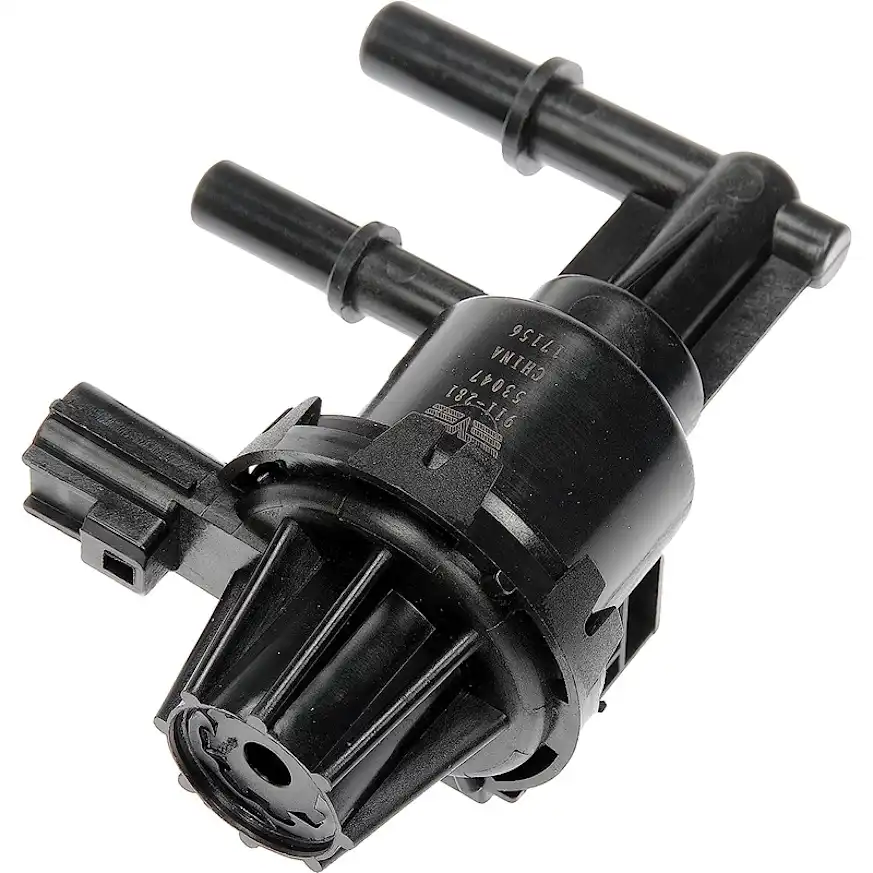
Why Buy Your Purge Valve at CarParts.com?
Once you’ve pinned down the valve, you want a part that fits right and a purchase you can undo. CarParts.com covers both, and a few features make the buy easy.
Guaranteed to Fit filters the catalog to your exact year, engine, and trim. Free 30-day returns mean a misdiagnosis won’t leave you stuck with the wrong valve. The price-match guarantee keeps you from overpaying, and regional warehouses get the part to your door fast.
A sticking purge valve is one of those rare repairs where the cheapest correct part is also the right one. Clean the filler neck, run the finger test, then grab a direct-fit purge valve matched to your engine. Do it in that order, and you’ll dodge the tank damage that catches owners who wait.
Keep Reading: Related Posts






Any information provided on this Website is for informational purposes only and is not intended to replace consultation with a professional mechanic. The accuracy and timeliness of the information may change from the time of publication.