Two cab corners can look nearly identical in a photo and still fit two different trucks. One panel might match a regular cab. The other only fits a crew cab. You’ve narrowed the repair down to a cab corner, but you still need the exact listing that matches your truck.
This guide focuses on one thing: closing the gap between knowing the part name and knowing which cab corner listing belongs in your cart. Getting this right the first time also saves you a return shipment and a delayed repair.
Quick Answer: How Do You Choose the Right Cab Corner?
Start with your truck’s year, make, model, and cab style. Regular cab, extended cab, crew cab, and quad cab trucks often need different cab corner panels. Confirm the side you’re repairing, then check whether the listing is a repair panel, a full outer panel, an inner-and-outer set, or a combo kit that includes the rocker. Compare the panel’s dimensions and finish against your damaged piece and treat brand as your last check instead of your first.
Start With the Vehicle, Not the Product Image
Start with the vehicle, not the thumbnail. Cab corner photos look similar across model years, but the panel behind that photo often isn’t.
- Year, make, and model
- Cab style: regular, extended, crew, quad, or mega cab
- Driver side or passenger side
- Whether you need one panel or a matched pair
Cab styles that share the same body can still split into separate listings. Door count and cab length change which cab corner fits, even within the same model years. A quick check against your vehicle’s specs prevents an easy ordering mistake.
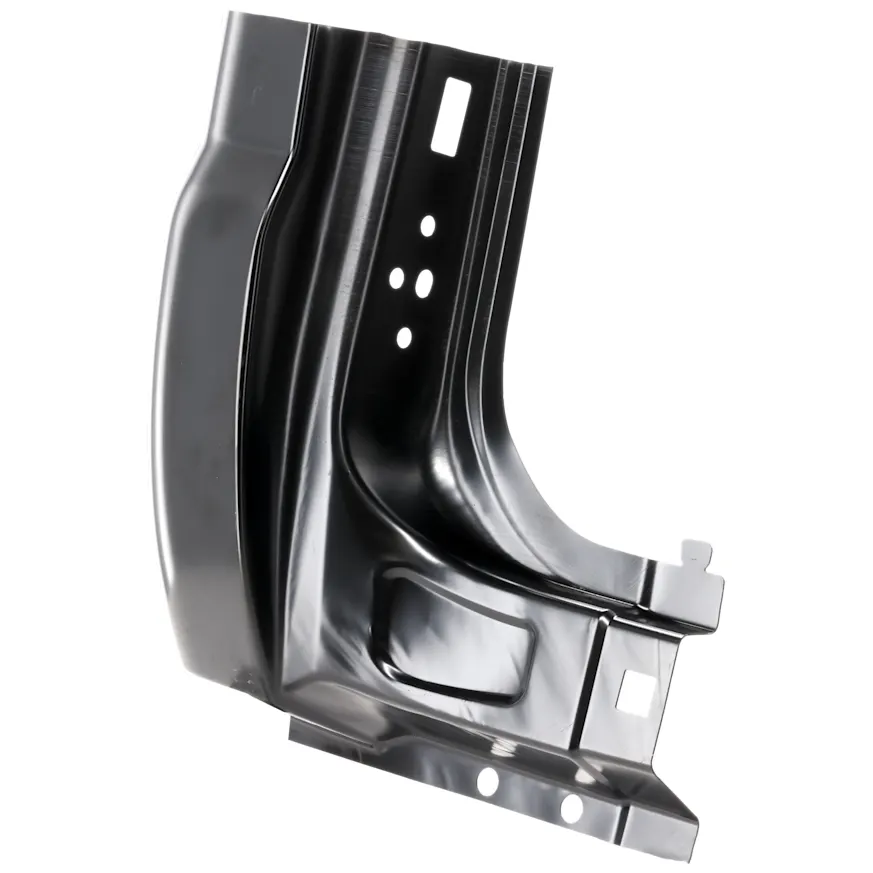
Identify the Version Your Repair Needs
Two cab corners can share the same name and still solve different problems. Some listings patch surface rust. Others replace the entire corner structure.
Repair Panels and Full Panels
A cab corner repair panel covers surface level rust without replacing the whole corner. A full outer cab corner replaces the entire visible panel instead, which works well when the structure behind it still holds up.
Sets and Combo Kits
An inner and outer cab corner set replaces both layers once rust has worked past the surface. A combo kit bundles the corner with the rocker panel or dogleg for repairs where rust has spread further.
If your rust stays on the surface, a repair panel or single outer piece usually does the job. If an inspection turns up rot behind the panel, a full set or combo kit makes more sense for the long run, especially if rocker panel replacement is already part of the plan.
Compare the Fit and What’s Included
Use the product photo as a starting point, not the final word. Aftermarket cab corners are stamped from scans of original panels, so most fit well right out of the box, though small differences between brands can still show up during installation.
What to Compare
Look at the panel’s dimensions, steel gauge, and finish before you order. Check whether it’s pre-notched at the factory spot weld points, since that detail speeds up installation and keeps the repair closer to stock.
What’s Included
Most cab corners ship primed or e-coated rather than painted, which is normal and gives you room to match your own paint. Some listings include mounting hardware or clips, while others expect you to reuse the originals. A combo kit includes the rocker panel or dogleg, but a standalone corner doesn’t, so check the listing before you assume it’s included.

Compare Brands After You Confirm Fitment
Brand matters, but it shouldn’t be your first filter. A Key Parts, JC Whitney, or Replacement cab corner still needs to match your truck’s cab style, side, and panel type before it earns a spot in your cart.
Treat brand as a confidence check once fitment is settled. Different brands stamp their panels to slightly different tolerances, use different finishes, or bundle different combinations of corner, rocker, and dogleg. All of these are solid aftermarket options once the fitment details line up.
The better question isn’t which brand makes the best cab corner. It’s which brand offers the configuration your truck and repair actually need.
Choose the Right Ownership Lane
The right cab corner isn’t always the priciest option. It’s the one that matches how long you need the repair to last and how far the rust has spread. Watching how cab corner rust costs climb over time helps you pick the lane that fits your budget.
A basic repair panel works well when rust stays on the surface, and the structure behind it checks out solid. It’s an affordable way to stop the damage before it spreads further.
A complete inner and outer set fits daily drivers whose rust has moved past the surface but hasn’t reached the rocker yet. It costs more than a single panel, but it closes off a repair that a patch alone can’t hold.
A combo kit suits a full restoration or a truck where rust has already reached the rocker. It’s the right call for owners planning to keep the truck for years, not just patch it once. Rust at this stage often creeps into the quarter panel next, so catching it now can save a second repair later.
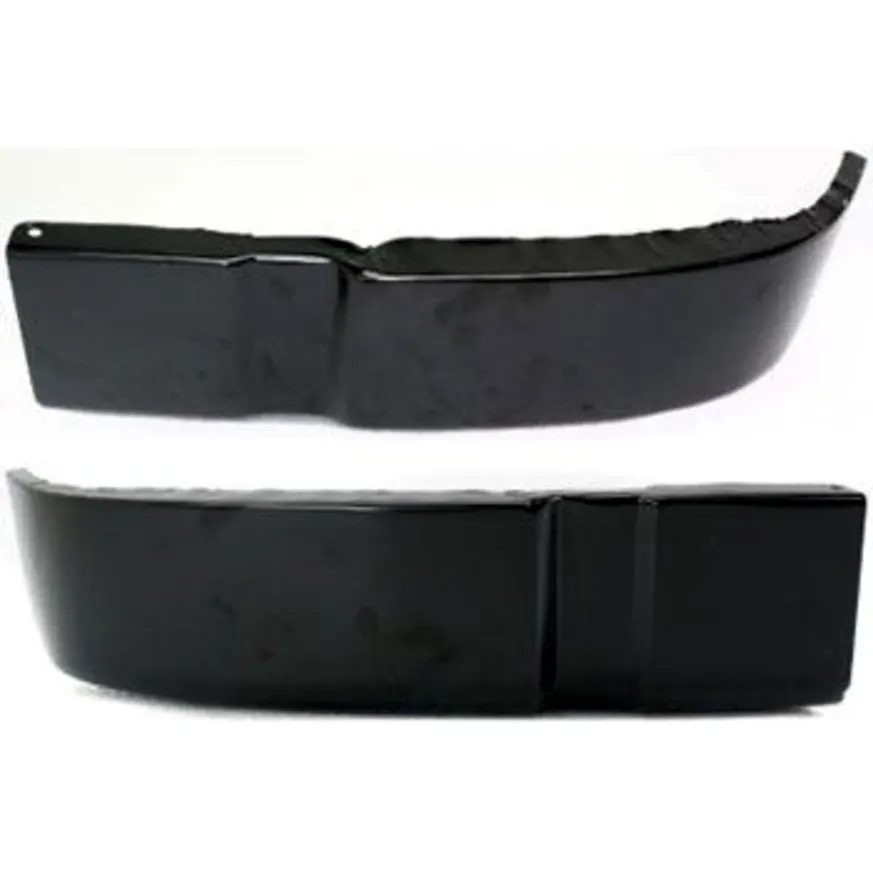
Make the Final Add to Cart Check
Before you add the cab corner to cart, run through one more check. Confirm the listing matches your truck, your side, and what you can verify against the damaged panel.
- Year, make, model, and cab style confirmed
- Driver side or passenger side confirmed
- Repair panel, full panel, set, or combo kit confirmed
- Panel dimensions and finish checked against the original
- Hardware or clips confirmed, if the listing needs them
- Brand chosen only after everything above checks out
Your Best Starting Point
Start with your truck’s year, make, model, and cab style. Narrow the listings by side and by panel type, whether that’s a repair panel, a full piece, a set, or a combo kit.
Confirm what the listing actually includes before you assume hardware or a rocker panel comes with it. Compare dimensions and finish against your damaged panel, then let brand be your last checkpoint instead of your first.
The best cab corner order isn’t the one that looks close enough in a thumbnail. It’s the one that matches your truck, your side, and how much of the surrounding metal your repair needs to cover. A well matched aftermarket cab corner gets you back on the road without the wait or cost of an OEM panel.
Keep Reading: Related Posts


Any information provided on this Website is for informational purposes only and is not intended to replace consultation with a professional mechanic. The accuracy and timeliness of the information may change from the time of publication.