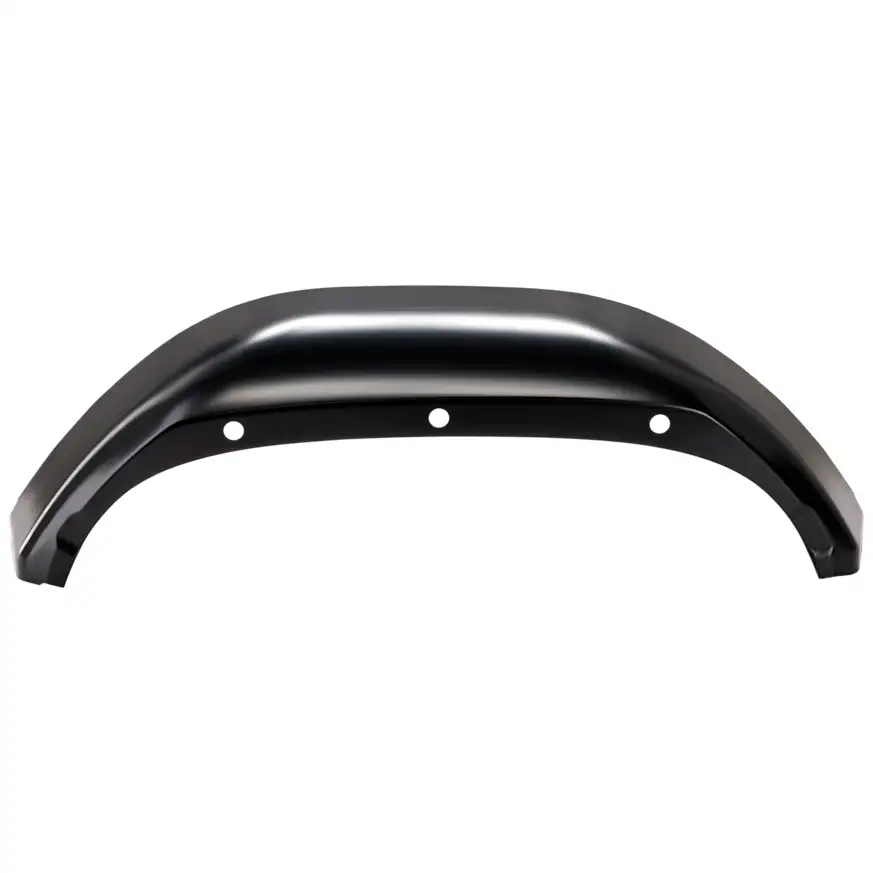
You might already know that a rusted-through or collapsed wheelhouse has to come out before a new fender, liner, or tire ever sits correctly again. The harder part is picking the listing, because wheelhouse results tend to look alike in thumbnail form: black, curved, and roughly the same shape from every angle.
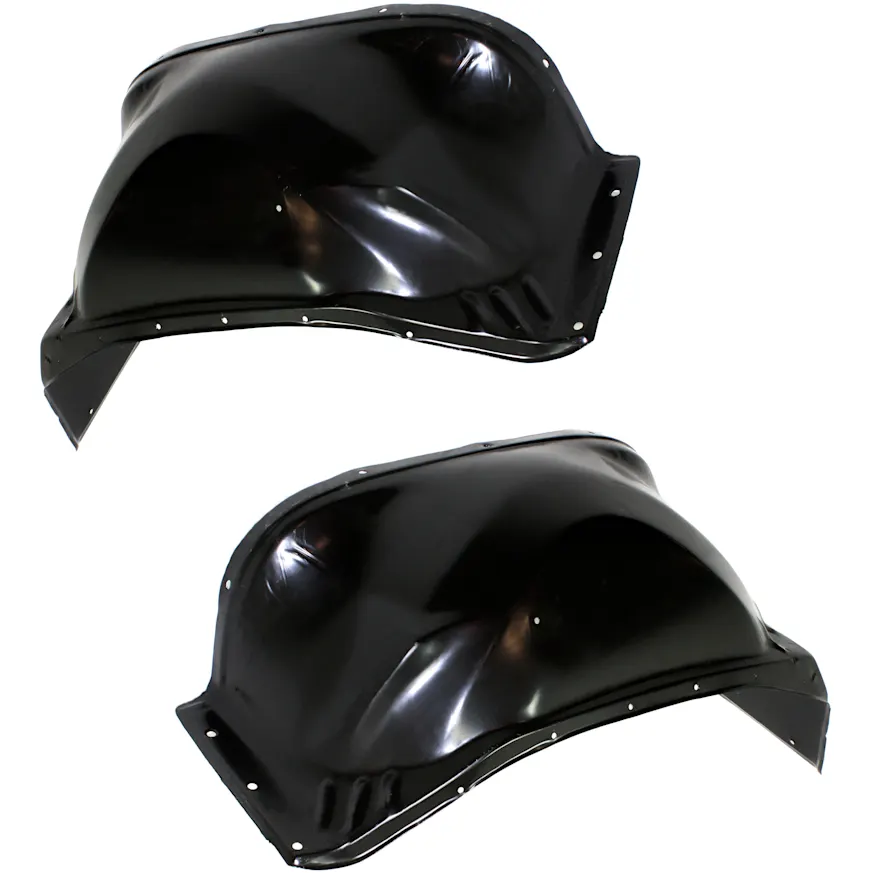
Two listings that look nearly identical can still be very different orders. One covers a single side, while another ships as a set of two. One is labeled inner and sits behind the plastic liner, while another is a partial section meant to replace only the rusted lower area.
None of this is visible in a product photo. It lives in the title, the position wording, and the components line, which is exactly where wrong-part orders usually start.
This is a preorder check. It walks through the vehicle details, position wording, version differences, and listing contents you should settle before the wheelhouse goes in your cart.
How Do You Choose the Right Wheelhouse?
Start with your vehicle’s year, make, model, and body style, then confirm whether you need front or rear and driver or passenger side. Read the listing title closely, because some wheelhouses are sold individually while others ship as a set of two, and many are labeled inner to separate them from the plastic fender liner that mounts over them. Confirm the listing is a direct-fit panel for your application rather than a partial repair section, and check the components line so you know how many pieces actually arrive. Compare the contour, mounting flange, and factory cutouts against the panel you’re replacing. Brand comes after all of this, once you already know which version belongs on your vehicle.
Start With the Vehicle, Not the Product Image
Start with the vehicle, not the thumbnail. Wheelhouse panels are shaped around a specific body opening, and a panel that’s a quarter inch off in contour or flange placement won’t sit flush no matter how close it looks on screen.
Confirm these details before you filter anything:
- Year, make, and model: Body panels often change mid-generation even when the exterior styling looks unchanged.
- Body style: Sedan, coupe, hatchback, wagon, and convertible versions of the same model can use different rear wheelhouses.
- Cab and bed configuration: On trucks, regular cab, extended cab, and crew cab versions differ, and bed length can change the rear panel.
- Front or rear: Front wheelhouses wrap the engine bay side of the wheel well. Rear panels tie into the quarter panel area and are shaped differently.
- Driver or passenger side: These aren’t interchangeable, and many part numbers carry an R or L suffix to mark the side.
- Drivetrain and trim, depending on application: Some applications route wiring, washer bottles, or battery trays differently, which changes the cutouts in the panel.
If your vehicle sits near a production-year changeover, the vehicle selector is the safer path than matching by eye.
Identify the Version Your Repair Actually Needs
Two wheelhouses can share the same name and still solve different ordering problems. The version differences that matter most in this category are quantity, position, and panel scope.
- Single side vs. set of two: Some listings are sold individually. Others are built as a set and cover the driver and passenger side together, with the components line reading as two wheelhouses. A set is useful when both sides are corroded or when you’re replacing both after collision work, but it’s an unnecessary purchase if only one side is damaged.
- Inner wheelhouse vs. fender liner: Listings marked inner refer to the structural panel that forms the wheel well itself, not the removable plastic splash shield that clips over it. Shoppers who actually need the liner sometimes land in this category by mistake.
- Front vs. rear position: Front and rear wheelhouses serve different openings and rarely share a shape. Confirm the position wording in the title matches the corner you’re working on.
- Full panel vs. partial repair section: Some applications offer a complete panel while others offer a partial repair section intended to replace only the rust-prone portion. These aren’t equivalent purchases, so check what the listing covers.
- Direct fit vs. universal or trim-to-fit: Listings marked direct fit are shaped for a specific application. Anything described as universal will need shaping, which changes the scope of the work.
- Single component vs. set vs. kit: Wheelhouses are merchandised all three ways depending on the application, so the same search can return very different package types side by side.
Compare the Details That Make the Part Fit
Use the product image as a starting point, not as the whole match. If the damaged panel is still on the vehicle or you can see it clearly, compare these points against the listing photos and product details before ordering:
- Overall contour and how sharply the panel curves through the arch
- Mounting flange shape and where the panel meets the rocker, frame rail, or inner structure
- Factory cutouts and openings for wiring, washer bottle, battery tray, jack storage, or antenna
- Drain and vent hole placement
- How far the panel extends forward and rearward from the arch
- Material and construction, since some applications use stamped steel and others use molded composite
- Fastener hole pattern and clip locations along the outer edge
- The side designation in the part number, where an R or L suffix tells you which side the panel is built for
If a detail on the listing doesn’t match what you can see on the vehicle, treat this as a reason to check the application again rather than a tolerance you can work around.

Check What Comes in the Box
Fitment and completeness are two separate questions. A wheelhouse listing can be correct for your vehicle and still be incomplete for the repair in front of you.
Check the components line and product details for the following:
- Quantity: Listings sold individually cover one side. Set listings show two wheelhouses in the components field.
- Clips, retainers, and fasteners: Don’t assume these are included. If the old hardware is rusted or broken, plan on sourcing replacements.
- Seam sealer or corrosion coating: Most panels ship bare. Any finishing material is typically a separate purchase.
- Brackets and reinforcements: Smaller attached pieces from the original panel might not carry over to the replacement.
- Fender liner or splash shield: These are separate products and generally aren’t bundled with the wheelhouse.
If the listing doesn’t include a fastener set or the liner you also need, add these to the cart deliberately rather than assuming the panel covers them.
Compare Brands After You Confirm Fitment
Brand matters, but it shouldn’t be the first filter. A Replacement or Key Parts wheelhouse still has to match the vehicle, position, side, panel scope, and quantity before it belongs in the cart.
Once the fitment and version are settled, brand becomes a useful way to compare coverage and packaging. Warranty terms differ by brand in this category: Replacement wheelhouses carry a one-year unlimited-mileage warranty, while Key Parts panels carry the brand’s limited warranty. Different brands can also offer different packaging for the same corner, with one listing the side individually and another offering the pair as a set.
It’s also worth reading the product notes before checkout. Some wheelhouse listings carry a Proposition 65 warning, and this information sits in the listing details rather than the title.
The better question isn’t which wheelhouse brand is best. It’s which brand offers the correct wheelhouse configuration for your vehicle, its corner, and the repair.
Choose the Right Ownership Lane
The right wheelhouse isn’t always the most expensive one. It’s the one that matches how long you need the repair to hold.
- Replace only the damaged side: This fits a single-corner collision repair or localized rust where the opposite side is still sound. A single-side listing is the efficient choice here, and there’s no reason to buy a set for a one-sided problem. Just confirm the side designation carefully, since a single-side order is the easiest place to get the driver and passenger sides mixed up.
- Matched-pair replacement: This fits vehicles where both front or both rear wheelhouses have corroded at the same rate, which is common in older vehicles in salt regions. Set listings that include both sides usually make more sense than two separate orders, and they keep the panel construction consistent across the vehicle. Don’t buy the set if only one side needs work.
- Long-term keeper or full corner rebuild: This fits a vehicle you plan to hold onto, especially when the wheelhouse is coming out alongside a fender, liner, or quarter panel repair. In this lane it’s worth confirming that the listing is a complete direct-fit panel rather than a partial section, and worth reviewing warranty coverage since the panel’s expected to outlast the current ownership period. Extra spending only makes sense if it buys a more complete panel, not just a more familiar name.
Make the Final Add-to-Cart Check
Before you add the wheelhouse to cart, make sure the listing matches the vehicle, corner, side, quantity, and the details you can verify from the original panel.
- Year, make, model, and body style confirmed against the vehicle selector
- Cab and bed configuration confirmed, if applicable
- Front or rear position confirmed
- Driver or passenger side confirmed, including any R or L designation in the part number
- Inner wheelhouse confirmed, rather than the fender liner or splash shield
- Complete panel vs. partial repair section confirmed
- Quantity confirmed as single or set, based on the components line
- Contour, flange, and factory cutouts compared against the old panel
- Clips, fasteners, and any companion items added separately if not included
- Product notes, warranty terms, and any listed warnings reviewed
Your Best Starting Point
Enter the year, make, and model in the vehicle selector first so the catalog narrows to panels built for your application. This single step removes most of the wrong-corner and wrong-body-style results before you start comparing anything.
From there, filter by intended location to separate front from rear, then by quantity to sort single-side listings from sets. Open the listing details and read the components line and position wording before you look at price. Compare the contour and cutouts against the panel on the vehicle, then use brand, warranty, and price range as the last narrowing pass.
The best wheelhouse order isn’t the one that looks close enough in the photo or carries a familiar name. It’s the one that matches the vehicle, corner, side, panel scope, and the quantity the repair actually calls for.
Keep Reading: Related Posts




Any information provided on this Website is for informational purposes only and is not intended to replace consultation with a professional mechanic. The accuracy and timeliness of the information may change from the time of publication.