Filter any parts catalog to knock sensors for your vehicle and you’ll likely land on a page of listings that look nearly identical. Same small black body, same threaded base, similar price range. The problem is that the details separating the right listing from the wrong one don’t show up in the thumbnail.
Mounting style, connector pin count, sensor quantity, and what comes in the box all vary by application. Getting any one of those wrong means a return and a second order. The checks below walk you through each decision point before you add anything to cart.
Quick Answer: How Do You Choose the Right Knock Sensor?
To choose the right knock sensor, start by confirming your vehicle’s year, make, model, engine size, and trim level. Then check whether the listing matches your sensor’s mounting style, either threaded screw-in or flat strap-mount, and verify the connector type and pin count. Some applications use a single sensor; others use two. Check what the listing includes, since most listings don’t ship with a harness or pigtail. Once you’ve confirmed fitment and configuration, use brand as a secondary filter before adding to cart.
Start With the Vehicle, Not the Product Image
Knock sensors are fitment-specific in ways that aren’t obvious from a photo. Two sensors from different applications can look nearly identical and still be completely incompatible.
Confirm these details before you search or filter:
- Year, make, and model
- Engine size and configuration (four-cylinder, V6, V8)
- Trim level or submodel, if it affects engine variants
- Number of knock sensors your vehicle uses (one or two)
- VIN or engine code if you’re unsure about production variants
Some vehicles, especially those with multiple engine options across model years, use two knock sensors at different locations on the block. Like other car sensors, the knock sensor’s fitment depends on exact application details. Ordering one when you need two, or vice versa, is a common mistake that confirming the vehicle details will catch before checkout.

Identify the Version Your Repair Actually Needs
Two knock sensor listings can share the same part name and still serve different vehicles or mounting configurations. The version differences that matter most are mounting style and connector type.
The main splits you’ll encounter:
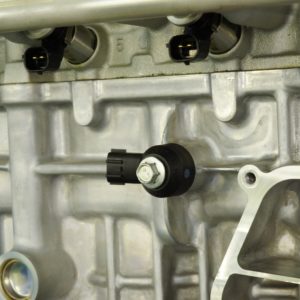
- Screw-in (threaded) vs. flat strap-mount: threaded sensors bolt directly into the engine block, while flat sensors fasten down through a center hole with a separate bolt. These aren’t interchangeable.
- Single sensor vs. set of two: some V6 and V8 applications use one sensor per cylinder bank. Listings sell individually or as a set, so confirm how many your vehicle needs before selecting quantity.
- Connector type and pin count: sensors with the same mounting style can still use different connector configurations. A two-pin and a four-pin sensor won’t plug into the same harness.
- With or without wiring pigtail: some listings include a connector pigtail, which helps when the original harness is damaged. Most ship without one.
Don’t rely on the photo alone. Use the listing’s fitment notes, part description, and vehicle compatibility tool to verify before moving forward. If a knock sensor malfunction code sent you here, double-check that the replacement matches the circuit and bank your vehicle’s computer flagged.
Compare the Details That Make the Part Fit
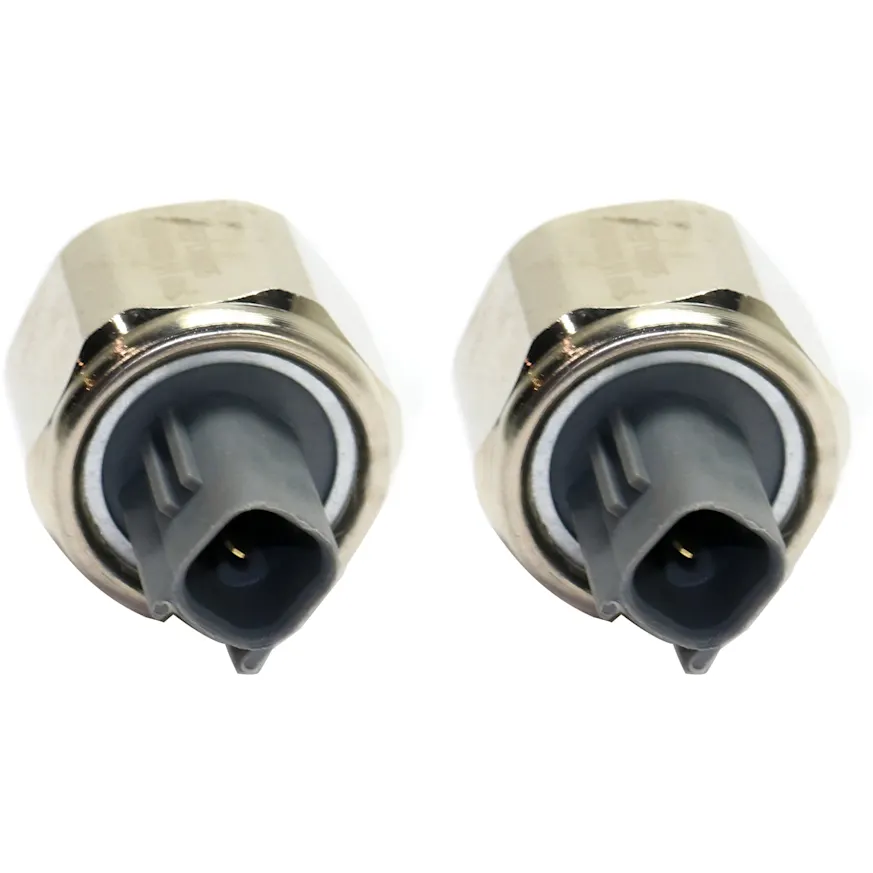
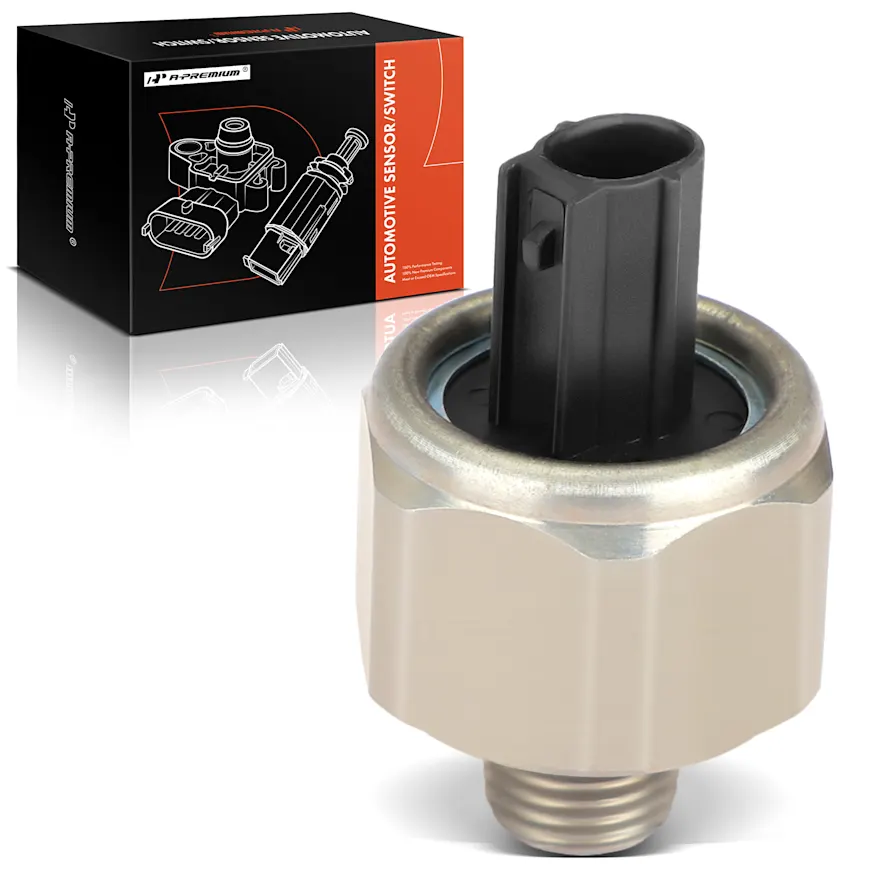
Use the product image as a starting point, not as the whole match. Photos don’t always show connector orientation, thread pitch, or body shape clearly enough to confirm compatibility.
Before ordering, compare these details against your original part or service data:
- Mounting style: threaded body vs. flat-mount with center bolt hole
- Thread size and pitch on screw-in sensors
- Connector shape and pin count
- Body diameter and overall sensor length
- Wire length, if the listing includes a pigtail
- Sensor location: bank 1 or bank 2, if your vehicle uses two
If you can pull the original part, the connector and body style are the fastest visual checks. If the old sensor isn’t accessible, cross-referencing the OE part number or using the vehicle selector on CarParts.com narrows results to confirmed-fit listings.
Check What Comes in the Box
A listing can be correct for your vehicle and still be incomplete for your repair. What’s included varies by listing, so it’s worth checking before you finalize the order.
Common inclusions and exclusions to check:
- Most knock sensors ship individually, not as a pair
- Listings don’t always include mounting hardware (bolt or fastener)
- Most listings don’t include a wiring pigtail or connector unless they specify otherwise
- Some applications have kits available that bundle an intake manifold gasket with the sensor
If the listing doesn’t include a pigtail and the original harness connector is damaged, add a wiring harness connector to your order before checkout. It’s easy to overlook until the sensor is already on the bench.
Compare Brands After You Confirm Fitment
Brand matters, but it shouldn’t be the first filter. A Standard, GPD, A-Premium, Walker Products, Beck Arnley, Bosch, Delphi, Dorman, AC Delco, or Mopar knock sensor still has to match the vehicle, connector, and mounting style before it belongs in the cart.
Once you’ve confirmed fitment, brand becomes a useful confidence check. Different brands offer bare sensors, sensors with pigtails, or kits with additional components. AC Delco and Mopar options typically target GM and Chrysler vehicles, respectively. Brands like Standard, Bosch, and Delphi cover a wide range of domestic and import applications.
The better question isn’t which brand is best. It’s which brand offers the right configuration for your vehicle and includes what you need in the box to finish the job.
Choose the Right Ownership Lane
The right knock sensor isn’t always the most expensive one. It’s the one that fits how long you need the repair to hold.
Basic replacement: For a high-mileage daily driver or a vehicle you’re not planning to keep long, a budget-tier sensor from a reputable brand covers the functional need without overinvesting in the repair.
Standard OE-style replacement: For most vehicles in regular use, a mid-range sensor from an established brand is a reliable fit-and-forget choice.
Kit or complete-assembly choice: If the intake manifold is already off or the harness connector is corroded, a kit that bundles the sensor with a gasket or pigtail can cut down on separate orders and avoid a mid-job run back to the cart.
Make the Final Add-to-Cart Check
Before you add the knock sensor to cart, run through this list to make sure the listing matches the vehicle, the connector, and the configuration your repair requires:
- Confirm vehicle year, make, model, and engine
- Confirm how many sensors your vehicle needs (one or two)
- Confirm mounting style: threaded vs. flat strap-mount
- Verify connector type and pin count
- Confirm sensor location if your vehicle uses two: bank 1 or bank 2
- Check the listing for mounting hardware, pigtail, or gasket inclusion
- Compare original part details where accessible
- Choose brand after you’ve confirmed fitment and version
- Set quantity correctly
Your Best Starting Point
Use the vehicle selector to filter knock sensors down to confirmed-fit listings, then narrow by mounting style and connector type before comparing brands or prices.
If you can pull the old sensor before ordering, the connector and body style settle most of the fitment question on their own. If you can’t, a service manual or OE part number cross-reference is the next best step.
If you’re still diagnosing the problem, reviewing the symptoms of a bad knock sensor can help confirm you’re replacing the right part. The best knock sensor order isn’t the one that looks close enough or carries a familiar name. It’s the one that matches the vehicle, the connector, the mounting configuration, and what the repair actually needs in the box.
Keep Reading: Related Posts



Any information provided on this Website is for informational purposes only and is not intended to replace consultation with a professional mechanic. The accuracy and timeliness of the information may change from the time of publication.