You might already know that you need a tailgate latch. What’s harder is choosing the listing that actually matches your truck, its side, and the exact part that failed.
Search “tailgate latch” and you’ll get more than one kind of result. Some listings are the latch mechanism itself. Others are the latch cable that pulls it open. Some come as a single piece, others as a matched set of two, and some as a kit bundled with the handle. They all use the words “tailgate latch,” and from a small thumbnail they can look close enough to gamble on.
This gamble is where wrong-part orders happen. A latch and a latch cable aren’t interchangeable, a driver-side piece won’t help you if the passenger side broke, and a single latch won’t cover you if you need the pair.
This is a preorder confidence check. It’ll help you confirm the fitment, the version, and what’s actually in the box before you move to a product page.
How Do You Choose the Right Tailgate Latch?
Start by confirming your vehicle’s year, make, model, and body or bed configuration, since tailgate hardware changes across truck and SUV generations. Then decide which part you’re actually replacing: the latch mechanism, the latch cable, or both. Confirm the side (driver or passenger) if the listing is side-specific, and decide whether you need one piece, a set of two, or a kit that includes the handle. Compare those details against your old part, and treat brand as a final confidence filter after the configuration’s settled.
Start With the Vehicle, Not the Product Image
Fitment is the first gate, and the thumbnail is the least reliable way to clear it. Tailgate latches are shaped to a specific tailgate, striker, and cable path, and two that look nearly identical in a photo can bolt differently.
Use ourvehicle selector and confirm the details that actually drive fit:
- Year, make, and model: tailgate hardware is redesigned across generations, so a close model year isn’t a guarantee.
- Body style and bed or gate configuration: a truck tailgate, an SUV liftgate, and a swing-gate use different latching hardware.
- Side: driver or passenger, since many trucks run a latch (or cable) on each side.
- Trim or option differences: power or locking tailgate features can change what hardware the gate uses.
If the listing offers a vehicle-fit check, run your exact vehicle through it before you judge the part by its picture.
Identify the Version Your Repair Actually Needs
Two listings can both say “tailgate latch” and still solve different ordering problems. Sorting which version you need is the step that prevents most returns in this category.
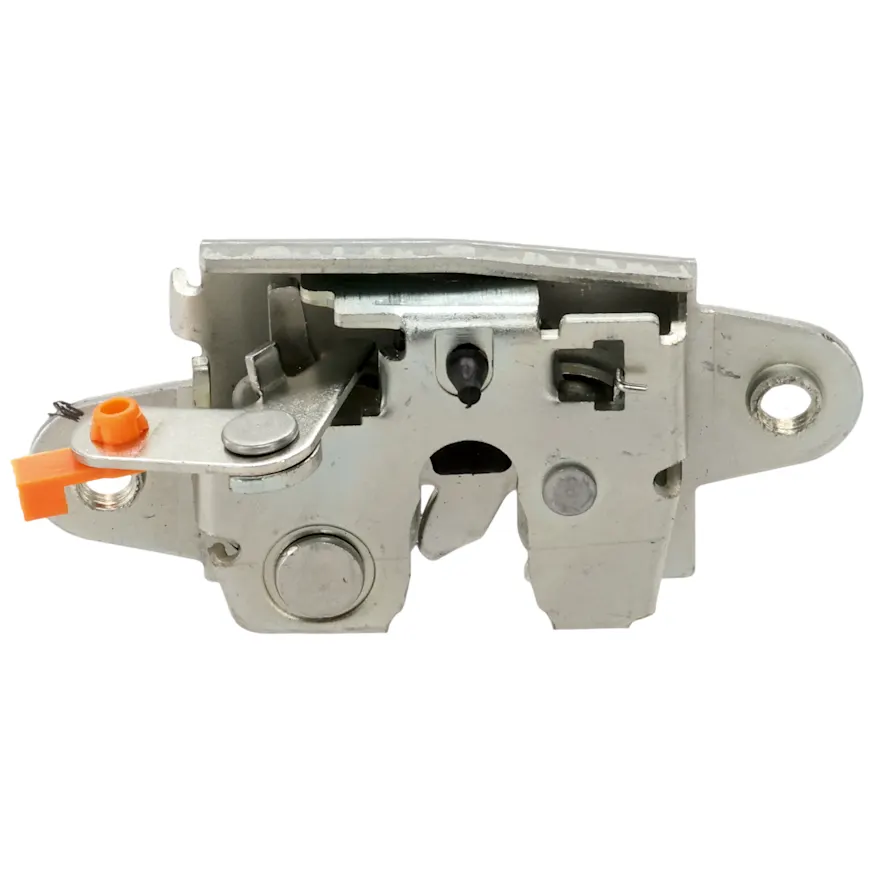
- Latch vs. latch cable: the latch is the mechanism that grips the striker, while the cable is what releases it. These are separate parts, and “tailgate latch” search results include both. Figure out which one actually failed before choosing.
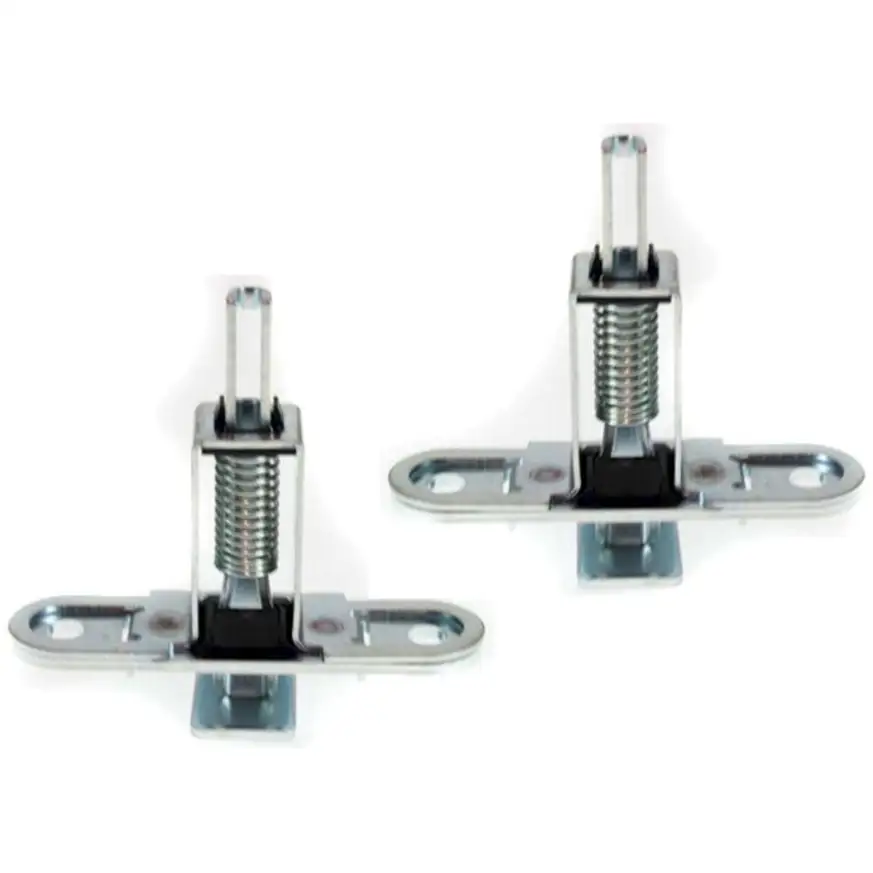
- Single vs. set of 2: some trucks use a latch on each side. A set of two covers both at once, while a single covers only the one you pick.
- Latch only vs. handle-and-latch kit: some listings come as a two-piece kit that includes the tailgate handle plus the latch. That’s the right call only if the handle is also worn.
- Side-specific vs. universal: side-specific listings (for example, a passenger-side cable) have to match the side that broke.
A quick way to stay honest here: name the exact piece in your hand before you shop, then match the listing to this piece rather than to the general category.
Compare the Details That Make the Part Fit
The product image is a useful starting point, not the whole match. Once you’ve narrowed to the right version, compare the physical details against your original part.
- Latch body and mounting: the shape of the latch and its bolt holes should line up with what you’re removing.
- Striker engagement: the way the latch catches the striker should match, so that the gate closes and holds.
- Cable length and end fittings: if you’re buying the cable, the length and the shape of both ends have to match your routing.
- Side orientation: a left-hand and right-hand piece can mirror each other. Confirm you’re looking at the correct one.
- Material: latches in this category are commonly steel, which matters for how the piece wears where it takes load.
Pull your old part, or at least photograph it before ordering, so you can check the listing against something real instead of guessing from the picture.

Check What Comes in the Box
Fitment and completeness are two separate questions. A listing can fit your truck perfectly and still not include everything you expected. In this category, what’s in the box varies by listing:
- Set of 2: contains two tailgate latches, not one. If you only needed one, you’ll be paying for a spare.
- Single latch: covers one location. If your truck uses a latch on each side, one piece might not finish the job.
- 2-piece handle-and-latch kit: includes the handle plus the latch. Confirm you actually need both.
- Latch cable: often sold individually, so quantity is on you if the job needs more than one.
Read the components note on the listing and match it to what your repair needs. If a listing doesn’t include a companion piece you’ll need, such as the cable or the handle, plan to add this separately.
Compare Brands After You Confirm Fitment
Brand matters, but it shouldn’t be your first filter. A recognizable name on the wrong version, wrong side, or wrong quantity still won’t finish the repair.
On CarParts.com, this category is served largely under the Replacement brand across the different configurations, from single latches to a set of two to the handle-and-latch kit. When one brand carries most of the category, the real decision isn’t which brand to trust: it’s which configuration of that brand’s listing fits your truck and your repair.
So the better question isn’t “Which tailgate latch brand is best?” It’s “Which listing offers the correct side, quantity, and version for my vehicle?” Settle the fitment and the configuration first, and the brand choice mostly takes care of itself.
Choose the Right Ownership Lane
The right tailgate latch isn’t automatically the cheapest or the most complete kit. It’s the one that matches what actually failed and how you want the fix to hold. Here are three practical lanes:
- Replace only the failed piece: If a single latch or a single cable on one side gave out, a single listing is the leanest fix. Don’t overbuy a full set or a handle kit for a one-piece problem, and confirm the side before you order.
- Matched-Pair replacement: If your truck uses a latch on each side and one has already failed, a set of two lets you replace both at once so they wear evenly. This is the sensible lane when the second side is likely close to failure.
- Complete handle-and-latch kit: If the tailgate handle is also cracked, loose, or worn, the two-piece kit handles both in one order. Choose this only when the handle genuinely needs replacing, not by default.
Make the Final Add-to-Cart Check
Before you add the tailgate latch to cart, run the listing against this quick checklist:
- Vehicle year, make, model, and body or bed configuration confirmed
- The failed part identified: latch, cable, or both
- Side (driver or passenger) confirmed if the listing is side-specific
- Version confirmed: single, set of two, or handle-and-latch kit
- Components in the box checked against what the repair needs
- Old part compared against the listing where possible
- Quantity confirmed (a set includes more than one piece)
- Brand chosen after fitment and configuration are settled
- Product notes read for any fit or side details
- Any companion piece you’ll need added separately
Your Best Starting Point
Work the decision in order, and the right listing tends to surface on its own:
- Start with fitment: run your exact vehicle through the selector.
- Narrow by version: latch, cable, single, set, or kit.
- Confirm what’s included before you commit.
- Compare the listing against your original part.
- Use brand as a final confidence filter.
- Add only the pieces the repair actually needs.
The best tailgate latch order isn’t the one that looks close enough in a thumbnail or carries a familiar name. It’s the one that matches your truck, the side that failed, the exact piece you’re replacing, and the quantity the job calls for.
Keep Reading: Related Posts




Any information provided on this Website is for informational purposes only and is not intended to replace consultation with a professional mechanic. The accuracy and timeliness of the information may change from the time of publication.