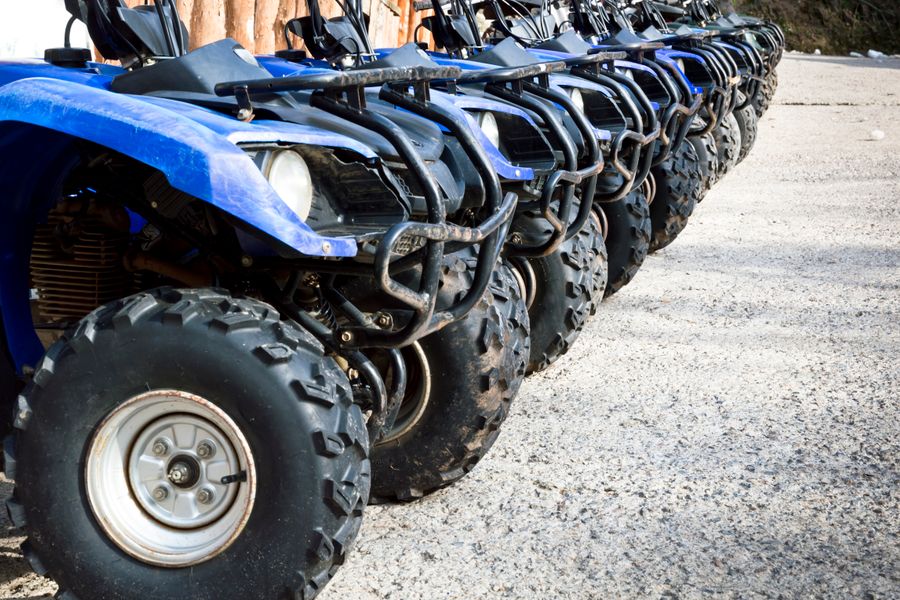
Off-road bikes and quads pull in dust, sand, and mud that a street car never touches. That’s why riders service these filters far more often than any filter in a daily driver. A clean foam air filter traps grit before it can score a cylinder. That’s a few minutes of work protecting thousands of dollars in engine parts.
What a Foam Air Filter Actually Does
Foam works nothing like the pleated paper element in your car. Oiled foam holds a sticky film across thousands of open cells. That film grabs fine dust while clean air still flows through freely.
Here’s the part people miss: dry foam barely filters at all. Skip the oil and it passes dirt straight into your intake. A starved engine shows the same warning signs in cars and bikes. This engine air filter guide breaks those symptoms down for the automotive side of your garage.
What You Need Before You Start
You don’t need a pro shop to do this job well. A bucket, a few supplies, and a clean bench cover almost everything. Grab these first so you’re not hunting for tools with oily hands.
- foam filter cleaner, or warm water with a few drops of dish soap
- foam air filter oil, spray or pour style, sized for foam elements
- a bucket, plus a citrus degreaser for the sticky airbox flange
- nitrile work gloves, paper towels, and a clean rag
- a shop cloth to plug the intake while the filter’s out
How to Clean and Oil a Foam Air Filter Step by Step
This is the core routine, pulled from what seasoned riders and small-engine techs actually do. Work through it in order and don’t rush the drying stage. That’s where most people quietly ruin a good filter.
- Pop off the cover or seat and lift the filter out. Plug the intake right away so nothing drops in.
- Peel the foam off its plastic cage. Set the cage aside to wipe down with degreaser.
- Work cleaner or soapy water through the foam. Squeeze gently and never twist, since twisting tears the cells.
- Rinse from the clean side out until the water runs clear. Wash again if oil still beads up.
- Dry the foam completely. Blot it, then let it air dry away from sun and dust.
- Spread fresh filter oil through every cell. Aim for even color with no dry spots and no drips.
- Grease the sealing lip and wipe the airbox. Seat the foam square against the flange and close it up.
Should You Use Gasoline or Solvents
Riders argue about this one endlessly, and the honest answer has some nuance. Gasoline and harsh solvents strip old oil fast, but they can swell foam and glue over time. They also carry a real fire risk you shouldn’t shrug off.
Mineral spirits land in the middle, gentler than gas but still a solvent to respect. For most riders, a dedicated foam cleaner or plain soap and water works great. Save the strong stuff for filters caked past normal washing, and let it flash off fully before oiling.
How Much Oil Is the Right Amount
Too little oil leaves dry gaps where dirt walks right through. Too much oil drips into the airbox and soaks the intake tract. Your target is even saturation with no runoff when you squeeze the foam.
Riding in heavy dust? Lean a touch wetter for extra hold. If your machine runs a high-flow foam element, follow the maker’s coverage notes so airflow and filtration stay balanced.
Don’t Forget the Airbox and Cage
A spotless filter dropped into a filthy airbox is wasted effort. Wipe the box, clean the plastic cage, and smear a thin film of grease on the sealing surface. That film stops unfiltered air from sneaking past the edge.
A protective outer wrap adds a second barrier for sandy or muddy rides. It also stretches the time between full cleanings.

How Often to Clean a Foam Air Filter
There’s no single number here, because riding conditions set the pace. A dusty desert loop can clog a filter in one afternoon. A clean track day might stretch service across several rides.
A solid baseline is to check after every dusty or muddy session. Clean it whenever the foam looks loaded or feels stiff. Many riders keep a few filters in rotation so a fresh one’s always ready. That habit fits the wider rhythm in this off-road maintenance comparison for dirt bikes and quads.
Choosing Filters, Oil, and Cleaner
Good parts make this job easier and your engine safer. A well-built foam element seals tighter and survives more wash cycles. Matched oil and cleaner take the guesswork out of coverage. Expect a foam filter to run around 20 to 60 dollars, with prices shifting by brand and fitment.
Universal-fit foam elements are a smart, budget-friendly pick, and many trim to shape for a clean seal. If your machine uses a sealed unit, a complete air cleaner assembly restores factory airflow in one step. Confirm fitment by year, make, and model before you buy. Keep the airbox and engine oil fresh so the whole system works together.
Keep Every Machine in Your Garage Ready
A few minutes with a filter beats a rebuild you never wanted. Master the routine on one machine and it carries straight to the next. Your thirst for adventure doesn’t have an off-season, and neither does good upkeep.
The JC Whitney Performance Hub at CarParts.com pulls your truck, trailer, and trail machine into one cart. Fitment runs on 25 years of automotive-grade data. A century of heritage in motorcycle parts backs it up. From the driveway to the trailhead, stock up and get back out there.
Keep Reading: Related Posts



Any information provided on this Website is for informational purposes only and is not intended to replace consultation with a professional mechanic. The accuracy and timeliness of the information may change from the time of publication.