The P1135 code is manufacturer-specific, so its meaning depends on who built your vehicle. In Toyota, Lexus, and Scion models it points to the air/fuel ratio sensor heater circuit on bank 1 sensor 1. In Nissan and Infiniti models it points to intake valve timing control on bank 2.
On-board diagnostics (OBD) stores a trouble code whenever it spots an irregularity. Most codes are generic. This one isn’t. It shows up in Toyota, Lexus, Nissan, and other platforms, and it doesn’t mean the same thing on any two of them.
Quick Answer
Meaning: On Toyota and Lexus, “Air Fuel Ratio Sensor (Bank 1 Sensor 1) Heater Circuit Malfunction.” On Nissan, “Intake Valve Timing Control Performance (Bank 2).”
What it affects: The heater that brings the air/fuel ratio sensor to temperature, or on Nissan, the variable valve timing system.
How serious it is: No breakdown risk on Toyota or Lexus, but it costs fuel economy and fails emissions. A Nissan rattle needs prompt attention.
Possible causes: A failed sensor heater, an open circuit, or a damaged connector. For Nissan, a bad camshaft position sensor, low oil, or a faulty timing control solenoid.
What to do first: Confirm the definition for your vehicle’s make and model, then inspect the sensor connector for corrosion and moisture.
Can you keep driving?: Usually yes for Toyota and Lexus. Stop driving a Nissan that rattles or loses power.

What Does the P1135 Code Mean?
The P1135 code carries a different definition for nearly every platform, which is why a repair that works for one vehicle does nothing for another:
- Toyota, Lexus, Scion: Air/Fuel Ratio Sensor Heater Circuit Malfunction, Bank 1 Sensor 1
- Nissan, Infiniti: Intake Valve Timing Control, Bank 2
- Audi, Volkswagen: HO2S Heater Circuit, Bank 1 & 2 Sensor 2 Electrical Malfunction
- BMW, Mini: O2 Sensor Heater Circuit Low Voltage, Bank 1 Sensor 1
- Buick, Cadillac, Chevrolet, GMC: HO2S Lean Average or Lean Mean, Bank 1 Sensor 1
- Chrysler, Dodge: Glow Plug Control Module Voltage Supply Concern
- Ford, Hyundai, Subaru: pedal position, injection timing, and oxygen sensor circuit faults
What Does Toyota Code P1135 Mean?
Toyota code P1135 stands for “Air Fuel Ratio Sensor (Bank 1 Sensor 1) Heater Circuit Malfunction.” Toyota DTC P1135 sets when the powertrain control module (PCM) detects a problem with the air/fuel ratio sensor heater circuit, or when this circuit’s signal doesn’t correlate with expected values.
Air/fuel ratio sensors, also called broadband lambda sensors, need a specific operating temperature before they read accurately, so each includes a heater element. This kind of O2 sensor has to reach 1200-1400 degrees F. The PCM compares this circuit’s input against factory values, and the code sets when bank 1 sensor 1 heater current runs low with the engine running.
What Does P1135 Mean in a Lexus?
Lexus is Toyota’s luxury division, so the definition carries over. DTC P1135 in Lexus vehicles stands for “Air/Fuel Ratio Sensor Heater Circuit Malfunction (Bank 1 Sensor 1),” and it sets when the powertrain control module (PCM) detects a malfunction in this heater circuit. Here the PCM controls the heater using input from the engine coolant temperature (ECT) sensor and engine load.
A P1135Lexus RX300 diagnosis follows the same path. In a V6 like the RX300’s, bank 1 is the bank containing cylinder number one, and sensor 1 sits upstream of the catalytic converter. Confirm which side that is in a repair manual before ordering a part.
What Does P1135 Mean in a Nissan?
DTC P1135 in Nissan vehicles stands for “Intake Valve Timing Control Performance (Bank 2).” It sets when the PCM detects a difference between the target angle and the actual angle of the intake camshaft.

Most modern Nissan vehicles use variable valve timing (VVT), built around an intake valve timing control unit, or actuator, mounted on the end of the camshaft. A solenoid valve applies oil pressure to operate it, and the PCM watches the crankshaft and camshaft position sensors to monitor VVT. The code stores when valve timing doesn’t register correctly.
What Are the Symptoms of the P1135 Code?
On Toyota and Lexus vehicles, a warning light might be the only sign you get. Nissan vehicles are more obvious.
Here are the signs for Toyota and Lexus vehicles:
- An illuminated malfunction indicator lamp (MIL), or check engine light
- Slightly worse fuel economy, most noticeable on short trips
- An automatic emissions test failure
Here are the signs for Nissan vehicles:
- An illuminated MIL or check engine light
- A possible lack or loss of power
- A possible rough idle
- A rattling noise from the engine

What Causes the P1135 Code?
Possible causes split along the same lines as the definitions.
Here are the causes for Toyota and Lexus vehicles:
- A failed air/fuel sensor caused by a faulty internal heater
- An open heater power (12V) circuit
- An open heater control circuit or ground circuit
- A damaged connector, so check pins for damage and moisture
- A faulty PCM
Here are the causes for Nissan vehicles:
- A failed camshaft position sensor
- A camshaft signal pickup contaminated with debris
- A damaged camshaft position sensor connector
- Low or dirty engine oil
- A faulty intake valve timing control solenoid
- A bad intake valve timing control unit
- An issue with the timing chain or associated components
How Serious Is the P1135 Code?
In Toyota and Lexus vehicles, this code won’t strand you. A sensor that heats slowly keeps the engine in open loop longer than it should, running off preset fuel values instead of live feedback. Expect richer running, worse fuel economy, and a failed emissions test. In Nissan vehicles, treat it with more urgency, because rattling and lost power can point to oil starvation or worn timing components.
How to Diagnose the P1135 Code
Diagnosing the P1135 trouble code is harder than most because the definition varies by manufacturer, so a vehicle-specific repair manual or database is essential. A practical order of operations looks like this:
- Confirm the definition for your vehicle’s exact year, make, and model. A Toyota procedure for a Nissan wastes an afternoon.
- Record freeze frame data and scan for other codes, which often identify the fault faster than P1135 alone.
- Inspect the connector and harness for corroded pins, moisture, and chafing near the exhaust. Let the engine cool first to avoid burns.
- Verify battery voltage and a good ground at the heater circuit, then measure heater resistance against the manual’s specification. An out-of-spec reading points to the sensor.
- In a Nissan, check oil level and condition first, then test the camshaft position sensor and timing control solenoid before suspecting the timing chain.
- Suspect the PCM last. It’s the least likely cause and the most expensive to guess at.
How to Fix the P1135 Code
Once you’ve isolated the cause, the repair follows from it:
- Failed sensor heater: replace the air/fuel ratio sensor.
- Corroded or damaged connector: repair it and seal it against moisture.
- Open power, control, or ground circuit: trace and repair the wiring.
- Low or dirty oil in a Nissan: correct it first, then see whether the code returns.
- Failed camshaft position sensor or timing control solenoid: replace it.
- Worn timing chain or related components: address them together.
Different vehicles have different definitions, components, and instructions, so information from repair manuals and databases turns a guess into a fix. What fixes the P1135 code in a Nissan does nothing in a Lexus.
FAQs
No. It’s manufacturer-specific, so the same five characters mean a sensor heater fault in a Toyota and a valve timing problem in a Nissan.
For Toyota and Lexus, short trips are low risk, though you’ll burn extra fuel and fail emissions. For a Nissan, a rattle or power loss means stop driving.
The same bank 1 sensor 1 air/fuel ratio sensor heater fault as any other Lexus. Confirm which V6 bank holds cylinder one before replacing the sensor.
P0135 is a generic oxygen sensor heater circuit code for bank 1 sensor 1 across nearly all makes. P1135 is manufacturer-specific.
They do the same job differently. An oxygen sensor reports rich or lean. An air/fuel ratio sensor reports how rich or lean, giving finer fuel control.
No. An open power, control, or ground circuit, a damaged connector, or a faulty PCM sets the same code. Testing tells you where the problem lies.
Yes. The valve timing actuator runs on oil pressure, so low or dirty oil can keep the camshaft from its target angle.
Yes, at minimum to read the code and freeze frame data. You’ll also want a multimeter and a vehicle-specific wiring diagram.
When To Get Professional Help
If you aren’t confident in your repair skills, a certified mechanic can handle it. Make this call early when a Nissan rattles, since timing diagnosis takes specialized tools, and any time testing points toward the PCM.
Get the Parts You Need at CarParts.com
Whether you need an air/fuel ratio sensor, a camshaft position sensor, or an engine control module, enter your vehicle details here at CarParts.com and get the right part shipped fast, backed by our warranty and hassle-free returns.
Products Mentioned in this Guide
 Coolant Temperature Sensor
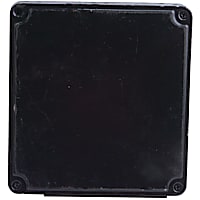 Engine Control Module
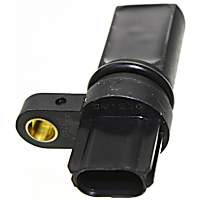 Camshaft Position Sensor
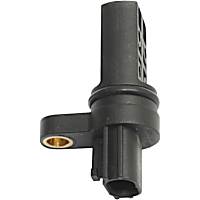 Crankshaft Position Sensor
Keep Reading: Related Posts


Any information provided on this Website is for informational purposes only and is not intended to replace consultation with a professional mechanic. The accuracy and timeliness of the information may change from the time of publication.