Your new UTV’s first 10 hours of run time matter more than any other stretch you’ll put on it. During break-in, the engine’s internal parts are seating, fluids are circulating for the first time, and the battery is settling into its working life. Get this window right and you’ll set up years of reliable trail time. Rush it and you risk premature wear, a weak battery, and problems that show up later when you’re miles from the trailhead.
Here’s what to check during those first 10 hours: vary your engine speed instead of holding one RPM, keep loads light, watch your fluid levels closely, charge the battery correctly before first use, and inspect fasteners and connections after each early ride.
Key Takeaways
- capacity, before the first ride.
- Vary engine RPM during break-in and avoid sustained full throttle or heavy hauling.
- Check oil, coolant, and fastener tightness after each of your first few rides.
- Inspect brakes, steering, and fuel connections early and have anything questionable looked at before you ride hard.
- Log your hours so you hit the first service interval on time.
Charge the Battery Before You Ride

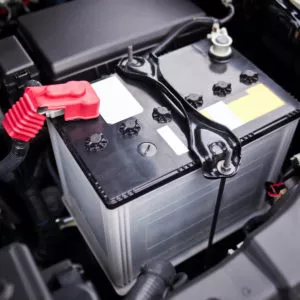
A new UTV battery rarely arrives at a full state of charge, and putting it straight to work undercuts its lifespan. Knowing how long to charge a new UTV battery comes down to a simple rule: charge at a rate that doesn’t exceed one-tenth of the battery’s capacity in amp-hours.
For a typical 5 amp-hour powersports battery, that means a charge rate of about 0.5 amps, which takes roughly 10 hours to bring it to full from a low state. A higher-amp charger gets you there faster, but pushing too much current causes sulfating on the plates and shortens the battery’s life. If you use a 2 amp charger on a small battery, watch it closely and don’t leave it running all night, since overcharging a sealed AGM or glass-mat battery damages it in a way that’s hard to reverse.
Use the Right Charger
A smart charger or maintainer is the safest tool here. It tapers the current as voltage rises and switches to a float mode, so you don’t have to babysit it or risk cooking the battery. When the charger reads around 13.8 volts at the terminals on a constant-current setup, the battery’s done. Many riders keep a maintainer connected through the off-season, which keeps the battery healthy without overcharging.
Watch the Battery Type
Sealed AGM and glass-mat batteries don’t tolerate the same treatment as old flooded lead-acid units. They charge faster and take damage quicker from excess current. Follow the manufacturer’s stated initial charge rate, because a glass-mat battery can be ruined in under an hour at the wrong amperage. When in doubt, charge slowly.
Break In the Engine the Right Way

The single most useful break-in habit is varying your UTV’s engine speed. Holding one steady RPM glazes the cylinder walls and keeps the rings from seating properly. Instead, ride through a range of speeds and let the engine work across its band.
Keep loads light for the first 10 hours. Skip the heavy hauling, the steep aggressive climbs, and sustained full throttle. Short bursts of acceleration are fine and even help the rings seat, but long pulls at wide-open throttle put heat and stress on parts that haven’t bedded in yet. Let the engine warm up before each ride and cool down before you shut it off.
Mind Your Fluids
New engines consume and circulate oil differently as parts seat. Check the oil level before every ride during break-in, and watch its color and clarity. Many manufacturers call for an early first oil change to flush out the metal particles that shed during initial wear, so don’t skip it. Check coolant level too, and watch the temperature gauge for any sign of overheating. If the engine runs hot, stop and let it cool, then look for low coolant or restricted airflow before you continue.

Inspect After Every Early Ride
Vibration loosens things on a new machine. After each of your first few rides, walk around the UTV and check fastener tightness: skid plates, suspension bolts, wheel lug nuts, and exhaust hardware all tend to settle. Snug anything that’s backed off.
Look at the brakes, steering, and fuel system with extra care during this window. Soft brakes, play in the steering, or any smell of fuel deserve attention before you ride again. These systems affect your control and safety directly, so if something feels off, have it inspected rather than riding through it. A quick check at the trailhead beats a failure on the trail.
Knowing How To Keep Your UTV New
The habits that protect a new machine are the same ones that keep it feeling new for years, and that’s the heart of how to keep your UTV new. Rinse off mud and grit after muddy rides, keep the air filter clean, lubricate pivot points, and store it with a charged battery. Consistent care during break-in builds the routine that carries the machine well past its first season. If you bought your machine secondhand, the same inspection mindset that helpswhen buying a used UTV pays off through break-in too.
Log Your Hours and Hit the First Service
Track your run time from hour zero. Most UTVs call for an initial service right after break-in, often around the 10 to 25 hour mark, and this first service is the most important one in your machine’s life. It typically includes an oil and filter change, a valve check, and a full fastener inspection. Hitting it on schedule clears out break-in debris and confirms everything’s seated correctly.The same low-and-slow charging logic applies across your other machines too. If you’re wondering how to charge 4 wheeler battery packs over the winter, the one-tenth-capacity rule and a quality maintainer keepATV and UTV batteries alike in good shape. And if you plan to add recovery gear before your first hard trail run, sizing it correctly matters as much as breaking in the engine — our guide onwhat size winch walks through the right pull rating for a side-by-side.
FAQ
How long should I run a UTV before the first oil change?
Most manufacturers call for the first oil change after the initial break-in period, often within the first 10 to 25 hours. Check your owner’s manual for the exact figure, since this early change removes the metal particles shed during initial wear.
Can I tow or haul during break-in?
It’s best to keep loads light for the first 10 hours. Heavy hauling and steep loaded climbs put stress on parts that haven’t seated yet, so save the hard work for after break-in.
What charge rate is safe for a new UTV battery?
Aim for a rate no higher than one-tenth of the battery’s amp-hour capacity. For a 5 amp-hour battery, that’s about 0.5 amps, which takes roughly 10 hours to fully charge from a low state.
Do sealed batteries charge differently than flooded ones?
Yes. Sealed AGM and glass-mat batteries charge faster and are more easily damaged by excess current, so follow the manufacturer’s stated initial charge rate and avoid high-amp charging.
Is it bad to leave a charger on overnight?
On a basic constant-current charger, yes, since overcharging damages the battery. A smart charger or maintainer with a float mode is safe to leave connected because it tapers off automatically.
How do I know if my new UTV has a problem during break-in?
Watch for overheating, fluid leaks, soft brakes, steering play, or fasteners that keep loosening. Any of these is worth a closer look, and anything affecting brakes, steering, or fuel deserves inspection before you ride hard.
Your first 10 hours are an investment, and a little attention now pays off in seasons of trail-ready performance. When you’re ready to charge, maintain, and upgrade your machine, theJC Whitney Performance Hub has the parts, batteries, and gear built for where the pavement ends. Visit the JC Whitney Performance Hub and equip your garage for the long haul.
Keep Reading: Related Posts






Any information provided on this Website is for informational purposes only and is not intended to replace consultation with a professional mechanic. The accuracy and timeliness of the information may change from the time of publication.