Ever felt stuffy driving in the rain, but didn’t want to open your window for fear of getting your seat drenched? A good window visor is designed to solve this exact problem.
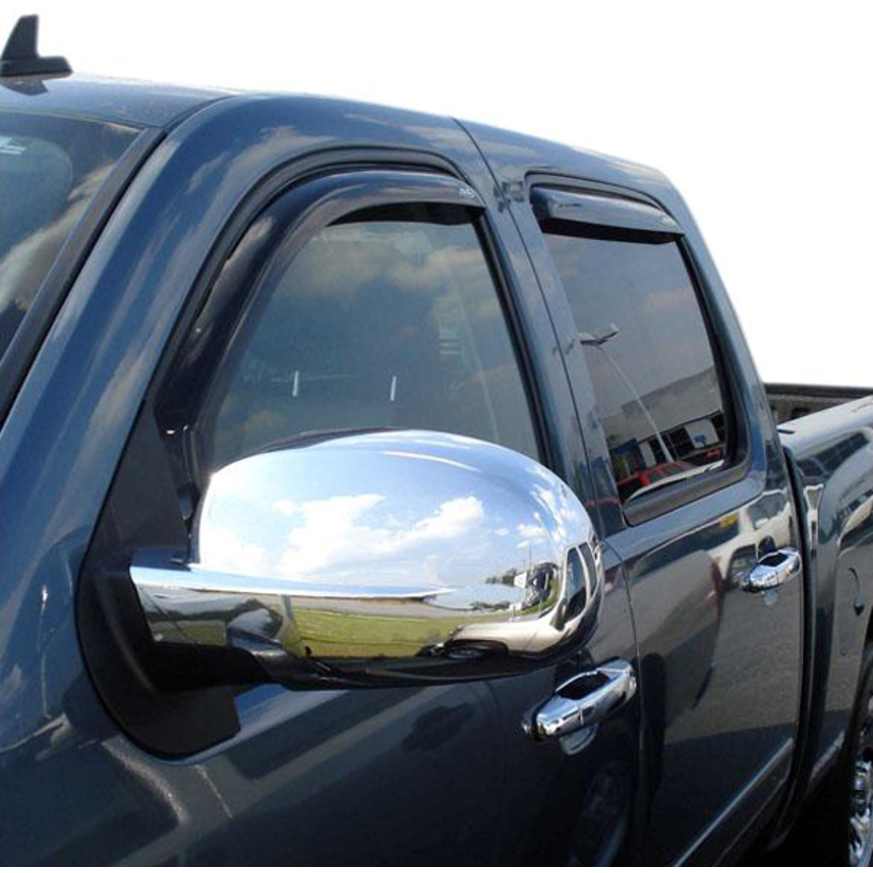
These slim, curved strips of acrylic or polycarbonate run along the top edge of your windows, creating a subtle awning that keeps rain out, air flowing, and noise down. They are also called rain guards, vent shades, and window deflectors.
For people who live through long rainy seasons or relentless heat, they’re a small, inexpensive accessory that makes a big difference.

Why Do You Need Window Visors?
Window visors aren’t just about looks. Their real charm is in the way they make daily drives more comfortable. They allow fresh air to circulate while keeping out rain, limiting window fogging, and softening wind noise.
Some versions come tinted, shading your upper window line against harsh sun or glare. Others are clear but shaped to flick water, dirt, and debris away. And yes, plenty of people install them just because they like the sleek look they add to the car’s silhouette.
Picking the Right Kind
Not all visors attach the same way. In-channel visors slide neatly into the window channel for a clean, built-in look. Stick-on visors adhere to the outside of the door frame with double-sided automotive tape, which tends to be easier for quick DIY installs.
Acrylic versions are light and inexpensive, while polycarbonate ones can handle more abuse from UV and road debris. You’ll also find a choice of shades from light smoke to almost black. The right one depends on your car’s trim and how much tint you prefer.
Vehicle-specific visors usually line up perfectly with your door frame, while universal ones might rattle or warp over time.
How Long Do They Last?
A good visor can last for years, but not forever. Over time, exposure to UV rays, heat, and road debris can cause cracks, discoloration, or deformation. If the visor becomes cloudy, brittle, or starts to peel away from the frame, it’s a clear sign it should be replaced.
If you notice one flapping in the wind or constantly needing re-taping, skip the patch jobs and just replace it. High heat, salty air, or rough roads can wear them out faster, so consider five to ten years a fair lifespan for most setups.
Cost to Replace
The cost of installing or replacing window visors depends on several factors, including vehicle type, number of windows, and whether the work is done professionally or as a DIY project.
A full set for a sedan or SUV usually runs $20 to $60. Paying a shop to install them might add another $50 to $150, depending on your vehicle and local labor rates.
If you’re handy, you can install them yourself with just some alcohol wipes and patience. The most you’ll spend beyond the visors is for fresh adhesive tape or a cleaning solution.
Getting the Install Right
Installing visors isn’t complicated, but a little care makes them last. Work on a dry day in mild temperatures so the tape bonds properly. Clean every surface before you start, especially the top door frame.
Do a test fit before peeling off any backing. Once you’re confident in the alignment, press the visor down firmly along its full length and hold pressure for a minute or two. Let it cure overnight before rolling the window all the way up or down.
Most manufacturers recommend avoiding car washes for the first couple of days, just to give the adhesive time to set.
A Few Drawbacks to Know
Even small add-ons have tradeoffs. A poorly designed visor might whistle at high speeds, and dark-tinted visors can limit visibility at night.
Cheap adhesive may stain paint if left too long, and inexpensive plastic can warp or become brittle under harsh sunlight.
In rare cases, regulations may limit exterior attachments that change a car’s original body line, so it’s worth checking local rules if you’re unsure.
Keep Reading: Related Posts







Any information provided on this Website is for informational purposes only and is not intended to replace consultation with a professional mechanic. The accuracy and timeliness of the information may change from the time of publication.