Your car’s engine is a precision machine that needs the right mix of air and fuel to run smoothly. When the air intake hose starts to loosen up, that perfect balance gets thrown off, and things can go downhill pretty fast.
A loose intake hose lets unmetered air sneak into the engine, where the car’s computer has no idea it’s coming in. The computer can’t adjust the fuel mixture properly, so the engine starts acting up in ways that’ll make you wonder what’s going wrong. Understanding what happens if the air intake hose is loose helps catch the problem early, before it turns into expensive repairs.
How Your Engine’s Air Intake System Works

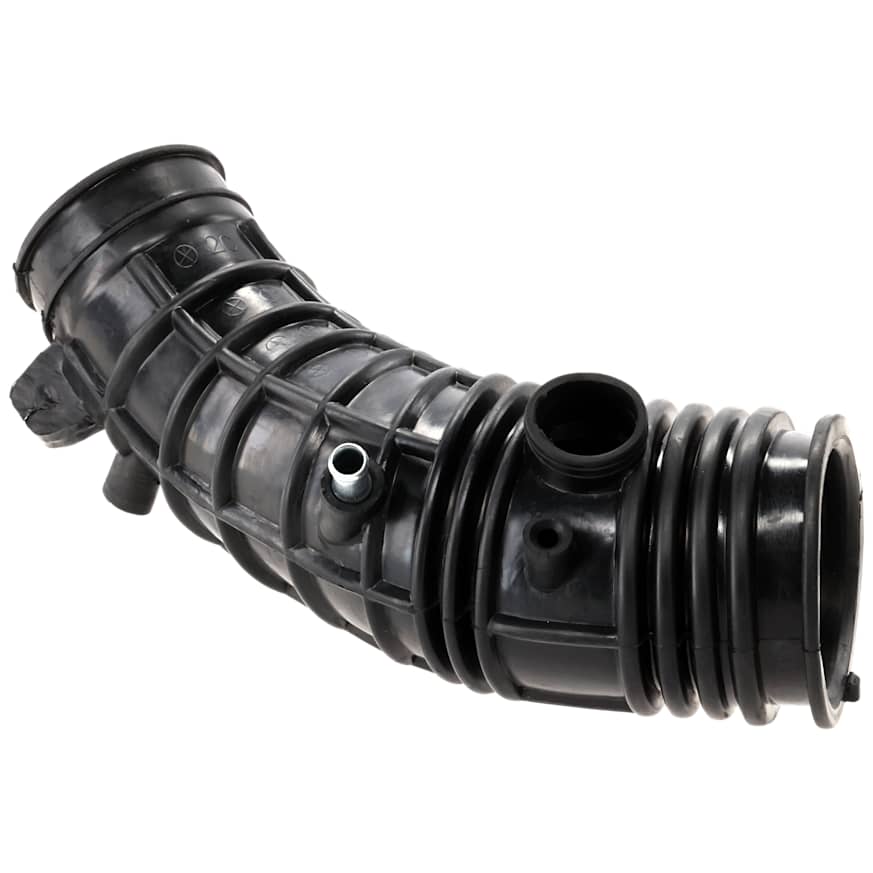
Let’s break this down in simple terms. Your air intake hose connects the air filter housing to the throttle body. It’s the pathway that delivers clean, filtered air to your engine. Along that path, sensors measure exactly how much air is flowing in so your engine computer can calculate the perfect amount of fuel to inject.
When everything’s sealed tight, this system works beautifully. The mass airflow sensor reads the incoming air, sends that data to your engine control unit, and boom, you get the ideal air-fuel ratio for efficient combustion.
But when that hose gets loose? All bets are off. Extra air rushes in past the sensors, so your ECU is working with bad information. It’s like trying to bake a cake when someone keeps adding ingredients you don’t know about. The end result won’t be what you expected.
Signs of a Loose Air Intake Hose
When a hose for air intake becomes loose or compromised, several tell-tale signs tend to emerge quickly, affecting how the engine runs and responds.
Reduced Engine Power and Sluggish Acceleration
When unfiltered air bypasses the normal route, your engine loses its mojo. You’ll press the gas pedal and get a delayed response. Merging onto the highway becomes an adventure, and passing other cars? Forget about it. The power just isn’t there anymore.
Rough Idling or Engine Stalling
A healthy engine purrs at idle. But when you’ve got a hose for air intake that’s come loose, that smooth idle turns into a shaky mess. Your RPMs might bounce around, the whole car might vibrate, and in bad cases, the engine could stall out completely when you’re sitting at a red light.
Strange Noises From Under the Hood
New sounds deserve attention. A loose intake hose often creates a hissing or whistling noise, especially during acceleration. It’s the sound of air being sucked in or escaping where it shouldn’t be, like the car’s way of signaling something’s wrong.
Illuminated Check Engine Light
Modern cars are smart. When sensors detect something’s off with the air-fuel mixture, they throw a code and light up your dashboard. Common codes include P0171 or P0174, which indicate the engine is running too lean (too much air, not enough fuel). Don’t ignore this warning.
Poor Fuel Efficiency and Increased Emissions
The ECU thinks it needs to compensate for what seems like insufficient fuel, so it starts injecting more. But since the real problem is too much air, extra gas gets burned for no good reason. Trips to the pump become more frequent as fuel economy mysteriously tanks.
Why This Problem Matters More Than You Think
A loose air intake hose creates what mechanics call a vacuum leak. This means air is entering the intake system without being accounted for. The engine runs lean, combustion becomes unstable, and all sorts of problems cascade from there.
Misfires become more common. Your spark plugs might foul up faster. The catalytic converter has to work overtime trying to clean up the mess from incomplete combustion. Even your oxygen sensors can get confused and send wonky data back to the computer.
What happens if the air intake hose is loose isn’t just about immediate performance issues. It’s about preventing long-term damage to expensive components. A new catalytic converter can cost over a thousand dollars. Compare that to the cost of fixing or replacing an intake hose, and suddenly this “minor” problem doesn’t seem so minor anymore.
Should You Repair or Replace?
This situation calls for a practical decision. Sometimes a simple air intake hose repair will do the trick. A loose clamp or a small crack in an otherwise healthy hose might just need tightening or a proper repair patch.
But rubber doesn’t last forever. When a hose becomes brittle, cracks in multiple places, or keeps coming loose no matter how many times it gets tightened, fighting it becomes pointless. That’s when air intake hose replacement becomes the smart move.
Some people try to band-aid the problem with duct tape or silicone sealant. Sure, it might hold for a week or two, but it’s not a real solution. Spending money on a proper replacement that’ll actually last makes more sense.

How Much Does an Air Intake Hose Replacement Cost?
A replacement hose typically costs between $20 and $150. For those handy with basic tools, this can be a DIY job. Most air intake hoses are held in place with simple clamps that can be loosened and tightened with a screwdriver or socket wrench.
If you’d rather have a professional handle it, expect to pay somewhere in the $50 to $500 range for the complete job. The price will vary depending on whether there’s diagnostic work involved or if other components need attention at the same time.
Getting the Job Done Right
When tackling the replacement, getting the right hose for the specific make and model is essential. The diameter, length, and sensor ports all need to match. A hose that doesn’t fit properly just asks for more problems.
When installing, those clamps need attention. They need to be tight enough to create a good seal, but not so tight that they damage the hose or the fittings. It’s a Goldilocks situation where getting it just right matters.
Double-check every connection point. The air filter box, the throttle body, the mass airflow sensor, and any vacuum lines all need to be seated properly and sealed tightly.
After the work is done, fire up the engine and listen. No hissing? Good. Let it idle for a few minutes and watch how it behaves. Smooth and steady means the job was done right. With access to an OBD2 scanner, run a quick check to make sure no fault codes are lurking.
The Bigger Picture
Fixing a loose intake hose isn’t just about stopping an annoying symptom. It’s about restoring your engine to proper working order. When your intake system is sealed correctly, everything else can function as designed.
Your fuel economy improves. Your engine runs smoother. Emissions drop to normal levels. Components last longer because they’re not being stressed by incorrect combustion.
If modifying a car for better performance is on the agenda, having a properly sealed intake system becomes even more critical. Any exhaust upgrades or performance tuning will work better when the engine gets the right amount of air in the first place.
On the flip side, ignoring this problem invites trouble. The longer you let it go, the more likely you are to damage other parts of your engine. What could have been a $50 fix turns into a $1,000+ repair bill.
Whether the choice is repair or replacement depends on the condition of the hose. But either way, addressing it sooner rather than later will help improve your driving experience and keep the engine running the way it’s supposed to.
Keep Reading: Related Posts



Any information provided on this Website is for informational purposes only and is not intended to replace consultation with a professional mechanic. The accuracy and timeliness of the information may change from the time of publication.