Every time a leaking grocery bag, muddy boots, or a wet dog hits your trunk floor, it can cause damage. Replacing or cleaning stained carpet is costly and time-consuming. A cargo mat helps prevent that damage. Knowing what separates a good one from a poor one helps buyers avoid expensive mistakes.
What a Cargo Mat Is and What It Does
A cargo mat is a flat, protective covering that sits on your vehicle’s trunk or cargo area floor. It shields the original carpet from spills, dirt, scratches, pet hair, and moisture. Most cargo mats are made from rubber, thermoplastic elastomer (TPE), or carpet-based material. They stay in place through friction, anti-slip backing, or anchor points.
Cargo Mat vs. Cargo Liner
The key distinction between a cargo mat and a cargo liner is coverage. A cargo mat covers only the floor of the cargo area. A cargo liner extends up the sides and sometimes along the back of the rear seats. If a spill runs to the edges of a flat mat, it reaches the original carpet.
Both products protect the trunk interior from wear that reduces resale value. The right choice depends on how much mess your vehicle regularly sees.
Cargo Mat Materials: Which One Holds Up
There are common materials used in cargo mats: rubber, thermoplastic elastomer, and carpet.
Rubber
Rubber is waterproof, durable, and easy to rinse clean. It is a reliable choice for heavy-duty use and wet conditions. Lower-quality rubber formulations can off-gas a chemical odor when new. Some versions crack or become brittle in extreme cold.
TPE (Thermoplastic Elastomer)
TPE combines the waterproof qualities of rubber with more flexibility and lighter weight. It is odorless, non-toxic, and fully recyclable. TPE resists warping in heat and stays pliable in cold. Brands like WeatherTech and 3D MAXpider commonly use this material in their custom-fit cargo mats.
Carpet
Carpet mats are softer and better-looking than rubber or TPE. They absorb spills instead of repelling them, trap odors, and require more effort to clean. They work for light-duty use but fall short when things get messy.
Note: Low-cost vinyl or PVC mats are frequently marketed as all-weather alternatives. These tend to crack within a year or two and rarely contain spills effectively.
Custom Fit vs. Universal: A Decision That Matters More Than Material
A universal cargo mat uses approximate dimensions meant to work across many vehicles. In practice, universal mats leave gaps along wheel wells and the rear hatch. They shift during driving and allow spills to reach the carpet underneath.
A custom-fit trunk liner uses precise measurements matched to your vehicle’s year, make, and model. It accounts for spare tire wells, seat anchor points, and the exact contour of your cargo floor. The result is full edge-to-edge coverage that stays put.
Universal mats cost less and are easier to move between vehicles. They work fine for very light use. Custom-fit mats cost more upfront but protect the carpet fully and typically last five or more years. That difference in service life usually justifies the price gap.
Features Worth Paying For
When evaluating options, look for these specific characteristics:
- Raised edges or lip: A perimeter wall of at least 0.75 inches keeps liquids from running off the mat. Taller walls, around 1.25 inches, handle larger spills during turns or sudden stops.
- Non-slip backing: Anti-skid textures, rubber nibs, or factory anchor compatibility prevent the mat from sliding when loading cargo.
- Waterproof surface: The top surface should repel liquids rather than absorb them. TPE and rubber both meet this standard. Carpet does not.
- Easy cleaning: The best mats rinse clean with water or a damp cloth. Avoid any mat that requires special cleaners or extended drying time.
- Non-toxic materials: For families and pet owners, confirm the mat is free of harmful chemicals. Quality TPE mats carry no odor even at high cabin temperatures.

How to Check Fitment Before Buying
Buying the wrong mat wastes money and leaves your carpet exposed. Before ordering, confirm your vehicle’s exact year, make, model, and trim level. Check whether your vehicle has a spare tire well, optional rail cargo system, or folding third-row seats. These features all affect mat shape.
Compare the product’s part number against the manufacturer’s vehicle fitment list. Do not rely on the general “compatible models” description alone. Look for a fit guarantee or vehicle-specific product images rather than generic cargo area photos. Confirm whether the mat requires trimming and whether that compromises its containment edges.
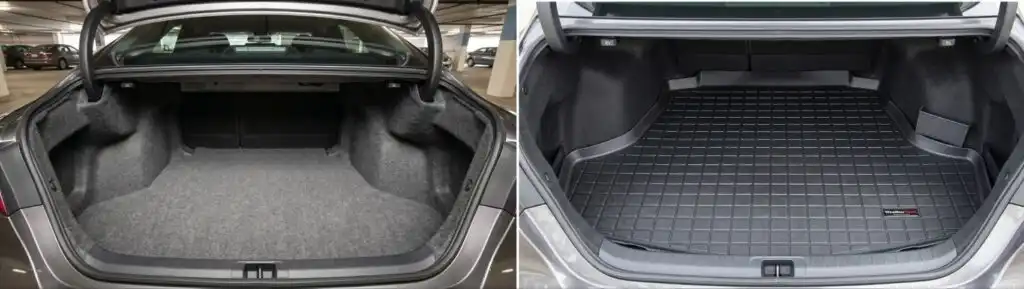
Tip: If your vehicle has a cargo management system with rails or hooks, contact the seller directly to confirm the mat includes proper cutouts.
When a Flat Cargo Mat Is Not Enough
A flat mat works well for occasional use and mostly dry loads. It falls short in specific situations. Pets without a crate move freely and push the mat aside, allowing fur, scratches, and moisture to reach the seat backs. Spills from liquids, plants, or wet gear go straight onto the carpet once they hit the mat’s edge.
Winter driving creates its own problem. Meltwater from snow, road salt, and slush migrates under and around a flat mat quickly. A full cargo liner with high side walls contains that kind of mess. Many buyers purchase a cargo mat expecting liner-level performance and end up disappointed.
Buying Online for the Best Value
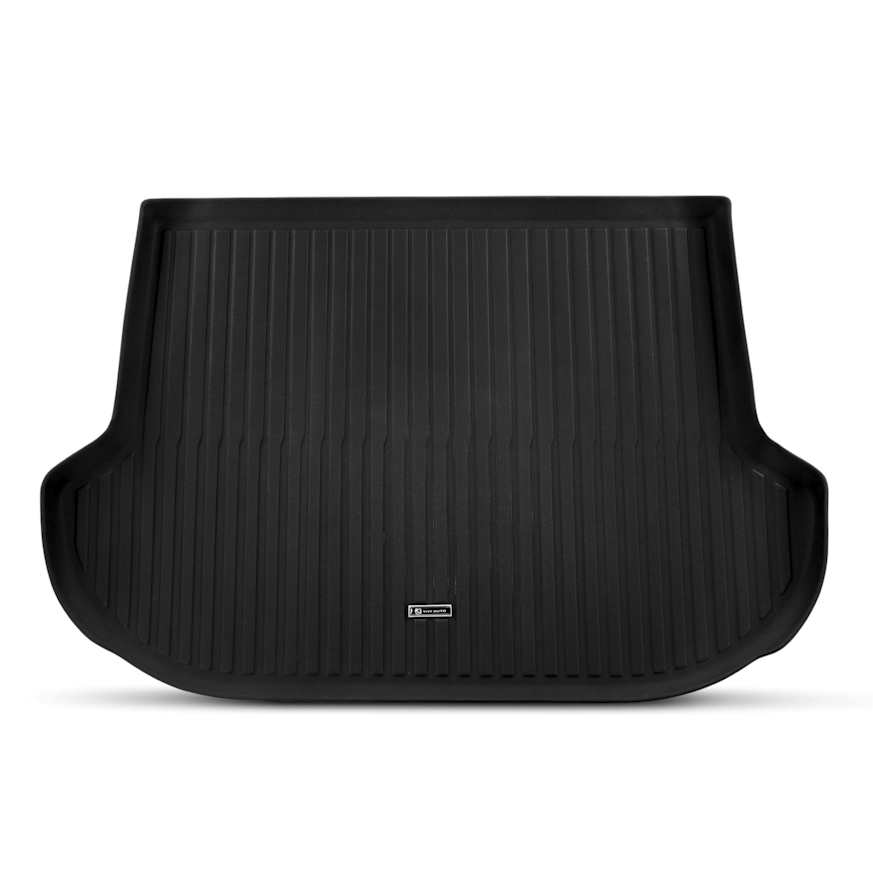
CarParts.com stocks cargo mats in rubber and thermoplastic, including molded options for specific makes and models. The WeatherTech DigitalFit Series mats are made from thermoplastic and fit directly without trimming. The 3D MAXpider KAGU Series uses rubberized thermoplastic with a 3-layer construction. Both are active listings with raised edges, non-slip backing, and easy access to under-floor storage.
How to Shop Smart Online
Use the site’s vehicle fit tool with your exact year, make, and model before adding anything to the cart. Filter by material type, since rubber and thermoplastic both outperform carpet for anything beyond light, dry loads. Compare lip height in the product specs rather than relying on photos alone. Check whether the listing includes a warranty, as brands like WeatherTech offer a lifetime replacement guarantee.
Installation and Maintenance
Most cargo mats require no tools to install. Remove any existing floor mats and vacuum the cargo floor to clear out dirt and debris. Place the mat flat with the logo facing up and the contoured edge toward the rear hatch. If the mat includes anchor cutouts, align them with the vehicle’s factory tie-down hooks and press firmly into place.
Remove the mat every few weeks and rinse it off. TPE and rubber mats clean up with water and mild soap. Scrub with a soft brush if needed, rinse thoroughly, and let the mat dry before reinstalling it. Avoid harsh chemical cleaners, which can degrade the material surface over time.
Note: Moisture trapped under the mat can cause mildew and corrosion. Lift the mat periodically to check that no water has pooled underneath, especially during wet seasons.
Keep Reading: Related Posts




Any information provided on this Website is for informational purposes only and is not intended to replace consultation with a professional mechanic. The accuracy and timeliness of the information may change from the time of publication.