A headlight filler is a trim piece that closes the gap between your vehicle’s headlight assembly and the surrounding bumper, grille, or fender so that the front end looks finished and stays protected. It’s mostly cosmetic, but it also helps keep debris and moisture out of the gaps around the headlight housing. On many vehicles, the filler snaps into place with small retaining clips and lines up flush with the headlight edge.
Key Takeaways
- A headlight filler hides the gap between the headlight and adjacent body panels and adds a layer of protection against road debris.
- It’s held in place by small plastic or metal retaining clips that can become brittle and break over time.
- Fillers come in plastic and metal versions, so confirm which your vehicle uses before ordering.
- A loose or shifted filler usually points to a worn or missing clip rather than a damaged panel.
- Replacement is a low-cost, beginner-friendly job that doesn’t affect how your lights work.
What a Headlight Filler Actually Does
This part has a simple job. It bridges the visible space around a headlight assembly, giving the front end a clean, intentional look instead of an open seam. That seam isn’t just an eyesore. Left open, it lets dirt, water, and small debris collect in places that are hard to clean and can speed up corrosion or grime buildup around the housing.
Because the filler is purely a trim and protection piece, it has no effect on your vehicle’s headlight output, aim, or wiring. If a filler is cracked, faded, or missing, your vehicle’s lights will still work normally. You’re dealing with appearance and protection, not function.
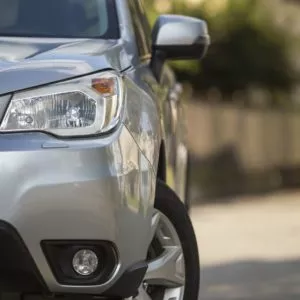
The filler sits between the headlight and the front bumper cover or grille area and is designed to match the body lines so it blends in once installed.
Plastic vs. Metal Fillers
Not all fillers are built the same. Some come as plastic pieces, while others are metal, and the right choice depends on what your vehicle originally used. Owners often recommend metal versions or sturdier replacements because the original plastic trim and clips tend to get brittle with age and sun exposure.
Read the part description carefully before buying. A part that looks correct in a photo may not match the material or clip style your vehicle needs, and material mismatches are a common reason a replacement feels loose after installation.
Why Fillers Shift, Loosen, or Fall Off
A headlight gap filler that’s pushed out of alignment, sometimes by an inch or more, is almost always a clip problem, not a problem with the filler itself. The retaining clips that hold the trim are small and made of plastic on many vehicles, and they get brittle over years of heat cycling and vibration. Once a clip breaks, the trim has nothing holding this section in place, so it drifts or sags.
Clip counts and types vary. On vehicles, owners report roughly two clips per side, and the exact clip can differ by model year, so a clip that fits a late-1990s truck may not fit an early-2000s one. If you’re ordering bumper clips, match them to your ride’s specific year rather than assuming one part covers the whole generation.
A few practical fixes come up repeatedly among owners. Replacing the brittle clips with fresh ones is the cleanest approach. Some people add a small amount of black silicone on the clips for extra hold, and others route a small zip tie or tie strap behind the bumper to snug the trim into place when clips alone won’t keep it tight. The zip-tie method works but is more of a workaround than a permanent fix.
How To Replace a Headlight Filler
Here’s a straightforward approach that works for most clip-in trim pieces.
First, confirm the exact part. Match it to your vehicle’s make, model, and year, and verify whether you need a left or right side. Right and left fillers are mirror images and aren’t interchangeable.
Second, decide whether you need new clips too. If the old clips are cracked or missing, order replacements with the filler so you’re not reusing brittle hardware. If you’re unsure how the fasteners come apart, this guide on how to fix front bumper clips walks through the basics.
Next, remove the old filler. Gently release the existing clips and pull the trim free. If a clip is seized or broken, work slowly so you don’t crack the surrounding trim.

Then line up the new filler with the headlight edge and bumper line before pressing it in. Seat each clip until the piece sits flush. If the trim still feels slightly loose, check clip fit or add a discreet bit of reinforcement rather than forcing the panel.
Finally, step back and check alignment from a few feet away. The gap should look even on both sides.
Do You Need to Remove the Bumper?
Usually not. Most fillers can be swapped with the bumper in place by working the clips directly. Some owners prefer to drop the bumper for easier access and cleaner alignment, especially if they’re routing a tie strap behind it, but that’s optional and adds time. For a basic clip-in replacement, leave the bumper on unless you can’t reach the clips.
How Much Does a Headlight Filler Cost?
Pricing is modest because it’s a small trim part. Many individual fillers fall in the low double digits, and exact pricing depends on your vehicle, the material, and whether you’re buying one side or a pair. Buying the matching clips at the same time keeps the total low and saves you a second order if the originals are shot.
A Quick Safety Note
A headlight filler isn’t a safety-critical part, so a worn one won’t affect braking, steering, or how your vehicle’s lights perform. That said, if you have the front end apart to replace it, take a moment to check that the headlight assembly itself is mounted securely and that no wiring is pinched or exposed. If you notice cracked housings, moisture inside the lens, or loose mounting points while you’re in there, have these inspected, since these issues can affect visibility. If your lenses are simply yellowed rather than damaged, you may be able to clean foggy or oxidized headlights instead of replacing them.
Frequently Asked Questions
No. The filler is a trim and protection piece, so your headlights work the same with or without it. You’ll mainly notice a gap in the front-end appearance and less protection against debris collecting around the housing.
It varies by vehicle and year. Some vehicles use about two clips per side, and the clip style can change between model years, so match clips to your vehicle’s exact year for a proper fit.
Functionally they fill the same gap, but they mount and hold differently. Use the material your vehicle was designed for, and read the part description carefully so the clips and fit match.
Only if they’re still firm and intact. Clips that are brittle or cracked won’t hold, which is the most common reason a replaced filler feels loose, so fresh clips are worth the small added cost.
Yes. It’s typically a clip-in part with no tools or only basic hand tools required, and it doesn’t touch your vehicle’s wiring or lighting, which makes it a friendly first repair. If you want to see how the surrounding lighting hardware comes off, this overview of getting a headlight assembly replacement is a helpful next read.
Finish the Front End Right
A worn or missing headlight filler is an easy fix that sharpens your ride’s look and keeps gunk out of the gaps. Match the part and clips to your vehicle’s exact year, swap them in, and you’re done in minutes. Find the right headlight filler and matching clips for your vehicle here at CarParts.com.
Keep Reading: Related Posts





Any information provided on this Website is for informational purposes only and is not intended to replace consultation with a professional mechanic. The accuracy and timeliness of the information may change from the time of publication.