Your riding season doesn’t have to end when the temperature drops. This winter storage checklist for ATV, UTV, and motorcycle owners walks you through every step. It covers fuel, battery, tires, and the small stuff most riders forget. Do it right, and your machine stays in tip-top shape for spring.
Why Winter Storage Matters
A parked machine isn’t really resting. Engines, fuel systems, batteries, and tires all suffer when they sit for months. Cold speeds up the damage, and you won’t notice until spring.
Here’s what actually goes wrong while a machine sits idle:
- Ethanol fuel breaks down in about 30 days and gums up the system
- Batteries lose charge on their own, and cold makes it worse
- Tires flat-spot, seals dry out, and bare metal starts to rust
None of this is hard to prevent. Knowing how to winterize a powersports vehicle just means a few steps matter more than you’d think. Skip them and you’ll pay for it come spring.
How Long Can Your Ride Sit Idle
Most machines handle a few weeks of downtime just fine. Past a month, fuel and battery condition start to matter. Anything longer deserves the full routine, so match effort to timeline.
Start Before the First Freeze
Timing matters more than riders realize. Start prep once you’re done riding until spring. For most of us that means late fall, before the first hard freeze.
Doing this after a freeze gets risky. Water in the cooling system or fuel lines can freeze and crack parts. Pick a mild, dry day so everything dries before you tuck it away.
Clean and Inspect First
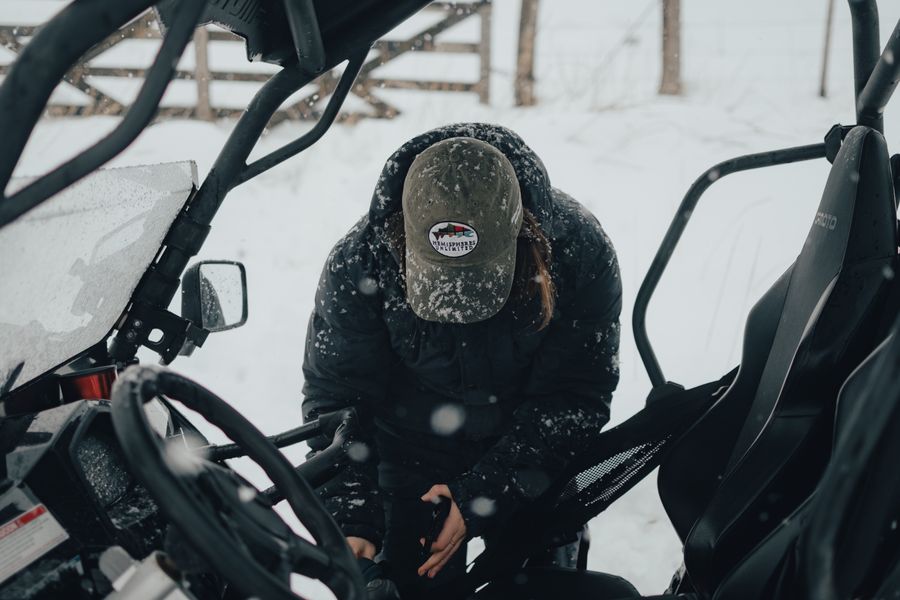
Before you touch the fuel or battery, get the machine clean. Riders skip this constantly, and it matters more than they think.
Wash off the mud, salt, and bug residue, then dry it fully. Hit hidden spots like wheel wells, under the seat, and exhaust. A leaf blower clears water from connectors and tight crevices. Trapped moisture under a cover is a top cause of corrosion.
Cleaning doubles as a quick inspection. Watch for leaks, cracked boots, and loose hardware as you go. It’s easier to order parts now than the week you want to ride.
Protect the Fuel System
Fuel trouble causes more no-start headaches than anything else. Good fuel stabilizer for off-season storage fixes it, and it’s fast.
Fill the tank nearly full so less air means less condensation. Add stabilizer at the bottle’s ratio for your tank. Run the engine 5 to 10 minutes so treated fuel reaches everything. A dirty fuel filter left alone often clogs things later.
Carbureted machines take one more step. Plenty of riders drain the carburetor bowl to skip varnish buildup entirely.
Change the Oil and Fluids
Old oil carries acids that slowly corrode your engine while it sits. Change the motor oil and drop in a new oil filter before storage. Clean oil then protects the internals all winter long.
Don’t stop at engine oil, though. Top off the brake fluid, gearcase fluid, and coolant while you’re in there. Make sure the coolant handles the lowest temperature your area sees. Fresh fluids now mean less corrosion and an easy startup later.
Handle the Battery Right
Battery failure is the top reason machines won’t start in spring. A little planning keeps your powersports battery ready to go. You’ve got two solid options, and both beat leaving it hooked up.
Connect a battery maintainer and leave it installed. Or pull it and store it somewhere dry and above freezing. A smart maintainer tops off the charge without overcharging it. That stops the deep discharge and sulfation that kill batteries.
Clean the terminals with baking soda and water, then dry them. Add dielectric grease to keep corrosion off. Flooded batteries need their electrolyte topped with distilled water. Sealed AGM and lithium batteries still need charge, so don’t ignore them.
Know Your Voltage Numbers
A few numbers make battery care simple. Keep these targets in mind before you walk away for the season.
- A healthy resting battery reads 12.8 volts or higher
- Recharge any battery that drops to 12.4 volts
- Treat anything under 12.0 volts as a deep discharge
- Store loose batteries around 50 to 70 degrees

Protect Tires and Suspension
Tires under full weight for months develop flat spots, especially in the cold. Set your tires to the storage pressure in your manual first. That’s often a touch above your normal riding pressure.
Lift the machine on a stand so tires carry no weight. This also takes the set out of your springs. If you can’t lift it, roll it a few inches every few weeks. A little silicone on the shock shafts keeps those seals supple.
Keep Rodents Out
Garages and sheds are exactly what mice want once it gets cold. They chew wiring and nest in intakes and pipes, and repairs hurt.
Block the exhaust and intake with a plug, mesh, or steel wool. Leave a reminder to pull it before the first start. Keep the air filter area sealed and set peppermint or dryer sheets nearby. Keep food and birdseed far away from your machine.
Vehicle-Specific Notes
Most steps work across every machine, but each type has a quirk or two. Here’s what changes depending on what you ride.
On motorcycles, lubricate the chain, cables, and pivot points so nothing stiffens. Wax the painted surfaces for an extra moisture barrier. A center stand also lifts the tires and stores the bike more stably.
For ATVs and UTVs, disconnect the CVT belt on models that allow it. Grease every zerk fitting and hit frame welds with corrosion spray. Add dielectric grease to connectors, and roll up soft UTV doors so they don’t warp.
Choose the Right Spot
Where you park matters almost as much as how you prep. Indoor space in a garage or unit is your best bet. A carport or covered structure makes a solid middle ground.
If you’re stuck storing outdoors, grab a breathable cover made for your machine. A breathable cover lets moisture escape while still blocking the weather. A dehumidifier or moisture packets help in any damp, enclosed space.
Getting Ready for Spring
Storage prep is only half the job, so plan your comeback too. When the weather turns, reinstall and charge the battery first. Then check tire pressure, inspect the fluids, and pull any exhaust plugs.
Start the engine and let it warm up while you listen. Test the brakes, lights, and controls before riding. Done right, this whole wake-up takes under an hour.
The same logic covers the rest of your driveway. If you park a car too, our guide to winter car storage covers it. Still choosing a machine? The breakdown of sport and utility quads helps a lot.
Gear Up at the JC Whitney Performance Hub
Your thirst for adventure doesn’t have an off-season, and neither does the JC Whitney Performance Hub. It’s your one stop for ATV, UTV, and motorcycle parts, gear, and accessories. Whether you rip trails or carve backroads, the right parts keep you riding.
A century of powersports heritage and automotive-grade fitment data back every part. Aftermarket options bring quality choices at prices that keep riding fun. Stock up on stabilizer, maintainers, filters, and covers, then roll into spring ready.
Keep Reading: Related Posts




Any information provided on this Website is for informational purposes only and is not intended to replace consultation with a professional mechanic. The accuracy and timeliness of the information may change from the time of publication.