Key takeaways
- A good maintenance routine runs in intervals: quick checks every week or month, seasonal checks a few times a year, and larger services at higher mileage.
- Many checks are easy to do yourself, including oil, coolant, air filters, wipers, tire pressure, lights, and the battery.
- Staying ahead of maintenance is far cheaper than repairs; the most expensive surprises come from skipping fluids, belts, and brakes.
- Always cross-check your owner’s manual, since exact intervals vary by make, model, and how you drive.
Regular maintenance is the difference between a car that runs past 200,000 miles and one that nickel-and-dimes you the whole way there. The trick is knowing what to check and when. This checklist breaks it down by interval, quick weekly and monthly checks, seasonal checks, and longer-term services, and then covers the tasks you can do yourself, what maintenance costs, and a trunk kit worth keeping on hand. Treat the mileage points here as general guidance and confirm the exact intervals in your owner’s manual, since they vary from one vehicle to the next.
Short-Term Checks (Weekly to Monthly)
These take only a few minutes and catch small problems before they grow:
- Engine oil and coolant levels
- Tire pressure and tread depth
- All exterior lights
- Windshield washer fluid
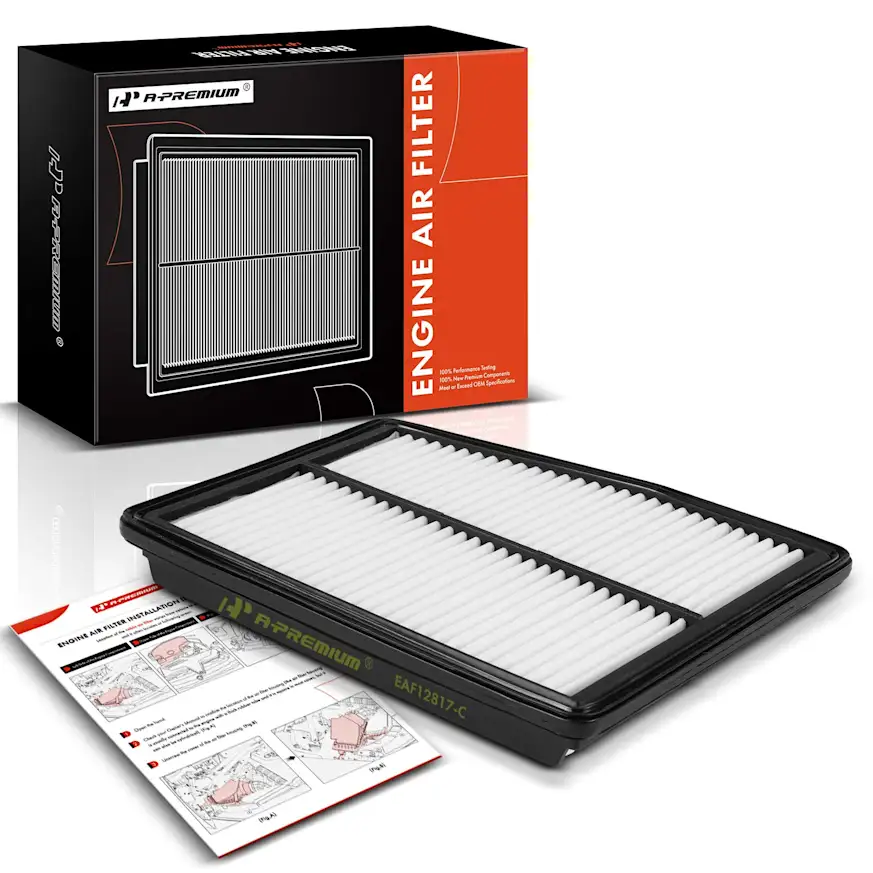
- Engine air filter (a quick look)
- A wash and occasional wax to protect the finish
Tire rotation belongs here too, on a rolling basis, to even out wear. If anything looks low or worn, address it before your next longer drive.
Seasonal Checks (A Few Times a Year)
As the weather turns, run through the items that weather hits hardest:
- Windshield wipers, which crack and streak with sun and cold
- Battery performance, since heat and cold both shorten its life
- Tires, including switching to winter or all-season rubber where you need it
- Coolant level and mix ahead of summer heat and winter freeze
- Oil and filter change on schedule
- Brakes, for pad wear and noise
- Belts and hoses, for cracks, glazing, or soft spots
Long-Term and Higher-Mileage Services
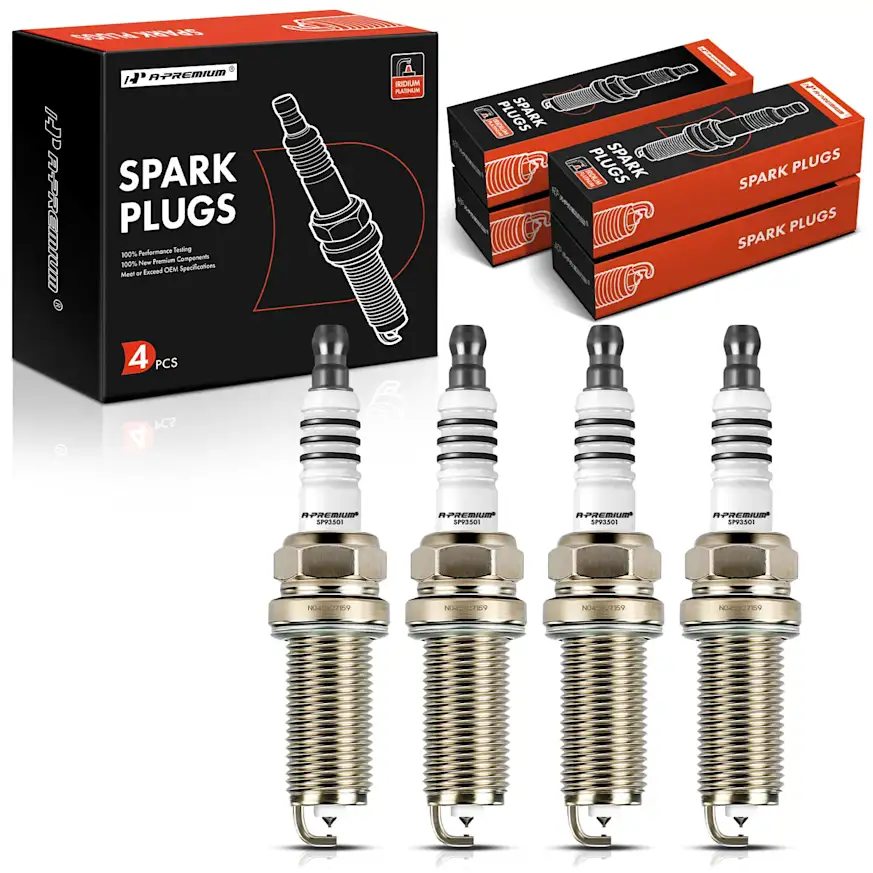
These come around less often but matter most for longevity. Many are still DIY-friendly, like a spark plug change or checking the serpentine belt:
- Transmission fluid check or change
- Transfer case fluid (four-wheel and all-wheel drive)
- Coolant flush
- Shocks and struts inspection
- Spark plugs
- Serpentine belt
- Differential fluid
- Battery replacement when it weakens (see Automobile Battery: Everything You Need to Know)
- Engine and cabin air filter replacement
Quick Reference: What To Check and When
Use this as a fast cheat sheet, then confirm the specifics against your owner’s manual:
| Interval | What to check |
| Weekly to monthly | Oil and coolant levels, tire pressure and tread, lights, washer fluid |
| Seasonally | Wiper blades, battery check, tire rotation or swap, brakes, belts and hoses |
| Around 30,000 miles | Engine and cabin air filters, transmission fluid check, brake inspection |
| Around 60,000 miles | Brake pads and rotors, coolant flush, battery, some spark plugs, belt check |
| Around 90,000+ miles | Long-life spark plugs, serpentine belt, transmission and differential fluid, shocks and struts |
Maintenance You Can Do Yourself
A surprising amount of upkeep needs only basic tools and a little time. Common do-it-yourself jobs include checking the engine oil, topping up coolant, swapping the engine air filter and cabin air filter, testing the battery, inspecting belts and hoses, rotating tires, replacing worn bulbs, installing new wiper blades, topping up washer fluid, and waxing the body. If you are weighing whether to tackle a job yourself or hand it off, DIY, do-it-for-me, or dispose walks through how to decide.
What Car Maintenance Costs, and How To Save
Routine maintenance is modest next to the repairs it prevents. The parts you replace most often are wiper blades, batteries, brake pads, and tires, none of which is expensive on its own, but all of which get costly if neglect turns them into bigger failures. To keep costs down, do the simple jobs yourself, buy quality replacement parts that last, and stay on schedule so small issues never become major ones.
Timing bigger work around your budget helps too. Using a tax refund on car repair and maintenance is one way to get ahead of the services you have been putting off.
Keep a Trunk Emergency Kit
Maintenance is not only scheduled service. A basic kit keeps a bad day from getting worse. Stash a jack and lug wrench, jumper cables or a jump pack, a tire inflator or sealant, a flashlight, gloves, a first-aid kit, and some water and a blanket. Before a long trip, top it off and run the pre-drive checks in our pre-road-trip checklist.
Car Maintenance FAQ
It depends on the task. Do quick checks weekly or monthly, seasonal checks a few times a year, and larger services at mileage points like 30,000, 60,000, and 90,000 miles. Your owner’s manual has the exact schedule.
Plenty. Checking and topping off fluids, changing air filters, replacing wiper blades and bulbs, testing the battery, and rotating tires are all beginner-friendly with basic tools.
Small issues turn into expensive ones. Skipped oil changes, worn belts, and neglected brakes lead to the kind of failures that leave you stranded and cost far more than the maintenance would have.
It varies by vehicle and how much you do yourself, but routine upkeep is minor compared to major repairs. Wipers, batteries, brake pads, and tires are the most common replacements.
Staying on top of fluids, especially oil, plus brakes, belts, and tires. Those basics, done on schedule, do the most to keep a car reliable for the long haul.
You can find the parts behind this checklist, from oil filters and air filters to wiper blades and serpentine belts, at CarParts.com. Enter your year, make, and model to see the parts that fit, and keep your maintenance on schedule.
Keep Reading: Related Posts






Any information provided on this Website is for informational purposes only and is not intended to replace consultation with a professional mechanic. The accuracy and timeliness of the information may change from the time of publication.