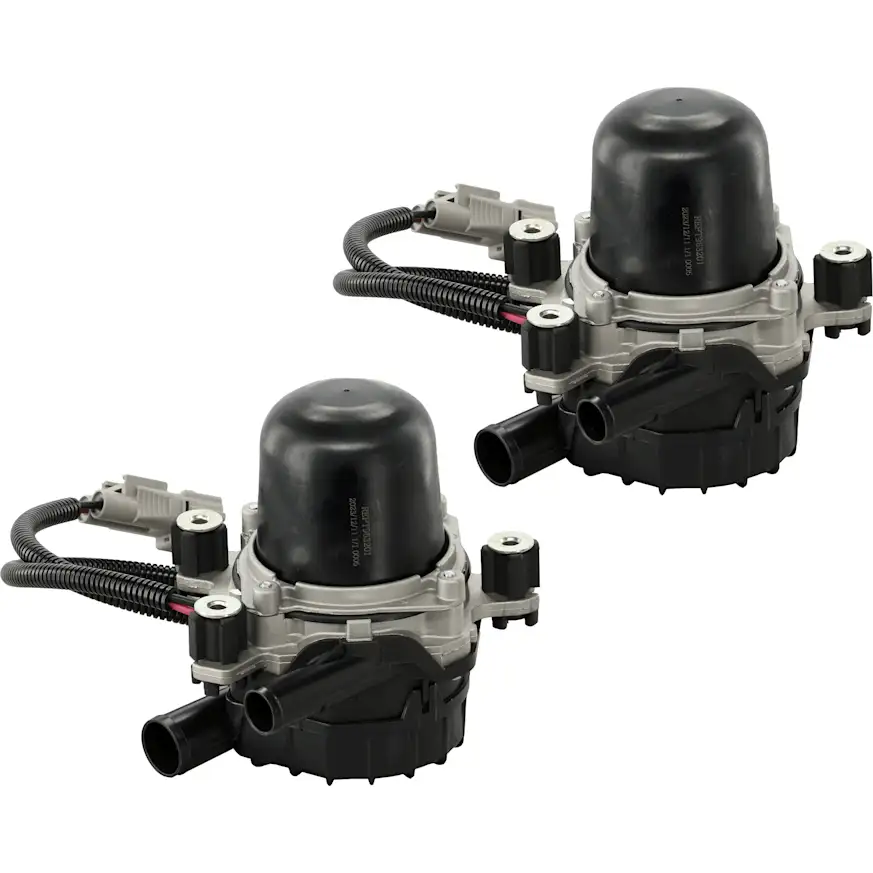
Two air pumps can look nearly identical online and still belong to completely different engines. One might list a 90-degree inlet port. The other might use a straight fitting and a different connector. That gap between similar photos and different specs is where most wrong-part orders start.
Knowing you need an air pump is only the first step. The listing you actually add to cart depends on your engine size, cylinder count, and connector type. It also depends on whether you need one unit or a matched pair. Since a failing pump often shows check engine codes before any drivability symptoms appear, understanding how an air pump works can help you confirm a replacement is really needed before you shop for a listing.
Quick Answer: How Do You Choose the Right Air Pump?
Start by confirming your vehicle’s year, make, model, and engine size. Air pumps often vary by cylinder count and displacement. Next, check whether the listing matches your original pump’s port angle, connector style, and pin count. Some vehicles need a single pump while others call for a matched set of two. Once fitment and version details line up, compare available brands to settle on a final choice.
Start With the Vehicle, Not the Product Image
Air pump listings for different engines can look almost the same in a small product photo. Start with the vehicle, not the thumbnail. Check whether your engine code calls for a 4-cylinder, 6-cylinder, or 8-cylinder version, since manufacturers frequently split listings this way. Confirm this detail before comparing pump versions and features.
Identify the Version Your Repair Actually Needs
Two air pumps can share the same name and still solve different ordering problems. Some are sold individually. Others come as a set of two for engines that require dual pumps.
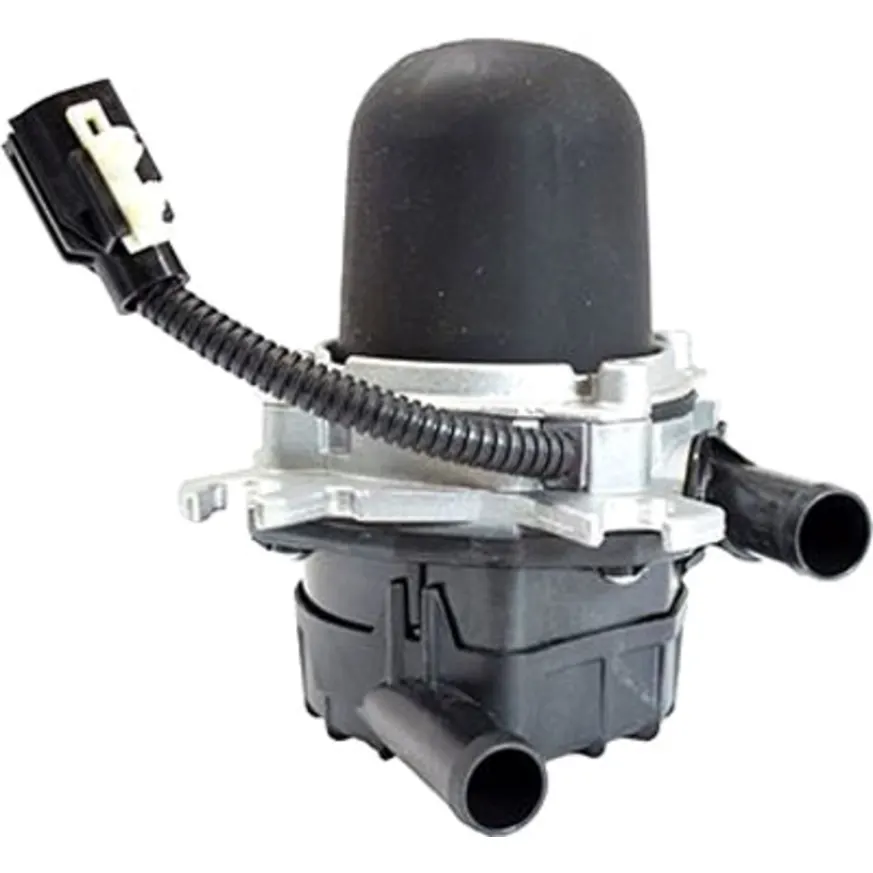
Port angle is another common split. Some units use a straight inlet, while others include a 90-degree inlet port built for tighter engine bays. Connector style varies too. Some pumps use a blade-type terminal with a 2-prong male connector, while others use a different plug configuration. Many listings use the name secondary air injection pump instead of air pump or smog pump, so search under both terms if your first search comes up short. Match these details to your original pump rather than assuming any air pump listing will work.
Compare the Details That Make the Part Fit
Use the product image as a starting point, not as the whole match. Photos can hide small differences that matter once the part arrives.
Compare these details against your old pump before ordering:
- Inlet and outlet port angle
- Connector type and pin count
- Mounting bracket position
- Overall pump housing shape
If you still have your old pump, hold it next to the listing photos and specs. A mismatched port angle or connector can mean a return, even when the pump would otherwise fit your engine. Confirm whether the pump routes air toward the exhaust manifold or the catalytic converter, since that routing needs to match your original setup.

Check What Comes in the Box
Fitment and completeness are two separate issues. A pump can match your vehicle perfectly and still leave you missing a bracket or mounting hardware you expected to be included.
Some listings include mounting hardware and a wiring pigtail. Others ship as a bare pump only. A worn check valve can produce symptoms similar to a failing pump, so it’s worth inspecting before assuming the pump alone is the fix. On belt-driven setups, check the condition of the serpentine belt as well, since a slipping belt can keep the pump from spinning fast enough to do its job. A stuck-off pump also tends to log secondary air injection pump codes well before the vehicle feels any different to drive. Read the listing details closely, so you know whether you need to source a bracket, connector, or hardware kit separately.
Compare Brands After You Confirm Fitment
Brand matters, but it should not be the first filter. An AC Delco, Motorcraft, or Dorman air pump still has to match your engine’s cylinder count, port angle, and connector style before it belongs in the cart.
Brands like Standard, Replacement, and APA/URO Parts also show up regularly in this category. Price points vary across these options. Loose or corroded terminals on either side of the connector can also trigger SAI wiring fault codes that have nothing to do with the brand of pump installed, so rule that out before you assume the part itself failed.
The better question isn’t which air pump brand is best. It’s the brand that offers the correct configuration for your specific engine.
Choose the Right Ownership Lane
Basic Replacement
Fits drivers who want a functional pump that restores emissions performance without extra features. A straightforward, direct-fit unit usually covers this need.
Daily-Driver OE-Style Replacement
Fits drivers who want a pump built closer to original specs, often with better bracket fit or included hardware. This lane balances cost and long-term reliability.
Long-Term or Severe-Use Choice
Fits drivers who plan to keep the vehicle for years or drive in demanding conditions. A higher-grade pump here can reduce the odds of an early repeat failure.
The right air pump isn’t always the most expensive one. It’s the one that matches how long you need the repair to hold.
Make the Final Add-to-Cart Check
Once the pump is running correctly, the oxygen sensor readings should settle out as the system reaches closed loop, so keep that relationship in mind before you finish the order. Before you add the air pump to cart, run through this checklist:
- Vehicle year, make, and model confirmed
- Cylinder count and engine displacement confirmed
- Single pump or set of two confirmed
- Port angle matched to the original pump
- Connector type and pin count matched
- Included hardware or wiring checked
- Brand chosen after fitment details are settled
- Quantity confirmed before checkout
Your Best Starting Point
Start with your vehicle’s engine details, not the product photo. Narrow the results by port angle, connector type, and whether you need one pump or two. Confirm what’s included before assuming a bracket or wiring pigtail comes with it.
Once those details line up, use brand as a secondary filter to finish your decision. Browsing the full air pump selection at CarParts.com with your vehicle entered is the fastest way to confirm what actually fits. The best air pump order matches your engine and connector. It also matches the details that keep the emissions system running the way it should.

Any information provided on this Website is for informational purposes only and is not intended to replace consultation with a professional mechanic. The accuracy and timeliness of the information may change from the time of publication.