No, a bed mat doesn’t cause rust on its own. Rust needs three things working together: bare steel, water, and oxygen. A bed mat only becomes a problem when it traps water against a bed floor that’s already chipped or scratched, or when grit sitting underneath grinds through the factory coating. Keep the underside clean and the drain holes clear, and a mat protects far more paint than it ever endangers.
Key Takeaways
- Rust starts at exposed metal, so the coating under your mat matters more than the mat itself.
- Water wicks under the edges of a mat and dries slowly because airflow is limited.
- Sand, gravel, and loose hardware trapped under a mat act like sandpaper every time you load the bed.
- Pulling the mat out and rinsing the bed every few weeks prevents nearly all of the risk.
- Poorly fitted universal mats and moisture-holding carpet backings raise the odds of corrosion.
How Rust Actually Starts Under a Bed Mat
Your truck’sbed floor is stamped steel with a thin layer of e-coat and paint over it. This coating is the only thing standing between the steel and the weather. As long as it stays intact, water can sit on it for days without doing damage. Once it’s breached, corrosion starts at the breach and spreads outward under the surrounding paint.
A mat doesn’t break that coating. Loading a pallet, dragging a toolbox, or dropping a hitch does.
Trapped Moisture and Slow Drying
Rain, snowmelt, wash water, and condensation all find their way past a mat’s edges. An open bed dries in an hour of sun. The same water underneath a rubber mat can stay put for days because there’s no airflow and no direct heat reaching it. That’s the single biggest factor turning a small paint chip into a visible rust spot.
Plugged drain holes make it worse. If leaves or dirt block them, water pools in the low spots of the bed floor and the mat holds it there.
Grit and Abrasion
Sand, gravel, and the odd dropped screw work their way under a mat and stay there. Every time you load cargo or hit a bump, that debris gets pressed into the coating and moved around. Owners who pull a mat after a couple of years without cleaning often find a pattern of scuffs and wear marks that match exactly where the grit sat. Those scuffs are where corrosion takes hold next.
Which Mats Raise the Risk?
Not all mats behave the same way. A few traits make a meaningful difference.
- Universal cut-to-fit mats: These shift under load because they don’t match the bed’s contours, and constant movement wears the coating.
- Carpet-backed or fabric-lined mats: The backing absorbs water and holds it against the metal long after the surface looks dry.
- Flat mats with no underside relief: A smooth back sits flush against the floor with nowhere for moisture to escape.
- Molded mats with ribbed backs and raised edges: These create channels that let water move toward the drain holes instead of sitting in place.
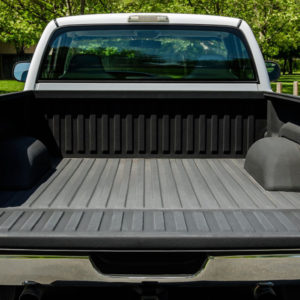
A precision-fit mat in rubber or thermoplastic elastomer (TPE) that follows the bed’s ribs and stops short of the drain holes gives you protection without standing water.
What Are Bed Liners, and How Do They Compare?
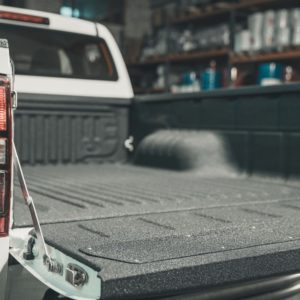
Bed liners fall into three broad categories, and their rust behavior differs. Spray-on liners bond directly to the metal, so there’s no gap for water to occupy, though installation is permanent and removal usually damages the surface. Drop-in plastic liners are affordable and removable, but they’re the worst offenders for trapped moisture because water and debris collect in the gap between the liner and the bed, and the liner rubs the coating as it flexes. Carpet liners protect cargo well but soak up moisture and can hold it long enough to encourage mold and corrosion.
A mat sits in the middle. It covers less area than a liner, which means less trapped water, and it lifts out in seconds for cleaning.

How To Keep a Bed Mat From Causing Rust
Pull It and Rinse on a Schedule
Every few weeks is enough for most drivers. Lift the mat out, sweep or hose the bed floor, and let both dry before reinstallation. Bump this up to every couple of weeks if you’re hauling wet landscaping material, running through road salt, or parking outside year-round. Owners who do this report decades of service with no corrosion at all.
Keep the Drain Holes Clear
Check the corner drains any time the mat comes out. Poke out packed dirt and leaves with a screwdriver or a blast of compressed air. Water that can leave the bed can’t sit under your mat.
Touch Up Chips Early
When you spot bare metal, clean it, scuff it lightly, and hit it with primer and matching paint or a brush-on bed coating. A five-minute repair stops a spot that would otherwise spread under the surrounding paint for years.
If you find soft metal, flaking rust around the bed supports, or corrosion near the mounting points and frame rails, have a shop look at it. Surface rust on the floor is cosmetic. Structural rust at attachment points isn’t, and it’s worth confirming before it gets larger.
Picking a Mat That Drains Well
Look for a model built for your truck’s exact year, cab, and bed length. Check whether the underside has ribs or channels rather than a flat face. Raised perimeter edges help contain spills, and the mat should stop short of the drain holes instead of covering them. Rubber and TPE both handle temperature swings without cracking, and neither absorbs water the way carpet does. Weight works in your favor too, since a heavy mat stays put and doesn’t abrade the coating.
FAQs
You don’t have to, but you should check under it more often. Road salt accelerates corrosion, so rinse the bed floor and the mat’s underside whenever you’d wash the truck.
Every three to four weeks covers most use. If the bed regularly gets wet cargo, sand, or salt, make it every two.
A spray-on liner seals the metal completely and is the strongest option against corrosion. A drop-in liner is generally worse than a mat, since it traps water across the whole bed and can’t be cleaned out quickly.
Yes, and many owners do it for grip and noise. Just remember you now have two layers to lift when you clean, and the liner itself still needs checking underneath.
Visible bed floor rust hurts appearance and buyer confidence, and deep corrosion can eventually perforate the floor. Catching it early keeps it a cosmetic issue.
Keep the Bed Floor Dry
A bed mat is one of the cheapest ways to protect the sheet metal you paid for, and the maintenance it asks for is minimal. Pull it, rinse it, clear the drains, and touch up chips when you see them. Shop precision-fit rubber and TPE bed mats at CarParts.com to get coverage that drains instead of holding water.
Keep Reading: Related Posts





Any information provided on this Website is for informational purposes only and is not intended to replace consultation with a professional mechanic. The accuracy and timeliness of the information may change from the time of publication.