Search for a fuel pressure regulator, and the results turn into a strange mix. A $12 replacement part sits right next to a $230 adjustable unit with braided lines and a gauge. Both share the same name, yet they solve very different problems.
The part category isn’t the tricky part. The listing is. One angled fitting instead of a straight one can turn a good match into the wrong order.
This guide walks through what separates one fuel pressure regulator listing from another. That way, you can add the right one to your cart instead of guessing from a photo.
Quick Answer: How Do You Choose the Right Fuel Pressure Regulator?
To choose the right fuel pressure regulator, start with your vehicle’s year, make, model, and engine. Fuel systems vary even within the same model line, so confirm whether yours is carbureted or fuel-injected before you shop. Then check if the listing is an OEM-style replacement or an adjustable performance unit.
Compare port details, like fitting angle and inlet count, against your old part. Confirm what’s included in the box, since some units ship bare and others come with a gasket or gauge. Once fitment and version match, let brand be your final filter.
Start With the Vehicle, Not the Product Image
A fuel pressure regulator that looks like your old one can still be wrong for your engine. Confirm these details before you check any listing.
- Year, make, and model
- Engine size and fuel system type
- Whether your setup is stock or already modified
- Any shipping or emissions notes on the listing
- The part number from your old regulator, if you have it
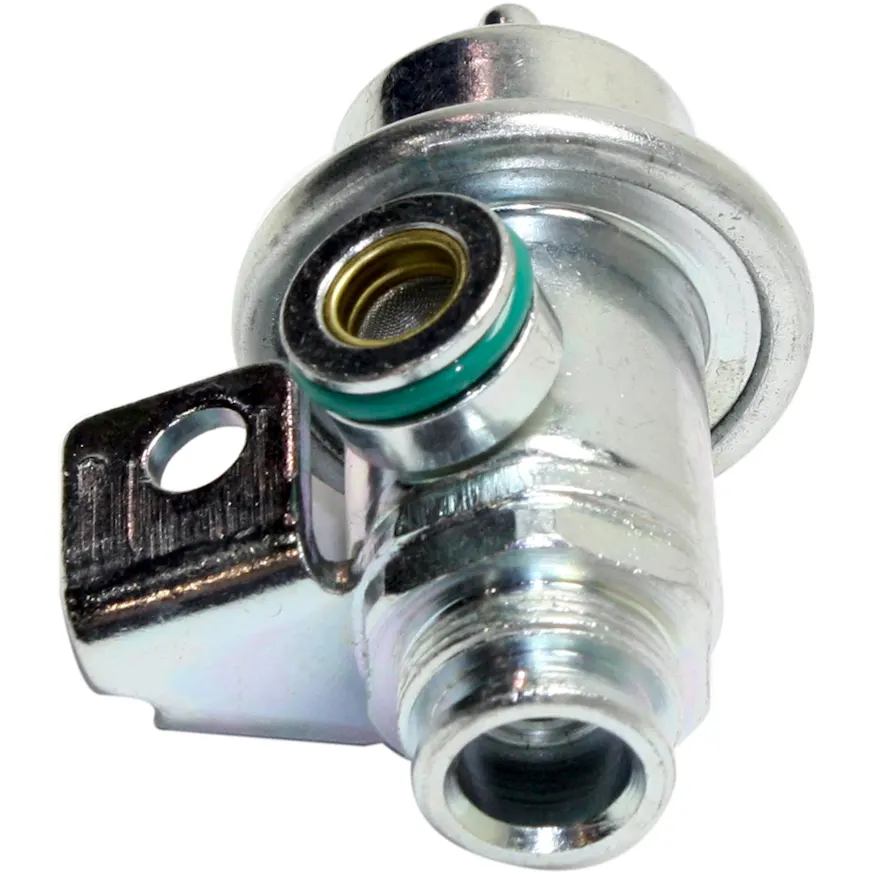
Identify the Version Your Repair Actually Needs
Two listings can share the same name and still serve different jobs. Fuel pressure regulators fall into a few real categories worth knowing before you buy.
OEM Style Replacement
These are direct swaps for your factory unit, built to match stock pressure specs. Most use a vacuum referenced design that adjusts pressure with engine load. They work great for a stock or lightly modified daily driver. Many newer vehicles skip this part entirely and rely on a fuel pump driver module instead, which controls pressure electronically through a returnless design.
Adjustable Performance Regulator
These use threaded fittings instead of factory hose barbs. Pressure ranges often start around 25 psi and climb past 90 psi. Aftermarket fuel systems with upgraded fuel injectors or forced induction rely on these, and some include a built-in gauge.
Manifold Pressure Referenced vs Fixed Regulators
On boosted engines, a manifold-referenced regulator raises fuel pressure to match boost. That keeps injector pressure steady. A fixed regulator without that reference line won’t respond the same way.
Regulators vs Pulse Dampers
Some listings under a regulator search are actually pulse dampers. A damper smooths out pressure spikes, but it doesn’t regulate pressure the way a true regulator does. It’s a different part with a different job.
Injection Pressure Regulators on Direct Injection Systems
Some newer engines use an electronically controlled injection pressure regulator instead of a mechanical one. These often show up on direct injection engines and look more like a solenoid valve than a classic diaphragm regulator. They aren’t interchangeable with older-style parts.
Compare the Details That Make the Part Fit
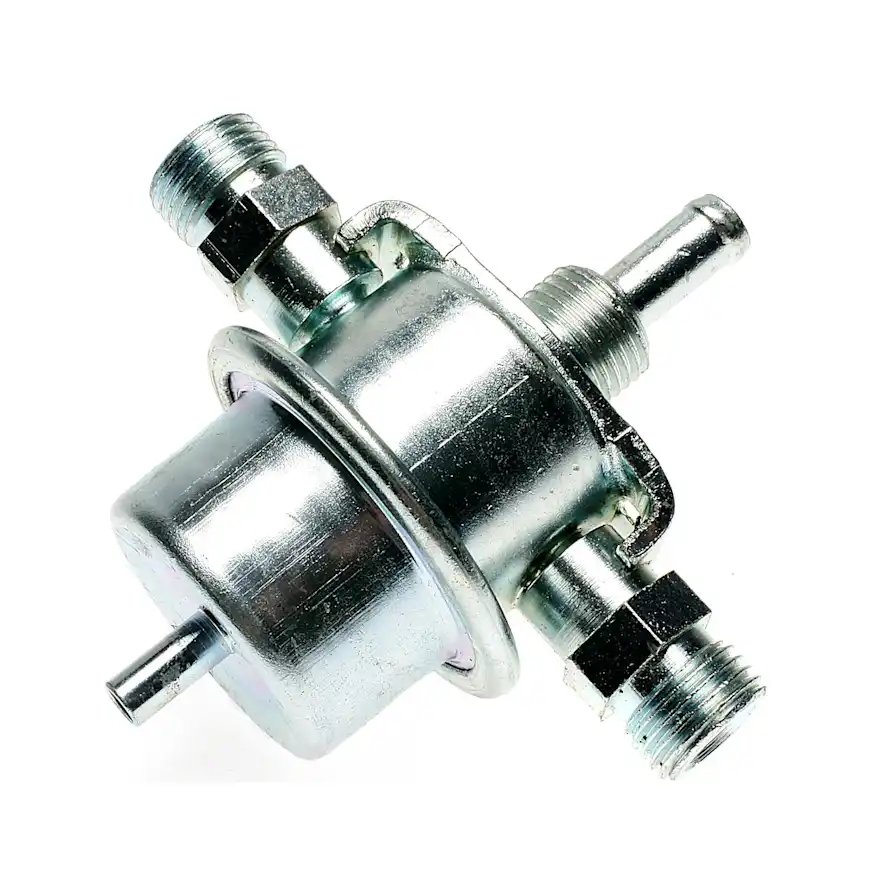
A product photo shows the general shape, not whether the part connects correctly. Check the fitting angle, since some regulators use an angled connection and others go straight. Look at whether the listing has one inlet or two. A test port lets you connect a gauge without disconnecting fuel lines.
Compare inlet and outlet sizes, and confirm whether fittings are barbed or threaded. Make sure the pressure range on the listing actually fits your fuel system.

Check What Comes in the Box
Getting the right fit doesn’t guarantee the box has everything your repair needs. Some replacement regulators ship bare, without an O-ring or clip. Others include the seal already attached. Adjustable units may or may not include a gauge or fitting adapters.
A few kits pair a regulator with a fuel filter in one box, and that can save you a separate purchase if your filter needs attention too. If a listing skips the gasket you need, plan to add it before checkout.
Compare Brands After You Confirm Fitment
Brand matters, but it shouldn’t be your first filter. Use brand as a confidence check once fitment is settled. Some brands lean toward OEM-style replacements, while others focus on performance units. The better question isn’t which brand is best, but which one matches your setup.
Choose the Right Ownership Lane
The right fuel pressure regulator isn’t always the priciest one. It’s the one that matches how you drive and how long you need the fix to last.
Daily Driver OE Style Replacement
This fits most stock or lightly modified vehicles. Look for a direct-fit, vacuum referenced unit that matches your factory spec. This lane usually runs under $100.
Performance Adjustable Upgrade
This suits vehicles with upgraded injectors, a bigger fuel pump, or forced induction. An adjustable regulator gives you room to tune. Expect a higher price for that flexibility, often over $150.
Rebuild or Component Level Fix
If your adjustable regulator’s diaphragm or spring fails, a rebuild kit can cost less than a full replacement. This works well when the housing is still in good shape.
Make the Final Add-to-Cart Check
Before checkout, run through a quick list to confirm everything matches. This helps you avoid a return down the line.
- Vehicle year, make, model, and engine confirmed
- Fuel system type confirmed
- Fitting angle and inlet count checked against your old part
- Pressure range right for stock or modified use
- Included components checked, like a gasket or gauge
- Quantity confirmed, since most vehicles need just one
Your Best Starting Point
Start with your vehicle’s fitment details, then narrow by version. Confirm what’s included before you compare brands. Use your old part as a reference wherever you can.
The best fuel pressure regulator order isn’t the one with the biggest brand name or the lowest price. It’s the listing that actually matches your vehicle and your repair.
Keep Reading: Related Posts



Any information provided on this Website is for informational purposes only and is not intended to replace consultation with a professional mechanic. The accuracy and timeliness of the information may change from the time of publication.