You might already know that a trunk actuator is the small electric unit that pops the latch when you hit the key fob, the dash button, or the switch on the lid. What’s harder to determine is which listing matches your car, because the search results for one part name can return several very different-looking parts.
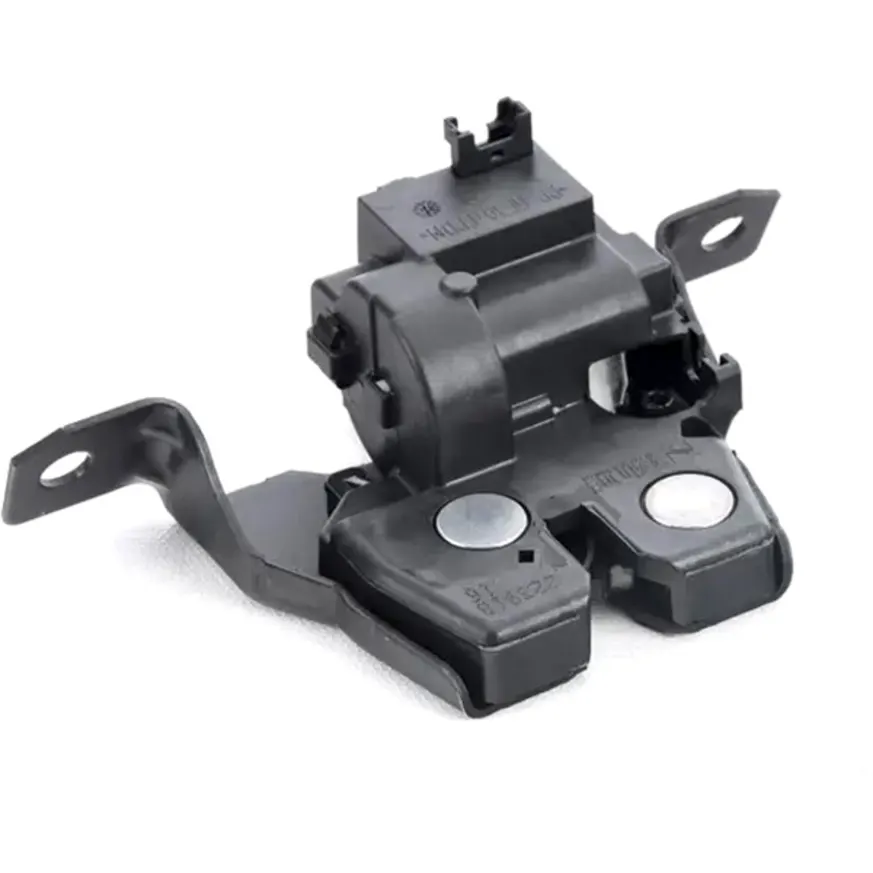
Some are compact solenoids with a short wire pigtail. Some are lock actuators built into a latch bracket. Some are longer motorized units that do the pulling work on a power-closing lid. They’re all filed under the same category name, and they aren’t interchangeable.
The good news is that this is a solvable ordering problem. Once you know your vehicle’s body style, the release system it uses, and what the old unit physically looks like, the listing choice narrows quickly.
How Do You Choose the Right Trunk Actuator?
Start by confirming your vehicle’s year, make, model, body style, and trim, since a sedan trunk lid, a coupe deck lid, and a hatchback liftgate often use different latch hardware for the same nameplate. Next, decide which style of actuator your vehicle uses: a standalone release solenoid, a lock actuator that’s part of the latch, or a motorized power-release or pull-down unit. Then compare the connector or wire lead and the mounting shape against your original part, and check whether the listing is described as a direct fit or as a replacement for a specific OE number. Once fitment and style are settled, compare the available brands and confirm what’s actually in the box before you add it to cart.
Start With the Vehicle, Not the Thumbnail
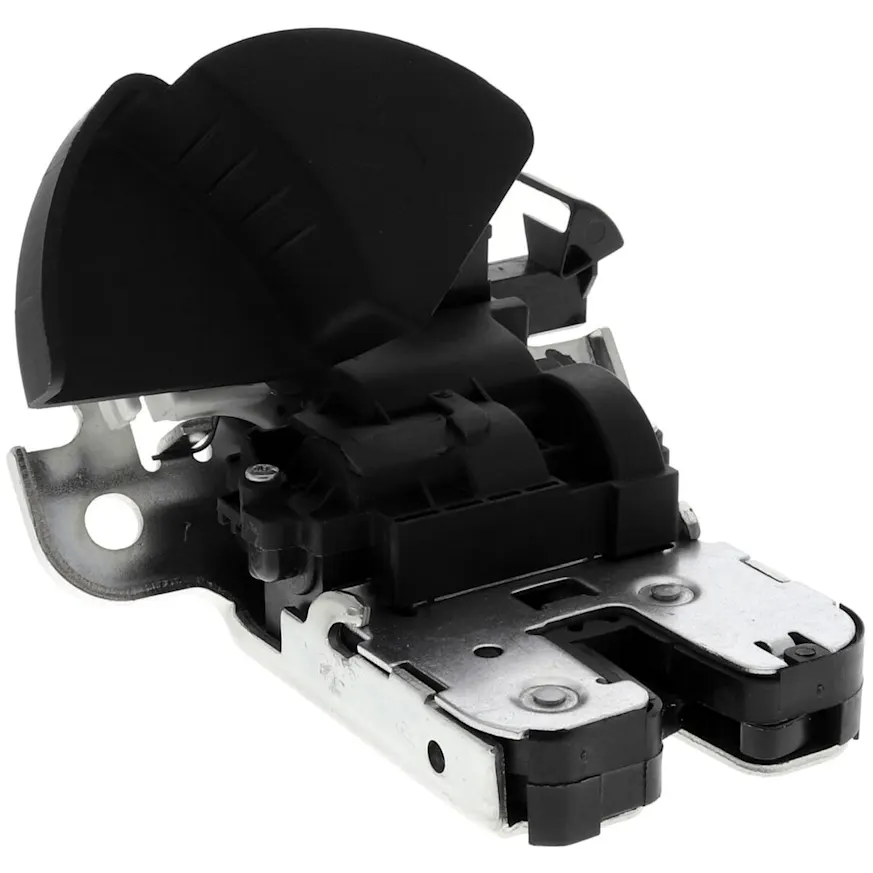
Trunk actuator photos are small, dark, and shot at odd angles, which makes very different parts look similar in a results grid.
Before you compare products, have these details ready:
- Year, make, and model: the baseline for any fitment filter
- Body style: sedan, coupe, convertible, hatchback, or wagon, since the lid or gate design changes the latch and actuator
- Trim or submodel: higher trims might add keyless release, power closing, or a soft-close feature
- Production date or VIN: some models switch latch suppliers partway through a run
- Release method: key fob only, interior button, exterior touchpad, or a combination
Filtering by vehicle first eliminates most of the wrong listings before you ever look at a product image. It also keeps you from picking a part that fits the same model year but a different roofline.
Identify Which Trunk Actuator Your Repair Actually Needs
Two trunk actuators can carry the same category name and still solve different ordering problems. The version split usually comes down to what the unit does and how it’s packaged.
- Release solenoid or lock actuator: A compact unit that pulls or unlocks the latch mechanism on command. These are often small, sold as a bare component, and connected by a short wiring lead.
- Actuator integrated with the latch: In some vehicles the actuator isn’t serviced separately, and the replacement comes as a lock or latch unit with the motor built in. If your original part is one piece with the latch, a bare solenoid won’t bolt in.
- Motorized power-release or pull-down unit: Longer, heavier units that physically move the lid or cinch it closed. These appear on vehicles with power trunk features and are noticeably different in shape from a simple release solenoid.
- Direct fit versus universal-style: Some listings carry a stated direct fit designation, meaning the part is built to match a specific application without modification. This designation is worth looking for when the shape of your original unit is unusual.
- OE-number replacements: Certain listings, especially for European applications, are described as replacing a specific original equipment number. If you can read the number stamped on your old actuator, that’s the strongest match confirmation available online.
Pick the version that matches what you’re removing, not the one with the most features.
Compare the Details That Decide the Match
Use the product image as a starting point, not as the whole match. Once you’ve narrowed to a few listings, compare these specifics against the part on your vehicle:
- Overall shape and body profile of the actuator, round puck versus rectangular pod versus cylindrical motor
- Mounting tabs, bracket, or bolt hole spacing
- Whether the actuator bolts to the latch or to the lid structure
- Connector style: a plug-in connector versus loose wire leads
- Number of wires or pins in the connector
- Length of the wiring pigtail, which matters when the harness plug sits some distance from the actuator
- Direction the actuating rod or arm travels, and how it engages the latch
- Whether a rod, clip, or retainer is attached to your original unit
If you can get the old actuator out, or at least see it through the trunk trim, spend two minutes matching the connector and mounting points. This check prevents most returns in this category.
Check What Comes in the Box
Fitment and completeness are two separate questions. A listing can be exactly right for your vehicle and still not include everything you need to finish the repair.
Depending on the application and the specific listing, these might or might not be included:
- The latch or lock assembly the actuator mounts to
- Mounting screws, bolts, or clips
- The wiring pigtail or connector
- The actuating rod, linkage, or retaining clip
- A trunk lid trim panel or fastener that has to come off
Trunk actuators in this category are commonly sold individually, so verify quantity if your vehicle uses more than one unit for the release and lock functions. If your original latch is worn or the actuator arm has broken loose from it, read the product details closely to see whether the listing covers the latch or only the motor. Ordering the smaller component when the larger assembly is the failed piece is the most common incomplete order in this category.

Compare Brands After Fitment Is Settled
Brand matters, but it shouldn’t be the first filter. A Dorman, AC Delco, Vemo, APA/URO Parts, or GenuineXL trunk actuator still has to match your vehicle’s body style, actuator type, connector, and mounting points before it belongs in the cart.
The brand mix in this category tends to sort by application. Some brands offer OE-series replacements for domestic vehicles, while others focus on European applications and list the specific OE number they replace. Warranty terms differ from brand to brand as well, ranging from limited-term coverage to lifetime limited coverage, so it’s worth reading the warranty line on the listing you’re leaning toward.
The better question isn’t “Which trunk actuator brand is best?” It’s “Which brand offers the correct actuator configuration for this vehicle and this latch?” Once two or three listings clear the fitment check, brand and warranty are reasonable tiebreakers.
Choose the Right Ownership Lane
Lowest-Cost Functional Replacement: You want thetrunk to open again, and the latch itself is in good shape. A bare release solenoid or lock actuator that matches your vehicle’s connector and mounting is enough here. Don’t pay for a complete latch assembly you don’t need, but don’t buy a bare unit if your ride’s latch is the part that failed.
Daily-Driver OE-Style Replacement: You use the trunk constantly and want the release to behave the way it did originally. Look for a listing described as a direct fit or as a replacement for your trunk actuator’s original equipment number, with the same connector and travel as the old unit. This is the lane where reading the specifications and warranty line pays off.
Long-Term Keeper or Full Latch Refresh: You plan to hold the car, the trunk trim is already coming apart for the repair, or the latch mechanism is sticky as well as electrically dead. Replacing the actuator and latch together while you have access makes sense here. Just confirm the listing actually includes the latch rather than assuming it does.
The right trunk actuator isn’t automatically the most complete or most expensive one. It’s the one that matches how the failure actually presented and how long you need the fix to hold.
Make the Final Add-to-Cart Check
Before you add the trunk actuator to cart, make sure the listing matches the vehicle, the actuator style, the wiring, and the details you can verify from the original part.
- Year, make, model, and body style confirmed through the vehicle filter
- Trim and release features confirmed, including power or soft-close if equipped
- Actuator style confirmed: release solenoid, latch-integrated lock actuator, or motorized unit
- Connector type and wire count matched to the old part
- Mounting points, bracket, and rod engagement compared
- Direct fit or OE-number reference checked where listed
- Latch inclusion confirmed if your latch is also failing
- Quantity confirmed, since these are typically sold individually
- Warranty terms reviewed on the listing you’ve chosen
- Product details and fitment notes read all the way through
Your Best Starting Point
Set your vehicle in the fitment filter first and let it clear out everything that doesn’t apply. From there, narrow by actuator style, because this single decision separates the compact release units from the latch-integrated and motorized ones.
Compare the shortlist against your original part, focusing on the connector, the mounting, and the way the arm engages the latch. Confirm what’s in the box, then use brand and warranty as your last filter rather than your first.
The best trunk actuator order isn’t the one that looks close enough or carries a familiar brand name. It’s the one that matches your vehicle, its release system, wiring, and the parts you’ll actually need to close the trunk again.
Keep Reading: Related Posts





Any information provided on this Website is for informational purposes only and is not intended to replace consultation with a professional mechanic. The accuracy and timeliness of the information may change from the time of publication.