The P0302 code means your car’s computer detected a misfire on cylinder 2. The powertrain control module, known as the PCM, sets this code once cylinder 2 fails to fire a set number of times correctly. Left alone, a cylinder 2 misfire can hurt performance and damage your catalytic converter.
Quick Answers
- Meaning: The PCM caught cylinder 2 skipping its combustion event.
- What it affects: Engine power, fuel economy, and emissions control.
- How serious it is: Moderate to serious, especially if the misfire happens often.
- Most common causes: A worn spark plug, weak coil pack, bad fuel injector, or mechanical engine issue.
- What to do first: Check the spark plug and coil pack on cylinder 2.
- Can you keep driving: Short trips are usually fine, but a lasting misfire can damage your catalytic converter.
What Does the P0302 Code Mean?
Diagnostic trouble code (DTC) P0302 stands for “Cylinder 2 Misfire Detected.” The code indicates that your car’s primary computer, also known as the powertrain control module (PCM), has detected a misfire on cylinder 2.
Cylinder 2 refers to the cylinder labeled number 2 on your engine’s layout, not the second cylinder to fire. On a Ford V8, cylinders run 1 through 4 on the passenger side and 5 through 8 on the driver side. On a Chevy or Dodge V8, the numbering alternates between the two banks. A four cylinder inline engine numbers its cylinders 1 through 4, starting at the timing belt end.
Firing order also depends on your specific engine. A 2012 Dodge Grand Caravan’s 2.4L engine fires in the order 1-3-4-2, while its 3.3L and 3.8L engines fire 1-2-3-4-5-6. Your firing order won’t change what P0302 means, but it helps you locate cylinder 2 correctly.
The PCM figures out which cylinder is misfiring by watching the crankshaft position sensor. It first learns a baseline pattern of crankshaft pulses while you’re coasting, since no cylinder is under load at that point. Chrysler calls this baseline the adaptive numerator, while GM and Ford call it crank relearn or case relearn. The PCM then compares live crankshaft pulses against that stored baseline to catch a cylinder that’s slowing the crankshaft down.
The point of the “Crankshaft Learn” snapshot is that the PCM needs to know when the engine is misfiring, i.e., which cylinder isn’t contributing, and it can tell by watching the crankshaft slow down every time a particular cylinder doesn’t fire. It determines that by comparing the stored pattern with the live one.
–Richard McCuistian, ASE Certified Master Automobile Technician
Because the camshaft turns at half crankshaft speed, the PCM also uses the camshaft position sensor to confirm which cylinder should be firing at that moment. It tracks misfires within a 200 rpm window and a wider 1000 rpm window. A misfire that repeats within the tighter 200 rpm window counts as the more serious case.

Pro Tips are nuggets of information direct from ASE-certified automobile technicians working with CarParts.com, which may include unique, personal insights based on their years of experience working in the automotive industry. These can help you make more informed decisions about your car.
Pro Tip: An occasional misfire (like a “bite” under acceleration) won’t even set a P030x code unless it happens more than a certain number of times within the 1000 rpm window. Infrequent misfires are recorded but not tied to a particular cylinder, and on some platforms, this stores a P0300.
What Are the Symptoms of a P0302 Code?
A P0302 code usually comes with a lit or flashing check engine light. Your engine may run rough, stall at idle, or struggle to start. You might also notice a foul odor from the exhaust, less power under acceleration, and worse fuel economy. If other misfire codes set alongside P0302, expect a wider mix of symptoms since more than one cylinder is affected.

A misfire happens when one of the engine's cylinders doesn't create the small explosion it needs to work properly. This explosion, called combustion, happens when air and fuel mix together and get ignited inside the engine. The timing of these explosions is very important to make the engine work smoothly and efficiently. When the explosion happens, it heats up the air in the cylinder, making it expand and push the piston down. This pushing creates power that turns the crankshaft, which helps the car move. If there's a misfire, that explosion doesn’t happen, and the engine doesn’t get the power it needs.
Not everyone is an auto repair expert. ELI5 (“Explain Like I’m Five”) provides layperson-friendly explanations of complex automotive concepts, systems, & parts, so you can fully understand their importance. Great for casual car owners and DIY beginners! Powered by AI.

What Causes a P0302 Code?
Cylinder 2 can misfire for a few different reasons, and narrowing down the cause starts with the ignition and fuel systems. Common causes include:
- Fuel delivery issues, such as a faulty fuel injector or a damaged injector circuit
- Ignition system problems, such as a failed coil pack or a worn spark plug
- Engine mechanical issues, such as a sticking valve or weak piston rings
A lone P0302 code usually points to a problem isolated to cylinder 2. Multiple misfire codes together often mean a broader issue, like a vacuum leak or low fuel pressure, is affecting several cylinders at once. A cylinder 2 misfire can even confuse the PCM enough to trigger a P0300 code alongside it.

How Serious Is a P0302 Code?
P0302 ranges from a minor annoyance to a real threat to your engine, depending on how often the misfire happens. Your PCM usually cuts fuel to cylinder 2’s injector to protect the catalytic converter from unburned fuel. Driving a long time with an active misfire can lead to catalytic converter damage and expensive repairs. Get the code diagnosed as soon as you notice symptoms.

CarParts.com Research Team User
There’s more than one way to look at an issue. “Community Perspectives” highlight authentic personal viewpoints and real-life experiences by the CarParts.com community, including our readers, experts, and product specialists, among others. This can help you make better informed decisions about your car.
CarParts.com Community Perspectives
A lot of different problems can cause a misfire. The article mentions a misfire can be caused by an engine mechanical problem, which is what you’re dealing with if cylinder #2 has zero compression.
How Do You Diagnose a P0302 Code?
A P0302 diagnosis follows a logical path, starting with the cheapest and easiest checks. If you don’t have the tools or experience for engine diagnostics, a professional mechanic can safely work through these steps for you.
Check the Spark Plug and Coil
Start by pulling cylinder 2’s spark plug to check for fouling, damage, or an incorrect gap, since worn plugs are one of the most common causes. Swap the plug or coil pack with one from a cylinder that’s running fine. If the misfire follows the part to its new cylinder, you’ve found your answer.
Check the Fuel Injector
Listen for a clicking sound from cylinder 2’s injector, or use a scan tool to check its injector pulse and fuel trim numbers. A weak or clogged injector often shows up as unusual fuel trim data on that cylinder alone.
Rule Out Vacuum Leaks and Fuel Pressure
A smoke test can reveal a vacuum leak near cylinder 2’s intake runner, and a fuel pressure gauge confirms whether delivery is adequate. These issues often trigger more than one misfire code at a time, so check for a pattern before assuming the problem is isolated.
Check for Mechanical Problems
A compression test on cylinder 2 reveals a sticking valve or worn piston rings if the electrical and fuel checks come back clean. Low compression on one cylinder points to an internal engine issue rather than an electrical one, and it usually calls for a more involved repair.
How Do You Fix a P0302 Code?
If a worn spark plug is behind the misfire, a fresh spark plug from CarParts.com usually clears it up.
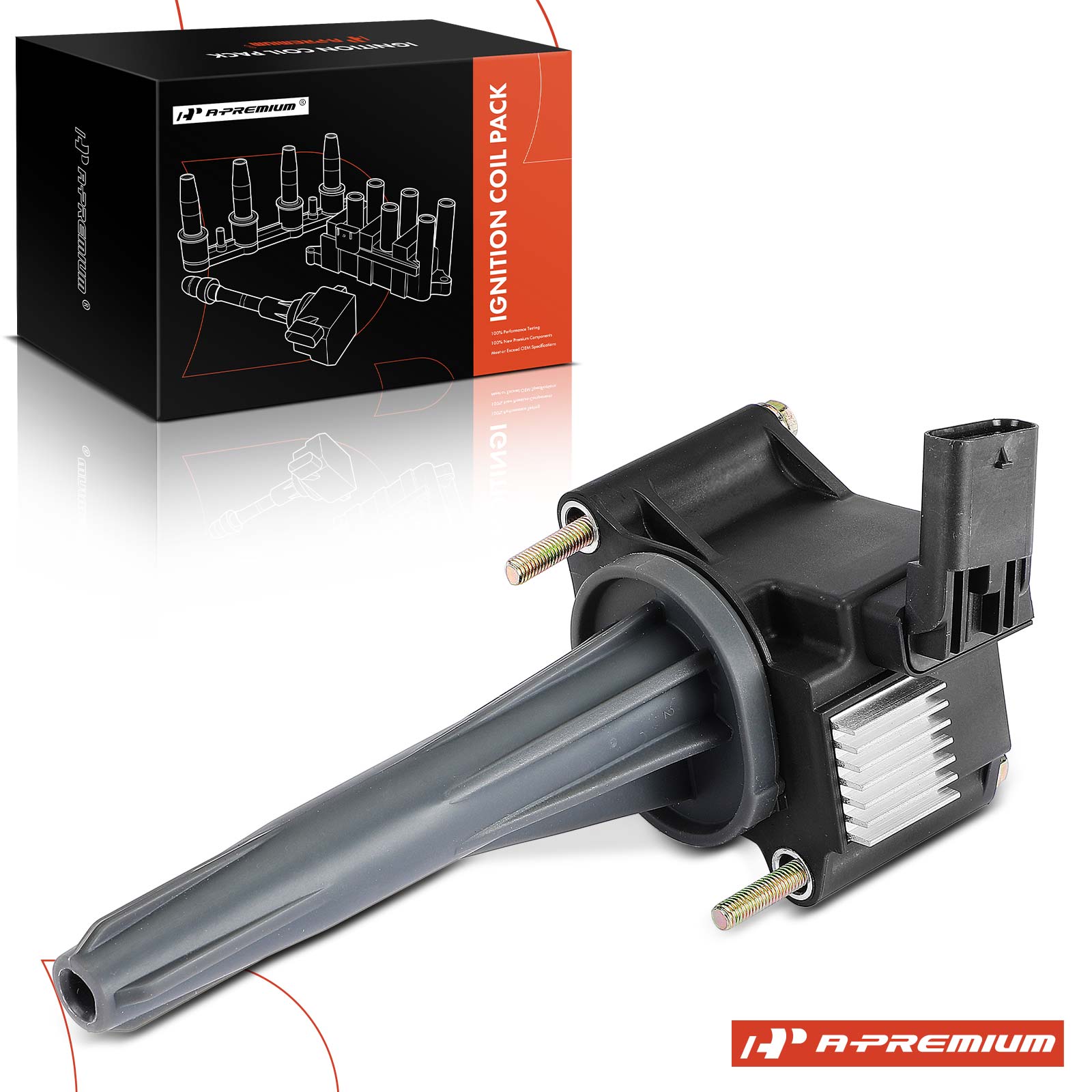
If the coil pack has failed, a new ignition coil restores a strong, consistent spark to cylinder 2.
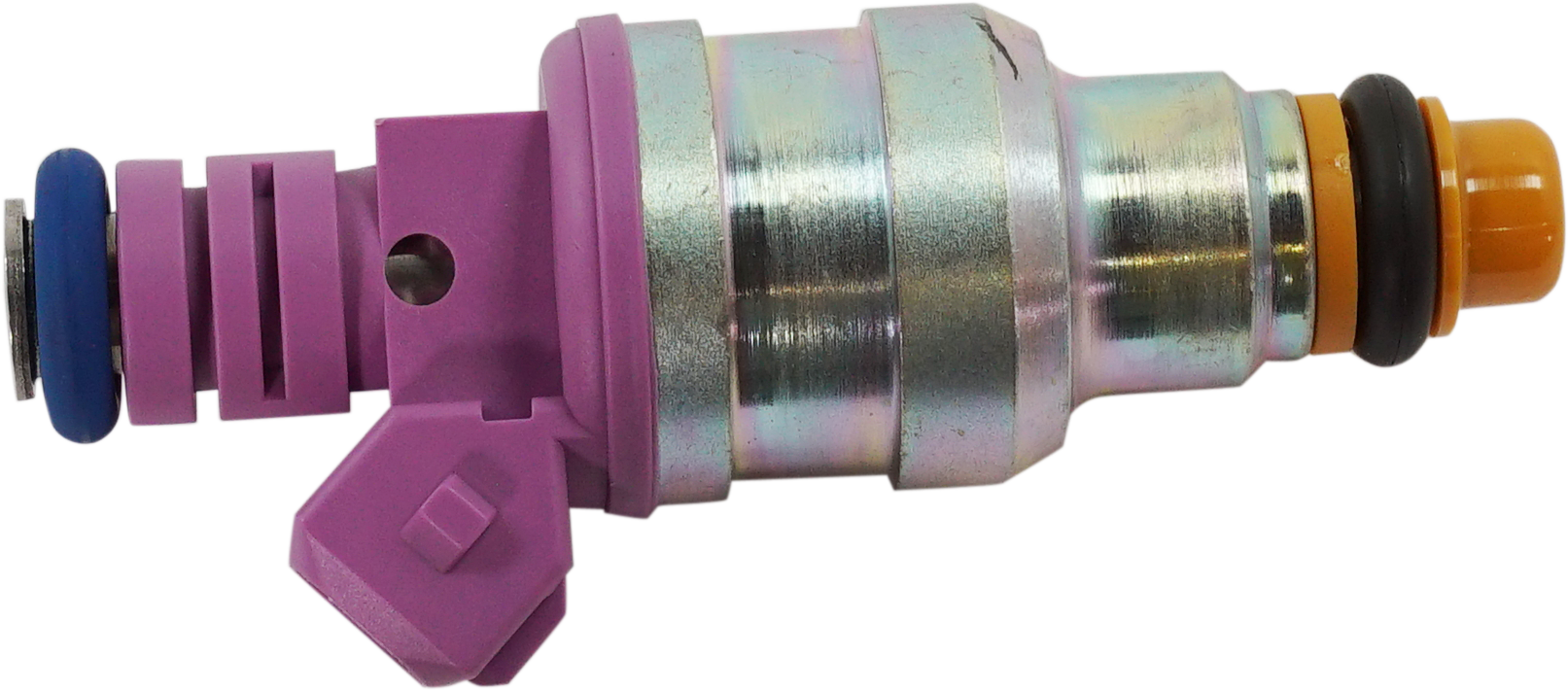
If a fuel injector is clogged or damaged, cleaning or replacing the fuel injector clears up delivery problems on that cylinder.
Mechanical issues like a sticking valve or worn piston rings need a more involved repair. A new piston ring set restores proper compression once the valve issue is addressed.
Every vehicle has its own repair specifics, so check your owner’s manual or a trusted repair guide before starting the job.
FAQs
Short trips are usually fine with a P0302 code active. A prolonged, ignored misfire can overheat and damage your catalytic converter over time. Get the underlying cause diagnosed as soon as you reasonably can.
A P0302 code can range from minor to serious depending on how often cylinder 2 misfires. Frequent misfires risk catalytic converter damage and a bigger repair bill. Infrequent misfires are less urgent but still worth checking soon.
P0300 flags a random misfire across multiple cylinders, while P0302 points to cylinder 2 specifically. A vehicle can set both at once if a broader issue, like a vacuum leak, is confusing the PCM. Check the P0300 code guide if that code appears alongside P0302.
Yes, a worn or fouled spark plug on cylinder 2 is one of the most common causes of a P0302 code. A weak spark leads to incomplete combustion, which the PCM reads as a misfire. Replacing the plug often resolves the code on its own.
A vacuum leak can contribute to a P0302 code, especially if it’s located near cylinder 2’s intake runner. Vacuum leaks more often trigger multiple misfire codes at once, since they affect the air-fuel mixture broadly. A smoke test helps confirm whether a leak is involved.
The cost to fix a P0302 code depends entirely on the underlying cause. A spark plug or ignition coil replacement is a relatively affordable fix. A mechanical issue like weak piston rings costs considerably more and often calls for professional labor.
Clearing a P0302 code requires a scan tool, but the fix has to happen first. Resetting the code without repairing the cause just lets the misfire return and the light come back on. The PCM will also need to relearn its baseline after certain repairs.
Ignoring a P0302 code risks ongoing rough running, poor fuel economy, and eventual catalytic converter damage. The PCM may shut off cylinder 2’s injector to protect the converter, which reduces power further. The longer the misfire continues, the more expensive the eventual repair tends to be.
A P0302 code rarely clears on its own, since the underlying mechanical or electrical issue doesn’t go away by itself. An intermittent cause, like a loose connector, might stop triggering the code temporarily. The safest approach is still to diagnose and repair the root cause.
When to Enlist the Help of a Mechanic
A professional mechanic is the safer choice if you don’t have experience with engine diagnostics or the right tools on hand. Mechanical causes like a sticking valve or worn piston rings often require engine disassembly, which goes beyond a basic DIY job. A shop can also confirm the cause with a scan tool and live data before you spend money on parts.
Whether cylinder 2 needs a new spark plug, coil pack, or fuel injector, CarParts.com carries aftermarket parts built to get your engine firing evenly again. Their fit and quality hold up well against original equipment parts, often at a friendlier price. Enter your vehicle’s year, make, and model to find the right spark plugs and other engine parts for your specific ride.
Products Mentioned in this Guide
 Fuel Injector
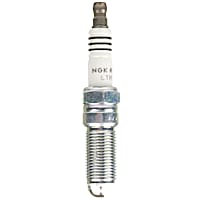 Spark Plug
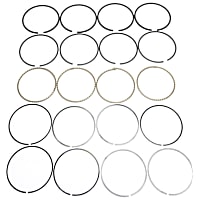 Piston Ring Set
Shop this Project
-
Replacement – Fuel Injector, with Red Connector

$22.99
Price and rating may change from the time content is published.
-
DNJ® – PR1163.30 Piston Ring Set – Direct Fit, Set

$86.99
Price and rating may change from the time content is published.
-
A-Premium® – APIC0939 Ignition Coil

$46.59
Price and rating may change from the time content is published.

Keep Reading: Related Posts




Any information provided on this Website is for informational purposes only and is not intended to replace consultation with a professional mechanic. The accuracy and timeliness of the information may change from the time of publication.