Knowing you need a throttle position sensor is step one. The harder part is figuring out which of the dozens of listings actually fits your vehicle, matches your connector, and comes with everything the repair needs. The sensor category looks deceptively simple until you’re staring at listings that look almost identical but have different pin counts, connector shapes, and kit contents.
A TPS listing can be correct for your vehicle and still be wrong for your application if the connector doesn’t match, the terminal count is off, or you need a kit with a gasket the standalone part doesn’t include. Once you’ve confirmed the sensor symptoms and you’re confident in the diagnosis, this article helps you pick the listing that actually belongs in the cart.
Quick Answer: How Do You Choose the Right Throttle Position Sensor?
Start with your vehicle’s year, make, model, and engine size, then confirm whether your application calls for a standalone sensor or a throttle body and sensor kit. Check the listing’s connector type and terminal count against your original part, since TPS connectors vary across applications, and a shape mismatch means the part won’t plug in. After fitment and connector type are confirmed, verify what’s included in the box, then use the brand as a secondary confidence filter before adding to cart.
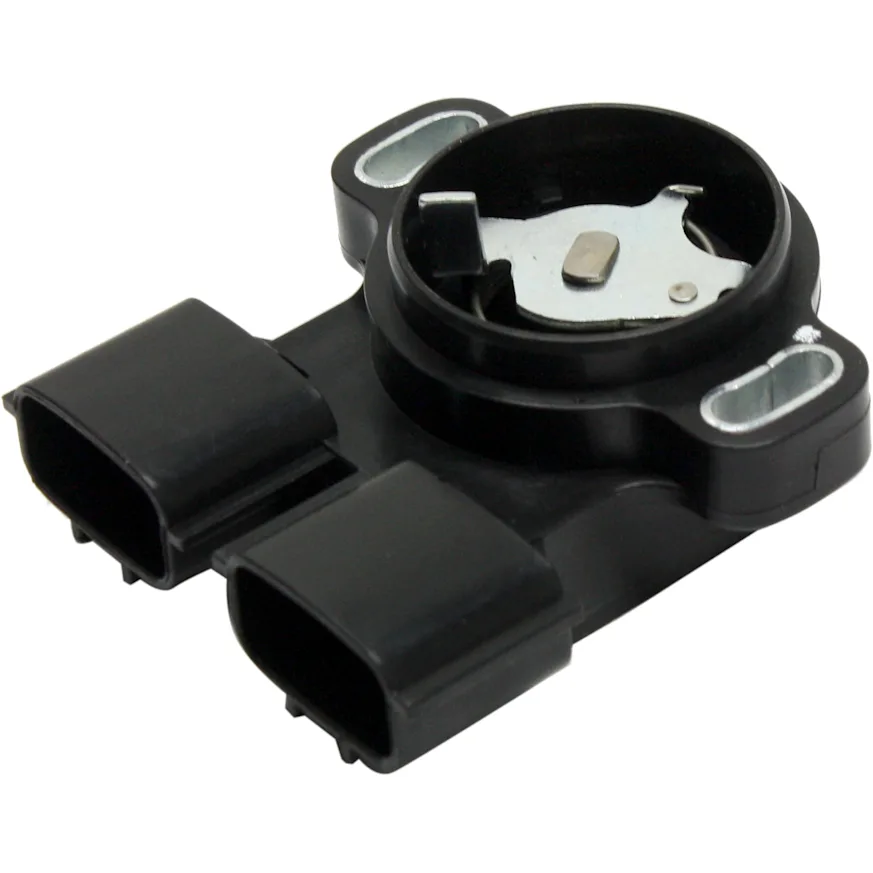
Start With the Vehicle, Not the Product Image
Start with the vehicle, not the thumbnail. A throttle position sensor is fitment-sensitive at the engine and submodel level, meaning two vehicles with the same year and model can take different sensors depending on engine displacement, trim, and emissions configuration. A 2.4L and a 3.5L in the same model year often use entirely different TPS connectors.
Before you search listings, have these details ready:
- Year, make, and model
- Engine size and cylinder count
- Trim level or submodel
- Emissions package, if your state requires CARB compliance
- Transmission type, if relevant to your application
The vehicle selector on the category page filters listings by fitment, which cuts the field significantly. Don’t skip that step and try to match by image alone. TPS housings can look nearly identical across applications, while the connectors and mounting configurations are completely different.
Identify the Version Your Repair Actually Needs
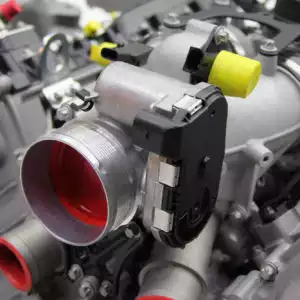
Two throttle position sensors can share the same name and still solve different ordering problems. The most important version decision for this part is whether you need a standalone sensor or a throttle body kit that includes both the throttle body and the sensor pre-installed.
Standalone Sensor
This is the more common choice when the throttle body itself is in good shape and only the sensor has failed. Standalone listings typically cost less and cover most passenger car and truck applications. This is the version to choose if you’ve confirmed the TPS is the failed component and the throttle body doesn’t need replacement.
Throttle Body and Sensor Kit
Some listings bundle a replacement throttle body with a sensor already included. This makes sense when the throttle body has excessive wear, scoring, or carbon buildup that cleaning won’t fix. A worn throttle body paired with a new sensor can introduce its own problems, so replacing both together is the cleaner move when the housing itself is the issue. If you’re replacing a high-mileage throttle body anyway, the kit avoids sourcing both parts separately.
Terminal and Connector Variants
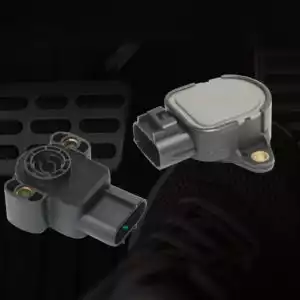
Standalone TPS listings are often split by connector type, terminal count, and plug orientation. A two-terminal, three-terminal, and four-terminal sensor can all appear in the same search results for a similar application. Confirm the terminal count on your original sensor before choosing a listing, and check the connector orientation if your harness has limited slack. Understanding how throttle body sensors relate to each other by design can also help you confirm which type your vehicle uses before you order.
Compare the Details That Make the Part Fit
Use the product image as a starting point, not as the whole match. A throttle position sensor that looks right in the thumbnail can still have a connector shape or mounting tab orientation that doesn’t match your vehicle’s configuration. The physical details worth checking before you order include:
- Number of terminals and connector pin count
- Connector plug shape and locking tab style
- Mounting tab position and bolt hole spacing
- Sensor body size and housing diameter
- Wire pigtail length, if included
- Rotation direction and shaft engagement style
If you still have the original sensor, compare it against the listing’s product photos or spec sheet before ordering. The connector is the detail that causes the most wrong-part returns in this category, and it’s the one shoppers most often assume is universal when it isn’t.
Check What Comes in the Box
A listing can be correct for your vehicle and still be incomplete for your repair. Throttle position sensors are typically sold as standalone units without installation hardware, and some applications need a mounting gasket or O-ring that isn’t included. Adding a replacement gasket to your cart alongside the sensor is easy to overlook, and it’s the kind of missing item that stalls a job.
Common items that may or may not be included depending on the listing:
- Mounting gasket or O-ring
- Mounting screws or hardware
- Wiring pigtail or connector
- Complete throttle body (kit listings only)
Read the listing description carefully before assuming those items are in the box. If the repair requires a gasket and the listing doesn’t include one, add it separately before checking out.

Compare Brands After You Confirm Fitment
Brand matters, but it shouldn’t be the first filter. Brands like Walker Products, A-Premium, Standard, Dorman, Delphi, and Beck Arnley all carry TPS listings for a wide range of applications, but the sensor still has to match the vehicle, connector type, terminal count, and kit configuration before the brand becomes relevant. Getting the version right determines whether the part works. Brand is what you use to settle confidence after that.
Don’t ask “which brand is best?” until you know which version of the part actually fits. Different brands may offer the standalone sensor, the throttle body kit, or listings with different included components, so the options available to you depend on which version you’ve already confirmed you need.
Once fitment and version are settled, use the brand as a secondary check on quality expectations and return-policy comfort. Most reputable aftermarket brands in this category produce sensors to OE-style specifications, so the fitment decision matters more than the brand choice in most passenger vehicle applications.
Choose the Right Ownership Lane
The right throttle position sensor isn’t always the most expensive one. It’s the one that matches how long you need the repair to hold and how much of the system you’re actually replacing.
Basic Replacement
A standalone aftermarket sensor fits most scenarios where the throttle body is in good shape and only the sensor has failed. This is a reasonable choice for a daily driver that doesn’t need anything beyond a functional fix. Budget-tier standalone sensors are widely available and cover most common applications.
OE-Style or Name-Brand Replacement
If you want closer-to-original calibration and materials, an OE-style replacement from an established brand makes sense. This lane fits vehicles you plan to keep long-term, higher-mileage engines where you want a reliable part, or situations where sensor accuracy matters for fuel economy and performance.
Complete Throttle Body Kit
When the throttle body itself is worn or contaminated beyond what cleaning can address, the kit option replaces both components together and removes the risk of sensor-to-housing compatibility issues. This isn’t overkill if the throttle body was already on your replacement list. It’s also worth considering if the vehicle has a service history of carbon buildup or throttle response issues.
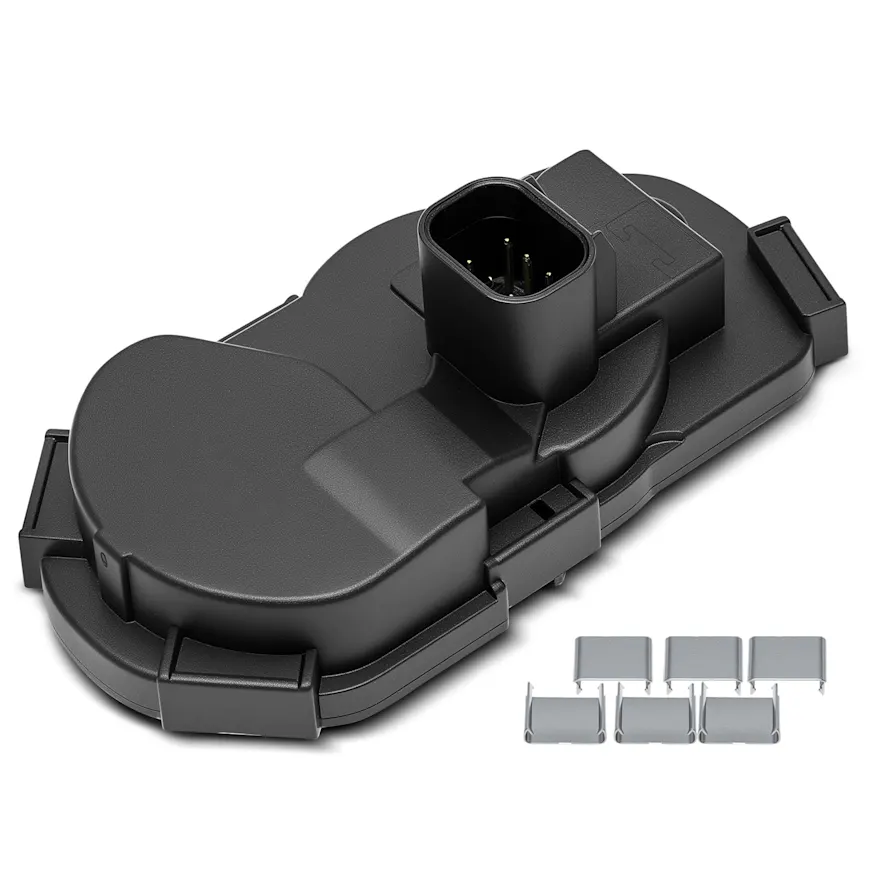
Make the Final Add-to-Cart Check
Before you add the throttle position sensor to cart, make sure the listing matches the vehicle, the connector type, the included components, and the details you can verify from the original part.
- Year, make, model, and engine confirmed in the listing’s fitment data
- Standalone sensor or throttle body kit confirmed for your repair
- Terminal count and connector type matched to original
- Connector plug shape and mounting tab orientation verified
- Gasket or O-ring confirmed as included or added separately
- Hardware included or sourced separately if needed
- CARB or federal compliance confirmed if you’re in a regulated state
- Brand chosen after fitment and version are confirmed
- Quantity confirmed if your application requires more than one
Your Best Starting Point
Start with the vehicle selector to filter listings by year, make, model, and engine. That step alone eliminates most listings that don’t apply to your vehicle and makes the remaining options much easier to compare. From there, decide between the standalone sensor and the throttle body kit before comparing individual listings.
Once you’ve narrowed the version, check the connector type and terminal count against your original part. If you can pull the old sensor before ordering, do it. That comparison takes the guesswork out of the connector match and cuts the chance of a return.
The best throttle position sensor order isn’t the one that looks close enough. It’s the one that matches the vehicle, connector, included components, and repair scope before it leaves the cart.
Keep Reading: Related Posts



Any information provided on this Website is for informational purposes only and is not intended to replace consultation with a professional mechanic. The accuracy and timeliness of the information may change from the time of publication.