The fastest way to end up with the wrong 4WD actuator is to type “4WD actuator,” grab the one that looks like your old part, and hit checkout. The thumbnail looks right. The price looks fair. Then the package arrives with the wrong connector, the wrong terminal style, or it turns out your truck doesn’t even use the kind of actuator you ordered.
The problem is that “4WD actuator” isn’t one part. It’s a name shoppers and retailers use for at least three different components: a transfer case shift motor, a front axle disconnect actuator, and in some trucks, a hub or wheel-end engagement actuator. They live in different places, plug in differently, and don’t interchange. Search the generic term and you’re shopping a category, not a part.
So before you compare listings, the question isn’t “Which one’s cheapest?” It’s “What exactly needs to go in the cart for this specific repair to finish the first time?” This includes the right actuator for your vehicle’s drivetrain layout, the right electrical connector, and any seals, hardware, or fluid you’ll want on hand once it’s out. Get the order right and this is a quick job. Get it wrong and you’ve got a half-apart front axle and a return label.
The Job in One Sentence
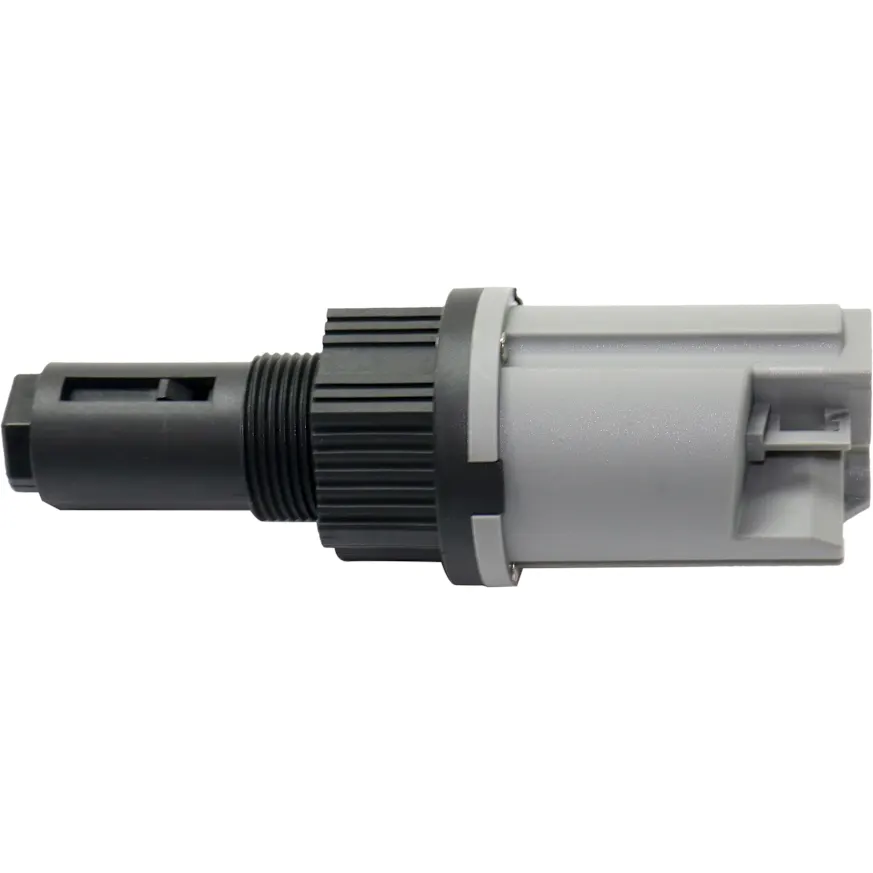
You’re replacing the component that engages or disengages four-wheel drive so the system actually shifts in and out of 4WD on command.
Depending on your truck, this component either moves a shift fork inside the transfer case (a transfer case shift motor) or pulls a collar that connects the front axle to the front driveshaft (a front axle disconnect actuator). A few designs handle engagement out at the front hubs instead. All of them do the same conceptual job, which is why they share the loose name “4WD actuator,” but they’re physically different parts mounted in different spots. That’s the single most important thing to confirm before you order, because the listing that fits one layout won’t fit another.
This part is usually sold as a complete bare unit rather than a kit. Most actuators come as the motor and housing assembly, sometimes with an O-ring or gasket, sometimes without. So your order is less about choosing a kit and more about matching the exact unit, then deciding which small consumables you want alongside it.
Choose Your Cart Size
Three honest cart sizes cover most 4WD actuator jobs. Pick the one that matches your truck’s age, mileage, and how you plan to keep it.
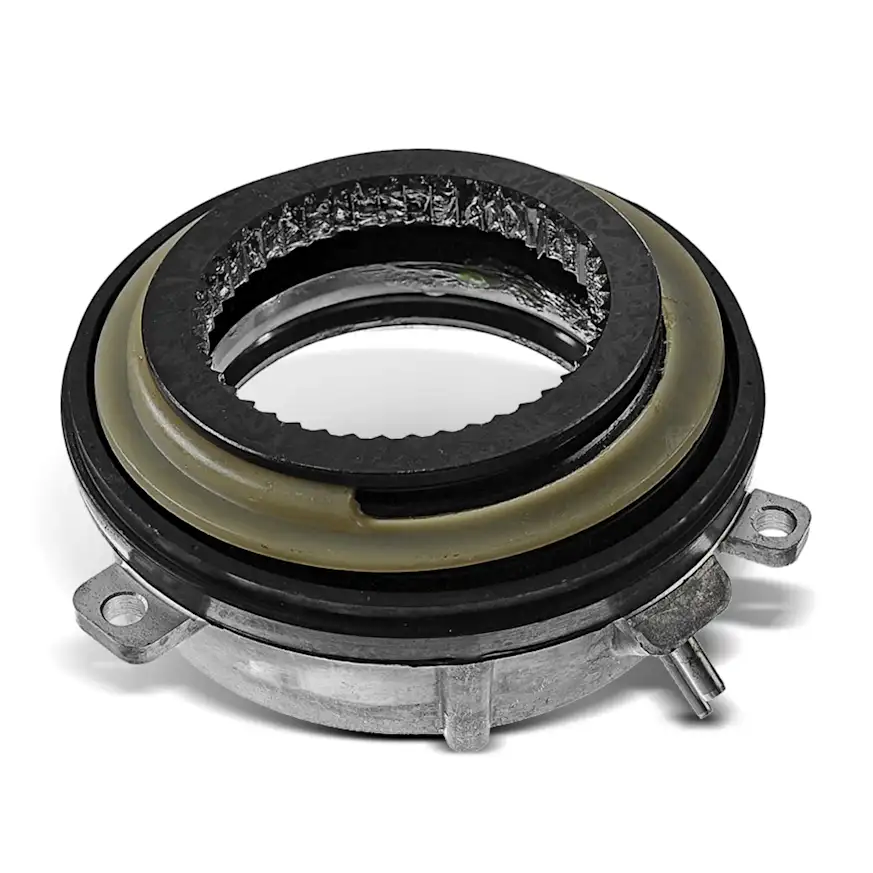
Minimum Viable Repair
The actuator failed, the rest of the system is fine, and you want the smallest sensible order.
Choose it if:
- You’ve confirmed the actuator itself is the failure, not the switch, wiring, or the disconnect/transfer case internals
- Your truck is otherwise healthy and you aren’t chasing a bigger 4×4 problem
- You just need 4WD working again without opening anything else up
Typical cart:
- The correct 4WD actuator for your exact application
- A replacement O-ring or gasket if the unit doesn’t include one
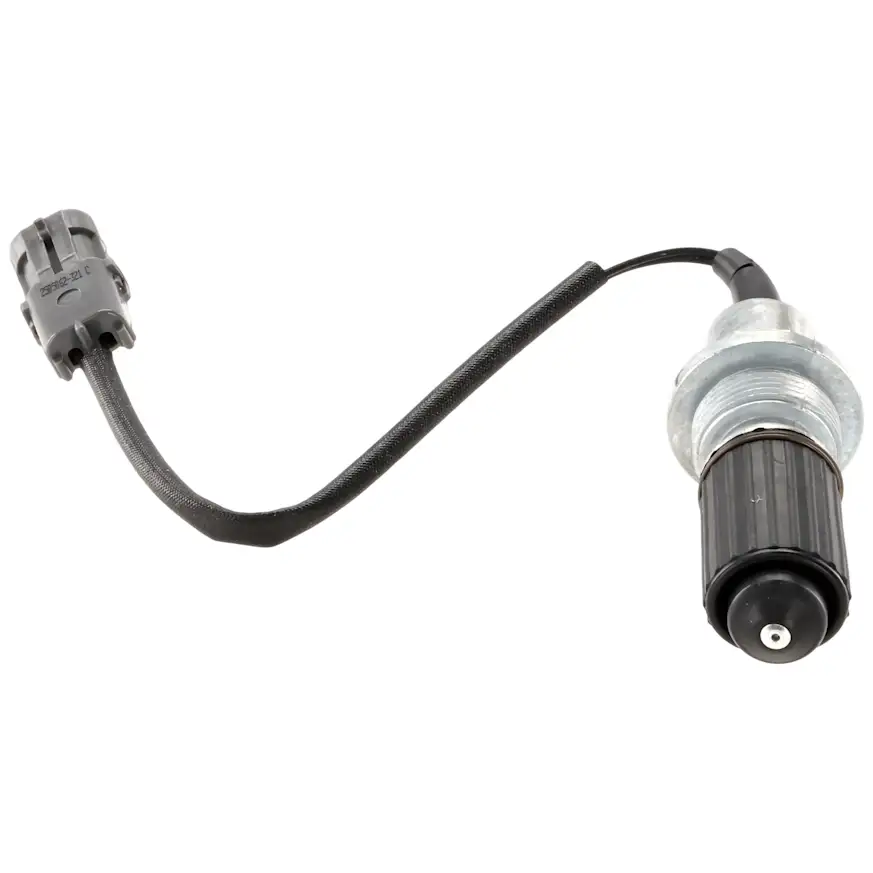
Smart Same-Access Refresh
You’ve already got the area open, so you can also handle the cheap wear items that share the access.
Choose it if:
- You’re removing the actuator anyway and the adjacent seals or fluid are old
- You’d rather not crawl back under for a $10 part next month
- The connector or pigtail on your harness looks corroded or brittle
Typical cart:
- The correct 4WD actuator
- O-ring, gasket, or seal for the mounting surface
- Fluid that’s exposed during the job (front differential or transfer case fluid, depending on layout)
- A connector or pigtail repair piece if the harness side is degraded
High-Mileage Do-It-Once Reset
Your truck is older or has lived hard, and the actuator failing is a symptom of a tired front-drive system.
Choose it if:
- Your truck is high-mileage and you intend to keep it
- You’ve had repeat 4WD engagement problems, not just one failure
- A bench check shows wear in the surrounding assembly, like a wobbling front CV shaft at the disconnect
Typical cart:
- The correct 4WD actuator
- Seals, O-ring, and fresh fluid for the area
- The front axle disconnect assembly or related wear parts if inspection shows they’re worn
- 4×4 mode switch if it’s a known weak point on your platform and it’s acting up
These aren’t three steps up a ladder where bigger is better. Most people who’ve correctly diagnosed a dead actuator belong in the first or second lane. The third lane is for trucks where the actuator is one piece of a larger tired system, not the default.

What Is Commonly Ordered Together on This Job
A 4WD actuator rarely needs much company, but a few items are worth adding so you aren’t stopped mid-job.
Sealing Items
The actuator threads or bolts into the differential or transfer case, and this joint has to seal. Some new actuators include an O-ring or gasket and some don’t. Buyers commonly assume one is in the box and find out otherwise when the old one tears on removal. Confirm what’s included, and if it’s a sealing-critical mount, have a fresh seal ready.
Fluids and Consumables
If the actuator sits on the front axle disconnect or the transfer case, removing it can expose or drain a small amount of fluid. It’s smart to have the correct front differential fluid or transfer case fluid on hand to top off. People often forget this because the actuator looks like an electrical part, not a part that touches lube.
Sensors and Electrical Items
The weak link is often the connector, not the motor. Connector gender and terminal style vary, and a corroded harness-side plug can mimic a failed actuator. If the pigtail is brittle or green, add a connector repair piece so you aren’t chasing a phantom failure after installation.
Wear Items in the Same Access Zone
In front axle disconnect designs, the same area houses the CV shaft and disconnect hardware. If the grease in the actuator dried out, the adjacent bearing or shaft may be worn too. You don’t need these by default, but it’s worth knowing they share the space before you commit to a minimum cart.
Full Assembly vs. Bare Component
Most 4WD actuators are sold as a bare unit. For some trucks, the smarter buy is the complete front axle disconnect assembly rather than the actuator alone, because the actuator and the housing it bolts to wear together. Decide this based on inspection, not by default.
What People Forget Until the Vehicle Is Already Apart
A few things that strand people mid-job:
- Whether your truck uses a transfer case shift motor, a front axle disconnect actuator, or a hub-based system, because these aren’t interchangeable
- Whether the listing’s connector matches your harness, including connector gender and terminal type (pin versus blade)
- The number of mounting holes and whether the bolt pattern matches your housing
- The spline or shaft engagement count where the actuator interfaces with the drive components
- Whether a new O-ring or gasket is included or needs to be ordered separately
- That fluid may seep out when the unit comes off, and you’ll want the right fluid to top off
- Whether the old connector or pigtail is corroded and is the real culprit
- That a “looks identical” actuator from a different model year can have a different connector or housing
When Replacing Only the 4WD Actuator Is False Economy
Most of the time, replacing only the actuator is the correct, honest call. If you’ve confirmed that the motor or solenoid is dead and the rest of the system checks out, a single bare unit and maybe a seal is the entire job. There’s no reason to inflate the cart.
It becomes false economy in two situations. The first is the cheap seal. If the actuator mounts to a sealed surface and you skip the O-ring or gasket to save a few dollars, a weeping joint or a contaminated unit can put you right back under your truck. The seal costs almost nothing compared to the labor of doing the job twice.
The second is the worn surrounding assembly. In front axle disconnect designs, dried-out actuator grease often points to bearing or shaft wear in the same housing. If your bench check shows a wobbling CV shaft or play where the actuator engages, replacing only the actuator treats the symptom and leaves the cause. While this area is open, the front axle disconnect assembly becomes the rational buy. That’s not an upsell, it’s avoiding a repeat teardown.
For a clean, confirmed actuator failure on a healthy truck, the small cart wins. Match the scope to what you actually found.
The Fitment Splits That Break 4WD Actuator Orders
This is where most wrong-part orders happen. These are the splits that matter for a 4WD actuator.
Layout Type (the big one)
Transfer case shift motor, front axle disconnect actuator, and hub-based actuator are three different parts. Confirm which your truck uses before anything else. The generic search term hides this difference, and it’s the most common reason a 4WD actuator order fails.
Connector Gender and Terminal Type
Actuators differ by connector gender (male or female) and terminal style, often described as pin versus blade. A unit that bolts up perfectly can still be useless if the plug doesn’t match your vehicle’s harness. Match the connector, not just the body shape.
Number of Mounting Holes and Bolt Pattern
Mounting hole count and pattern vary by design. A two-bolt unit won’t mount where a four-bolt unit belongs. Check the mounting interface against your old part.
Spline or Tooth Count
Where the actuator engages drive components, the spline or tooth count has to match. Listings sometimes specify the number of inside splines for exactly this reason. A mismatch here means it won’t engage even if it mounts.
Engine, Drivetrain, and Production Variation
Different engines, drivetrain packages, and production dates can carry different actuators for the same model. When you’re unsure, verify by year, make, model, engine, and drivetrain rather than by appearance, and treat “depending on application” as a real warning, not boilerplate.
Assembly vs. Bare Component
Some applications offer both a bare actuator and a full disconnect assembly. Confirm which one the listing is before you assume the box contains everything.
Delivery-Day Inspection Checklist
Before you remove a single bolt, lay the new part next to the old one and check the following:
- Mounting hole count and bolt pattern match
- Connector gender and terminal type (pin or blade) match your harness
- Spline or shaft engagement count matches
- Overall body shape and depth match so it seats fully
- Any included O-ring, gasket, or seal is present and correct
- Housing material and length look right for the mounting location
- The unit is the layout you ordered (transfer case motor vs. axle disconnect vs. hub)
- No shipping damage to the connector, threads, or housing
Your One-Job Order Sheet for a 4WD Actuator
Run these six checks and you’ll order smarter than most buyers.
- Confirm the vehicle. Have your truck’s year, make, model, engine, and drivetrain ready. Don’t shop by part appearance alone.
- Confirm the layout. Determine whether your truck uses a transfer case shift motor, a front axle disconnect actuator, or a hub-based system. This decides everything downstream.
- Confirm what the listing includes. Check whether the actuator ships bare or with an O-ring, gasket, or seal, and whether it’s a bare unit or a full assembly.
- Match the connector and mounting. Verify connector gender, terminal type, mounting hole pattern, and spline count against your old part.
- Add the consumables. Drop in a seal, the correct fluid to top off, and a connector repair piece if the harness side looks tired.
- Choose the right ownership logic. Pick your cart size honestly. Clean failure in a good truck means a small cart. A high-mileage system with surrounding wear means you should handle the assembly while you’re in there.
The Smart Way To Shop 4WD Actuators
A cheap-looking order is the one built off a thumbnail and a guess. It usually arrives with the wrong connector, the wrong layout, or no seal, and it costs you a second teardown. The correct order is built off your truck’s drivetrain layout, a connector and mounting match, and an honest read of what else is worn in that access zone.
Shop by repair scope, not by resemblance. Confirm whether you need a transfer case motor, an axle disconnect actuator, or a hub unit, match the electrical and mechanical interfaces, and add the small consumables that finish the job. Knowing the early signs of a failing 4WD system also helps you confirm you’re replacing the right part. The right cart depends on your vehicle, your application, and whether you’re fixing one failure or resetting a tired system.
The best 4WD actuator order is the one that gets your truck back into four-wheel drive the first time, without a return label and without a second trip under the front axle.
Keep Reading: Related Posts





Any information provided on this Website is for informational purposes only and is not intended to replace consultation with a professional mechanic. The accuracy and timeliness of the information may change from the time of publication.