Throttle body cleaning removes the carbon and oily residue that builds up around the throttle plate and bore, and it often restores a stable idle, smoother tip-in, and better low-speed drivability. It is worth doing when deposits are actually restricting airflow, but it will not fix a vacuum leak, a bad sensor, or an electronic throttle fault.
When does throttle body cleaning actually solve the problem?
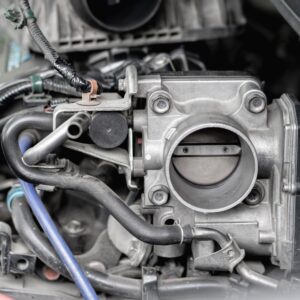
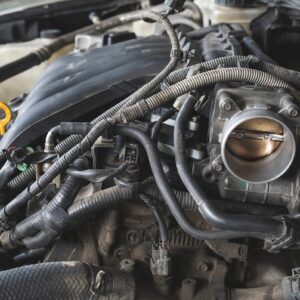
Throttle body cleaning helps when the throttle plate has a visible carbon ring or sticky residue that keeps the plate from returning to its learned airflow position cleanly. If you want to know how to clean a throttle body, the real goal is not making it shiny everywhere. The goal is removing the deposits at the plate edge and bore where airflow control is most sensitive.
Throttle-body sludge still happens, but it is nowhere near the epidemic it was in the late 1980s through the early 2000s. Modern PCV systems, better fuel formulations, and electronic throttle control have reduced the severity, but it still happens.
Older engines, especially cable-driven throttles, had higher PCV oil vapor carryover, which condensed on the throttle plate. They also had less precise idle control, so even a thin film could cause stalling or surging, and dirtier EGR systems could add soot to the oil film.
Common signs that point to buildup instead of a failed part:
- Rough or unstable idle
- Idle that drops too low when coming to a stop
- Occasional stalling at low speed
- Hesitation on light throttle tip-in
- Sticky pedal feel on older cable-throttle setups
- Check engine light with airflow-related complaints
- Dirty ring visible around the throttle plate
Use this quick table before you start spraying anything:
| Symptom | Cleaning may help | Check something else first |
| Rough idle with visible carbon at plate edge | Yes | Vacuum leaks, torn intake boot |
| Stalls when stopping after battery disconnect or air leak repair | Yes | Idle relearn procedure |
| Hesitation and reduced power with no visible deposits | Maybe | MAF, MAP, fuel pressure, misfire |
| Electronic throttle codes or reduced power mode | Sometimes | Wiring, throttle actuator, pedal sensor |
| High idle after cleaning | Sometimes normal at first | Vacuum leak, wrong relearn, gasket issue |
Keep your fingers out of electronic throttle bodies. When the key is on, even when the engine is not running, the plate may be driven closed by the electric motor and its gears rather than by a simple return spring. Even with the key off or the unit removed, forcing the plate open by hand can damage some electronic throttle bodies. Follow model-specific service information before moving the plate.
If the factory procedure for your vehicle calls for opening the plate electronically, have a knowledgeable assistant operate the accelerator pedal while you clean. If you do not have model-specific service information, do not improvise. If your fingers are in the throttle body when the plate closes, serious injury is possible.
One important decision point that many DIYers miss is service timing: A dirty throttle body is a real concern, but it is not universal scheduled maintenance for every vehicle. On some platforms, it is better treated as a targeted service when symptoms or contamination are present, rather than something you do at a fixed mileage just because the odometer hit a certain number.

Pro Tips are nuggets of information direct from ASE-certified automobile technicians working with CarParts.com, which may include unique, personal insights based on their years of experience working in the automotive industry. These can help you make more informed decisions about your car.
Pro Tip: On other vehicles with better PCV systems and cleaner EGR, especially those that are not used for frequent short trips, the throttle body may never need cleaning at all. All throttle plates and intakes will collect some sludge, but the real question is whether there is enough to cause a problem. Since the early 1990s, many PCM and ECM strategies have used adaptive learning for idle airflow control and can often compensate for moderate buildup.
What should you gather before you start?
The right supplies matter more than brute force. Most throttle bodies clean up quickly with the correct solvent, a soft wiping tool, and enough patience to clear the ring around the blade.
Recommended tools and materials:
- Throttle body cleaner labeled for fuel-injected throttle bodies
- Lint-free shop towels or clean microfiber towels
- Nylon detail brush or old soft toothbrush
- Screwdriver or nut driver for intake clamps
- Basic socket set if the throttle body needs to come off
- New throttle body gasket if removal is likely
- Safety glasses
- Nitrile gloves
A good throttle body cleaner is one that clearly lists throttle bodies or throttle plates in its intended applications, not just carburetors or brake hardware. If you cannot get a dedicated throttle body cleaner, some older cable-throttle setups may tolerate carburetor cleaner, but modern electronic units are still safest with a product specifically labeled for throttle bodies.
If you are searching for how to clean throttle body sensor components, do not treat the throttle position sensor, motor housing, or connector the same way you would treat the dirty bore. On most electronic units, you clean the plate and bore only. Do not soak the electronics, and do not spray random sensors unless the factory procedure specifically tells you to.
How do you clean the throttle body without causing more problems?
Done properly, this is a short job. Done carelessly, it can create a vacuum leak, damage an electronic throttle body, or trigger a relearn issue that looks like a brand-new failure.
Pro Tips are nuggets of information direct from ASE-certified automobile technicians working with CarParts.com, which may include unique, personal insights based on their years of experience working in the automotive industry. These can help you make more informed decisions about your car.
Pro Tip: Also, if you spray too much cleaner into the intake, it can cause problems, so use the cleaner sparingly. Some technicians begin by loosening deposits with a very light initial application before shutting the engine off for a more thorough wipe-down, but that is not the safest default method for most DIYers.
Follow these steps:
- Shut the engine off and let it cool. Work with the key off. If you plan to unplug the throttle body or remove it, disconnect the negative battery cable if your service information calls for it.
- Remove the intake duct and inspect before cleaning. Look for a split air intake hose, a loose clamp, oil pooling from excessive PCV vapor, or a damaged gasket surface. If you find a torn duct, fix that first, or the dirt will come right back.
- Decide whether to clean in place or remove the unit. Light deposits can often be cleaned with the throttle body still installed. Heavy buildup, awkward access, or a buried throttle plate usually makes removal the better call. Removing it also reduces the chance of washing loosened debris into the intake.
- Protect the electronics. On cable-throttle systems, opening the plate is straightforward. On drive-by-wire systems, be careful. Some OEM procedures specifically warn against forcing the plate open by hand. Never pry on the blade or jam it open with a screwdriver.
- Apply solvent the controlled way. If you are wondering how to use throttle body cleaner, the safest habit is to spray the rag or brush first, then wipe the bore and both sides of the plate. A throttle body cleaner spray works well for loosening deposits, but flooding the unit is not better cleaning.
- Focus on the plate edge and bore. That is where the carbon ring forms and where idle airflow is most affected. Wipe, re-wet, and scrub gently with a nylon brush. Do not use a wire brush, abrasive pad, or scraper on the bore.
- Clean until the wiping cloth stops coming back black at the plate edge. You do not need a polished mirror finish deep in the casting. You do need the throttle blade to close cleanly without dragging through sticky residue.
- Reassemble carefully. If the throttle body came off, install a fresh gasket unless the manual explicitly says the old one is reusable. Tighten evenly, reconnect the duct fully, and make sure every vacuum hose and electrical connector is properly seated.
- Perform the relearn if your vehicle requires it. This is an important one. Some vehicles will relearn on their own after a few minutes of idling and a drive cycle. Others need a scan tool function or a specific idle-learn procedure. If idle speed is off after cleaning, do not assume the cleaning failed before checking the relearn requirements.
A practical warning: if the engine runs worse after cleaning, the most likely causes are an intake leak, a plate that was forced on an electronic unit, cleaner left pooled in the bore, or a skipped relearn.
Which cleaner should you use, and which ones should you avoid?
Use a cleaner intended for throttle bodies, or the exact cleaner type specified in your service information. That is the safest answer for modern electronic throttle systems, especially when the bore finish and throttle motor are sensitive to harsh handling.
Can I use brake cleaner to clean throttle body parts? Best practice says no. Brake cleaner is made for brake components, not airflow-control parts that have seals, coatings, and nearby electronic assemblies.
Can you use carb cleaner on throttle body assemblies? Some older service literature does mention carburetor or fuel-injection cleaners, but for modern drive-by-wire hardware, the safer move is still a product specifically labeled for throttle bodies or an OEM throttle plate cleaner.
Another overlooked point is method. Shop procedures from multiple manufacturers emphasize wiping the bore and plate with a solvent-dampened towel rather than soaking the whole assembly. That matters because the dirt is concentrated where the blade closes, and drenching the electronics does nothing to help.
When is a shop throttle body cleaning service worth paying for?
A shop service makes sense when access is poor, the relearn requires a factory-level scan tool, or the symptoms may not be caused by dirt alone. Paying for a professional throttle body cleaning service is also reasonable when the vehicle already has reduced-power codes, a buried intake layout, or an electronic throttle body that you do not want to risk damaging yourself.
But if you are not experiencing issues and a shop wants to sell a packaged throttle body, upper-intake, or injector cleaning service, treat it as an upsell unless the shop can point to symptoms, contamination, or test results that justify it.
Situations where professional help is the smart call:
- Relearn requires a scan tool function
- Throttle body is buried under an intake plenum or cowl
- Reduced engine power warning is present
- You have correlation codes or actuator motor codes
- The bore looks damaged, not just dirty
- Idle is still unstable after cleaning and leak checks
- The vehicle needs software updates tied to idle airflow compensation
Do not swap out the throttle body just because the idle got weird. On some vehicles, dirty airflow compensation values and carbon buildup can mimic a bad throttle body. Cleaning plus a proper relearn is often the correct next step before considering replacement.
On vehicles with idle control valve systems, a low or rolling idle is more often caused by sludge in the IAC passage or valve, and in some cases the unit must be replaced rather than cleaned.
What does this look like in a real driveway diagnosis?
A common example is a daily driver that develops a rough idle and occasional stumble after the intake tube cracks. The split boot lets in unmetered air and extra dirt, and the throttle plate builds up a carbon ring faster than normal. Fix the boot first, clean the plate and bore, then complete the idle relearn. That sequence solves the problem far more often than replacing the throttle body on guesswork.
After the job, run through these quick checks before calling it done:
- Listen for hissing that points to a vacuum leak
- Confirm the intake tube is fully seated on both ends
- Verify the connector lock is engaged
- Watch idle quality through warm-up
- Road test for clean tip-in from a stop
- Scan for codes if the light returns
If the idle still hunts, do not overlook the less obvious causes. A dirty mass air flow sensor, a PCV valve problem, a leaking intake gasket, or learned idle values that were never reset can all look like the throttle body is still dirty when it is not.
Keep Reading: Related Posts




Any information provided on this Website is for informational purposes only and is not intended to replace consultation with a professional mechanic. The accuracy and timeliness of the information may change from the time of publication.