The most common symptom of a bad valve cover gasket is an engine oil leak, often paired with a burning smell and smoke near the engine. The valve cover gasket seals the top of your engine, and it hardens and cracks with age and heat. A small leak usually isn’t an emergency, but you shouldn’t ignore it, because low oil can eventually cause serious engine damage.
Quick Answers: A Bad Valve Cover Gasket at a Glance
Here’s the short version before we dig into each symptom and fix.
- Warning signs: an oil leak, a burning oil smell, smoke from the engine bay, and low oil.
- What it does: the gasket seals oil inside the top of the engine.
- How serious: you can usually drive short distances, but monitor your oil closely.
- Why it fails: age, heat, and pressure dry out and crack the rubber over time.
- The fix: replace the gasket. It’s inexpensive and often DIY-friendly.
What Does the Valve Cover Gasket Do?
The valve cover gasket seals the gap between the valve cover and the cylinder head. The valve cover, also called a camshaft cover, is a plastic or metal cover bolted to the top of the engine. It protects the valvetrain and keeps oil in and dirt out.
Inside the engine, valves open and close at high speed and throw a lot of oil around. The cover and gasket keep that oil contained. When the gasket loses its seal, oil escapes and creates the symptoms below.
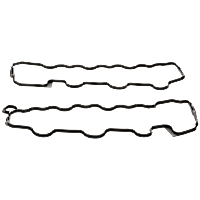
Inline engines have one valve cover and one gasket. Engines in a V or flat layout have two valve covers and two gaskets. Knowing your layout helps you find every possible leak point.
Common Signs of a Leaking Valve Cover Gasket

The symptoms of a bad valve cover gasket usually start with a visible oil leak and a burning smell. Here are the signs drivers notice, ordered from most common to least.
Oil Leaking Down the Engine
An oil leak is the most common sign of a bad valve cover gasket. Because the cover sits on top of the cylinder head, oil trails down the engine before reaching the ground. Fresh leaks look wet and shiny, while older ones collect dirt into a crusty coating.
A Burning Oil Smell
A burning smell is often the first thing drivers notice. Leaking oil drips onto the hot exhaust manifold and burns off, and you’ll smell it most when the engine is warm.
Smoke From the Engine Compartment
Smoke can drift up from the engine bay as oil burns on hot metal, not from the tailpipe. You may also spot white, dried oil marks baked onto the exhaust. [NEW INFORMATION: white dried-oil exhaust marks as a symptom, from forum diagnostics]
Low Oil Level and Dashboard Warnings
A leaking gasket lets oil escape slowly, so your level drops between changes. You might top off oil more often than usual, and eventually low oil can trigger a warning light.
Oil in the Spark Plug Wells
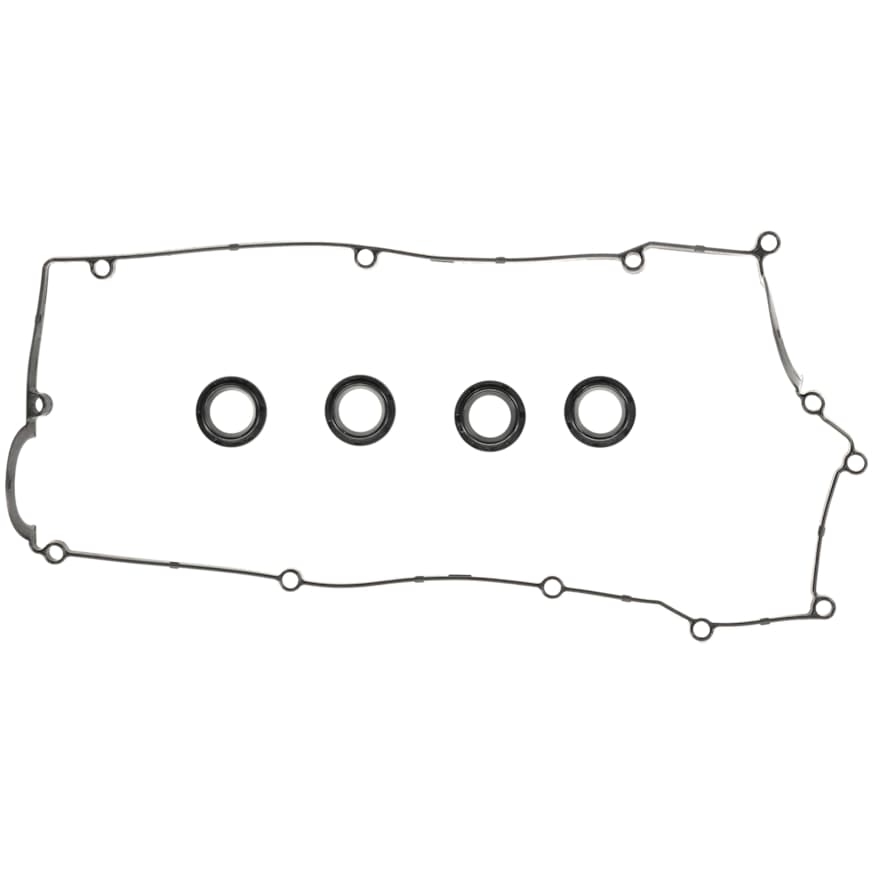
On many engines, the spark plugs sit in deep wells inside the valve cover. O-ring seals keep oil out of those wells, and they often fail with the main gasket. Oil around the plugs can foul them and lead to misfires.
Misfires or Rough Running
Oil that seeps into the spark plug wells can reach the ignition coils. Fouled plugs and coils cause misfires, rough idling, and weak acceleration. A set of fresh ignition coils can restore a smooth idle once you fix the leak.
What Causes a Valve Cover Gasket to Fail?
Age and heat are the leading causes of valve cover gasket failure. Over time, engine heat and pressure dry out the rubber until it hardens and cracks. Loose bolts can also let oil escape, and the cover itself can warp or crack.
Most gaskets last between 60,000 and 100,000 miles, though this varies by engine. Regular oil changes with quality oil help them last longer, while overheating and long oil intervals shorten their life.
Can You Drive With a Bad Valve Cover Gasket?
You can usually drive short distances with a minor valve cover gasket leak. A small seep loses little oil over a normal oil change interval, so check your oil often and top it off as needed.
The real danger is running the engine low on oil, which makes metal parts grind and wear out fast. Dripping oil onto hot parts also creates a small fire risk, so don’t put off the repair.
How Do You Diagnose a Bad Valve Cover Gasket?
Diagnosing a bad valve cover gasket starts with a simple visual inspection. Follow these low-cost steps before you replace anything.
- 1. Clean the area first. Wipe the valve cover clean with brake cleaner so a fresh leak is easy to spot.
- 2. Run the engine and watch. A valve cover leaks while running, not at rest. Follow the oil trail down from the top.
- 3. Check the mating surfaces. A greasy, sooty film on the gasket edge points to a leak. A flashlight helps you see it.
- 4. Rule out look-alikes. An oil filter housing gasket can mimic these signs, and so can a leaking oil pan that drips lower on the engine. Inspect those areas before you commit.
Safety note: let the engine cool before reaching near the exhaust. Hot manifolds and moving belts can cause burns.
Should You Repair or Replace the Valve Cover Gasket?
You replace a bad valve cover gasket rather than repair it. The gasket is a low-cost wear item, and a fresh one restores the seal completely. Resist the urge to just tighten the bolts, since overtightening can crack the cover.
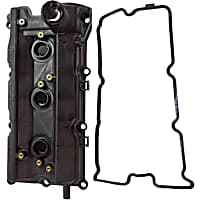
If the cover is cracked or warped, replace it too. On some engines, a new valve cover comes with the gasket, bolts, and PCV valve for a little more, which is worth it on high-mileage engines. Check a repair manual for your vehicle to decide between a DIY job and a shop visit.
Valve Cover Gasket Replacement (Typical Four-Cylinder Engine)
Okay—so your valve cover gasket is bad, and you want to replace it. Should you do the job yourself?
Replacing a valve cover gasket is usually a fairly straightforward job. But on some vehicles, the valve cover is buried under other components, which can make removal more difficult.
It’s important to consult a repair manual or repair database to see what the job entails for your vehicle. That way, you can decide whether to tackle the repair yourself or leave it to a professional.
If you decide to do the job yourself, the following outline will give you an idea of what the task might involve in a typical, four-cylinder engine.
Tools & Supplies Needed to Replace a Valve Cover Gasket:
The tools needed to replace a valve cover will vary, depending on what type of car you have.
In general, however, you’ll need:
- Brake cleaner
- Gasket scraper (optional)
- Dead-blow hammer or rubber mallet
- Ratchet set (ratchet, sockets, and extensions)
- Sealant (some vehicles)
- Flathead screwdriver (optional)
- Torque wrench
- Repair manual or access to a repair database
- Safety glasses
- Rags
Valve Cover Gasket Replacement Instructions:
Before we begin, keep in mind: all vehicles are different. The information below is generic and for entertainment and educational purposes only. Be sure to follow the factory repair information for your specific application.
Repair manuals, such as those from Chilton, are useful, but a subscription to a repair database is even better. ALLDATA and Mitchell 1 both have single-vehicle subscriptions for DIYers that provide detailed factory repair information.
You can learn more about accessing quality repair information in this article.
Valve Cover Removal on a Typical Four-Cylinder Engine:
- Put on your safety glasses.
- Disconnect and isolate the negative battery cable.
- Remove any components (i.e., covers, wiring harnesses, etc.) restricting access to the valve cover. In some instances, you may need to remove major components, such as the upper intake manifold.
- Remove the coil-on-plug ignition coils as outlined in our article on “how to replace an ignition coil”.
- Disconnect any hoses or electrical connectors attached to the valve cover. Remove the engine oil dipstick if needed.
- Remove the valve cover by pulling it up and away from the engine. If the cover does not come off easily, carefully tap on it with a dead-blow hammer or rubber mallet.
Caution: Once you remove the valve cover, the valvetrain will be out in the open. Keep the area free from dirt and debris. Be sure to retrieve any old sealant or gasket residue that happens to fall inside. - Remove the old valve cover gasket from its groove.
Tip: It’s a good idea to replace the spark plug tube seals (if applicable) when replacing the valve cover gasket. To do this, carefully pry the old seal out with a flathead screwdriver. Then, tap the new seal into place using a dead-blow hammer or rubber mallet. You can learn more by watching this video:
Valve Cover Gasket Installation on a Typical Four-Cylinder Engine:
- Compare the new valve cover gasket to the old valve cover gasket to ensure that both are the same design.
- Thoroughly clean the gasket mating surface on the valve cover using brake cleaner and a clean rag.
- Thoroughly clean the gasket mating surface on the engine with brake cleaner and a clean rag. If you need to, you can use a gasket scraper to carefully remove stubborn residue from the engine. But be extremely careful: using a scraper on an aluminum surface can cause permanent damage.
- Install the new valve cover gasket in its groove.
- Although the valve cover gasket is typically installed dry, you may need to apply sealant to certain locations between the valve cover and the engine. Apply the sealant to the locations as specified in the repair manual or repair database.
- Reinstall the valve cover onto the cylinder head. Thread each of the bolts in by hand.
- Consult a repair manual or repair database to determine the proper torque and tightening sequence for the valve cover bolts. Then, use a torque wrench to tighten the bolts to the manufacturer’s specification.
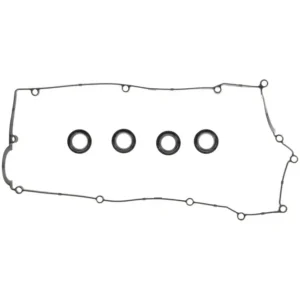
Note: Some valve cover bolts have grommets. Be sure to replace the grommets with the new ones found in the valve cover gasket set. - Reinstall any hoses or electrical connectors attached to the valve cover. Reinstall the engine oil dipstick if needed.
- Reinstall the coil-on-plug ignition coils as outlined in our article on “how to replace an ignition coil”.
- Reinstall any components (i.e., covers, wiring harnesses, etc.) removed during disassembly.
- Reconnect the negative battery cable.
- Give the sealant ample time to dry before starting the engine. Consult the product information for the proper dry time.
- Start the engine and double-check your work, looking for leaks. For a visual representation of how to replace a valve cover gasket, check out the video below:
How Much Does It Cost to Replace a Valve Cover Gasket?
Professional valve cover gasket replacement typically costs between $250 and $350. The gasket itself is inexpensive, so most of the bill is labor. Doing the job yourself with a quality valve cover gasket saves the most money.
Valve Cover Gasket FAQs
A bad valve cover gasket can cause smoke under the hood, not from the tailpipe. Oil drips onto the hot exhaust manifold and burns, sending smoke into the engine bay.
A bad valve cover gasket can cause misfires when oil seeps into the spark plug wells. The oil fouls the plugs and coils, disrupting the spark.
If you don’t fix a valve cover gasket leak, it tends to get worse and coat the engine bay in grime. Left unchecked, low oil can lead to expensive engine damage.
A valve cover gasket usually lasts between 60,000 and 100,000 miles. Quality parts and regular oil changes stretch that lifespan, while heat and neglect shorten it.
Tightening the bolts rarely stops a real gasket leak. Overtightening can crack an aluminum cover or warp a steel one, so replacing the gasket is the proper fix.
A valve cover gasket leak affects performance mainly when oil reaches the spark plugs. That can cause misfires, rough idling, and sluggish acceleration.
Replacing both gaskets at once makes sense on a V6 or V8. The labor overlaps, so doing both saves a second visit and a repeat leak.
When to Get Professional Help
Get professional help if the valve cover is buried under major components like the intake manifold. You should also see a technician if oil has already fouled your spark plugs or coils.
Catching a leak early keeps the repair small and affordable. When you’re ready to tackle it, a quality valve cover gasket and the matching parts are ready at CarParts.com, shipped fast so you can get back on the road.
Products Mentioned in this Guide
 Valve Cover Gasket
 Valve Cover
Keep Reading: Related Posts



Any information provided on this Website is for informational purposes only and is not intended to replace consultation with a professional mechanic. The accuracy and timeliness of the information may change from the time of publication.