An A/C refrigerant discharge hose is the high-pressure hose that carries hot, compressed refrigerant vapor from the A/C compressor‘s outlet to the condenser. It sits on the high side of the system, and most designs pair aluminum tubes and fittings with a flexible rubber section. When it leaks, the A/C loses refrigerant and oil, and cooling performance drops.
Catalogs also list it as a discharge hose assembly, high-pressure hose, or A/C discharge line.
Key Takeaways
- The discharge hose links the compressor outlet to the condenser and runs hot under high pressure.
- Assemblies combine metal tubes, a rubber section, and seals, and some add ports or a muffler.
- Oily residue at the crimps or fittings, weak cooling, and hissing are common signs of a leak.
- Replacement requires refrigerant recovery, new O-rings, evacuation, and a recharge to spec.
- Fitment depends on a vehicle’s year, make, model, engine, and refrigerant type.
Where the Discharge Hose Sits in the A/C System
The discharge hose is the first line refrigerant enters after compression. The compressor turns low-pressure vapor into hot, high-pressure vapor and pushes it into this hose.
From here, the hose routes this vapor to the condenser at the front of your vehicle. The condenser releases heat into the passing air and turns the vapor into a liquid. That’s why the discharge hose often feels hot to the touch when the A/C’s running.
The rubber section matters more than it looks. The compressor bolts to the engine, which moves on its mounts, while the condenser mounts to the body. The flexible hose absorbs this movement and vibration so that the metal tubes and fittings don’t crack.

What a Discharge Hose Assembly Includes
A replacement discharge hose usually arrives as a complete assembly, not a bare length of hose. But remember that included components vary by vehicle and brand.
Fittings, Seals, and Materials
Most assemblies use aluminum end tubes crimped to a rubber barrier hose. Each end connects through a specific fitting style, such as an insert O-ring, P-nut, captured O-ring, female O-ring, or springlock connection. Many kits include the matching O-rings or gaskets.
Ports, Mufflers, and Brackets
Some discharge hoses include extra hardware to match the original part:
- Service port: A high-side port with a cap, used to connect gauges for diagnosis and charging.
- Switch port: A threaded port for a high-pressure switch or pressure sensor, with or without the switch installed.
- Muffler: An inline chamber that dampens compressor pulsation noise.
- Brackets: Mounting clips that hold the hose away from hot or moving engine parts.
Some listings combine the discharge and suction hoses in one manifold assembly that bolts to the compressor, so you can replace both lines together.
Discharge Hose vs. Suction Hose and Liquid Line
Each A/C line handles refrigerant in a different state, and you can often tell them apart by size and temperature.
- Discharge hose: Carries high-pressure vapor from the compressor to the condenser, which cools it.
- Liquid line: Carries warm, high-pressure liquid from the condenser to the expansion valve or orifice tube. It’s usually the smallest line because liquid needs less room.
- Suction hose: Returns cool, low-pressure vapor from the evaporator or accumulator to the compressor. It’s usually the largest line because vapor needs more room.
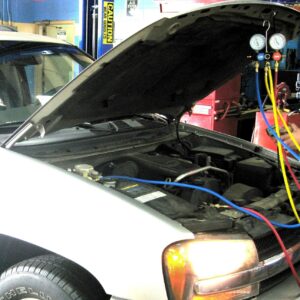
Don’t confuse these with the colored charging hoses on a manifold gauge set. These are service tools, though they often show up in the same search results.
Signs of a Failing Discharge Hose
The most common sign is an oily film at a crimp or fitting. Refrigerant oil escapes with the refrigerant, and road dust sticks to it, leaving a grimy patch.
Watch for these symptoms too:
- Air from the vents that cools weakly or turns warm over time
- A compressor clutch that cycles rapidly or won’t engage because of low charge
- A hissing sound near the hose with the A/C running
- Cracked, swollen, or chafed rubber, often where the hose rubs a bracket or engine part
- Bent or damaged tubes after front-end collision work
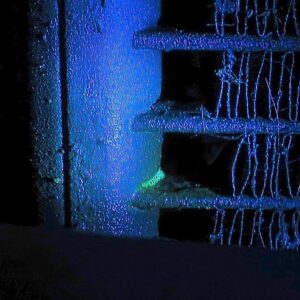
UV dye or an electronic leak detector can confirm a suspected leak before you buy parts.
What Replacement Involves
Replacing the discharge hose is a closed-system repair, not a simple bolt-on swap. US regulations prohibit venting refrigerant, so a certified technician recovers it with proper equipment first.
A typical installation follows these steps:
- Recover the refrigerant from the system.
- Remove the old hose and cap the open ports to keep moisture and debris out.
- Install the new assembly with fresh O-rings lubricated with the system’s specified oil.
- Replace any oil lost with the old part, per the service manual.
- Evacuate the system with a vacuum pump, then recharge it to the specified refrigerant weight.
Many technicians also replace the accumulator or receiver-drier when the system stays open, since its desiccant absorbs moisture. Your service manual can confirm whether your vehicle needs it.
A quick safety note: high-side lines can burn skin, and escaping refrigerant can cause frostbite and eye injury. Wear eye protection and gloves, and let a certified technician handle recovery and recharging. Systems using R-1234yf also require dedicated, compatible service equipment.
How To Choose the Right Replacement
The right discharge hose matches your vehicle exactly, down to the engine. Hose routing, tube bends, and fitting ends can change between engines in the same model year.
Check these details before you order:
- Vehicle data: Year, make, model, engine size, and sometimes trim or drivetrain.
- Refrigerant type: R-12, R-134a, or R-1234yf, as shown on the under-hood A/C label.
- Fitting ends: The connection style at both the compressor and condenser ends.
- Ports and extras: Service port, switch port, muffler, and brackets that match the original.
- Included seals: Whether the kit comes with O-rings or gaskets.
Compare the photo of the new assembly with your old hose. Matching bends and port locations is a quick way to catch a wrong part before installation.
FAQs
Yes. The hose that runs from the compressor outlet to the condenser inlet is the discharge hose. Some catalogs call it the high-pressure hose.
Some shops rebuild hoses with bulk barrier hose and crimp-on fittings, but most DIYers replace the full assembly to restore the original fittings, ports, and bends.
Stop-leak products can slow very small seepage, but they won’t fix a cracked hose or failed crimp. Some shops also avoid servicing systems with sealant because it can contaminate their equipment.
Yes. Reused O-rings often leak after reassembly, so install new seals that match your fitting type and refrigerant.
You can usually drive the vehicle, but the A/C will lose cooling as the charge drops. Running the system very low on refrigerant and oil can also wear the compressor.
Restore steady, cold airflow by matching the right discharge hose assembly to your vehicle. Good thing CarParts.com lets you shop by year, make, model, and engine, so you can compare fittings, ports, and included seals in one place. Find your replacement, gather fresh O-rings and the correct oil, and get your vehicle’s A/C system back to full cooling.
Keep Reading: Related Posts





Any information provided on this Website is for informational purposes only and is not intended to replace consultation with a professional mechanic. The accuracy and timeliness of the information may change from the time of publication.