On most vehicles, the camshaft’s location will be in the engine’s cylinder head or the top part of the engine that contains the engine’s valvetrain. On overhead camshaft engines, the camshaft is typically visible as soon as you remove the engine’s valve cover, which is the cover for the engine’s valvetrain.
That said, cam-in block engines will have the camshaft somewhere inside the engine block. An engine can have one or two camshafts, depending on whether an engine is a single overhead or dual overhead cam.
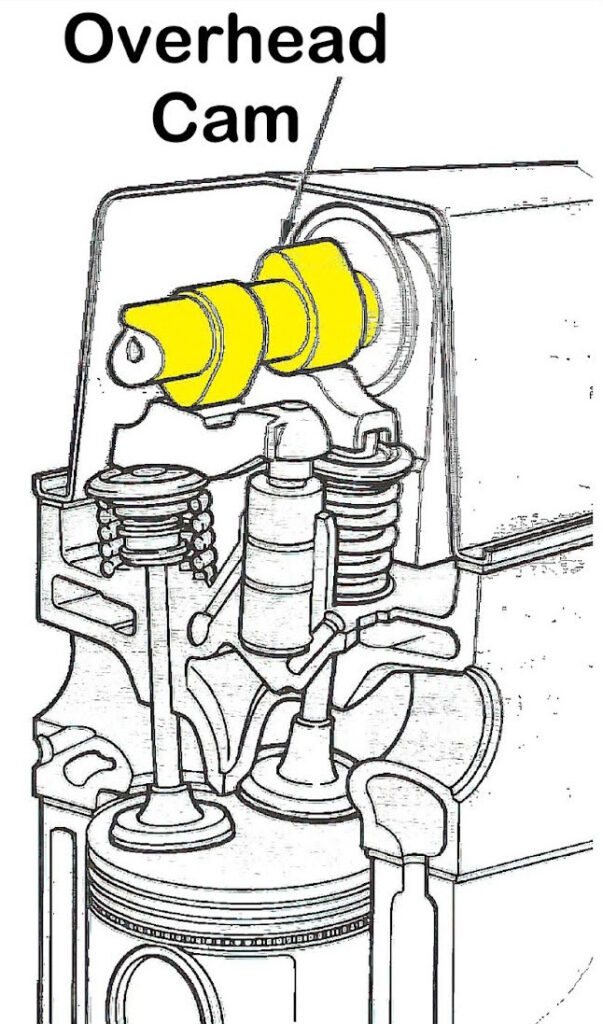

The camshaft is a rod-like component that rotates in sync with your engine’s crankshaft. When the camshaft spins, its lobes push the engine’s intake and exhaust valves open.
The camshaft is a critical part of an engine’s valvetrain, which is the component responsible for opening and closing the cylinder valves, effectively controlling when gases enter and leave the combustion chamber.
Tips on How to Access the Camshaft
You’ll have to open the engine’s valve cover to reach the camshaft. The engine must be cool before you attempt to access the camshaft. That’s if it’s an overhead cam engine. Cam in block engines require the removal of the rocker arms, pushrods, lifters, and front cover.
Warning: The distributor will need to be removed (if equipped). Don’t try this if you don’t know how and you expect the engine to run again without asking for help.
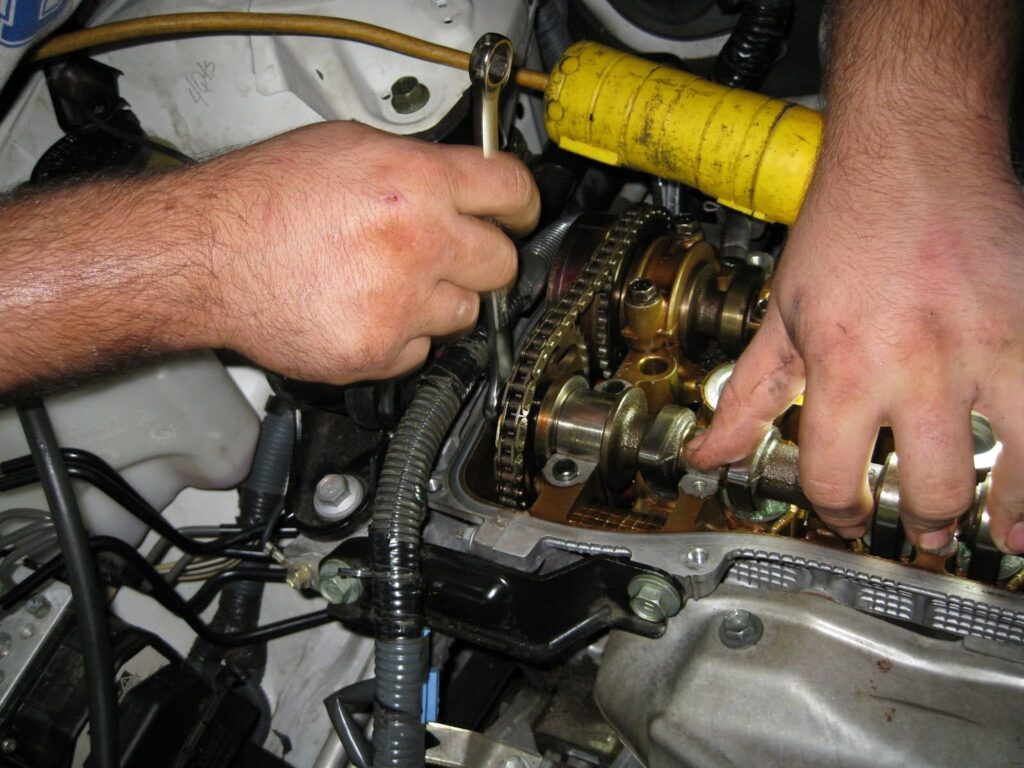
The valve cover prevents oil from leaking from the engine’s valvetrain. It is typically removed by unscrewing the bolts that keep the cover in place and disconnecting the wiring connectors located around the engine.
Remember that valve cover gaskets must be properly reinstalled. Otherwise you risk an oil leak, which can be catastrophic. It’s common to replace valve cover gaskets every time the valve cover is opened, but they can be reused as long as you properly reinstall them. That said, the likelihood of a leak is greater if you reuse the valve cover gasket.
Keep Reading: Related Posts





Any information provided on this Website is for informational purposes only and is not intended to replace consultation with a professional mechanic. The accuracy and timeliness of the information may change from the time of publication.