Most shoppers searching for aninstrument cluster have already accepted that the dash is dead, the gauges are sweeping wrong, or the odometer’s gone dark. The temptation is to grab the cheapest unit that looks identical in the photo and hope it plugs in. With this part, “looks identical” is exactly how wrong orders happen.
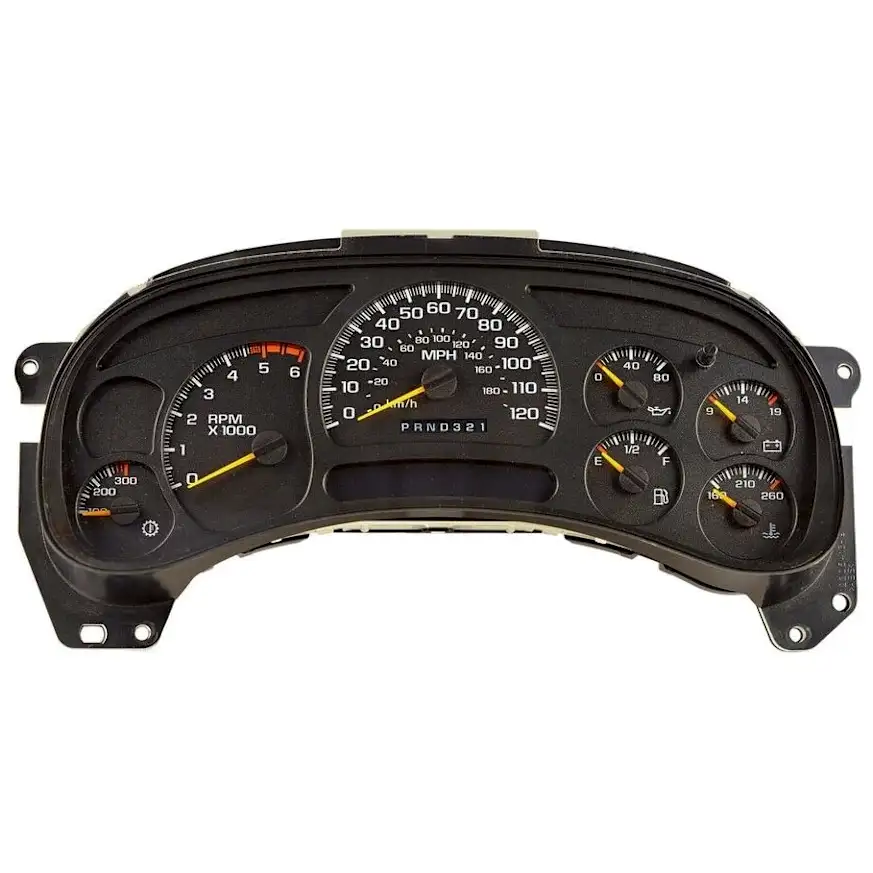
An instrument cluster isn’t just a panel of gauges. It’s a networked module that talks to the engine computer, transmission, ABS, and often the anti-theft system. Two clusters that look the same in a thumbnail can have completely different calibration, different displays, and different programming requirements. That’s why the right order doesn’t start with “What’s cheapest?” It starts with “What exactly needs to go in the cart, and what has to happen before the dash works again?”
This guide is built around that question.
The Job in One Sentence
The job is to restore accurate, factory-correct gauge function and mileage display by installing a cluster that matches your vehicle’s exact configuration and is properly synced to your VIN and current odometer reading.
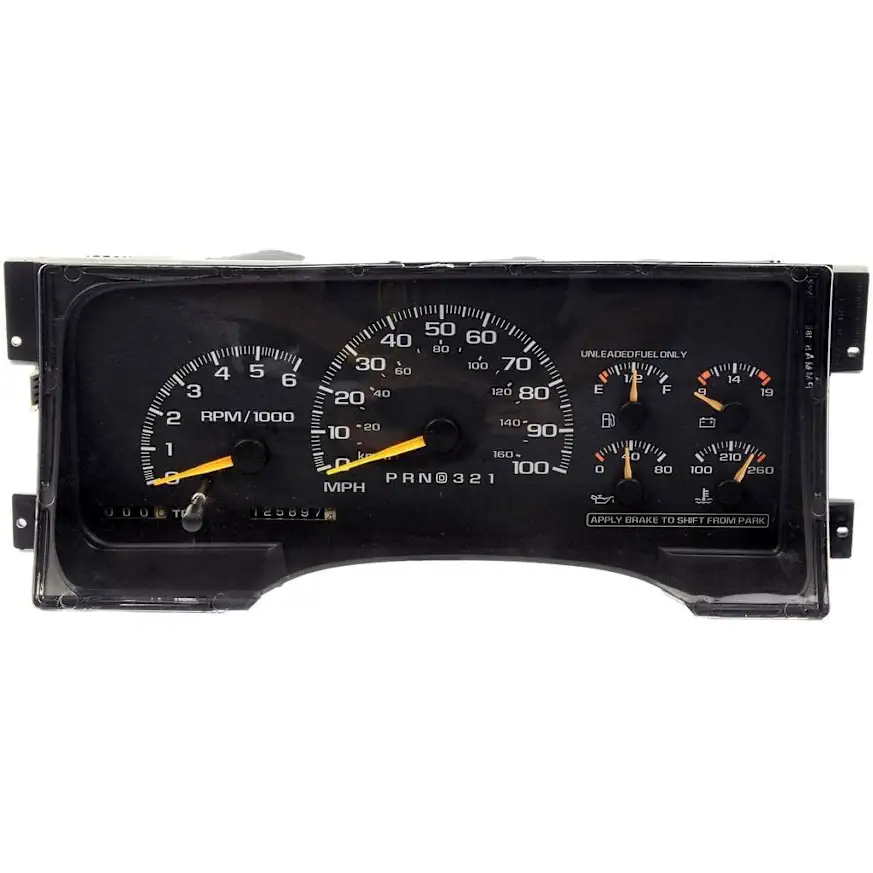
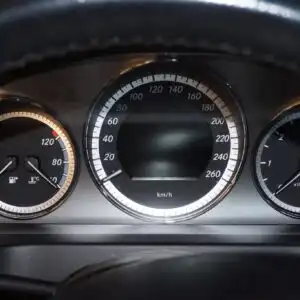
The instrument cluster is the dashboard’s brain. It receives data over the vehicle’s communication network and displays speed, RPM, fuel level, coolant temperature, warning indicators, and (for newer vehicles) trip computer, multi-information display, and driver assistance alerts. Theodometer reading lives inside the cluster itself, not in the engine computer, which is what makes this purchase so different from any other electronic part.
Clusters are sold three ways: as new units (often needing programming), as remanufactured exchange units (sometimes pre-programmed to your vehicle’s VIN if you provide it), and as used OEM pulls. Each path has different cart implications, and the right choice depends on how much you want to do yourself versus pay someone else to handle.
Choose Your Cart Size
Three cart sizes cover the realistic scope of this repair. Pick the one that matches your vehicle, your budget, and your tolerance for follow-up work.
Minimum Viable Repair
This is the smallest cart that gets the gauges reading correctly again. Best when the rest of the dash is in good shape and you’ve already confirmed exact fitment.
Choose it if:
- The cluster failure is isolated and the dash, bezel, and trim are intact.
- You have your original cluster’s part number written down.
- You’re getting a pre-programmed remanufactured unit or you have access to a shop that can program it.
Typical cart:
- Replacement instrument cluster matched to your vehicle’s exact part number
- Programming or odometer correction service, if not included with the unit
- Battery memory saver to preserve radio and ECU presets during the swap
Smart Same-Access Refresh
The dash is already coming apart. Anything that lives behind or around the cluster becomes cheap labor while you’re in there.
Choose it if:
- Your dash bezel has cracked tabs, scratched lens, or sun-faded plastic.
- Cluster bulbs (older vehicles) are dim or one’s already burned out.
- You’ve noticed loose dash trim or broken retaining clips that you’ve been meaning to address.
Typical cart:
- Replacement instrument cluster matched to your vehicle’s exact part number
- Dash bezel or cluster lens replacement, if available
- Cluster bulbs or LED upgrade kit for older incandescent-lit clusters
- Dash trim clips and retainers (commonly broken on removal)
- Programming or odometer correction service
High-Mileage Do-It-Once Reset
For older trucks, SUVs, and luxury vehicles where the cluster has been the weak link for years and the dash interior is showing its age. The goal is a full visual and functional reset that holds up for the rest of the vehicle’s life.
Choose it if:
- Your vehicle is high mileage and you plan to keep it long term.
- Other dash electronics (radio, climate control, HVAC trim) are also aging.
- You want LED upgrades, restored clarity, and a cluster that won’t need to come out again.
Typical cart:
- Remanufactured or fully restored instrument cluster, preprogrammed to your VIN where supported
- LED backlight conversion if not already included
- New dash bezel and lens
- Dash trim clip and fastener kit
- Battery memory saver
- Programming or odometer correction service with documentation
What Is Commonly Ordered Together on This Job
Unlike most repairs, the instrument cluster doesn’t have a long list of physical companion parts. What it has instead is a list of services, small adjacent items, and confirmations that often get skipped.
Programming and Odometer Correction
This is the single most overlooked line item. A new or used cluster won’t display your vehicle’s actual mileage by default. Depending on year, make, and model, the cluster either needs dealer programming, a third-party odometer correction service, or VIN-matched programming from the seller. Most clusters from 1992 and newer use digital odometers that can be reprogrammed by specialty services, but you have to confirm compatibility before you order. Some remanufacturers offer this as a paid add-on if you provide your vehicle’s VIN and current mileage.
Dash Bezel, Lens, and Trim
The plastic lens and surrounding bezel often crack on removal, especially on older vehicles. If your existing bezel is brittle or already cracked, order theinstrument panel cover while you’re in the cart. Many replacement clusters don’t include the outer lens or bezel.
Dash Trim Clips and Fasteners
Pulling the dash to access the cluster usually breaks one-time-use clips and retainers. A small dash hardware kit costs little and saves a second trip to the parts counter.
Bulbs or LED Upgrade Kits
For older vehicles with incandescent cluster lighting, replacement bulbs or an LED conversion kit while the cluster is out is cheap insurance. This isn’t a separate purchase for modern clusters with surface-mount LEDs.
Battery Memory Saver
Disconnecting the battery during cluster removal is standard practice. A memory saver keeps radio presets, climate settings, and adaptive learned values intact.
Full Assembly vs. Bare Component
Some shoppers buy a cluster expecting the whole bezel, lens, and gauge assembly, then receive just the printed circuit board and gauge module without the outer trim. Always read the listing carefully to confirm whether the bezel and lens are included.

What People Forget Until the Vehicle Is Already Apart
This is the section that prevents the second order, the second teardown, and the conversation that starts with “I thought this part was supposed to include…”
- Did you write down your old cluster’s part number before pulling it?
- Is the replacement programmed to your vehicle’s VIN, or do you still need to arrange programming?
- Will the odometer match your vehicle’s current mileage on first power-up?
- Does the listing include the outer lens and bezel, or just the gauge module?
- Is the connector count and pin layout identical to your original?
- Does the new cluster read in MPH or KPH (and does this match your market)?
- Does it have the same gauge layout (tachometer present, oil pressure gauge versus warning light, etc.)?
- Does it have the same MID or driver information screen as your original (monochrome versus color)?
- Is it the same backlight color (some vehicles changed midyear)?
- Do you have ascan tool or dealer relationship lined up for any required relearn or coding?
When Replacing Only the Instrument Cluster Is False Economy
Sometimes the cheapest order really is the right order. If your vehicle’s dash is recent, its bezel is intact, its bulbs are LED, and you can get a preprogrammed cluster delivered to your door, there’s no reason to add anything else to the cart.
But there’s a different kind of false economy to think about. If the actual failure is a single stepper motor or a few dead LCD pixels, a complete cluster replacement may be more expensive and more disruptive than a board-level repair. Manycluster failures can be repaired at the board level, preserving the original VIN coding and avoiding programming entirely. That’s worth knowing before you commit to a full replacement, especially for BMW, Mercedes, Audi, and GM truck clusters where specific failure modes are well documented.
Where full replacement makes sense and the minimalist cart doesn’t, it’s usually because the dash is already coming apart, the bezel is cracked, the bulbs are original, and the labor to go back in later wipes out the savings. On a 150,000-mile truck with a sun-baked dash, ordering just the cluster and putting the same cracked bezel back on top of it is a job you’ll redo within a year.
The honest mechanic logic: order the cluster, the programming, and the trim that actually shows wear. Skip the rest.
The Fitment Splits That Break Instrument Cluster Orders
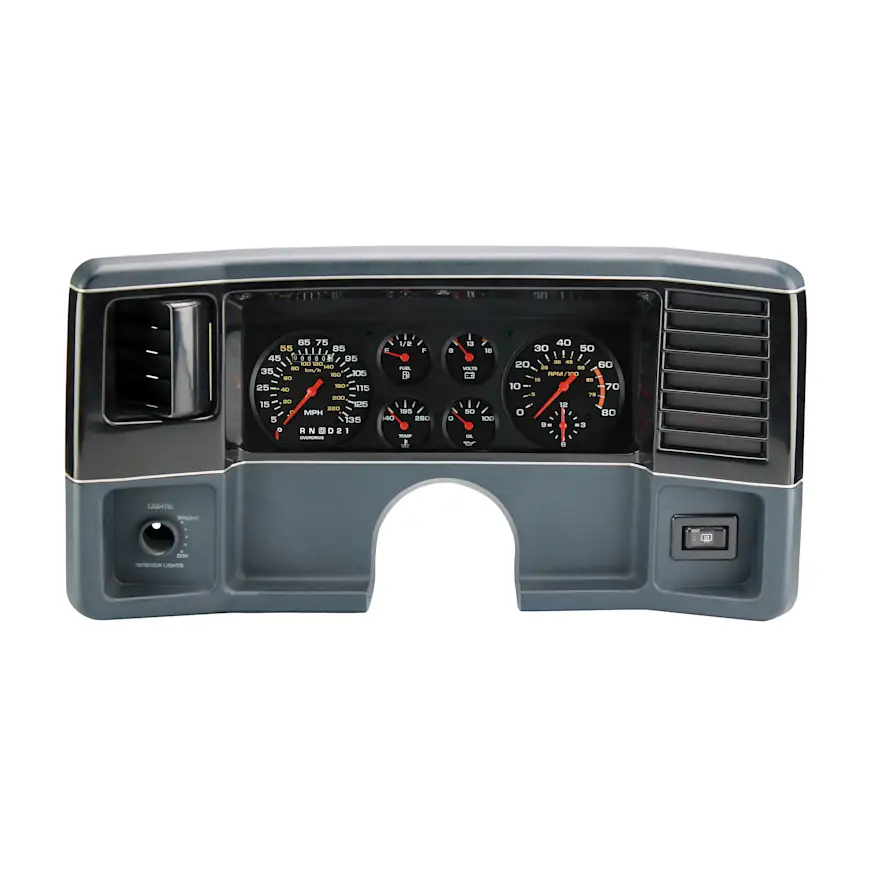
This is where wrong orders happen. Instrument cluster fitment is some of the most complex in the entire parts catalog, because two clusters from the same year and model can be completely incompatible.
Engine Differences
Tachometer calibration changes with engine displacement and cylinder count. A four-cylinder cluster won’t read correctly on a V6, even if it physically plugs in. Always confirm engine size.
Transmission Type
Automatic and manual transmission clusters use different gear position indicators (P-R-N-D versus a simple gear-up/gear-down icon). Mixing them up means the wrong indicators light up or no gear display at all.
Drivetrain
Four-wheel-drive clusters include indicators for 4-Hi and 4-Lo that two-wheel-drive clusters lack. This is one of the most common mismatches for trucks and SUVs.
Trim Level and Optional Equipment
Trim level and equipment packages determine which cluster a vehicle received from the factory. Sport packages, premium trims, and tow packages frequently came with different gauges, different displays, or higher-resolution MID screens. A base-trim cluster won’t function correctly in a vehicle that originally had a premium cluster, and the reverse is usually true as well.
Multi-Information Display Type
Some clusters have a monochrome MID, others a color MID, and others none at all. Confirm yours by looking at the original cluster, not by assuming based on trim.
Units of Measurement
Confirm whether the cluster reads in MPH or KPH and that it matches your market. Canadian-market and US-market clusters look nearly identical but aren’t interchangeable without reprogramming.
Backlight Color
Some manufacturers changed cluster backlight color mid-generation (red to white, white to blue, etc.). Mixing a newer cluster into an older interior gives you a dash that doesn’t match the rest of the lighting.
Production Date and VIN Range
Midyear revisions are common. A late-production cluster may have different software or hardware than an early-production one, even with the same model year on the title.
New, Remanufactured, or Used
A new unit usually needs full programming. A remanufactured exchange unit may come preprogrammed if you provided your VIN. A used pull from a salvage vehicle carries that vehicle’s mileage and any prioranti-theft pairing, which often must be reset. Each path has different cart implications.
Delivery-Day Inspection Checklist
Before you start pulling the dash apart, verify the replacement against the unit currently in your vehicle.
- The part number on the back of the new cluster matches your original part (or is a confirmed superseded number).
- The connector count and pin layout are identical.
- The gauge layout, gauge count, and indicator positions match.
- The MID screen type matches (none, monochrome, or color).
- The outer lens and bezel are included if your order called for them.
- The backlight color is correct for your vehicle’s interior.
- The unit reads in the correct measurement units for your market.
- There’s no shipping damage to the lens, needles, or housing.
- Programming documentation (if you paid for VIN coding or odometer correction) is included.
- All mounting tabs and brackets are intact and not cracked.
Your One-Job Order Sheet for an Instrument Cluster
- Confirm the vehicle. Year, make, model, engine, transmission, drivetrain, trim level, and optional equipment package.
- Confirm the repair scope. Decide whether you need a complete cluster, a board-level repair, or a preprogrammed remanufactured exchange.
- Confirm what the listing includes. Verify whether the bezel, lens, and outer trim are included or sold separately.
- Plan the programming. Confirm whether the cluster will arrive preprogrammed to your VIN, whether you need to arrange dealer programming, or whether you need a third-party odometer correction service.
- Add the adjacent items. Dash trim clips, bulbs or LEDs (for older vehicles), battery memory saver, and bezel or lens if yours is damaged.
- Match the part number. Cross-check the manufacturer’s part number on the back of your original unit against the replacement.
- Choose the right ownership logic. Match the cart size to whether this is a daily driver you’ll sell soon, a long-term keeper, or somewhere between.
The Smart Way To Shop Instrument Clusters
The cheap-looking order is the one that ships fast, costs less, and turns into a second order when the connector doesn’t match or the odometer reads zero. The correct order is the one that gets the dash working with the right gauges, the right mileage, and the right programming on the first try.
Instrument clusters aren’t priced like brake pads, and they don’t fit like brake pads either. Two clusters that look identical can carry completely different software and completely different fitment. That’s why this purchase rewards the shopper who slows down for an extra five minutes and verifies engine, transmission, drivetrain, trim, MID type, and part number before clicking add to cart.
Build the cart around the job, not the thumbnail. The right cluster, programmed correctly, with the trim that actually needs replacing, is the order that finishes this repair once.
Keep Reading: Related Posts




Any information provided on this Website is for informational purposes only and is not intended to replace consultation with a professional mechanic. The accuracy and timeliness of the information may change from the time of publication.