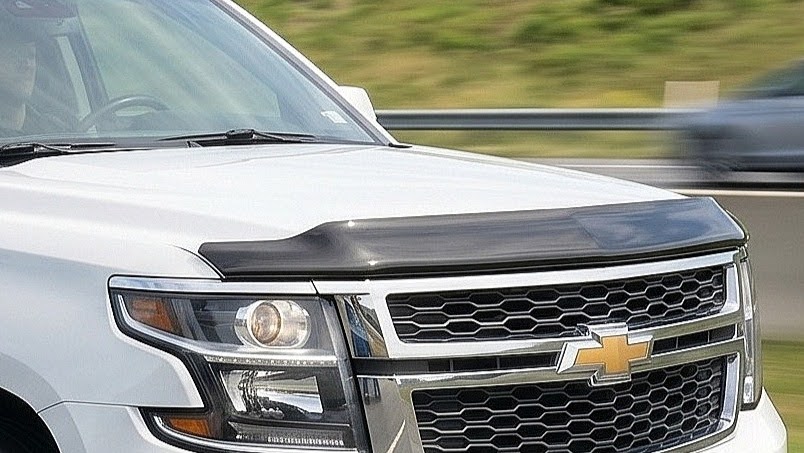
You might already know that you need a bug shield to keep rocks, insects, and road debris from chipping the front edge of your vehicle’s hood. What’s harder is choosing the listing that actually matches your truck or SUV, because two shields with nearly identical thumbnails can mount differently, sit at different heights, and cover different parts of the hood.
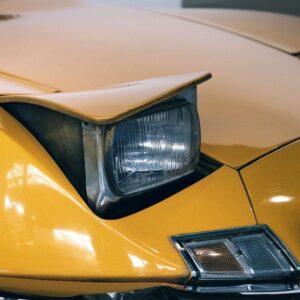
Bug shields aren’t universal. They’re shaped to follow a specific hood contour, and the way they attach varies from one series to the next (see image). A shield built for a no-drill tape mount looks a lot like one that uses fasteners or clips, but they aren’t interchangeable, and neither is a low-profile hood-hugging design versus a taller raised deflector.
Think of this as a pre-order check rather than a product ranking. The goal is to make sure that the shield you’re about to add to cart matches your exact vehicle, the mounting style you’re comfortable with, and the look and coverage you actually want.
How Do You Choose the Right Bug Shield?
Start by confirming your vehicle’s exact year, make, model, and body style, since a bug shield is contoured to a specific hood and even a one-year change can affect fit. Then decide on the mounting style you want: a tape-on design that uses automotive-grade adhesive tape, or a design that uses fasteners or clips. Some fastener-mounted designs use existing holes and require no drilling, so check the application-specific instructions. From there, pick the profile and finish, meaning a low-profile flush design or a taller raised deflector, in a tint like smoke or another available finish. Once fitment, mount style, and look are settled, compare available brands and confirm what’s included before you add it to cart.
Start With the Vehicle, Not the Product Image
Start with the vehicle, not the thumbnail. Bug shields are molded to a particular hood shape, so a shield that looks right in a photo can still be wrong for your vehicle’s model year or body style. Matching the picture isn’t the same as matching the hood.
Confirm these details before you narrow listings:
- Year: hood contours change between generations and sometimes within a generation, so match the exact model year
- Make and model: a shield for one truck won’t follow the hood line of another
- Body style or configuration: crew cab versus regular cab, or different SUV trims, can change the front hood shape
- Trim or appearance package: some trims add hood features or chrome elements that affect how a shield sits
Using the vehicle selector or fitment filters is the safest way to strip out shields that were never designed for your vehicle’s hood in the first place.
Identify the Version Your Repair Actually Needs
Two bug shields can share the same name and still solve different ordering problems. Before comparing listings, decide which version fits how you drive and how you want the front end to look.
The following differences matter most in this category:
- Mounting style: tape-on designs use automotive-grade adhesive tape, while other designs use fasteners, clips, or a combination of mounting methods. No-drill installation can include tape or hardware that uses existing holes, so confirm the exact attachment method in the listing and installation instructions.
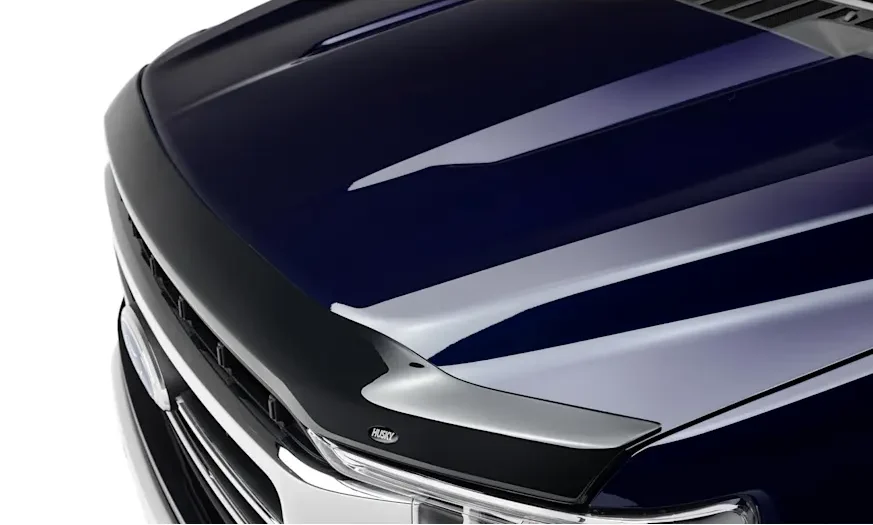
- Profile: low-profile flush designs hug the hood line for a subtle look, while traditional raised deflectors stand taller for more coverage
- Series style: brands package these differences under series names, so you’ll see families like Ventshade‘s Bugflector and Hoodflector or Husky Liners‘ Aeroskin and Hood Protector lines, each with its own profile and mounting approach
- Finish and tint: smoke is common across the category, and depending on application you can also find textured or other finishes
Pick the version by how much coverage you want and whether you’re willing to mount with hardware or prefer a tape-on installation. This decision narrows the field faster than scanning photos.
Compare the Details That Make the Part Fit
Use the product image as a starting point, not as the whole match. Photos help you gauge the shape and finish, but they won’t tell you how the shield attaches or whether it clears the trim on your specific hood. The listing details do that.
Check these points before you commit:
- Attachment method: confirm whether it uses tape, fasteners, clips, or a combination, and whether drilling is required, so there are no surprises when it arrives
- Profile and coverage: verify low-profile versus raised so the shield matches the look and protection you expect
- Hood-edge shape: the shield has to follow the leading edge and any contour breaks on your hood
- Finish and tint: confirm the shade so it matches the rest of your front-end trim
- Material: many listings in this category are acrylic, though this can vary by brand and series, so read the specifications if durability or finish matters to you
If you have your vehicle in front of you, compare the shield’s overall shape and mounting points against your hood’s leading edge before ordering.
Check What Comes in the Box
A listing can be correct for your vehicle and still be incomplete for what you’re expecting. Fitment and completeness are separate questions, so confirm what’s actually included before you order.
Depending on the brand and mounting style, a bug shield listing can include the following:
- Pre-applied or separately included automotive-grade adhesive tape for tape-on designs
- Mounting hardware or brackets for bolt-on designs
- Rubber bumpers, spacers, or edge trim that keep the shield off the paint
- Cleaning or prep materials for tape-mount designs
- Installation instructions specific to a series
Read the listing to confirm that the mounting method matches what’s in the box. If a bolt-on design needs hardware you don’t see listed, or a tape-mount design doesn’t mention included adhesive, confirm this before checkout rather than after.

Compare Brands After You Confirm Fitment
Brand matters, but it shouldn’t be the first filter. A Ventshade, Husky Liners, or Bushwacker bug shield still has to match your vehicle, mounting style, profile, and finish before it belongs in the cart. A familiar name doesn’t make a raised deflector fit a hood that needed a low-profile design, or make a tape-on shield right for someone who wanted bolt-on.
You’ll see several brands available in this category, including Ventshade, Husky Liners, Bushwacker, Stampede, EGR, and Putco. Different brands package the category differently, so one may lead with low-profile flush designs while another emphasizes taller deflectors or specific finishes.
The better question isn’t “Which bug shield brand is best?” It’s “Which brand offers the correct profile, mounting style, and fitment for my vehicle?” Once the fitment details are settled, brand becomes a useful confidence filter rather than a guess.
Choose the Right Ownership Lane
The right bug shield isn’t always the priciest one. It’s the one that matches how you drive and how you want the front end to look. Here are three practical lanes:
- Budget no-drill tape-mount: Good for drivers who want basic hood protection without modifying their vehicle. A tape-mount, low-profile design covers the essentials and installs without hardware. Don’t overpay for a premium series if a straightforward tape-on shield does the job, but do confirm that the adhesive is included.
- Standard bolt-on daily protection: A solid middle choice for daily drivers who want a secure, longer-holding mount and more coverage. Bolt-on designs stay put through highway miles and weather. Match the mounting method to your comfort with fasteners, and don’t underbuy on coverage if you drive a lot of open road.
- Low-profile style-matched upgrade: For owners focused on a clean, integrated look who plan to keep their vehicle a while. Flush hood-hugging designs in a matched finish blend with the front end. Here, series and finish matter more, so brand and profile preference reasonably carry more weight, as long as fitment is already confirmed.
Make the Final Add-to-Cart Check
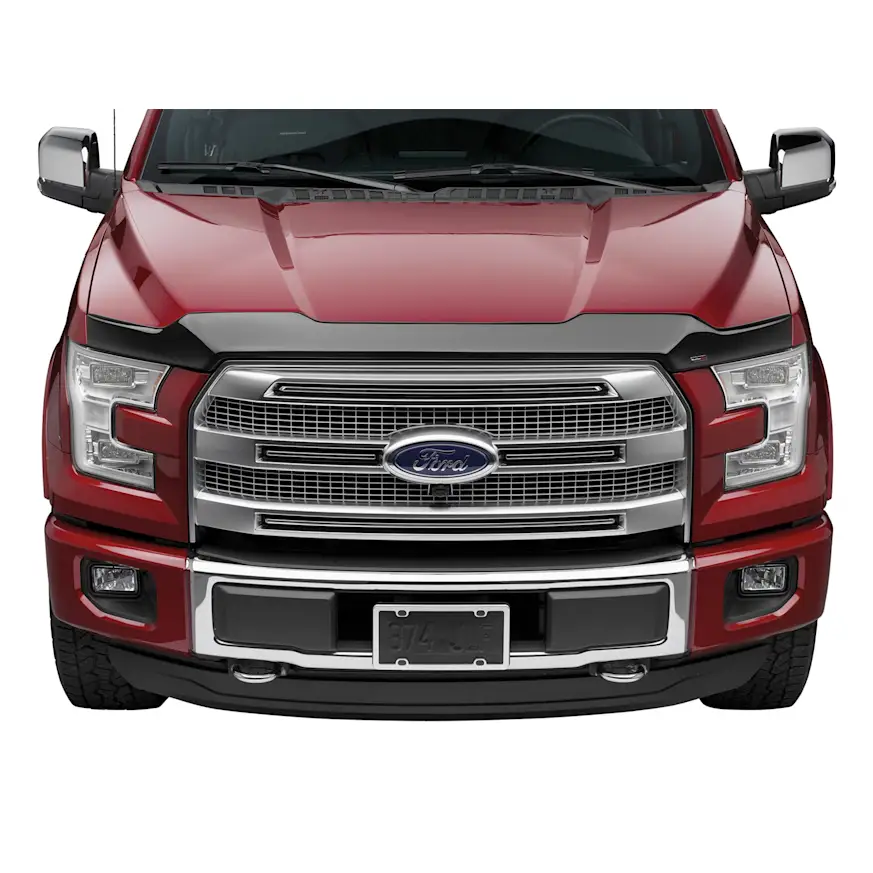
Before you add the bug shield to cart, make sure the listing matches your vehicle, its mounting style, profile, and the finish you want. Run through this quick checklist:
- Vehicle year, make, model, and body style confirmed
- Trim or appearance package accounted for
- Mounting style confirmed: tape, fasteners, clips, or a combination; drilling requirements checked
- Profile confirmed: low-profile flush or raised deflector
- Finish and tint confirmed
- Included tape, hardware, or bumpers checked
- Material reviewed if it matters to you
- Brand chosen after fitment and version are settled
- Quantity confirmed
- Product notes and return details reviewed
Your Best Starting Point
The best bug shield order isn’t the one that looks close enough or carries a familiar name. It’s the one that matches your vehicle’s hood, your mounting preference, the coverage you want, and the finish that fits your front end.
A simple path keeps it straightforward:
- Start with fitment using the vehicle selector or filters.
- Narrow by mounting style and profile.
- Confirm the finish and what’s included.
- Compare against your hood’s shape where possible.
- Use brand as a secondary confidence filter.
- Add the shield that matches how you actually drive.
Settle the vehicle, mount, and the look first, and the right listing is easy to spot.
Keep Reading: Related Posts





Any information provided on this Website is for informational purposes only and is not intended to replace consultation with a professional mechanic. The accuracy and timeliness of the information may change from the time of publication.