Two sway bar kit listings can use the same stock photo and still fit two different trucks. One might ship with brackets, bushings, end links, and hardware. The other might include only the bar. Knowing you need a sway bar kit is the easy part. Picking the right listing takes a bit more digging.
Search results for this part often return dozens of options at very different price points. That gap usually comes down to diameter, position, and what actually ships in the box, not just the brand printed on the label. Here’s what separates the right listing from the wrong one.
Quick Answer: How Do You Choose the Right Sway Bar Kit?
Start by confirming your vehicle’s year, make, model, and whether you need the front or rear bar. Check the bar diameter and whether the listing is adjustable or non-adjustable, since that often changes by trim and drivetrain. Look closely at what’s included, since some kits ship with just the bar while others bundle brackets, bushings, and end links too. Compare those details against your old bar before you check out. Once fitment and contents line up, treat brand as a secondary check instead of the first one.
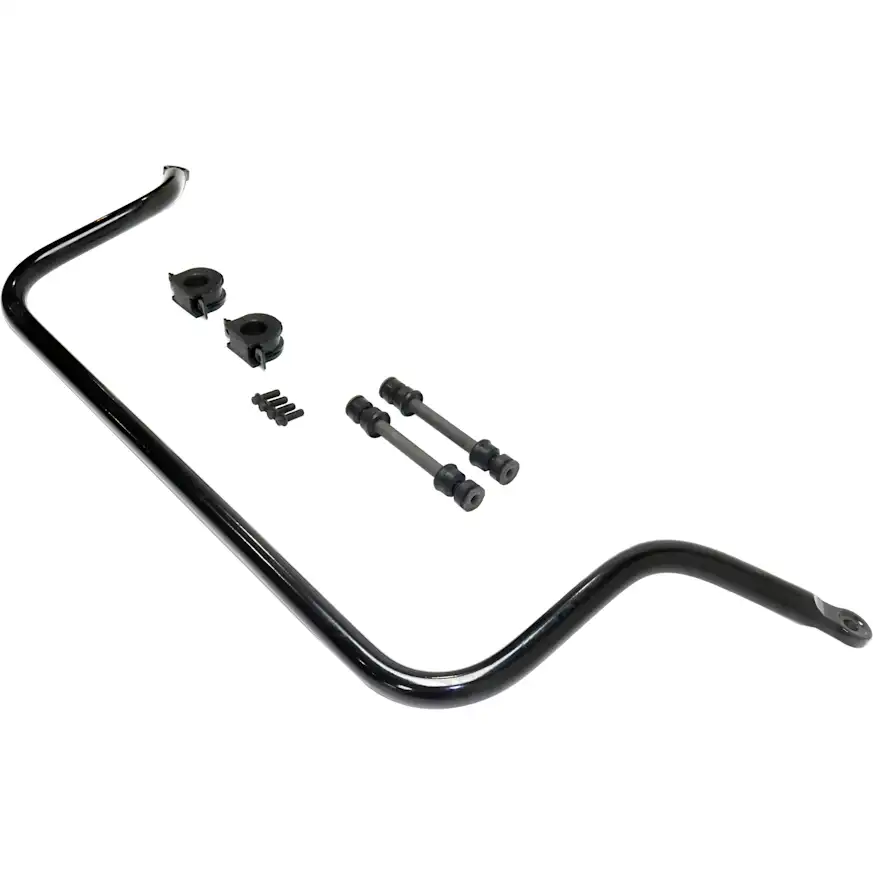
Start With the Vehicle, Not the Product Image
Start with the vehicle, not the thumbnail. Sway bar kits for the same model often split by drivetrain, trim, and position, and a photo rarely shows that. Nail down these details before comparing any listings.
- Year, make, and model
- Engine or drivetrain, since 2WD and 4WD or AWD often call for different bar diameters
- Front or rear position
- Trim or wheel package, since some trims use a different bar bend or a big wheel clearance version
- Your original bar’s diameter, if you’re able to measure it
Know the Version Your Sway Bar Kit Needs
Bar diameter is one of the biggest differences between listings that otherwise look alike. A thicker bar stiffens the suspension and helps reduce body roll through corners. Aftermarket sway bar kits give you more say in that trade off than most stock setups ever did.
Adjustable and non-adjustable versions differ in how they’re built, not just how they’re priced. Adjustable kits add multiple mounting holes on the arm, so you can dial in stiffness after installation. Non-adjustable kits stick to one fixed setting, which suits most daily driving just fine.
Position matters just as much. Front and rear bars are rarely interchangeable, even when the diameter looks similar. A front and rear kit is built for shoppers replacing both ends at once, and it’s often a smart way to save over buying each side on its own.
Compare the Physical Details Before You Buy
Use the product photo as a starting point, not the whole match. Two bars can look nearly identical in a thumbnail and still use different bend shapes or mounting points. A few small measurements make the difference between a smooth install and a return.
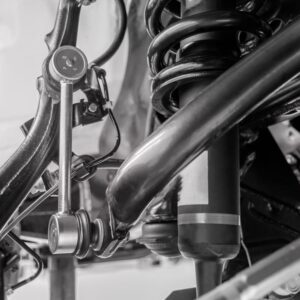
Check bar diameter and shape, bushing inner diameter, bracket bolt spacing, and end link stud length. Bushings flex constantly and wear out over time, which is why sway bar bushing replacement often comes up during the same job. Also confirm whether the end link attaches to the control arm or the strut, since that changes bracket compatibility. Line these details up against your old bar whenever you can.
Check What’s Included Before You Checkout
Fitment and completeness are two separate questions, and it pays to check both. A listing can match your vehicle perfectly and still leave you short a bracket or a set of bushings. Plenty of aftermarket sway bar kits now bundle everything you need, which makes a full swap much simpler.
Some kits include only the bar. Others add brackets, bushings, and end links on top of it, and a smaller number even throw in mounting hardware. That last option saves you a separate trip for fasteners.
Read the included components line closely before adding to cart. If a listing skips end links or hardware and yours already show signs of wear, plan on picking those up separately.

Compare Brands After You Confirm Fitment
Brand matters, but it shouldn’t be your first filter. A Dorman, Eibach, Nolathane, Belltech, or A-Premium sway bar kit still has to match your vehicle’s position, diameter, and included parts before it earns a spot in your cart. Aftermarket brands like these often give you options a factory bar never offered, from adjustable stiffness to extended warranties.
Depending on the brand, you’ll find different builds. Some focus on direct fit, OE style kits backed by a straightforward warranty. Others build adjustable, powdercoated bars for drivers who want sharper handling.
The better question isn’t which sway bar kit brand is best. It’s which brand offers the right setup for your vehicle and your goals.
Choose the Right Ownership Lane
A basic functional replacement suits shoppers who just want their stock ride back. This lane usually means a non-adjustable steel bar, sometimes without extra hardware included. It works well if you don’t plan on keeping the vehicle long term.
A daily driver, OE style replacement is the middle lane for most shoppers. These kits typically match the factory diameter and include brackets, bushings, and hardware in one box. They carry a standard warranty and handle daily use without complaint.
A performance and handling upgrade suits drivers who want tighter cornering or plan to tow or carry heavier loads. These performance sway bar kits often step up in diameter, add adjustability, and finish in a durable powdercoat. They usually cost more, but that cost buys real handling gains, not just extra durability.
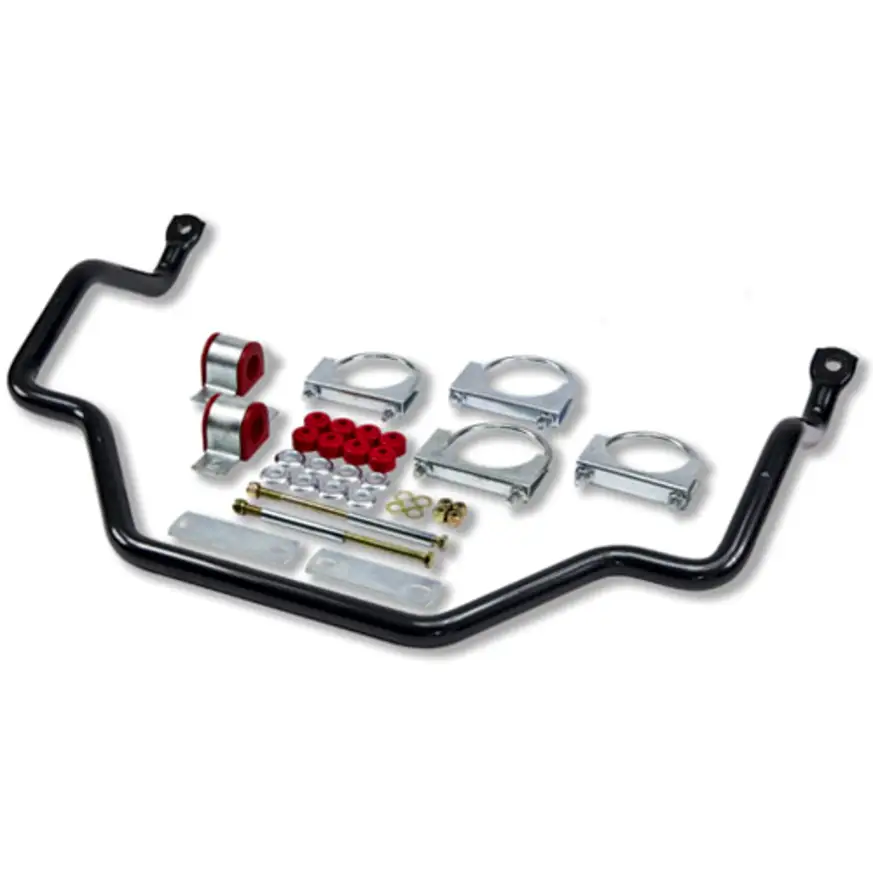
Make the Final Add to Cart Check
Run through this list before you add a sway bar kit to your cart.
- Vehicle year, make, model, and drivetrain confirmed
- Front, rear, or front and rear position confirmed
- Bar diameter matches your original bar or your planned upgrade
- Adjustable or non-adjustable version confirmed
- Included components checked against what your repair needs
- Old bar or bushings compared where possible
- Bracket and end link compatibility confirmed
- Brand chosen only after fitment and contents are settled
- Quantity confirmed if you’re buying front and rear separately
Your Best Starting Point
Start with your vehicle’s year, make, model, and drivetrain. Narrow results by front, rear, or a front and rear kit. Confirm the diameter and whether the bar is adjustable.
Check what’s actually included before you start comparing brands. A kit that fits your vehicle but skips hardware you need still isn’t the right order. Use the vehicle selector or the position and diameter filters to narrow things down fast.
The best sway bar kit isn’t the one with the most familiar brand name. It’s the one that matches your vehicle, the position you need, and the parts already sitting in the box.
Keep Reading: Related Posts



Any information provided on this Website is for informational purposes only and is not intended to replace consultation with a professional mechanic. The accuracy and timeliness of the information may change from the time of publication.