Nerf bars seem like a straightforward purchase until the package arrives. Then the mounting brackets don’t match the frame rails on a crew cab. That’s the kind of surprise that turns a simple upgrade into a two-week return. The question to ask before shopping isn’t “which one looks good” or “what’s cheapest.” It’s “What exactly needs to go in the cart for this job?”
Nerf bar orders go wrong more often than most truck accessories. The category looks simple from the outside. A tube, some brackets, some hardware. How complicated can it be? More complicated than the thumbnail suggests.
Cab length, bed configuration, rocker panel profile, and bracket style all vary by application. They can split by year, make, model, trim, and sometimes production date. Ordering by appearance alone is how buyers end up with bars that don’t fit. The right order starts with fitment and repair scope, not price or finish.
The Job in One Sentence
Replacing or adding nerf bars means installing a set of side steps that mounts to the vehicle’s frame or rocker panel, giving passengers a secure step surface and potentially adding some protection against light road debris and minor side contact.
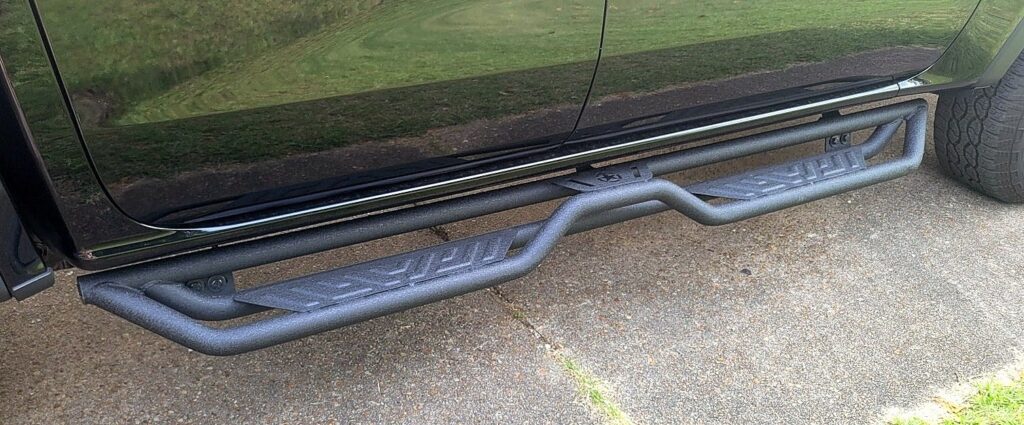
The order’s about more than the bars themselves. Most direct-fit nerf bars ship as a set of two, driver and passenger side. They include the mounting brackets specific to that application. What buyers frequently discover too late is that the brackets aren’t universal.
A nerf bar set listed for a half-ton pickup may have separate part numbers by cab style. Regular cab, extended cab, and crew cab configurations each have their own bracket kit. The tube itself may be identical across those fitments. The brackets aren’t.
Understanding that the bracket kit is as important as the bar tube matters. It’s the first thing that separates a clean order from a return trip.
Choose Your Cart Size
Nerf bar jobs fall into three realistic purchase scopes. Know which one fits before opening the search results.
1. Minimum Viable Repair
A direct replacement for damaged or rusted factory bars, or a first-time add where fitment’s already confirmed.
Choose it if:
- The existing bars are bent, rusted through, or missing
- The replacement is a like-for-like swap on a vehicle already searched and confirmed
- No adjacent accessories are being updated at the same time
Typical cart:
- Direct-fit nerf bar set (includes brackets for the application)
- Mounting hardware if not included in the kit
2. Smart Same-Access Refresh
Swapping bars and upgrading adjacent rocker or step hardware at the same time.
Choose it if:
- The rocker panels show wear or damage that becomes visible during bar removal
- The factory mounting points have stripped hardware or corroded bolts
- A finish or material upgrade is part of the goal (powder coat to stainless, for example)
Typical cart:
- Direct-fit nerf bar set
- Replacement mounting bolts or thread repair inserts if hardware is corroded
- Rocker panel molding or trim clips if disturbed during removal
3. High-Mileage / Do-It-Once Reset
A full side-step system overhaul on a truck with age-related wear across multiple contact points.
Choose it if:
- The truck has over 100,000 miles and the original bars have never been replaced
- The mounting brackets are visibly bent or the step pads are cracked and peeling
- A running board or wider step platform makes more sense than round tube bars
Typical cart:
- Full nerf bar set with mounting hardware
- Replacement or upgraded step pads if sold separately
- Rocker panel protection molding
- Any needed thread repair hardware for aging frame mounting points
What Is Commonly Ordered Together on This Job
Hardware and Fasteners
Most direct-fit nerf bar kits include mounting hardware, but the factory mounting points on older trucks are often corroded. Picking up replacement bolts that match the kit’s specified thread and strength class, plus a thread chaser, adds maybe ten minutes to prep and helps prevent the job from stalling mid-install.

Pro Tips are nuggets of information direct from ASE-certified automobile technicians working with CarParts.com, which may include unique, personal insights based on their years of experience working in the automotive industry. These can help you make more informed decisions about your car.
Pro Tip: Make sure to adhere to the torque specs in the instructions. That can make all the difference in whether you have to go back and re-tighten them.
Step Pads
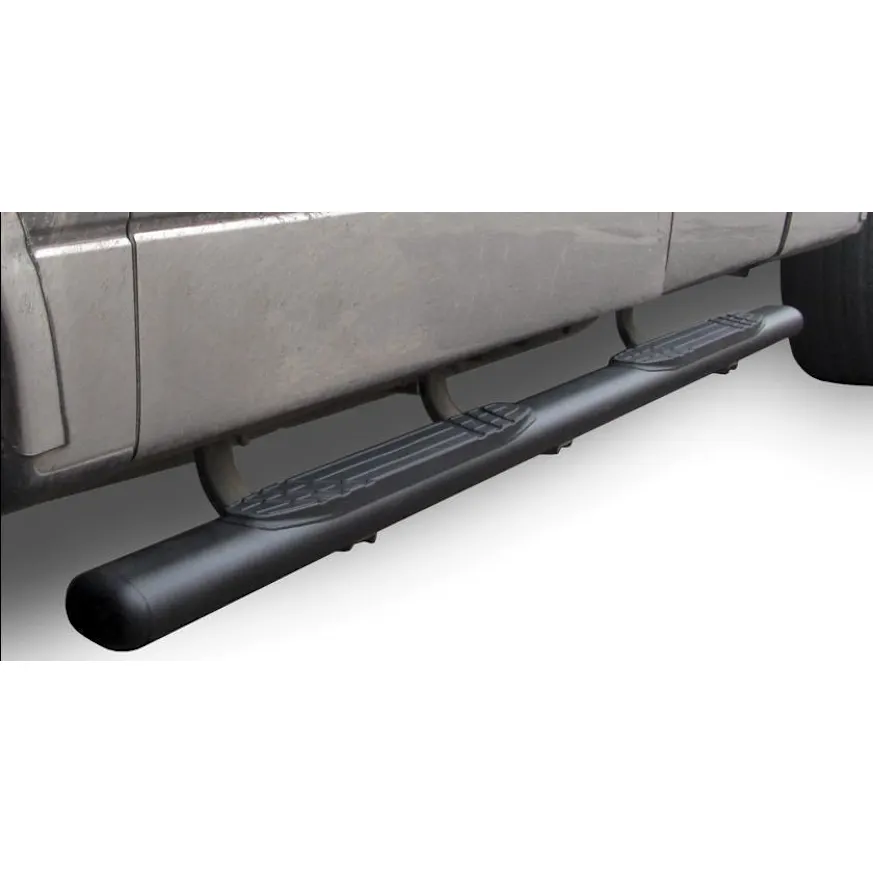
Tube-style nerf bars typically ship with plastic or rubber step pads already attached. On older replacement sets, those pads may be sold separately. They may also need to be transferred from the original bars. Confirm whether the new set includes pads before ordering.
Rocker Panel Molding
Removing bars on high-mileage trucks sometimes exposes cracked or missing rocker panel clips. If those clips are already loose, they usually come fully off during disassembly. Ordering replacement clips or the relevant rocker panel molding section while the area’s already accessible is a reasonable add. For more on why rocker health matters, see rocker panel rust.
Touch-Up Coating or Rust Treatment
If the frame mounting area shows surface rust, address it before the new brackets go on. A rust converter or zinc primer extends the life of the install considerably. This is especially relevant on trucks in salt-belt states.
What People Forget Until the Vehicle Is Already Apart
A few things catch buyers off guard on nerf bar jobs. Review this list before finalizing the order.
- Cab length matters more than overall truck length. A SuperCrew and a SuperCab aren’t the same fitment, even on identical model years.
- Some bars don’t include mounting brackets. Read the listing carefully. “Nerf bar set” doesn’t always mean brackets are included.
- Step pad condition matters. If the old bars have usable pads and the new ones don’t ship with them, confirm compatibility before transferring.
- Factory tow packages affect bracket placement on some applications. Check for interference with trailer hitch wiring harnesses or cross members.
- Finish match matters if only one side is being replaced. Chrome and polished stainless look different in sunlight, and powder coat textures vary between manufacturers.
- Crew cab rear door access is a real consideration. Some cab-length bars stop at the rear edge of the front door. Verify bar length if the goal is to cover both door openings.
- On lifted trucks or trucks with aftermarket flares, tube diameter and bracket geometry can affect tire clearance.
Not sure whether nerf bars or running boards are the better fit for your truck? See our breakdown of nerf bars vs. running boards for a full comparison.
When Replacing Only the Nerf Bars Is False Economy
Replacing just the bars is perfectly reasonable in many situations. When the brackets are solid and the mounting hardware threads out cleanly, it’s a straightforward job. A straight nerf bar swap is typically a one-afternoon install with no complications. There’s no reason to overcomplicate a clean repair.
It becomes false economy when the mounting hardware is too corroded to remove cleanly. That turns a simple swap into an unplanned thread repair. A thread repair insert kit costs very little and prevents a mid-job parts run. It’s worth having on hand before starting.
The same logic applies to step pads. If the old pads are cracked and the new set requires a pad transfer, skipping replacements means repeating the disassembly in a season. If the rocker panels under the old bars show hidden rust perforation, address it before the new bars go on. Pulling them again later costs far more time.
The Fitment Splits That Break Nerf Bar Orders
Cab Configuration. This is the single most common source of wrong-part orders. Regular cab, extended cab, and crew cab configurations all have different rocker panel run lengths. The bracket kit is cab-specific. Ordering by truck model alone without specifying cab style is where most mistakes happen.
Bed Length. Some nerf bar styles vary by bed length, particularly full-length or cab-and-bed designs. Short bed versus long bed is a real split on certain applications. Always confirm bed length when searching, not just cab style.
Year-Range Splits. Body style changes within a generation affect bracket design. A part listed as fitting a five-year range may have an early-production and a late-production break. Always use the full year, make, model, cab, and engine when searching.
Tow Package. The factory tow package adds a frame cross member or skid plate on some applications. That hardware can conflict with aftermarket bracket positioning. This isn’t universal, but it affects enough applications to be worth checking before ordering.
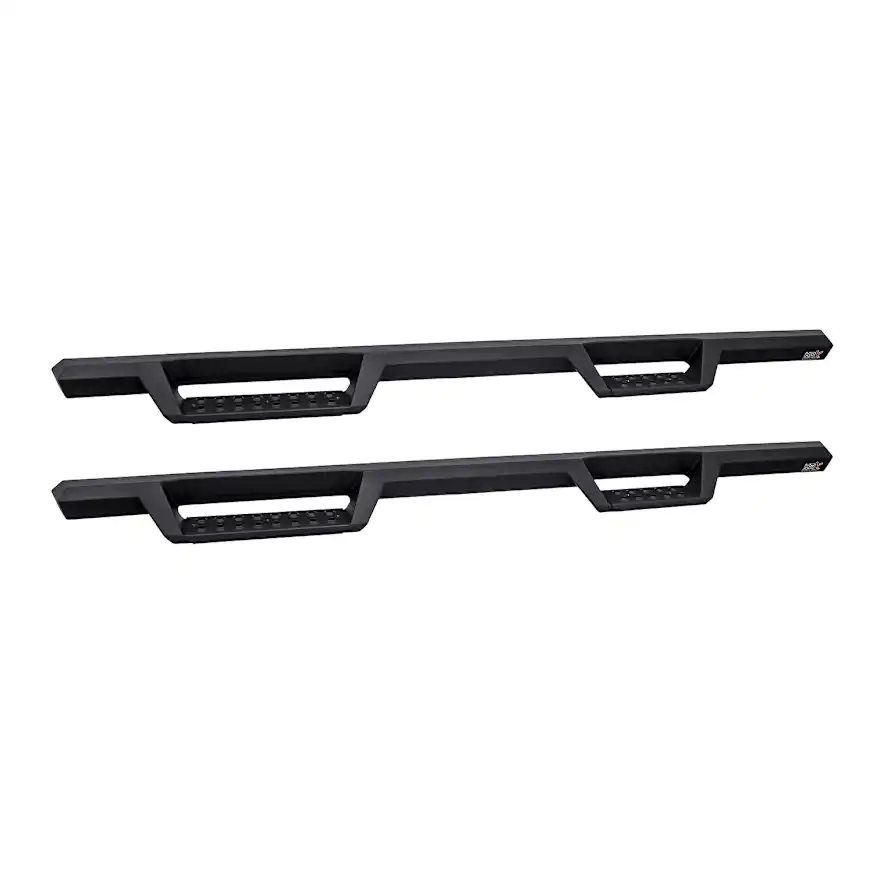
Tube Diameter and Shape. Round tube (typically 3 inch), oval tube (4 or 5 inch), and rectangular step bars all mount differently. Mixing a replacement side with a different tube profile produces a visible mismatch. Both bars may technically fit the application and still look wrong together.
Lifted vs. Stock Height. Nerf bars mounted at factory height on a lifted truck often sit too high for comfortable use. Some buyers on lifted applications intentionally order longer brackets or a different step style. This is an application-specific decision, but it belongs in the planning conversation before ordering.
If your truck also needs front-end protection, see our overview of bull bars on trucks for a look at that category’s fitment logic.
Delivery-Day Inspection Checklist
Before removing the old bars, pull the new set out of the packaging and run through this list.
- Confirm the set includes both driver and passenger side bars
- Confirm bracket count matches the expected mounting point count for the cab configuration
- Verify tube diameter and shape matches the application or personal expectation
- Check step pad condition and attachment. Pads should be fully secured, not loose or missing sections.
- Inspect welds at the bracket-to-tube connection points for visible defects
- Confirm finish matches the order (powder coat texture, chrome depth, or brushed stainless tone)
- Check that all mounting hardware is present if the listing indicated it was included
- Verify the brackets show the correct orientation for driver side versus passenger side mounting
Your One-Job Order Sheet for Nerf Bars
1. Confirm the Vehicle. Year, make, model, cab length, bed length, trim, and tow package status. All of these affect fitment.
2. Confirm the Repair Scope. Straight replacement, cosmetic upgrade, or full side-step overhaul? The answer determines cart size.
3. Confirm What the Listing Includes. Brackets included or separate? Step pads installed or sold separately? Hardware included or not?
4. Add the Hardware Contingency. Have a thread repair kit or replacement mounting bolts on hand. This matters most on trucks with significant mileage or rust exposure.
5. Check for Interference. Tow package cross members, aftermarket lift kits, or custom rocker work can create fitment complications. Confirm before committing.
6. Choose the Right Finish Logic. If replacing one side, match the finish exactly. If doing both sides new, choose based on maintenance preference. Polished stainless requires more upkeep than powder coat.
7. Inspect on Delivery. Run the delivery-day checklist above before any teardown begins.

Nerf Bars vs. Rock Sliders: Don’t Confuse the Two
One of the most dangerous misconceptions is that tubular nerf bars double as “rock sliders” for off-road protection. Typical nerf bars should not be treated as rock sliders.
Many nerf bars use lightweight steel or aluminum tubing with brackets that mount to the rocker-panel area, factory mounting points, or body mounts. Those mounting systems are designed primarily to support a step, not repeated contact with rocks or stumps.
If a driver hits a large rock, stump, or log while trail riding, a nerf bar can flex or buckle. Instead of protecting the vehicle, the bar can be pushed upward into the doors or rocker panels, causing structural or cosmetic body damage. Even stiff nerf bars can bend the rocker panels during a harsh impact event.
If the truck is going on trails where rocker contact is likely, the owner should invest in true heavy-duty rock sliders designed for off-road impacts, typically using robust structural steel and application-specific mounting.
The Smart Way to Shop Nerf Bars
A nerf bar order that goes wrong almost always starts the same way. Someone searched by thumbnail and picked the best-looking option at a reasonable price. They skipped the cab-length and bracket confirmation step. The result is brackets that don’t reach the mounting points or a tube that ends six inches short of the rear door.
The correct order takes an extra five minutes to build. The cab configuration is confirmed. The bracket kit is verified as included. The hardware contingency is covered and the finish choice is intentional.
Cart logic for nerf bars isn’t about upgrading everything at once. It’s about knowing what the application actually needs. Browse the full selection of nerf bars, running boards, and steps to find a direct-fit set for your exact cab, bed, and trim. Get those three things right and the install goes cleanly the first time.
Keep Reading: Related Posts



Any information provided on this Website is for informational purposes only and is not intended to replace consultation with a professional mechanic. The accuracy and timeliness of the information may change from the time of publication.