Most wrong fan shroud orders don’t fail because the buyer picked a bad brand. They fail because the part fit a different fan setup, a different engine, or a different production year of the same vehicle. A fan shroud looks generic in a thumbnail, but it’s one of the most fitment-sensitive parts in the cooling system.
The right starting question isn’t “Which shroud is cheapest?” It’s “What exactly needs to go in the cart so this cooling repair finishes in one trip to the bay?”
Fan shrouds create wrong-order risk for a few specific reasons. They split by engine, fan type, fan count, mounting pattern, and whether the listing includes the fan or just the shroud. They also share an access zone with the radiator, hoses, and fan clutch, so a tiny order often turns into a second teardown a week later.
This guide is about building that order correctly the first time.
The Job in One Sentence
You’re restoring controlled airflow through the radiator so that the cooling system can shed heat under load.
A fan shroud channels air pulled by the fan across more of the radiator core. Without it, the fan mainly moves air through the area directly behind the blades, reducing low-speed airflow through the rest of the core. That’s why a cracked or missing shroud can contribute to overheating at idle or in stop-and-go traffic even when the radiator and fan appear functional.
How Should a Mechanical Fan Sit in the Shroud?
A fan shroud can contribute to overheating if the fan is positioned incorrectly. As a general rule, the blades on a belt-driven mechanical fan should sit approximately halfway inside and halfway outside the shroud opening when viewed from the side. The exact specification can vary by application, so compare the new shroud with the original and follow the service information for the vehicle.
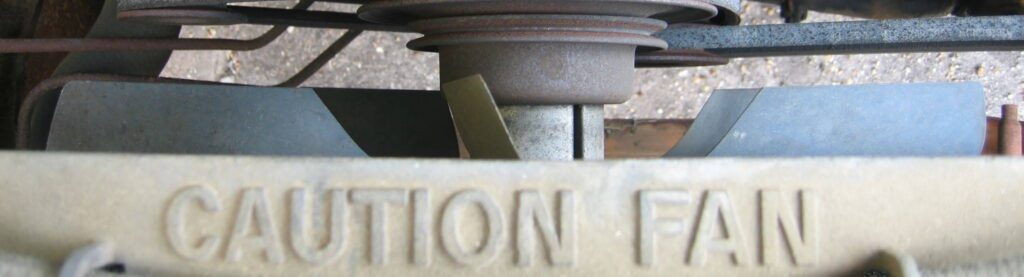
If the fan sits too far inside the shroud, discharged air can recirculate within the opening and reduce airflow efficiency. If it sits too far outside, the fan may draw more air around the shroud instead of through the radiator. Either condition can reduce low-speed cooling.
A fan that is not centered or properly positioned does not automatically mean the shroud is wrong. Incorrect spacers, worn engine or transmission mounts, water pump bearing play, or previous repairs can also change the fan’s position. Positioning the blades near the recommended depth helps the shroud draw air across a larger area of the radiator while allowing the fan to discharge it into the engine compartment efficiently. Confirm blade-to-shroud and blade-to-radiator clearance before starting the engine.
For ordering purposes, the shroud isn’t just a piece of plastic or aluminum. It’s a mounting point, a fan housing, and an airflow guide. Some are sold bare. Some are sold as a complete assembly with the fan, motor, and wiring already in place. Knowing which version you’re buying is half the order.
Choose Your Cart Size
1. Minimum Viable Repair
The shroud cracked or broken. Everything else in the cooling system is recent or still good.
Choose it if:
- The radiator, fan, and fan clutch are healthy
- The hoses and clamps were replaced recently
- You just need to restore airflow geometry
Typical cart:
- Replacement fan shroud
- Any mounting clips or push-pins specific to the shroud
- A small bottle of coolant for top-off if any was lost during access
2. Smart Same-Access Refresh
The shroud is out, the fan is staring at you, and the radiator is right there. This is the lane most shoppers should think about carefully.
Choose it if:
- The vehicle has 80,000+ miles on the original cooling stack
- The fan clutch feels loose, leaks, or spins too freely
- The upper or lower hose is soft, swollen, or original
- You don’t want to revisit this corner of the engine bay anytime soon
Typical cart:
- Replacement fan shroud
- Fan clutch or electric fan motor, depending on setup
- Upper and lower radiator hoses
- Hose clamps
- Coolant
- Any mounting hardware the listing doesn’t include
3. High-Mileage Reset
Your vehicle is older, the cooling system is original or nearly so, and the goal is to walk away with a cooling stack that won’t need attention for years.
Choose it if:
- The radiator is original or you’ve already seen tank seepage
- The fan blade is cracked, warped, or has missing tips
- The coolant reservoir is brittle or stained
- You tow, haul, or live in a hot climate
Typical cart:
- Replacement fan shroud, or full shroud and fan assembly
- Radiator
- Fan blade and fan clutch, or complete electric fan assembly
- Upper and lower hoses with clamps
- Coolant reservoir or overflow tank
- Coolant
- Thermostat if service history or diagnosis supports replacement
What’s Commonly Ordered Together on This Job
Fan, Fan Clutch, or Fan Motor
These are the most common companion items. If the shroud cracked because the fan blade contacted it, you’re not just buying a shroud. You’re buying a shroud and whatever caused the contact. On mechanical-fan vehicles, inspect the fan clutch, fan blade, water pump bearing, engine mounts, and fan spacing. Review common fan clutch symptoms before deciding whether the clutch belongs in the cart. On electric-fan vehicles, the repair may require a fan motor or a full fan-and-shroud assembly.
Mounting Hardware and Clips
Shrouds rarely include every clip, push-pin, screw, or rubber isolator they need. Some bolt to the radiator, while others bolt to the core support. Some hang off the radiator with plastic tabs that snap the moment you pull them. Order replacement clips and rubber bushings up front.

Hoses and Clamps
The upper hose, lower hose, and sometimes a small bypass hose all live in the same access zone. If they’re original, this is the cheapest time to replace them. Shoppers who skip the hoses for a 15-year-old vehicle usually end up back under the hood within a season.
Coolant
Even a clean shroud swap usually means dropping the radiator a bit or pulling the upper hose. Plan on at least a partial refill. Match the OEM spec, not just the color.
Radiator
Not every job needs a new radiator, but if you’re already looking at a tired one, this is the moment to replace it. The labor to pull the shroud is most of the labor to pull the radiator. Buying both at once almost always beats doing it twice.
Sensors and Switches
Some shrouds carry a temperature sensor, a fan switch, or a wiring clip for the electric fan harness. Confirm whether your replacement includes those provisions and whether the sensor transfers from the old unit.
Full Assembly vs. Bare Shroud
This is the single biggest decision point for electric-fan vehicles. A bare shroud is cheaper but useless without a working fan and motor. A complete cooling fan assembly costs more but reduces the risk of reinstalling a fan motor that is near the end of its service life. Review what an assembly includes and compare the listing carefully.
For many electric-fan applications, replacing the complete assembly is the most practical choice because the fan, motor, and shroud are designed and sold as a matched unit. Replacing only the motor can still be a sound repair when the blade and shroud are undamaged, the motor is separately serviceable, and the repair is cost-effective. Base the decision on the vehicle’s design, parts availability, and component condition, not the model year alone.
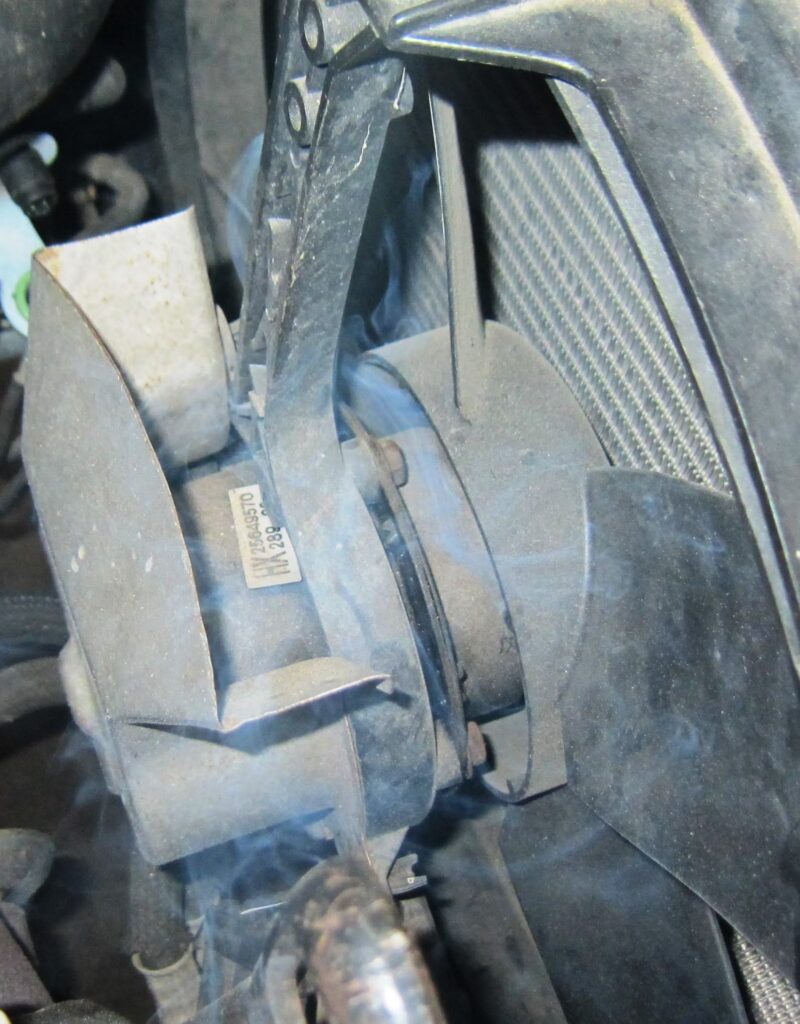
If you’re comparing a motor-only repair with a complete assembly, reviewing typical radiator fan replacement costs can help you weigh parts cost against the risk of doing the job twice.
What People Forget Until the Vehicle Is Already Apart
A short list of things that strand a job at the bench:
- Whether the listing includes the fan, the motor, or just the housing
- Whether the wiring harness or pigtail comes with the assembly
- Whether the temperature sensor or fan switch is reused or new
- Whether the upper shroud and lower shroud are sold separately
- Whether the mounting clips, push-pins, or rubber isolators are included
- Whether the bolt pattern matches the radiator and core support
- Whether the fan diameter matches the original
- Whether a tow package or HD cooling option changes the part number
- Whether the coolant on the shelf matches the vehicle’s spec
When Replacing Only the Fan Shroud Is False Economy
Sometimes a bare shroud is the right call. If the shroud cracked from age or a single impact, the radiator is recent, the fan and clutch are healthy, and the hoses are good, there’s no reason to spend more.
But for a high-mileage vehicle, a bare shroud often costs more in the long run. The fan clutch is the most common hidden problem. A worn clutch lets the fan flop, and a flopping fan is what cracks shrouds in the first place. Replacing the shroud without the clutch sets up the same failure within months.
The same logic applies to the radiator in older vehicles. The shroud bolts to or hangs off the radiator. Pulling the shroud is most of the labor of pulling the radiator. If the radiator already shows seepage at the tanks, the rational order replaces both at once.
The honest answer is to match the cart to the condition of the surrounding parts, not to the headline failure. A clean shroud swap is fine when everything else is healthy. It’s a false economy when the rest of the cooling stack is tired.
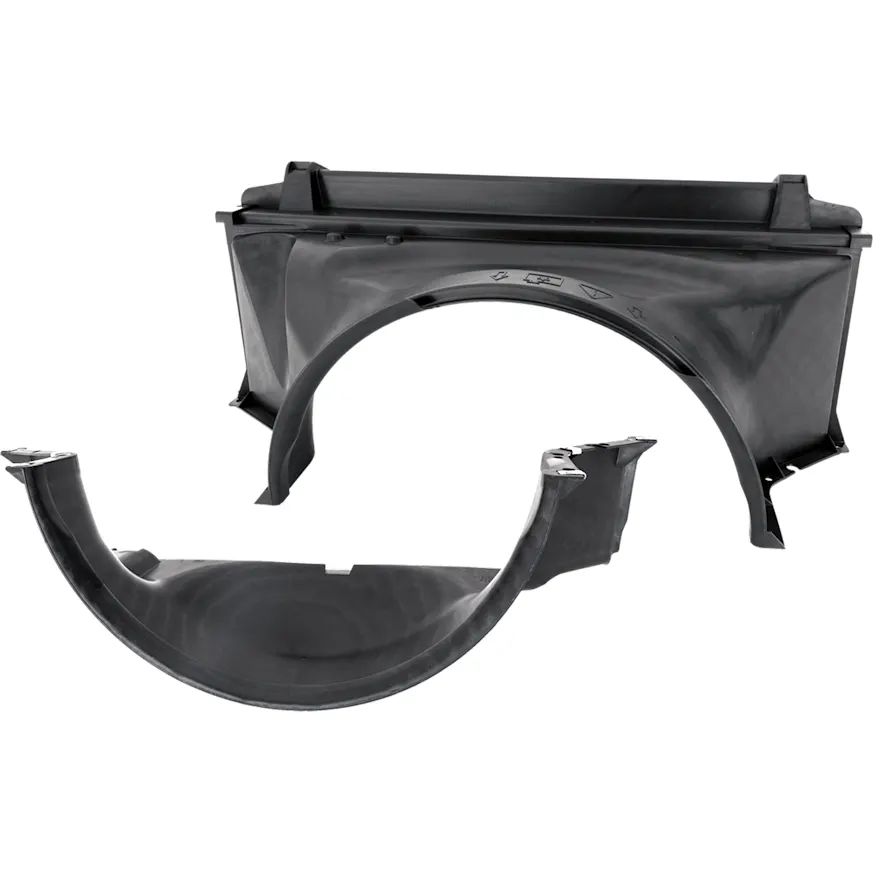
The Fitment Splits That Break Fan Shroud Orders
Fan shrouds are deceptively variant-heavy. The same year, make, and model can have three or four different shrouds depending on options.
Engine
Different engines often pair with different shroud shapes, fan diameters, and mounting points. A V6 shroud won’t fit a V8 application in the same vehicle, and a diesel shroud usually won’t match a gas variant.
Mechanical Fan vs. Electric Fan
This is the biggest split. Mechanical-fan shrouds are open at the back and shaped to surround the spinning fan blade. Electric-fan shrouds are closed housings that hold the fan motor and blade as one unit. They aren’t interchangeable.
Fan Count
Some vehicles use a single electric fan while others use a dual-fan setup. The shroud has either one fan opening or two, and the wiring is different.
Fan Diameter
Even within the same vehicle line, a 14-inch fan and a 16-inch fan use different shrouds. Confirm the diameter before ordering, especially for aftermarket aluminum builds.
Tow Package and HD Cooling
Tow-package and heavy-duty cooling options often use a larger radiator, a higher-output fan, and a different shroud. The base shroud won’t fit the HD cooling setup, and vice versa.
Mounting Pattern
Some shrouds bolt to the radiator. Some bolt to the core support. Some hang off the radiator with plastic tabs. The mounting pattern is part of the fitment, not a detail to ignore.
Production-Date or VIN Split
Midyear changes are common in cooling components. Two trucks built four months apart can take different shrouds. When the listing flags a build date, take it seriously.
Assembly vs. Bare Shroud
A complete shroud and fan assembly is different from a bare shroud. Make sure the listing matches what you actually need, especially when prices look unusually low or unusually high.
Delivery-Day Inspection Checklist
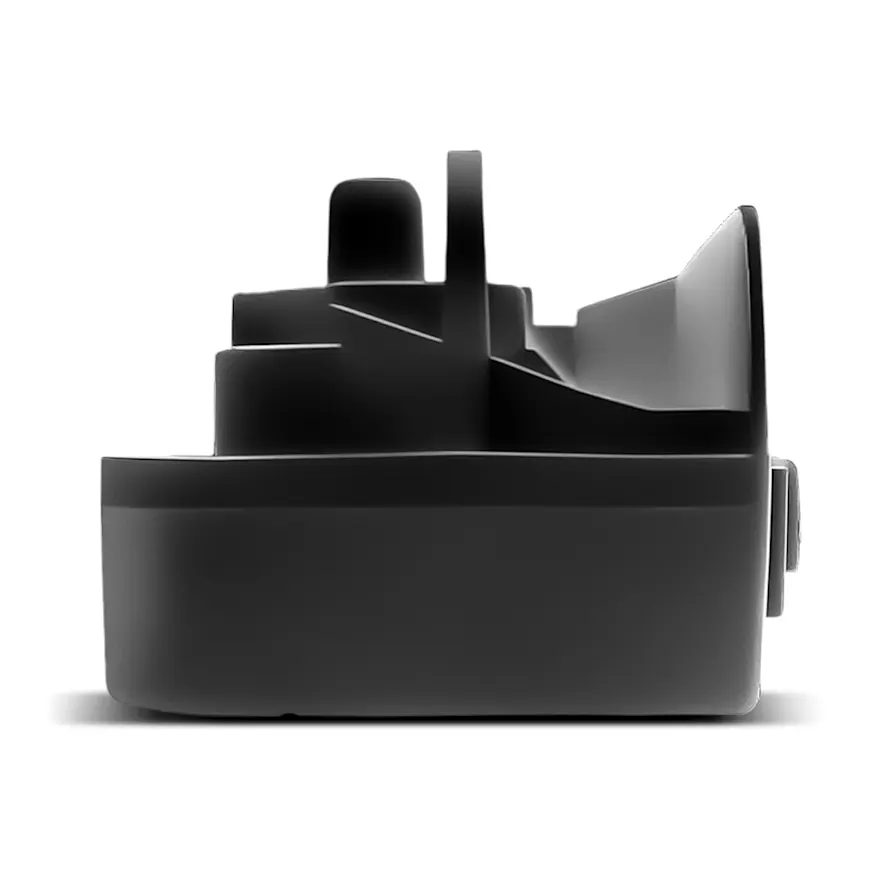
Before any tools come out, lay the new shroud next to the old one and check the following:
- Overall shape and depth match the original
- Bolt-hole pattern lines up with the radiator or core support
- Fan opening diameter matches the existing fan
- Number of fan openings matches (single or dual)
- Mounting tabs, clips, and push-pin locations match
- Wiring connector on the fan assembly matches the vehicle harness
- Temperature sensor or fan switch port is in the right location
- Included clips, hardware, and isolators are in the box
- No shipping cracks or warped edges
Your One-Job Order Sheet for a Fan Shroud
A quick checklist before you check out:
1. Confirm the Vehicle
Year, make, model, engine, and trim. For trucks and SUVs, also check tow package and HD cooling.
2. Confirm the Fan Setup
Mechanical fan or electric fan. Single or dual. Fan diameter. This determines the entire shroud category you’re shopping for.
3. Confirm What the Listing Includes
Bare shroud, shroud with fan, or complete shroud and motor assembly. Confirm whether clips, hardware, and sensors are included.
4. Add the Adjacent Items
Coolant, hose clamps, hoses if original, fan clutch or fan motor if suspect, and any mounting clips the listing doesn’t ship with.
5. Bench-Check the Old Part Logic
Inspect the old shroud, fan, and clutch before ordering. The cause of the failure usually points to what else belongs in the cart.
6. Choose the Right Ownership Logic
Daily driver with a recent cooling system: minimum cart. High-mileage truck or hot-climate vehicle: same-access refresh or full reset.
The Smart Way To Shop Fan Shrouds
A cheap fan shroud order is the one that arrives, doesn’t fit, and forces you to start over. A correct order is the one that lets you finish the cooling repair in a single afternoon.
The right cart depends on your vehicle, the fan setup, the condition of the surrounding cooling parts, and how long you plan to keep your vehicle. Match the order to these four things and the part in the box will match the job under the hood.
Shop by repair scope, not by thumbnail. Browse replacement fan shrouds after confirming the fan type, engine, mounting pattern, and included hardware. The best fan shroud order is the one that finishes the job once.
Keep Reading: Related Posts






Any information provided on this Website is for informational purposes only and is not intended to replace consultation with a professional mechanic. The accuracy and timeliness of the information may change from the time of publication.