Ordering a steering gearbox feels simple until the box arrives and nothing lines up. Wrong number of ports, incompatible input shaft, or missing sector shaft seal, and now the vehicle is on stands waiting for a second shipment. The question to start with is not “which one is cheapest” but “what exactly has to be in the cart for this job to finish in one round.”
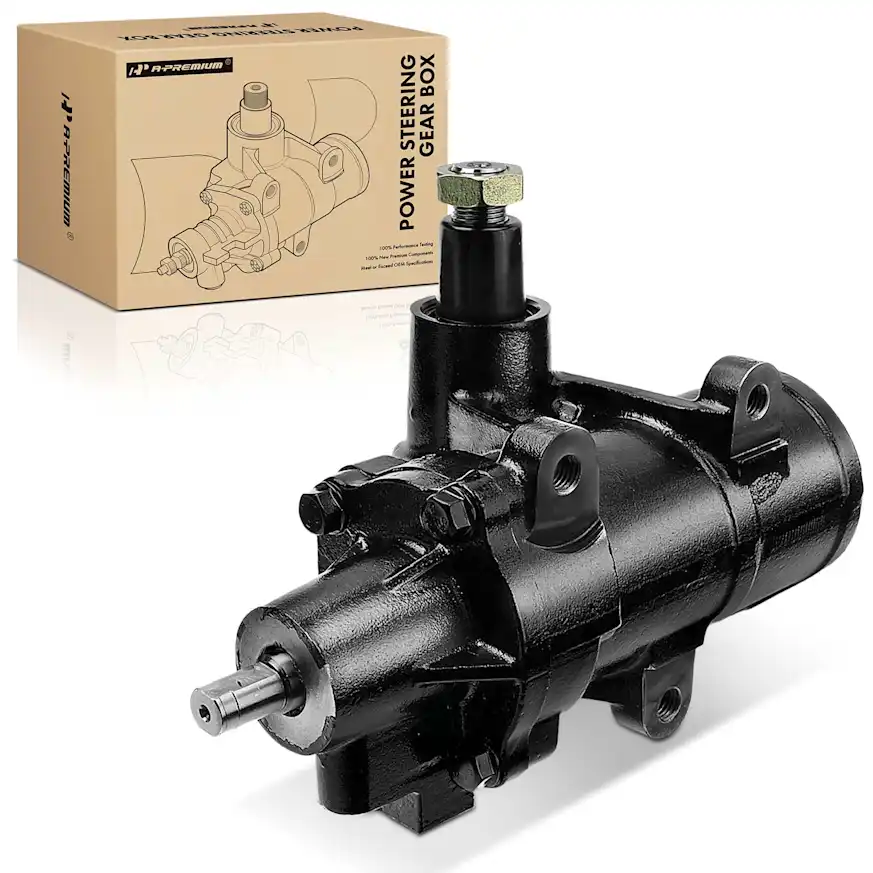
A steering gearbox sits at the center of a recirculating-ball or worm-and-sector steering system, converting rotational input from the steering wheel into lateral movement at the pitman arm. Because the unit connects fluid lines, a sector shaft, a drag link or tie rod, and a steering column shaft all at once, a mismatch in any one of those interfaces stops the job cold. That complexity is exactly why this category generates more wrong-part returns than most shoppers expect.
The right order starts with a clear repair scope. That scope determines how big the cart should be.

The Job in One Sentence
Replacing a steering gearbox restores precise, responsive directional control by swapping out a worn or leaking unit with one that matches the vehicle’s steering geometry, port configuration, and shaft interfaces exactly.
The gearbox is not a standalone bolt-on. It arrives connected to a specific hydraulic circuit, a specific column shaft spline, and a specific sector shaft that drives the pitman arm. A new unit has to replicate all of those interfaces or the job does not finish. Some listings include a new sector shaft seal. Others ship the bare housing with nothing extra. Knowing which version is in the cart before ordering matters.
Many remanufactured gearboxes also carry a core charge, meaning the old unit has to ship back. That is not a complication. It is normal for this category, but it is worth factoring into the timeline.
Choose Your Cart Size
Steering gearbox jobs fall into three realistic scopes. Pick the lane that matches the vehicle’s situation, not the largest cart by default.
1. Minimum Viable Repair
The gearbox itself has failed or is leaking. Everything else in the steering system checks out.
Choose it if:
- The failure is isolated to the gearbox: confirmed leak, excessive play at the sector shaft, or binding internal to the box
- The power steering pump is recently replaced or tested good
- Hoses and lines show no cracking or weeping
- The vehicle has moderate mileage and the rest of the steering system is solid
Typical cart:
- Replacement or remanufactured steering gearbox
- Power steering fluid to refill after installation
- Sector shaft seal (if not included with the gearbox listing)
2. Smart Same-Access Refresh
The gearbox is coming out and the power steering pump or hoses are showing age. Replacing them now costs far less than reopening the steering system later.
Choose it if:
- The power steering pump is original and has more than 100,000 miles on it
- Hoses feel spongy or show surface cracking at the fittings
- The pitman arm passes inspection but has never been replaced
Typical cart:
- Replacement steering gearbox
- Power steering pump (if showing wear)
- High-pressure and return hoses
- Power steering fluid
- Pitman arm puller (tool rental or purchase)
- Sector shaft seal
3. High-Mileage / Do-It-Once Reset
The vehicle is old, the steering system has never had major work, and the goal is reliability for another several years rather than a patch job.
Choose it if:
- The vehicle has 150,000 or more miles with original steering components
- There is noticeable play at the steering wheel beyond just the gearbox
- The pitman arm, idler arm, or tie rod ends show any looseness
- This repair needs to stay done for a long time
Typical cart:
- Replacement steering gearbox
- Power steering pump
- Hoses (high-pressure and return)
- Pitman arm
- Idler arm
- Tie rod ends (inner and outer)
- Power steering fluid
- Alignment service (needed after any steering component replacement)
What Is Commonly Ordered Together on This Job
Sealing Items
A complete new or remanufactured steering gearbox should already have its internal shaft seals installed. What may need to be ordered separately are the external O-rings, sealing washers, or line seals specified for the pressure and return connections.
A steering box sector shaft seal is more relevant when resealing the existing gearbox rather than replacing the complete unit.
Fluids
Power steering fluid is non-negotiable. Draining and refilling the system during a gearbox swap is part of the job. Some applications specify ATF rather than conventional power steering fluid. Confirm the spec before ordering.
Hoses and Lines
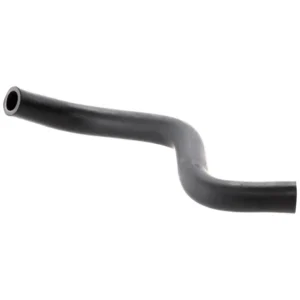
The high-pressure hose runs from the power steering pump to the gearbox inlet. The return hose runs from the gearbox outlet back to the reservoir. Both see heat and pressure cycles constantly. If either shows any softness or cracking at the crimp fittings, replace them while the system is already open.
Hardware and Fasteners
Mounting bolts for the gearbox are often reusable but should be inspected. If the vehicle has rust or corrosion in the chassis area, new fasteners save a stripped-thread headache mid-install.
Pitman Arm
The pitman arm splines onto the sector shaft, which may have a master spline and a slightly tapered fit. The pitman arm can be very tough to remove, so use a proper, heavy-duty pitman arm puller (see photo).
A pitman arm puller is essential. If the arm itself shows wear, replace it rather than reinstall it on a new gearbox sector shaft. Learn more about bad pitman arm symptoms before deciding whether to reuse the original.

Pro Tips are nuggets of information direct from ASE-certified automobile technicians working with CarParts.com, which may include unique, personal insights based on their years of experience working in the automotive industry. These can help you make more informed decisions about your car.
Pro Tip: Some pitman arms have an integral joint and some do not. If yours does not have a joint, the original arm can often be reused as long as the splines and arm itself are undamaged.

What People Forget Until the Vehicle Is Already Apart
These are the items that cause bench-side surprises. Check them before ordering, not after teardown.
- Does the listing include a sector shaft seal, or is that a separate purchase?
- Does the replacement unit come pre-filled or pre-bled, or does it need a full system bleed after install?
- Is there a core charge, and does the old unit need to be in returnable condition?
- Does the replacement gearbox have the same number of hydraulic ports as the original?
- Is the input shaft spline count and diameter a match?
- Does the vehicle use a clock-spring or steering angle sensor that may need a relearn after column disturbance?
- Are the mounting bracket holes in the same position? Some units look identical but have a slightly different bolt pattern depending on production date.
- Is the sector shaft diameter and spline count a match for the existing pitman arm?
When Replacing Only the Steering Gearbox Is False Economy
Replacing only the gearbox is completely reasonable when the rest of the steering system is intact, recently serviced, and shows no wear. On a lower-mileage vehicle with documented maintenance, a single gearbox swap makes perfect sense.
The math changes on higher-mileage vehicles. The power steering pump shares the same hydraulic circuit as the gearbox. A worn pump generates contaminated or aerated fluid that accelerates wear inside a new gearbox. Replacing the gearbox while leaving a marginal pump in place can shorten the new unit’s service life significantly.
Hose replacement follows the same logic. A pinhole in a power steering hose creates air in the system, which creates noise and erratic steering feel. Many people assume the new gearbox is defective when the hose is the actual problem.
The pitman arm question is more situational. If it separates cleanly and the splines show no wear or play, reuse it. If it has any looseness, replace it while access is already open. A worn pitman arm on a new gearbox sector shaft reintroduces steering slop immediately.
The Fitment Splits That Break Steering Gearbox Orders
Hydraulic Port Configuration
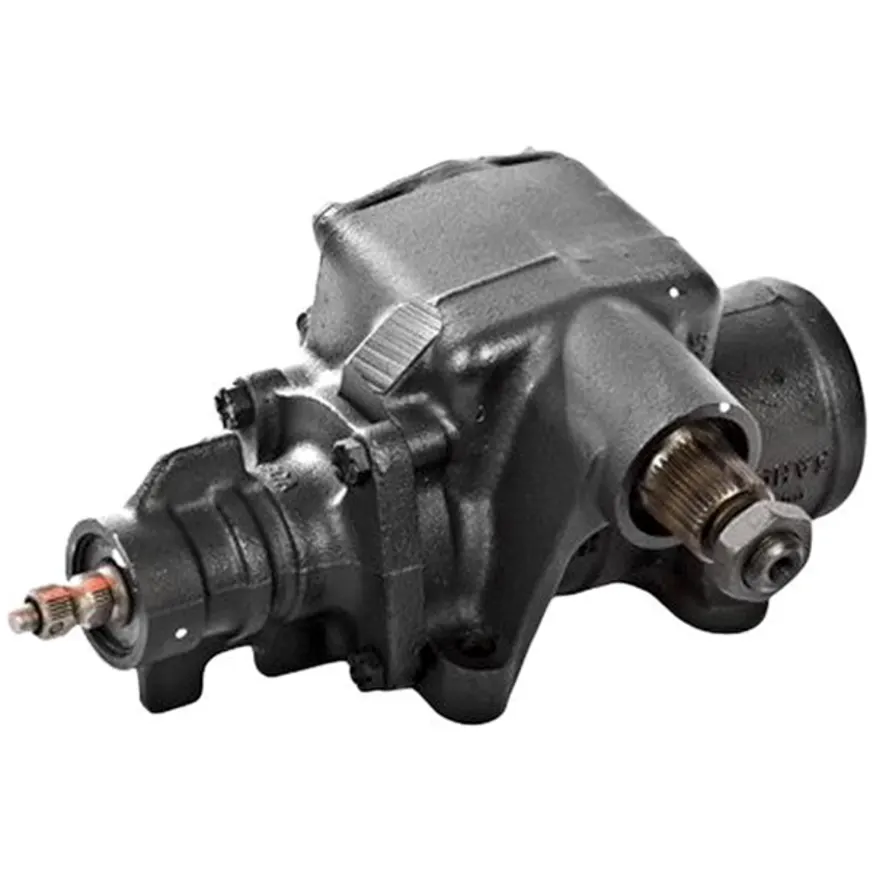
This is the most common mismatch. Gearboxes come with different inlet and outlet port locations and different thread sizes depending on application. A unit with ports on the wrong face or with an incompatible fitting size requires hose modification or adapters, which is not a workable outcome.
Input Shaft Spline Count and Diameter
The steering column attaches to the gearbox input shaft via a splined coupler. Spline count varies by application. A unit with the wrong spline count will not accept the column coupling.
Sector Shaft Diameter and Spline Count
The pitman arm mounts to the sector shaft. If the replacement unit has a different sector shaft dimension, the original pitman arm will not fit without modification.
Manual vs. Power Steering
Manual and power steering gearboxes are completely different units. Double-check the system type before ordering, especially on older vehicles that may have had aftermarket conversions.
Engine and Trim Splits
On trucks and body-on-frame SUVs especially, different engine packages or trim levels sometimes used different gearbox ratios or mounting configurations even within the same model year. Confirm trim and engine when using a fitment filter.
Production Date Splits
Some platforms changed gearbox suppliers or designs mid-production-year. If the vehicle is near a known production date boundary, confirm the part number against the original casting number on the old unit before teardown.
Delivery-Day Inspection Checklist
Before the old gearbox comes out, set the new unit next to the original and verify the following:
- Hydraulic port locations match the original unit’s inlet and outlet positions
- Port thread sizes accept the existing fittings or new hoses without adapters
- Input shaft spline count and diameter match the steering column coupler
- Sector shaft diameter and spline count match the pitman arm
- Mounting bolt holes align with the vehicle’s frame or bracket
- Sector shaft seal is present or confirmed as a separate purchase
- No visible shipping damage to the housing, ports, or shafts
- Core return requirements are noted (condition, packaging, timeline)
Your One-Job Order Sheet for a Steering Gearbox
1. Confirm the Vehicle
Year, make, model, engine, trim, and drivetrain. For older body-on-frame trucks and SUVs, also check the production date range if a mid-year split is possible.
2. Confirm the Repair Scope
Isolated gearbox failure, same-access refresh, or full high-mileage reset? The scope determines what else goes in the cart.
3. Confirm What the Listing Includes
Does the unit come with a sector shaft seal? Is there a core charge and what is the return condition requirement? Is the unit remanufactured or new?
4. Add the Consumables and Adjacent Items
Power steering fluid minimum. Add high-pressure and return hoses if they show any wear. Add a sector shaft seal if not included.
5. Check the Interface Points
Hydraulic port configuration, input shaft spline, sector shaft spline. Verify all three against the original unit or a confirmed-correct parts diagram before teardown starts.
6. Plan for Alignment
Any time steering components change, an alignment check is the right follow-up. It is not always required, but it is always worth scheduling.

The Smart Way to Shop Steering Gearboxes
The difference between a smooth one-day job and a vehicle stuck on stands for a week usually comes down to cart completeness, not part quality. A correct gearbox paired with a cracked return hose or a missing sector shaft seal turns into a frustrating callback repair fast.
Shop by application and interface, not by thumbnail resemblance. Two gearboxes can look identical in a product photo and have completely different port locations, shaft splines, or mounting configurations. Fitment filters exist for this reason. Use them, and confirm the critical interface dimensions against the original unit before the old one comes off the vehicle. Understanding how power steering problems develop can also help make the case for a more complete refresh when access is already open.
The cart that finishes the job once is almost always the smarter buy, whether that means a minimal two-item order on a clean vehicle or a more complete assembly refresh on a high-mileage truck. Shop replacement steering gearboxes and related steering parts at CarParts.com.
Keep Reading: Related Posts




Any information provided on this Website is for informational purposes only and is not intended to replace consultation with a professional mechanic. The accuracy and timeliness of the information may change from the time of publication.