Picking a mirror cover online can be a bit tricky, especially when you’re looking at very similar listings. Choosing one based solely on the photo can leave you dealing with a return instead of a quick fix. You might order the wrong side by mistake or forget that you need one with a turn signal light cutout.
Instead of deciding solely based on price, it’s important to look at features like the cover’s finish and camera cutouts. Before finalizing your order, it’s good to have all your bases covered and purchase everything you need to wrap up the repair smoothly.
The Job in One Sentence
The job is to replace the damaged outer shell with an exact match. That keeps the mirror looking right while every working part stays untouched.
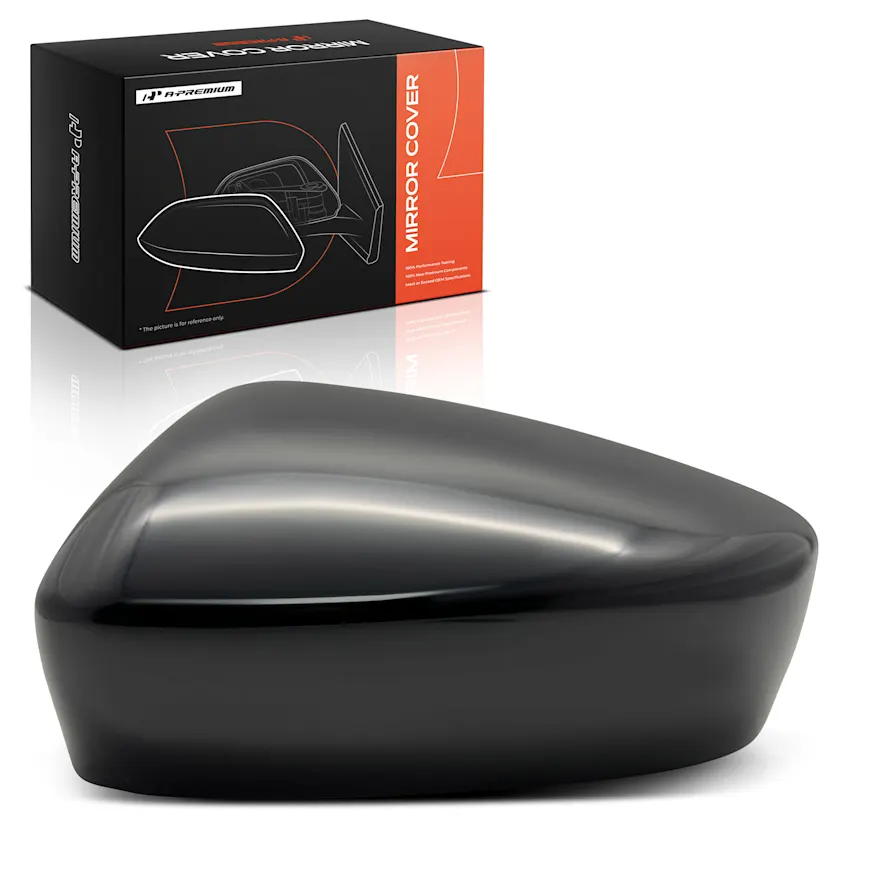
A mirror cover, also called a mirror cap or skull cap, wraps the back and sides of the mirror. It clips onto the mirror housing, which holds the motor, wiring, and adjustment mechanism. The mirror glass is a separate part with its own number. Aftermarket covers offer direct fit options, and they come as single covers or left and right sets.
Some vehicles sell the cover only with the housing, so check that first. The order covers more than the part name. You’re choosing a side, a finish, a cutout layout, and sometimes a paint plan.
Choose Your Cart Size
Most mirror cover jobs fall into three carts. Pick the one that matches the damage and how long you’ll keep the vehicle.
Minimum Viable Repair
One cover is cracked, scuffed, or missing, and the mirror works fine. Choose it if: the mirror adjusts, heats, and signals normally, and the housing sits firmly on the door. Typical cart: one cover for the damaged side in the right finish.
Smart Pair Refresh
The old cover is coming off anyway, so the other side deserves a look. Choose it if: the opposite cover looks faded, chalky, or scratched from sun and weather. Typical cart: a left and right pair, a plastic pry tool, and paint supplies if the covers arrive primed.
High Mileage Reset
The vehicle is older, parked outside, or the mirror has taken repeated hits. Choose it if: the housing has cracked tabs, the mirror moves loosely, or the glass is damaged too. Typical cart: a complete side mirror assembly, plus a paint ready cover if the assembly arrives unfinished. A scuffed cover alone doesn’t need this lane.
What Is Commonly Ordered Together on This Job
A mirror cover may seem like a component that’s simple enough to replace, but it’s connected to several parts that may also need attention. Be sure to check whether these items need to be included in your cart before checking out.
Cover, Housing, Glass, or Assembly
The cover is the shell, the housing is the structure behind it, and the glass is the reflective piece. The side mirror assembly includes all of them. A cover won’t fix a broken housing or cracked glass, so match the part to the damage.
Paint and Finish Items
Primed and paintable mirror covers are available for you to paint to match your vehicle. Remember to include the cost of paint, clear coat, prep supplies, and labor if you choose to purchase a primed part. Textured black, gloss black, and chrome covers need no paint. Also, make sure you know your vehicle’s paint color code for the perfect match.
Pairs, Clips, and Tools
Left and right covers are mirror images, so they don’t swap sides. A pair keeps both mirrors consistent. Covers attach with plastic clips and tabs, and a plastic pry tool protects the housing during removal. Some covers use adhesive or extra hardware, depending on application.
What People Forget Until the Vehicle Is Already Apart
Most surprises show up once the old cover comes off. Check these before you pay.
- Whether the listing includes one cover or a pair
- Whether your vehicle sells the cover apart from the housing
- Broken clips or tabs on the housing from the original damage
- Whether your mirror needs an upper cover or a full shell
- Paint, clear coat, and prep supplies for primed covers
- The condition of the opposite cover, since fade shows next to a new one

When Replacing Only the Mirror Cover Is False Economy
Replacing only the mirror cover is a smart choice when damage stops at the shell. Test the mirror first. Power adjustment should move in every direction. The heater and signals should work, and the housing should mount firmly.
Replacing only the covers isn’t cost-effective when a function fails or damage reaches the mounting tabs. A new cover on a damaged housing may not seat flush, and it can rattle or loosen. If a collision cracked the glass or housing, you’ll pay twice by reopening the mirror later. Prying hard at one point can also snap tabs and turn a cover job into an assembly job.
Pairs make sense too. A new cover beside a faded one stands out every time you check your mirrors. If your vehicle sells covers only with the housing, the side mirror assembly might be the better choice.
The Fitment Splits That Break Mirror Cover Orders
Fitment is where most wrong orders begin. Check each split against your vehicle before you buy.
Side and Signal Provision
Left and right covers are mirror images. Covers for mirrors with turn signals have a cutout or clear window. Covers for mirrors without signals are solid, so match the turn signal cutout exactly.
Tow, Camera, and Sensor Provisions
Trucks and SUVs often offer tow mirrors and standard mirrors. Tow mirrors use a different shape, so a standard cover won’t fit. Some mirrors also carry side view cameras or blind spot indicators. Listings note whether a cover fits with or without a side view camera, and cutouts differ depending on application.
Finish and Cover Style
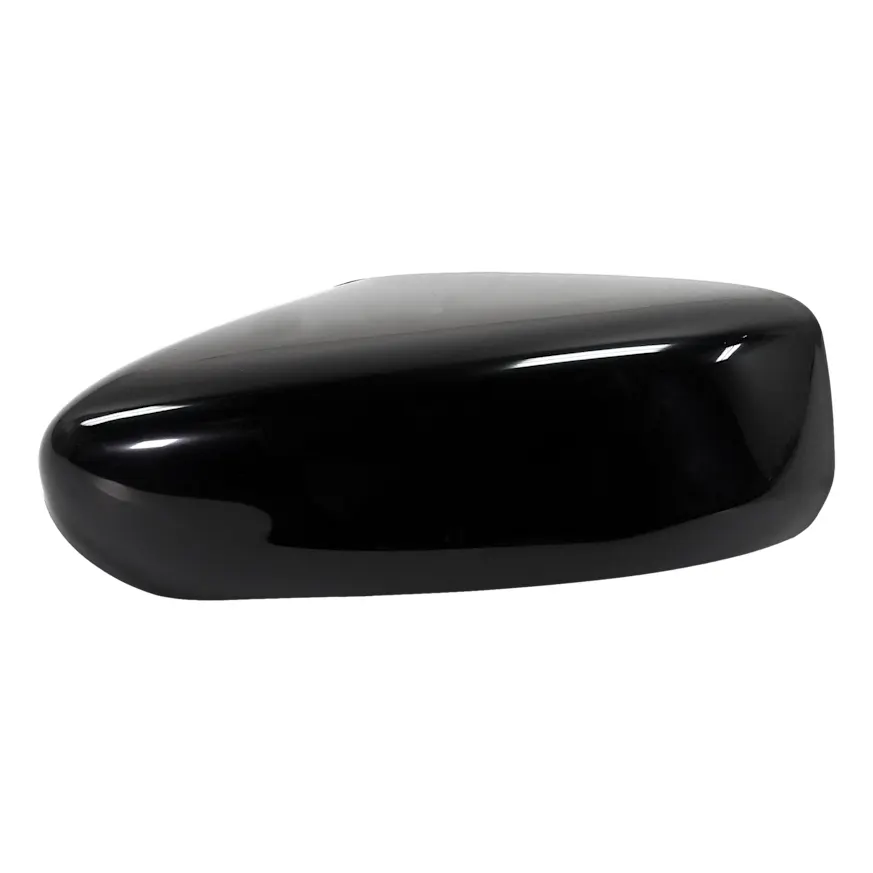
Primed, paintable, textured black, gloss black, chrome, and painted covers all exist. Each one changes your cart and your finishing work. Listings also sell upper covers and full shells, so confirm which one your mirror needs.
Year and Trim
Mirror designs can change during a refresh, so a cover for one year may not fit the next. Trim can change the mirror within the same model and year. Clip count and layout can differ too.
Delivery Day Inspection Checklist
Check the part before you paint or modify anything. A few minutes now can prevent a return later.
- Confirm the side matches the mirror you’re repairing.
- Compare the outline to the old cover.
- Check the turn signal cutout against the mirror.
- Compare clip and tab positions to the old cover.
- Verify the finish matches your order.
- Count the pieces if you ordered a pair.
- Look for cracks, warping, or scuffs from shipping.
Your One Job Order Sheet for a Mirror Cover
Skim these six steps and you can order with confidence.
1. Confirm the Vehicle
Write down year, make, model, trim, and which side is damaged. Note any tow package.
2. Confirm the Repair Scope
Test adjustment, heat, signals, and mounting stability. Pass means a cover. Fail means glass, housing, or assembly.
3. Confirm What the Listing Includes
Check one cover or two, finish, signal cutout, tow fitment, and camera provisions.
4. Add the Consumables/Adjacent Items
Add paint and clear coat for primed covers. Add a pry tool and the opposite side cover if it’s tired.
5. Bench-Check the Old Part
Compare the old cover to the new one for outline, clips, and cutouts before any finishing.
6. Choose the Right Ownership Logic
Pick a quick repair, a matched pair, or a full assembly based on condition and how long you’ll keep the vehicle.
The Smart Way to Shop Mirror Covers
Shop by repair scope, not by thumbnail. A cheap looking order can leave you with the wrong side, the wrong cutout, or an unfinished shell. The right order matches your vehicle and the damage, and aftermarket mirror covers make that match easy to find. The best cart finishes the job once.
Keep Reading: Related Posts



Any information provided on this Website is for informational purposes only and is not intended to replace consultation with a professional mechanic. The accuracy and timeliness of the information may change from the time of publication.