A bad ignition coil often introduces itself quietly: a light stumble under load, a shaky idle, or a glowing check engine light. On engines with just one coil, it may cause a no-start or a hard start and cutting out under load.
That small annoyance can quickly become a bill that feels out of proportion to the symptom, especially once you see how far prices jump between replacing one easy-to-reach coil and replacing a full set on a tightly packed modern engine. Knowing the usual price range gives you a better sense of whether to sign off on the estimate as-is, call a second shop, or do part of the job yourself.
On many current cars and SUVs, national figures often fall around $225 to $330 for a single coil at a typical repair shop, but the real-world spread runs from roughly $150 on a simple four-cylinder engine to well above $700 when several coils are tucked under an intake manifold and labor time climbs.
What Does Ignition Coil Replacement Cost?
Across recent pricing data, a practical working range for replacing one ignition coil on most vehicles—parts and labor together—sits around $150 to $400 at independent shops, with dealership quotes usually higher. Several surveys of repair orders place the broad national average in the neighborhood of $225 to $331 for a single coil.
That band narrows or stretches depending on the vehicle:
- Ford F-150 – Many estimates gather between roughly $220 and $310 per coil, assuming the coils sit in plain view and nothing else needs to move.
- Toyota Camry – Bills tend to land a bit higher, roughly $320 to $450 for one coil.
- Honda Accord – Recent-model Accords often show coil replacement totals in the low-to-mid $300s per cylinder.
- Nissan Altima – This model often shows one of the widest spreads, with quotes starting in the low $400s and running into the $700+ territory if more than one coil or added labor shows up on the same line item.
Those numbers assume a single bad coil. Once multiple coils start failing—or age and layout make a “do several at once” plan more sensible—the total climbs quickly. A four-cylinder engine with coils sitting right on top may stay under about $600 for a full set, while some V6 or V8 engines can send the total well past $1,000 if every coil gets replaced in one visit.
What Drives Your Engine Coil Replacement Cost?
Coils can be fairly inexpensive for some vehicles and quite expensive for others, but brand and quality must be considered as well. Several mechanical and practical details sit behind the wide range in ignition coil pricing.
Coil Design and Quantity
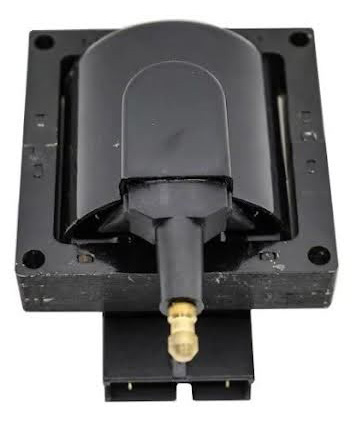
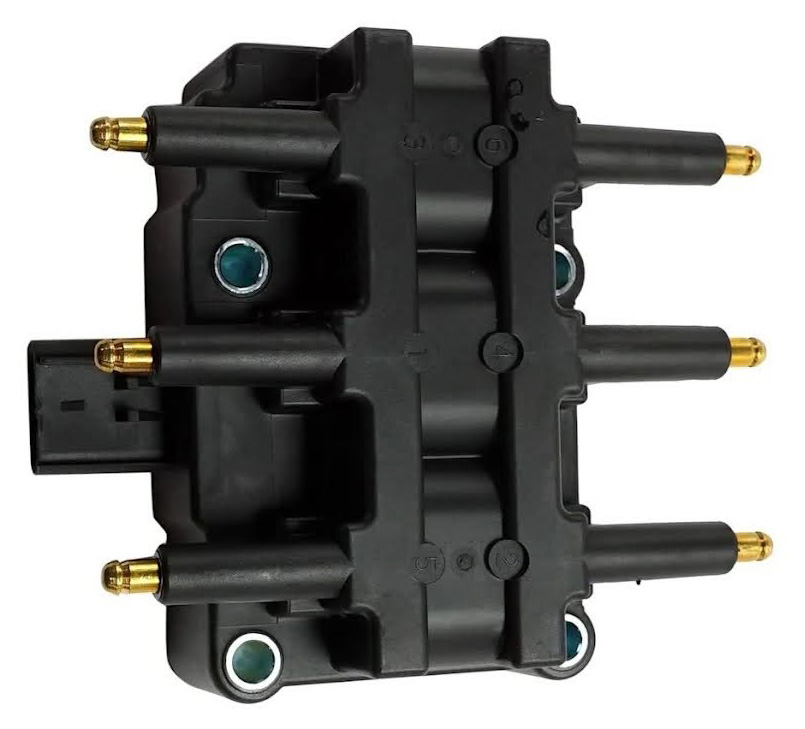
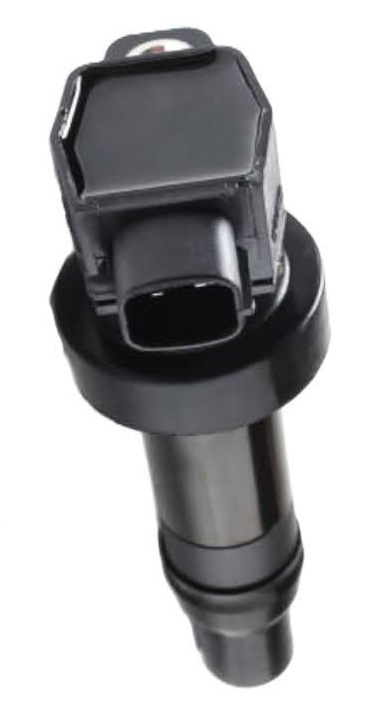
Older setups may use one coil pack to feed several cylinders, while many newer engines use a separate coil for each spark plug. Individual coil-on-plug units often cost more per piece, but a large multi-coil pack can push the total higher if the entire assembly has to be replaced instead of a single cylinder.
Parts Quality (OEM vs Aftermarket)
Aftermarket coils for popular non-luxury models commonly fall around $40–$100 each. Premium lines and original-equipment coils can run $150–$300+ per unit, especially on turbocharged or higher-end models, and that difference shows up immediately once several coils are written on the estimate.
Labor Time and Access
On some engines, coils live right on top of the valve cover and can be reached in a few minutes. On others—especially transverse V6 layouts—the upper intake manifold or other covers must come off, turning a short job into two hours or more of labor. With shop labor rates frequently around $80–$150 per hour, how buried those coils are becomes a big part of the final number.
Shop Type and Location
Dealer service departments commonly charge 15–35% more than independent shops, and large cities tend to post higher hourly rates than small towns. The same work on the same engine can therefore cost noticeably more in a big metro area than in a rural region.
Because of all this, the question “how much is an ignition coil?” almost always breaks down into “how many coils, what kind of engine layout, and at which labor rate?”
Single Coil, Full Set, and the Cost to Replace Four Ignition Coils
On many late-model engines, every cylinder gets its own coil. If only one cylinder misfires and testing clearly points to a single bad coil, replacing just that one usually makes sense. In that case, typical bills look like this:
- Single replacement at a shop – Around $150–$400 per coil at independent shops and roughly $250–$600 at dealerships, depending on the model and parts choice.
Once several coils are old, have similar mileage, or sit under an intake that must come off anyway, the cost to replace four ignition coils at once starts to look more reasonable:
- On a 4-cylinder engine, replacing all coils commonly falls in the $300–$900 range, heavily influenced by access and parts grade.
- On V6 and V8 engines, a full set often lands around $450–$1,700 because of the higher coil count and the extra labor needed to reach rear-bank cylinders.
As a practical rule of thumb: if the car has high mileage, the coils sit under an intake (frequent on V6 minivans and crossovers), or more than one has already failed, replacing them as a group can cut down on future labor sessions and repeated teardown.
How Coil Prices Vary by Vehicle Type and Segment
Real-world bills swing widely from model to model. Recent estimates often show ranges like these:
Family Sedans and Compacts
- Hyundai Elantra – Many shops quote roughly $200–$275 for a single coil.
- Toyota RAV4 and Toyota Highlander – These often sit higher once more than one coil or tricky access gets involved. A single-coil job on a RAV4 often lands in the $270–$380 bracket, while Highlander quotes can stretch from about $550 up to $780 for a single job, depending on layout and parts choice.
Minivans and Crossovers
- Honda Odyssey – Bills can start in the low $300s and climb well beyond $700, based on how many coils get replaced and whether the intake manifold has to come off to reach the rear bank.
Small SUVs and Economy Models
- Kia Soul – Many regions see this model near the lower side of the scale, around $160–$200 for one coil.
Luxury and Performance Brands
- BMW models – For many popular BMWs, ignition coil replacement often runs around $200–$260 per coil at independent shops, with dealership quotes sometimes higher, especially when spark plugs are changed during the same visit.
- Mercedes-Benz C-Class – Typical shop estimates for a single coil often fall around $200–$250, while some mobile services and dealerships push into the mid-$400s when higher-grade coils are used or extra work is part of the job.
Taken together, these examples explain why two drivers can both say “I just had a coil replaced” yet see bills that differ by a factor of three or four.
DIY vs Shop: Where You Can Save Without Creating New Problems
The most modern engines usually carry more coils than their predecessors, hide them under plastic covers or intake manifolds, and tie them into sensitive electronics.
With one coil per cylinder, ignition timing can vary between cylinders based on recorded engine knocks due to preignition or detonation. It’s all about tighter control of each cylinder.
Coil packs remain in use on certain engines, especially multi-cylinder setups where a compact pack serves multiple plugs, though most manufacturers have shifted to COP for efficiency and reliability. The good news is that in most cases the coils are easy to replace DIY.
If the coils sit in plain sight and you already feel comfortable with basic hand tools, doing the job yourself can cut the cost roughly in half, since the bill then revolves around parts instead of labor hours. Many four-cylinder engines with exposed coil-on-plug units fall into this category.
A simplified home approach often looks like this:
1. Confirm the diagnosis.
Use a scan tool to read misfire codes, then move the suspected coil to a different cylinder. If the misfire code moves with it, that coil is the likely culprit.
2. Gather tools and parts
A basic socket set, a small torque wrench, a bit of dielectric grease, and the new coil or coils usually cover what you need, along with any small hardware the service manual calls out.
3. Remove the old coil.
If the service procedure mentions disconnecting the battery, do that first. Then unplug the coil connector, loosen and remove the hold-down bolt, and lift the coil straight upward from the spark plug.
4. Install the new coil.
Look down into the spark plug well for oil or coolant. If the area is dry and clean, place a light smear of dielectric grease on the boot, slide the coil firmly onto the plug, and tighten the bolt to the stated torque.
5. Clear codes and road-test
Plug everything back in, clear stored trouble codes, and take the car for a drive while watching misfire data on the scan tool if you have that option.
Engines that require removal of the upper intake, cowl, or engine mount for access—common with some Honda and Toyota V6 layouts—tend to favor professional work. That deeper disassembly raises the odds of issues like vacuum leaks, damaged connectors, or pinched gaskets if you rarely dig that far into an engine bay.
Preventing Repeat Coil Failures and Extra Expense
A bit of routine care can stretch coil life and keep this repair from showing up repeatedly on your statements.
Replace spark plugs on schedule
Spark plugs that stay in too long raise the voltage demand on the ignition system. Coils that could have run close to 100,000 miles may burn out much earlier if they constantly fire against worn plugs.
Fix oil or coolant leaks into plug wells
Oil-soaked boots and wet electrical connectors show up again and again in coil failure stories, whether the badge on the trunk says Toyota Camry, BMW, or anything in between. Fresh tube seals and valve cover gaskets stop fluid from pooling around the plug and coil area, which cuts down on repeat failures.
Protect sensitive systems on higher-end cars
Luxury models such as many Mercedes-Benz and BMW engines often react poorly to bargain coils. Owners frequently report misfires, radio interference, or new check engine lights after low-end parts are installed. In many cases, sticking with high-quality or original-equipment coils ends up cheaper over time than chasing intermittent misfires with discount parts.
Watch for charging-system problems
Voltage that runs too high or too low because of a weak battery or aging alternator can put extra strain on ignition parts. If coils keep failing without a clear cause, checking the health of the charging system is a sensible next step.
This video shows how a coil-on-plug (COP) coil can look just fine and seem to fix the problem but have hidden issues you may not be able to detect if you don’t have a way to measure the coil output. The vehicle may run just fine initially.
The good thing about COP coil systems is that you can compare readings between coils before and after your repair.
Taken as a whole, a clear picture of ignition coil pricing—by coil design, engine layout, and vehicle segment—lets you read a repair estimate with more confidence. You can decide whether to approve a single-coil fix or a full set, weigh a do-it-yourself job against professional labor, and plan your next move with a better sense of where the money goes.
Keep Reading: Related Posts




Any information provided on this Website is for informational purposes only and is not intended to replace consultation with a professional mechanic. The accuracy and timeliness of the information may change from the time of publication.