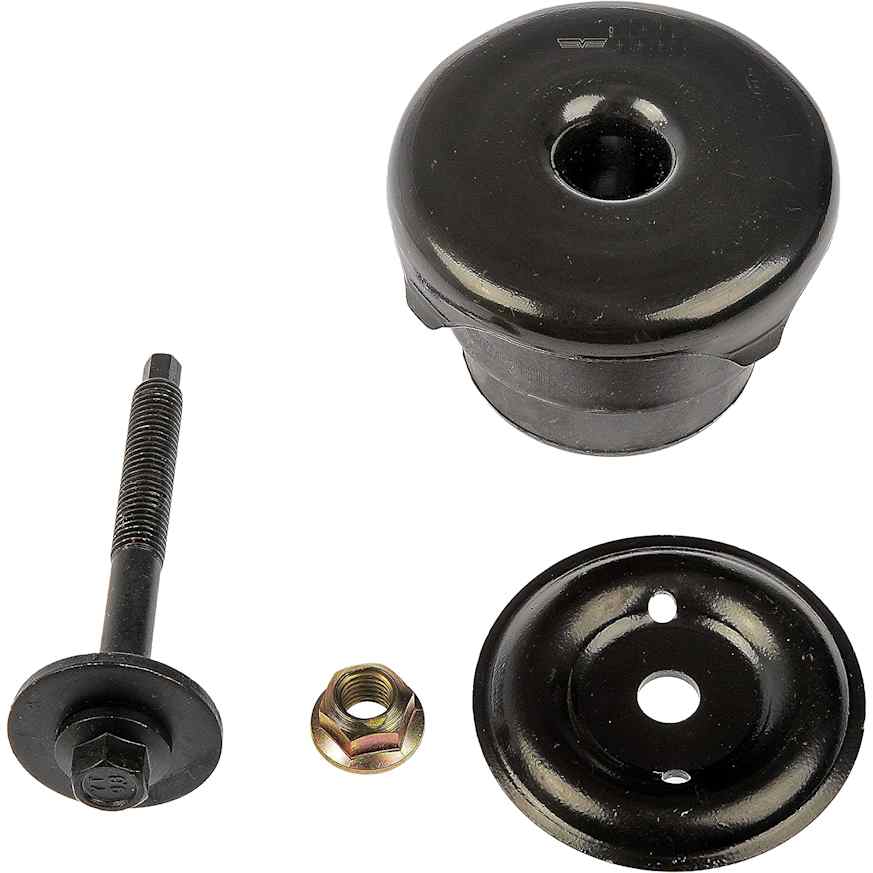
A body mount kit is a complete set of replacement cushions, bushings, and hardware that sits between your vehicle’s frame and its body, keeping the two separated, aligned, and isolated from road shock. On body-on-frame vehicles like trucks and SUVs, these mounts carry the weight of the cab and bed while soaking up vibration. When they crack, sag, or rot out, you get rattles, misalignment, and a loose-feeling ride. A kit gives you everything needed to swap the old ones at once instead of chasing parts piece by piece.
Key Takeaways
- A body mount kit bundles the cushions, bushings, washers, and bolts you need to replace worn mounts in one purchase.
- Mounts isolate the body from frame vibration and keep the cab, bed, and doors properly aligned.
- Replacement materials range from OE-style rubber to firmer polyurethane, with kits sold for specific years, makes, and cab configurations.
- Sagging or split mounts cause door misalignment, rattles, and uneven panel gaps that point to replacement.
- This job affects ride stability, so it’s worth a careful inspection or a specialist’s eye if you’re unsure.
What a Body Mount Kit Actually Includes
The contents vary by manufacturer and vehicle, but a complete kit usually covers every mounting position on the chassis. A typical performance bushing kit, for example, ships with sixteen bushings, two plates, six bolts, eighteen washers, six nuts, and grease, which is enough to do an extended-cab truck in one sitting. Restoration-focused kits often break the set into named groupings such as body-to-frame pad sets, cab mounts, and radiator support mounts so you can buy hardware-included or no-hardware versions depending on whether your original bolts are still good.
That bundling is the whole point. Instead of sourcing a dozen individual cushions and matching fasteners, you get matched components engineered to work together. Most reputable kits aim to match or improve on factory function while keeping quality and materials close to the original design, so fit stays predictable.
How Body Mounts Work?
Your frame and body are two separate structures. Body mounts are the rubber or polyurethane pucks, pads, and bushings clamped between them at regular intervals along the rails. They do three jobs at once: they hold the body at the correct height and position, they absorb vibration and noise so the cabin stays comfortable, and they allow a small, controlled amount of movement so the frame can flex over rough terrain without cracking the body.
When these cushions are healthy, doors close cleanly, panel gaps stay even, and the ride feels planted. As they age, the material compresses, splits, or disintegrates. The body then sits lower or shifts, which throws off alignment between the cab and surrounding panels and lets metal-on-metal contact transmit harshness straight into the cabin.
Rubber vs. Polyurethane
Material choice shapes how the finished job feels. Rubber mounts, including replacement rubber body mounts built to original specifications, prioritize a quiet, compliant ride and tend to match the factory feel most closely. They’re the usual pick for restorations and daily drivers where comfort matters. Polyurethane mounts are firmer. They resist deformation under load, sharpen steering response, and reduce body movement, which is why performance and heavy-use applications lean toward them. The trade-off is that they transmit a bit more vibration and noise into the cabin. Neither is strictly better. It depends on whether you want stock comfort or tighter body control.
Signs Your Mounts Need Replacing
A few symptoms tend to show up together. Doors that suddenly bind, stick, or need a harder pull often mean the cab has shifted on sagging mounts. Uneven gaps between the cab and bed, or between fenders and doors, point to the same direction. You might also hear new clunks, squeaks, or rattles over bumps as the body knocks against the frame — symptoms that can overlap with bad motor mount signs, so it pays to pin down the source.In older or rust-prone vehicles, the mounts can rot away entirely, leaving the body poorly secured. Because the mounts help keep the body stable relative to the steering and suspension, badly degraded mounts can affect how your vehicle tracks and feels — much like worn control arm bushings do. If you notice a vague, wandering feel along with these symptoms, it’s smart to inspect the mounts and surrounding frame before the next long drive, and to have a shop look it over if anything seems loose or corroded.
Choosing the Right Kit
Fitment comes first. Kits are sold for specific year ranges, makes, models, and body styles, and cab configuration matters a lot for trucks. A regular cab, extended cab, and crew cab can all use different counts and shapes of mounts, so an extended-cab kit won’t necessarily fit a crew cab. Marketplace listings and manufacturer pages almost always ask you to confirm the vehicle before buying for exactly this reason.
After fitment, decide on material based on how you use your truck, then check whether the kit includes hardware. Some sets assume you’ll reuse your factory bolts, while others include fresh fasteners, which is the safer route if your originals are rusted. Confirm the kit covers every position you intend to replace rather than just the cab, since mixing fresh and worn body mount kit components can leave the job feeling half-done.
What Installation Involves
Replacing body mounts means safely supporting the frame, then carefully lifting the body just enough to free each old mount and seat the new one. Manufacturers commonly estimate around four hours for a full kit and often recommend a suspension specialist for the work, since it involves raising a heavy body and torquing fasteners correctly. If you’re already inspecting nearby suspension parts, it’s a good time to diagnose a faulty control arm while the vehicle is supported.
Do one mount at a time so the body stays supported, follow the kit’s torque specs, and apply any supplied grease where directed. Because this work raises the body and touches structural fasteners, treat it carefully: use proper stands, never rely on a jack alone, and re-check torque after the first few drives. If you aren’t confident lifting and supporting the body safely, ask a professional.
Frequently Asked Questions
How long do body mounts last?
There’s no fixed number. Climate, road conditions, mileage, and exposure to salt all play a role. Many last well over a decade, while rust-belt vehicles can need them sooner. Inspect them whenever you’re under the vehicle.
Can I replace just one bad mount?
You can, but replacing the full set is usually wiser. Mounts age together, so a fresh cushion next to several worn ones tends to expose the weak ones quickly and can leave the body sitting unevenly.
Will new mounts fix my door alignment?
Often, yes. If sagging mounts caused the cab to drop or shift, restoring them to proper height frequently brings doors and panel gaps back into line. Severe cases might still need minor adjustment afterward.
Do I need an alignment afterward?
Many kits don’t require a wheel alignment, but it depends on your vehicle and how far things have shifted. Check the kit’s guidance and have alignment verified if steering feels off, since lingering looseness can also trace back to bad trailing arm bushings or other worn suspension parts.
Ready To Restore Your Ride?
A worn set of mounts quietly chips away at how solid your vehicle feels, and a quality kit is one of the more satisfying ways to bring it back. You can also firm things up further with fresh control arm bushings while you’re under there. Browse fitment-matched body mount kits at CarParts.com to find the right set for your truck’s year, make, and cab style. Get the parts you need shipped straight to your door and put rattles, sag, and misalignment behind you.
Keep Reading: Related Posts



Any information provided on this Website is for informational purposes only and is not intended to replace consultation with a professional mechanic. The accuracy and timeliness of the information may change from the time of publication.