A power steering high-pressure hose assembly is the reinforced hose and steel tubing that carries pressurized fluid from the power steering pump to the steering gear or rack. It comes as one complete unit with factory-crimped fittings on each end. System pressure can exceed 1,500 psi, so the assembly uses multilayer construction that a standard rubber hose can’t match. When it leaks or weakens, steering assist drops and the wheel gets harder to turn.
Key Takeaways
- The assembly delivers pressurized fluid from the pump to the steering gear or rack.
- It combines multilayer hose, steel tubing, and crimped fittings in one fitment-specific unit.
- Leaks, a heavy steering wheel, pump whine, and soft or bulging spots point to replacement.
- Many hoses last around 100,000 miles, but heat, chemicals, and pressure cycles can shorten this.
- Fitment depends on your vehicle’s year, make, model, engine, and steering type, so make sure to match the exact routing.
What the Assembly Does in a Hydraulic Steering System
The assembly moves high-pressure fluid to the component that does the steering work. The pump pressurizes the fluid, and the hose delivers it to the steering gearbox or rack-and-pinion unit. Inside, a control valve directs that fluid to help push the steering in the direction you turn. A separate return hose then carries low-pressure fluid back to the reservoir.
That’s why a healthy hose matters. If it can’t hold pressure, the gear or rack gets less hydraulic help, and you end up doing more of the work at the wheel.
What’s Included in a Hose Assembly
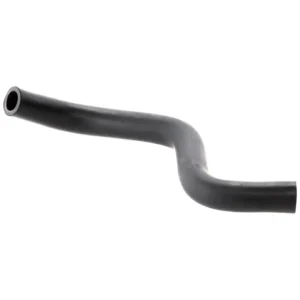
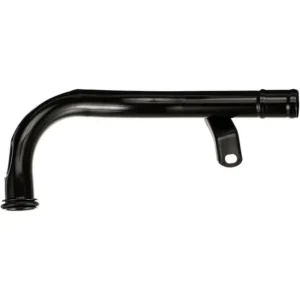
A typical assembly includes flexible hose sections, rigid steel tubes, and fittings at both ends, all joined into one piece. Unlike a low-pressure hose held on with clamps, you can’t usually repair it in sections.
Multilayer Hose and Steel Tubing
The flexible section absorbs engine movement and vibration. Its inner layers use high-pressure-resistant polymer, while the outer cover resists heat, abrasion, and engine bay chemicals. Steel tube sections handle the fixed runs and route fluid around the engine, frame, and subframe.
In some vehicles, the flexible section also contains an internal restrictor or tuning element that dampens pressure pulses and reduces pump noise. When buying a replacement hose, check the product details if your original hose had a restrictor.
Fittings, Seals, and Sensor Ports
Each end uses a crimped fitting, commonly a flare nut, an O-ring fitting, or a banjo bolt. Seals vary by design and may include O-rings or copper sealing washers. Some assemblies also have a threaded sensor port for a power steering pressure switch, which signals the engine computer to raise idle speed under heavy steering loads. Confirm whether the replacement hose includes new seals and the switch, since many don’t.
Common Assembly Configurations
Most replacements fall into a few routing types, and the product name usually tells you which one you need.
Pump to Gear
This version feeds a recirculating ball steering gearbox. You’ll find it on many trucks, full-size SUVs, and older rear-wheel-drive vehicles.
Pump to Rack
This version feeds a rack-and-pinion unit, which most cars and crossovers use. Some rack systems also use separate cylinder lines that connect the valve body to each end of the rack.
Combined Pressure and Return Assemblies
Some vehicles join the high-pressure and return hoses into a single assembly, and some kits add the reservoir suction hose. These cost more but replace all the related hoses at once.
Routing can change between 2WD and 4WD versions, engine options, and trims of the same model. In vehicles with hydraulic brake assist (hydroboost), the pump might feed the brake booster first, then the steering gear. That setup affects braking feel too, so match the exact configuration and have a technician inspect it if you’re unsure.
How a Pressure Line Differs From the Return Hose
The high-pressure side carries fluid out of the pump, while the return hose sends low-pressure fluid back to the reservoir. That difference drives everything about construction. The pressure-side hose uses reinforced layers and crimped fittings to contain pressure spikes, while many return hoses use lighter hose secured with clamps. Some return circuits also include a cooler loop.
Never substitute generic hose or clamps on the high-pressure side. They can’t contain system pressure and can fail suddenly.

Signs the Hose Assembly Is Failing
A failing hose usually shows itself through leaks, heavier steering, or visible wear. Watch for these signs:
- Fluid leaks: A puddle under the front of the vehicle, a dropping reservoir level, or wet residue near the crimped ends.
- Heavy steering: The wheel takes more effort, especially at low speeds and in parking lots.
- Whining or groaning: The pump makes noise when it runs low on fluid.
- Physical damage: Cracks, flaking, or abrasions on the outer cover can mean the inner layers have started to degrade.
- Soft or bulging spots: A soft area suggests layer breakdown, and a bulge can mean fluid has seeped between layers.
To pinpoint a leak, wear eye protection and have a helper turn the wheel with the engine running while you watch the hose. Keep hands clear of belts and fans, and stay back from the fittings. Fluid escaping under pressure is hot and can spray.
A quick caution: leaking fluid can drip onto hot exhaust parts, and a sudden hose failure can make steering much heavier mid-turn. If you see active spraying or a bulge, park the vehicle and get it inspected before regular driving.
Why the Hose Wears Out
Constant pressure and heat cause most failures. Every time you turn the wheel, pressure spikes flex the hose. Under-hood heat, ozone, and contact with oil and other chemicals break down the outer cover over time. Rubbing against a bracket or loose mounting clip can also wear through the cover faster.
Power steering components last around 100,000 miles for most vehicles. Your actual results depend on your vehicle’s make and model, the climate you drive in, and how you drive.
Before You Replace the Assembly
Replacement is a moderate DIY job for some vehicles and a difficult one for others. Plan for these essentials:
- Line wrenches: Standard open-end wrenches can round off flare nuts. Tight spots can require a crowfoot line wrench on an extension.
- The right fluid: Use the fluid type your owner’s manual specifies. Some systems call for a dedicated power steering fluid, while others use automatic transmission fluid.
- New seals: Replace O-rings or sealing washers rather than reusing old ones.
- Proper bleeding: Air in the system causes noise and foaming, so follow the bleeding procedure for your vehicle.
Also check the fluid’s condition during installation. Dark or gritty fluid can point to pump or gear wear that a new hose won’t fix. If you aren’t comfortable working around steering components, have a professional handle the job.
FAQs
It’s not a good idea. A minor leak won’t stop the engine, but it can starve the pump and make steering harder, especially during sharp turns. Continued driving can also damage the pump, and in some vehicles a failing pump can stress the serpentine belt that also drives the water pump.
Many last around 100,000 miles. Heat, chemical exposure, and frequent heavy steering can shorten that, so inspect the hose during regular maintenance.
Parts can range from about $10 to $490 depending on the vehicle and brand, and labor typically runs about $120 to $150. Access issues for some engines can push labor higher.
It often makes sense if the return hose shows similar age or wear. You’ll drain and bleed the system once instead of twice.
Yes. Bleeding removes trapped air that can cause whining, foaming, and inconsistent assist.
Fully electric power steering systems don’t use hydraulic hoses. Electro-hydraulic systems still use a pump and a high-pressure hose, though the pump runs on an electric motor instead of a belt.
Find the Right Hose Assembly for Your Vehicle
A healthy high-pressure hose keeps steering light, predictable, and quiet. CarParts.com carries hose assemblies for a wide range of cars, trucks, and SUVs, organized by year, make, model, and engine to help you match the exact routing. Enter your ride’s details into our vehicle selector to find the right fit and get your vehicle’s steering back to normal.
Keep Reading: Related Posts



Any information provided on this Website is for informational purposes only and is not intended to replace consultation with a professional mechanic. The accuracy and timeliness of the information may change from the time of publication.